
When is the Best Time to Prune Pomegranate Plants?
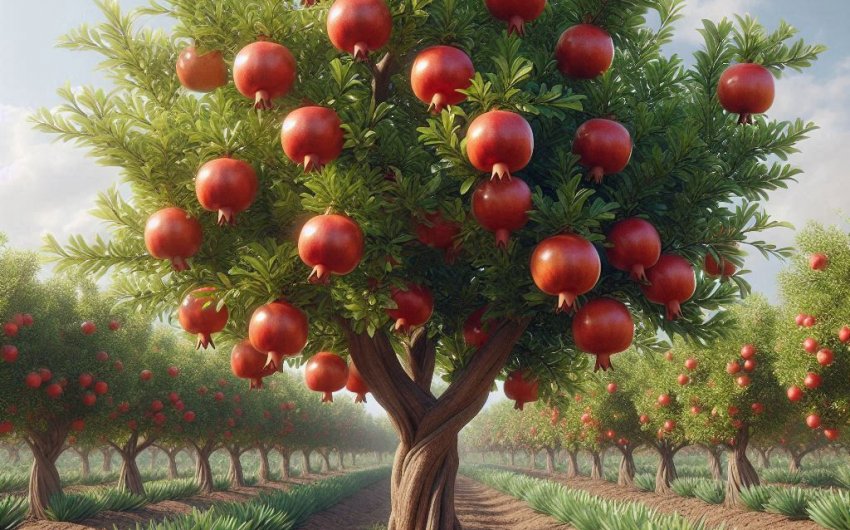
Understanding when is the best time to prune pomegranate plants is a key skill for any gardener aiming for abundant fruit and a healthy, attractive shrub or tree. Pomegranates are beautiful, versatile plants that can be grown as multi-stemmed shrubs, trained as small trees, or even cultivated in containers. Proper pruning isn't just about making them look tidy; it's essential for promoting fruit production, improving air circulation, and maintaining the plant's vigor. Get the timing right, and your efforts will be rewarded with delicious, ruby-red fruits.
Why is Pruning So Important for Pomegranate Plants?
Pruning often feels intimidating, but for pomegranate plants, it's an absolutely essential practice. It goes beyond mere aesthetics; the right cuts at the right time directly impact the plant's health, structure, and ability to produce those juicy fruits we all love.
How Does Pruning Affect Fruit Production in Pomegranates?
One of the primary reasons to prune pomegranate plants is to directly influence fruit production. Unlike many fruit trees, pomegranates bear fruit on new growth from the previous year, or on older spurs (short, specialized branches that produce flowers and fruit). Understanding this fruiting habit is crucial for successful pruning.
- Encourages New Fruiting Wood: Proper pruning stimulates the plant to produce new growth. By removing older, less productive wood, you encourage the plant to put energy into developing the vigorous one-year-old wood that will bear the most fruit.
- Removes Unproductive Wood: Pruning allows you to remove dead, diseased, or crossing branches that aren't contributing to fruit production and are just sapping energy from the plant.
- Improves Light Penetration: A dense, unpruned pomegranate can have an interior that is too shaded. Pruning opens up the canopy, allowing more sunlight to reach all parts of the plant. Sunlight is vital for flower and fruit development and for ripening the fruits to their full sweetness.
- Manages Biennial Bearing: While not as pronounced as in some fruit trees, proper pruning can help manage the tendency for some pomegranates to bear heavily one year and lightly the next.
Essentially, by strategically pruning, you're guiding the plant's energy towards producing more of the wood that yields fruit, resulting in a more consistent and abundant harvest.
What Role Does Pruning Play in Plant Health and Structure?
Beyond fruit, pruning is critical for the overall health and structure of your pomegranate plant. It contributes to a stronger, more resilient, and more manageable specimen.
- Improves Air Circulation: Dense foliage can trap humidity, creating a perfect environment for fungal diseases. Pruning to open up the plant's interior improves airflow, helping leaves dry quickly and reducing the risk of powdery mildew and other common pomegranate ailments.
- Removes Dead, Damaged, or Diseased Wood: This is a crucial health step. Dead wood is a haven for pests and diseases. Removing damaged branches prevents further tearing or breakage. Diseased branches should be removed immediately to stop the spread of infection. Always use clean, sharp pruning shears and sterilize them between cuts, especially if dealing with disease.
- Maintains Desired Shape and Size: Pomegranates can grow into large, sprawling shrubs. Pruning allows you to control their size and shape, whether you prefer a multi-stemmed bush, a single-trunk tree, or a more compact specimen for a container garden.
- Strengthens Branches: Removing weak or crossing branches helps direct energy to stronger, well-placed limbs, making the plant more robust and less prone to breaking under the weight of heavy fruit or in strong winds.
- Manages Suckers: Pomegranates are prone to producing suckers (new shoots) from their base. If not removed, these can quickly turn a tree-form pomegranate into an unruly shrub. Pruning removes these unwanted growths.
By regularly pruning, you ensure your pomegranate is not just fruitful but also strong, disease-free, and structurally sound.
When Is the Ideal Time to Prune Pomegranate Plants?
The most critical aspect of pomegranate pruning is getting the timing right. Pruning at the wrong time can reduce your fruit yield or even harm the plant. There are specific windows that align with the plant's growth cycle.
When Should You Do Major Structural Pruning?
The best time for major structural pruning of your pomegranate plants is during the dormant season. This means late winter or very early spring, typically from January to March, before new growth begins to emerge.
- Why Dormant Season?
- Plant is Inactive: The plant is "asleep," so pruning causes less stress.
- Better Visibility: Without leaves, it's much easier to see the plant's overall structure, identify crossing branches, dead wood, and select your desired framework.
- Minimizes Sap Bleed: While pomegranates aren't as prone to "bleeding" as some maples, dormant pruning still reduces sap flow compared to pruning during active growth.
- What to Remove During Major Pruning:
- Dead, Damaged, or Diseased Branches: Always start here. Cut back to healthy wood.
- Suckers: Remove any shoots emerging from the base of the plant or from below the graft union (if applicable).
- Crossing or Rubbing Branches: These can create wounds and lead to disease. Choose the stronger, better-placed branch and remove the other.
- Weak or Thin Branches: Remove any spindly growth that is unlikely to produce good fruit.
- Branches Growing Inward: Open up the center of the plant to improve air circulation and light penetration.
- Old, Less Productive Wood: For established plants, remove some of the oldest, heaviest branches (typically those that have fruited for several years) to encourage new, more fruitful growth. Aim to remove no more than 20-30% of the plant's total mass in a single dormant pruning session.
- Tools: For major cuts, you might need loppers or a pruning saw. Always ensure they are clean and sharp.
When Is the Right Time for Light Maintenance Pruning?
Light maintenance pruning of your pomegranate plants can be done throughout the growing season, from late spring to mid-summer. This type of pruning is less intensive and focuses on keeping the plant tidy and productive.
- Why Mid-Season?
- Removes Unwanted Growth: You can nip problems in the bud before they become major issues.
- Directs Energy: Helps redirect the plant's energy towards desired growth and fruit development.
- What to Remove During Light Pruning:
- Excess Suckers: Pomegranates are notorious for suckering. Regularly pinch or cut off new suckers as they appear at the base of the plant. If left, they can quickly turn a tree-form into a shrub.
- Water Sprouts: These are fast-growing, upright shoots that emerge from main branches. They rarely produce good fruit and can shade out productive wood. Remove them.
- Crossing or Inward-Growing Twigs: Remove any small branches that are rubbing or growing towards the center of the plant.
- Spent Flowers/Developing Fruit (Optional): If you have an overwhelming number of tiny fruitlets forming, you can thin them out to encourage larger, better-quality fruits. This is more common in commercial settings but can be done for home growers to optimize size over quantity.
- Avoid Late Summer/Fall Pruning: Do not perform heavy pruning in late summer or fall, especially for vigorous growth. This can stimulate new tender growth that won't have time to harden off before winter, making it vulnerable to frost damage. Light thinning or sucker removal is usually fine, but avoid major cuts.
Should You Prune Pomegranates in the Fall or Winter?
Generally, you should not prune pomegranates in the fall, beyond light removal of suckers or dead/diseased branches. Winter, specifically late winter, is the best time for dormant, structural pruning.
- Fall Pruning Risk: Pruning in fall can stimulate a flush of new growth that won't have enough time to mature and harden off before cold weather arrives. This tender new growth is highly susceptible to frost damage, which can stress the plant and reduce its cold hardiness. It can also lead to open wounds that are more vulnerable to disease during cold, wet periods.
- Late Winter Pruning Advantage: Waiting until late winter or very early spring, just before the buds swell, ensures the plant is fully dormant and has the least amount of "sap" flowing. This minimizes stress, allows for better visibility of the plant's structure, and positions the plant to put all its energy into strong, healthy growth once spring arrives.
So, while a quick snip of a rogue sucker in fall is fine, save your main pruning work for the dormant period in late winter.
What Are the Different Pruning Styles for Pomegranates?
The way you prune a pomegranate plant depends largely on how you want it to grow. They are adaptable and can be trained into different forms, each with specific pruning techniques.
How Do You Prune a Pomegranate for a Multi-Stemmed Shrub?
Many pomegranate plants naturally grow as a multi-stemmed shrub, which is a popular and often easier form to maintain, especially for home growers. This shape provides excellent screening and a natural, bushy appearance.
- Initial Training: When young, allow 3-5 (or up to 7-8 for a larger plant) strong, well-spaced shoots to develop from the base. Remove any weak or spindly suckers that emerge.
- Annual Dormant Pruning (Late Winter/Early Spring):
- Remove Oldest Canes: Identify and remove one or two of the oldest, thickest, and less productive canes (stems) right down to the ground each year. This encourages new, vigorous growth from the base.
- Thin the Center: Remove any crossing branches or those growing inwards to improve air circulation and light penetration.
- Remove Suckers: Be diligent in removing any new suckers that emerge from the soil that are not part of your selected main stems.
- Trim Tips (Optional): You can lightly trim the tips of the remaining canes to encourage bushiness, but remember that flowers and fruit form on older wood. Don't remove too much.
- Summer Pruning (Light Maintenance):
- Remove any new suckers as they appear.
- Snip off any small water sprouts.
The goal is to maintain a healthy balance of mature, fruiting wood and vigorous new growth, ensuring an open structure for good air and light.
What's Involved in Training a Pomegranate as a Single-Trunk Tree?
Training a pomegranate as a single-trunk tree requires more commitment and consistent pruning, especially in the early years. This form offers a cleaner, more architectural look and can fit well in formal garden settings or smaller spaces.
- Initial Training (First 1-3 Years):
- Select the Strongest Shoot: When your young plant is about 1-2 feet tall, identify the single strongest, straightest shoot to be your main trunk.
- Remove All Other Suckers: Relentlessly remove all other suckers growing from the base of the plant as soon as they appear. This is the most crucial step for tree form.
- Establish Scaffold Branches: Allow the selected trunk to grow to your desired height (e.g., 2-3 feet) before allowing side branches (scaffold branches) to develop. Choose 3-5 well-spaced branches that radiate outwards around the trunk, ideally with good branch angles (not too acute). Remove any branches below your desired height.
- Annual Dormant Pruning (Late Winter/Early Spring):
- Maintain Single Trunk: Continue to remove all suckers from the base of the trunk and any water sprouts that emerge from the trunk itself.
- Prune Scaffold Branches: Thin out crossing, dead, damaged, or weak branches from your scaffold system.
- Encourage Fruiting Wood: As with shrubs, selectively remove older, less productive wood on the scaffold branches to encourage new growth.
- Maintain Height/Spread: Prune to maintain the desired size and shape of the tree.
- Summer Pruning (Light Maintenance):
- Continue to remove suckers and water sprouts immediately as they appear.
This method requires vigilance, especially with sucker removal, to maintain the single-trunk form.
Can You Prune Pomegranates for Container Growing?
Yes, you can absolutely prune pomegranates for container growing, and it's essential for keeping them healthy and productive in a confined space. Dwarf varieties are particularly well-suited for pots.
- Choose Dwarf Varieties: Opt for dwarf pomegranate cultivars like 'Nana' or 'Punica granatum 'Chico'' as they naturally stay smaller.
- Initial Pruning: When planting, prune for shape: either aim for a miniature multi-stemmed shrub or a tiny single-trunk tree, depending on your preference.
- Annual Dormant Pruning: (Late Winter/Early Spring)
- Size Control: The primary goal here is size management. Prune back branches to maintain the desired size and shape.
- Thinning: Thin out crossing, dead, or weak branches to improve airflow, which is especially important in pots.
- Remove Suckers: Continuously remove suckers.
- Root Pruning (Every 2-3 Years): For long-term container health, you'll need to root prune when repotting (every 2-3 years). Gently remove the plant from the pot, trim about 1/4 to 1/3 of the outer roots, and replant in the same pot with fresh potting mix, or a slightly larger one. This rejuvenates the root system.
- Pinch Back New Growth (Summer): You can lightly pinch back the tips of new growth in summer to encourage bushiness and more flowers.
Pruning for containers focuses on maintaining a compact form, healthy root-to-shoot balance, and good fruit production within the limitations of the pot.
What Are Essential Pruning Tools and Aftercare?
Having the right pruning tools and understanding proper aftercare ensures clean cuts, healthy recovery, and optimal plant health for your pomegranate plants.
What Pruning Tools Do You Need?
Using the right pruning tools makes the job easier, safer, and results in cleaner cuts that heal faster, reducing the risk of disease. Always ensure your tools are clean and sharp.
- Hand Pruners (Bypass Pruners): Your most essential tool for small branches (up to 3/4 inch thick). Bypass pruners make clean, scissor-like cuts, which are ideal.
- Loppers: For thicker branches (up to 1.5-2 inches thick). Loppers have long handles that provide leverage.
- Pruning Saw: For any branches thicker than 2 inches. A pruning saw ensures a clean cut without tearing the bark.
- Gloves: Pomegranates can be thorny, so good, sturdy gardening gloves are essential.
- Sterilizing Solution: A spray bottle with 70% rubbing alcohol or a 10% bleach solution (1 part bleach to 9 parts water) to sterilize your tools between cuts, especially if you're pruning diseased branches.
What Aftercare is Needed After Pruning Pomegranates?
Proper aftercare helps your pomegranate plants recover from pruning stress and heal quickly.
- Watering: Ensure the plant is well-watered after major pruning, especially if done in the spring. This helps it recover and push out new growth.
- Fertilizing (Conditional): Avoid fertilizing immediately after dormant pruning, unless your soil test indicates a severe deficiency. The plant will use its stored energy to recover. If fertilizing, do so in late winter/early spring with a balanced fruit tree fertilizer or after the main harvest in summer.
- Monitor for Pests/Diseases: Keep an eye on pruning cuts for any signs of disease or pests attempting to enter. Healthy cuts usually heal quickly.
- Clean Up Debris: Remove all pruned branches and debris from around the base of the plant. This prevents pests and diseases from harboring near the plant.
By mastering the "when" and "how" of pomegranate pruning, you're setting your plants up for success, ensuring years of beautiful blooms and a bountiful harvest of delicious fruit.