
When Is the Best Time to Plant Flowers?
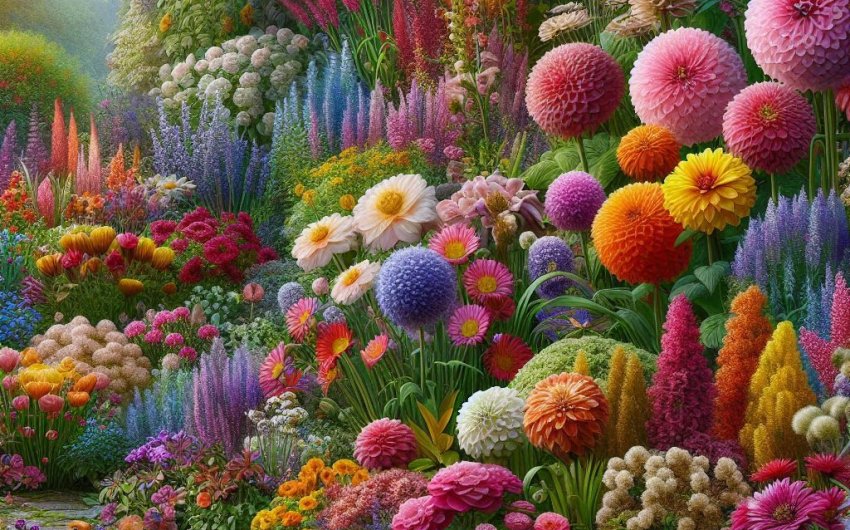
Bringing colorful blooms to your garden is one of the most delightful aspects of gardening. Whether you dream of vibrant annuals cheering up your patio or a perennial border that returns year after year, knowing when to put those plants in the ground is absolutely critical for their success. Planting at the wrong time can lead to weak growth, pest issues, or even a complete loss of your floral investment. The "best time" isn't a single date on the calendar; it's a careful balance of climate, plant type, and preparation. This guide will walk you through the nuances of timing your flower plantings, ensuring your efforts result in a garden bursting with beauty.
Why Does Planting Time Matter So Much?
You might think you can just stick a flower in the ground whenever you feel like it, but gardening is all about timing. For flowers to thrive, they need the right conditions right from the start. Plant too early, and they might freeze; plant too late, and they might not grow strong enough.
The Importance of Temperature
Temperature is probably the biggest factor. Plants are very sensitive to how warm or cold it is, both in the air and in the soil.
Soil Temperature
The ground itself needs to be warm enough for roots to grow. If the soil is too cold, roots won't develop well, and the plant might just sit there, stressed and unable to take up nutrients. This can make it weaker and more likely to get sick or attacked by pests. On the other hand, if the soil is too hot, it can also stress plants, especially those that prefer cooler conditions.
Air Temperature
Air temperature affects the top part of the plant, including leaves and flowers.
- Frost: The biggest danger for many flowers is frost. This happens when temperatures drop to 32°F (0°C) or below, causing water inside plant cells to freeze and burst, killing the plant. Knowing your last average frost date in spring and first average frost date in fall is super important.
- Heat: Some flowers don't like extreme heat. Planting them too late in spring when summer heat is around the corner can make them struggle.
Light Conditions
The amount of sunlight changes throughout the year. Most flowering plants need a certain amount of sun to grow and bloom. Planting at the right time ensures they get enough light without being scorched by intense summer sun when they are just getting established.
Moisture and Water Availability
When you first plant, the flower needs consistent moisture to settle in and grow new roots. Planting when the weather is extremely dry means you'll have to water a lot more, and the plant might still struggle. Planting during very rainy periods can lead to soggy soil, which can cause roots to rot.
Pest and Disease Pressure
A healthy plant planted at the right time is more resistant to pests and diseases. A stressed plant, put in the ground at the wrong time, is an easy target for all sorts of garden problems.
Understanding Your Climate: The Key to Success
Gardening is always local. What works for someone in Florida won't work for someone in Michigan. Knowing your USDA Plant Hardiness Zone and local weather patterns is the foundation for smart planting.
USDA Plant Hardiness Zones
The USDA Plant Hardiness Zone Map divides North America into zones based on the average annual extreme minimum winter temperature. This tells you which plants are likely to survive the winter in your area. For example, if you're in Zone 6, you know certain plants will tolerate your winter lows, while others (like tropical flowers) won't.
- Finding Your Zone: You can easily find your zone by typing in your zip code on the USDA website or by looking up USDA plant hardiness zone map online.
Frost Dates
These are perhaps the most important dates for flower planting.
- Last Average Spring Frost Date: This is the approximate date after which your area is unlikely to experience a hard freeze. For most tender flowers (like annuals), you'll want to plant after this date.
- First Average Fall Frost Date: This is the approximate date when temperatures are likely to drop below freezing in the fall. This is important for harvesting, protecting plants, and knowing when to plant cool-season flowers or bulbs.
These dates are averages, so always keep an eye on the local weather forecast! A late spring frost can happen.
Local Weather Patterns
Beyond just frost dates, consider your local weather.
- Rainfall: Do you have a rainy spring, or is it typically dry?
- Summer Heat: How hot do your summers get, and for how long? Some flowers wilt in extreme heat.
- Wind: Is your garden in a windy spot? New transplants can be stressed by strong winds.
When to Plant by Flower Type
Different types of flowers have different needs when it comes to planting time. They are generally grouped into categories based on their lifespan and temperature tolerance.
1. Annual Flowers
Annual flowers complete their entire life cycle (grow, flower, set seed, and die) within one growing season. They provide a season of continuous color.
Warm-Season Annuals (Tender Annuals)
These flowers love warm weather and cannot tolerate any frost. Examples include Petunias, Marigolds, Zinnias, Impatiens, Begonias, and Vincas.
- When to Plant:
- After all danger of frost has passed in spring. This usually means waiting until 1-2 weeks after your last average spring frost date. The soil should also feel warm to the touch.
- If buying plants from a nursery, look for ones that have been "hardened off." Hardening off means slowly getting plants used to outdoor conditions (sun, wind, cooler temps) over a week or two before planting.
- For seeds, direct sow when the soil has warmed up and temperatures are consistently above 60°F (15°C). You can start some seeds indoors 4-8 weeks before your last frost date to get a head start. Use a seed starting kit for this.
Cool-Season Annuals (Hardy Annuals)
These flowers tolerate cooler temperatures and light frosts, often blooming in spring and early summer before the extreme heat arrives. Examples include Pansies, Violas, Snapdragons, and Calendulas.
- When to Plant:
- Early Spring: As soon as the soil is workable (not frozen solid or soggy) and after the threat of hard freezes has passed. They can often be planted several weeks before your last average frost date.
- Fall: In warmer climates, many cool-season annuals can be planted in the fall for winter and early spring blooms. They establish roots in the fall and then burst into bloom when temperatures rise slightly.
2. Perennial Flowers
Perennial flowers live for more than two years, often returning year after year from the same root system. They are the backbone of many gardens.
Spring-Planted Perennials
Most perennial flowers are best planted in the spring, after the danger of hard frost has passed and the soil has warmed up. This gives them a full growing season to establish strong root systems before winter.
- When to Plant:
- Mid-spring to early summer: Typically from April to early June in many regions. Aim for a time when the weather is mild, not too hot or too cold.
- This includes popular choices like Hostas, Daylilies, Coneflowers, Rudbeckia, and many shrubs and roses.
- If planting bare root perennials, soak them in water for a few hours before planting, then plant as soon as the soil is workable in early spring. You can often find bare root hostas online.
Fall-Planted Perennials
Fall is also an excellent time to plant many perennials, especially in areas with mild winters or very hot summers.
- When to Plant:
- Late summer to early fall: Usually 6-8 weeks before your first average fall frost date. This allows the plant to establish roots in the still-warm soil before freezing temperatures arrive, but without the stress of summer heat.
- Examples include many perennial salvias, phlox, and some ornamental grasses.
- The benefit of fall planting is that plants establish roots over winter and are ready to put on strong top growth in spring.
Avoiding Mid-Summer Planting
It's generally best to avoid planting perennials in the peak of summer heat, especially from containers. The high temperatures and intense sun can stress new plants, making it harder for them to establish. If you must plant in summer, choose a cooler, cloudy day, water diligently, and consider providing temporary shade with a shade cloth.
3. Bulbs
Flower bulbs are unique underground storage organs that contain everything needed for a plant to grow. Their planting time depends heavily on whether they are spring-blooming or summer-blooming.
Spring-Blooming Bulbs
These bulbs bloom in spring and early summer and need a period of cold to flower. Examples include Tulips, Daffodils, Crocuses, Hyacinths, and Grape Hyacinths.
- When to Plant:
- Fall: Plant in the fall, after the first hard frost but before the ground freezes solid. This is typically from September to November in most temperate climates. The cool soil encourages root development, and the cold winter provides the necessary chilling period.
- You can purchase tulip bulbs and daffodil bulbs in late summer or early fall.
Summer-Blooming Bulbs (Tender Bulbs)
These bulbs bloom in summer and often cannot survive freezing winter temperatures. Examples include Dahlias, Gladiolus, Cannas, and Caladiums.
- When to Plant:
- Spring: Plant in the spring, after all danger of frost has passed and the soil has warmed up. This is usually around the same time you'd plant warm-season annuals.
- In cold climates, these bulbs need to be dug up and stored indoors over winter to protect them from freezing. You can find dahlia tubers and gladiolus corms for spring planting.
Specific Planting Methods and Considerations
Beyond the "when," how you plant and what you prepare for can also influence success.
From Seeds (Direct Sowing vs. Starting Indoors)
Direct Sowing
- When: Directly sow seeds outdoors after the soil has reached the ideal temperature for that specific flower (usually listed on the seed packet). This is common for hardy annuals and some perennials.
- Pros: Less work, less transplant shock.
- Cons: Slower to bloom (for annuals), less control over conditions.
Starting Indoors (Transplants)
- When: Start seeds indoors 4-12 weeks before your last average frost date, depending on the flower. This gives them a head start.
- Pros: Earlier blooms, stronger plants to put outdoors, better control over germination conditions.
- Cons: Requires indoor space, special lighting (like grow lights for seedlings), and hardening off.
- Hardening Off: This crucial step involves gradually exposing your indoor-grown seedlings to outdoor conditions (sun, wind, fluctuating temperatures) over 7-14 days before planting them in the ground. Start with an hour or two in a shaded, protected spot, and slowly increase time and exposure to sun. Skipping this step can lead to shock and plant death.
From Potted Plants (Nursery Stock)
- When: These are typically ready to go into the ground when weather conditions are suitable for their type (e.g., warm-season annuals after frost, perennials in spring or fall).
- Considerations:
- Root Bound? Check the roots. If they're circling tightly at the bottom of the pot, gently tease them apart before planting to encourage outward growth.
- Water Well: Water the plant in its pot thoroughly before planting, and then again immediately after planting.
Preparing the Soil
Regardless of when you plant, soil preparation is vital.
- Drainage: Most flowers need well-draining soil. If your soil is heavy clay, amend it with organic matter like garden compost to improve drainage.
- Nutrients: A soil test can tell you what nutrients your soil needs. In general, adding compost provides a good balance of nutrients and improves soil structure.
- Loosen the Soil: Dig your planting hole wider than the plant's root ball to allow roots to spread easily.
Watering After Planting
- Critical First Weeks: New plants, whether from seed or transplant, need consistent moisture during their first few weeks to establish their root systems. Water deeply immediately after planting, and then regularly as needed, ensuring the soil remains moist but not waterlogged. A watering can is perfect for small areas.
Mulching
- When: Apply a layer of mulch around your new plants after they are established (a few weeks after planting).
- Benefits: Mulch helps retain soil moisture, suppress weeds (which compete for water and nutrients), and regulate soil temperature. Use organic mulches like wood chips, shredded leaves, or straw.
Tips for Success, No Matter the Season
Plan Ahead
- Research Your Flowers: Before buying, research the specific needs of each flower: its sun requirements, mature size, and ideal planting time.
- Sketch Your Garden: Plan where each flower will go, considering sun exposure throughout the day.
Use a Soil Thermometer
For specific guidance on soil temperature, especially for seeds and warm-season annuals, a soil thermometer is a great tool.
Be Patient
Gardening requires patience. Don't rush planting just because you're excited. Waiting for the right conditions will pay off with healthier, more abundant blooms.
Observe Your Garden
Pay attention to your garden. Are other gardeners in your area starting to plant? Are the trees leafing out? Are early spring flowers blooming? Nature often gives the best clues about when it's safe to plant.
Don't Be Afraid to Protect
If an unexpected late frost is forecast after you've planted tender annuals, you can protect them by covering them with old sheets, blankets, or row covers overnight. Remove the covers in the morning.
The best time to plant flowers is not a single day, but a window of opportunity dictated by the specific flower type and your local climate. By understanding hardiness zones, frost dates, and the needs of annuals, perennials, and bulbs, you can maximize your chances of success. Careful planning and attention to your garden's unique conditions will lead to a landscape filled with beautiful blooms, making all your efforts truly worthwhile.