
How Do I Create a Low-Maintenance Garden?
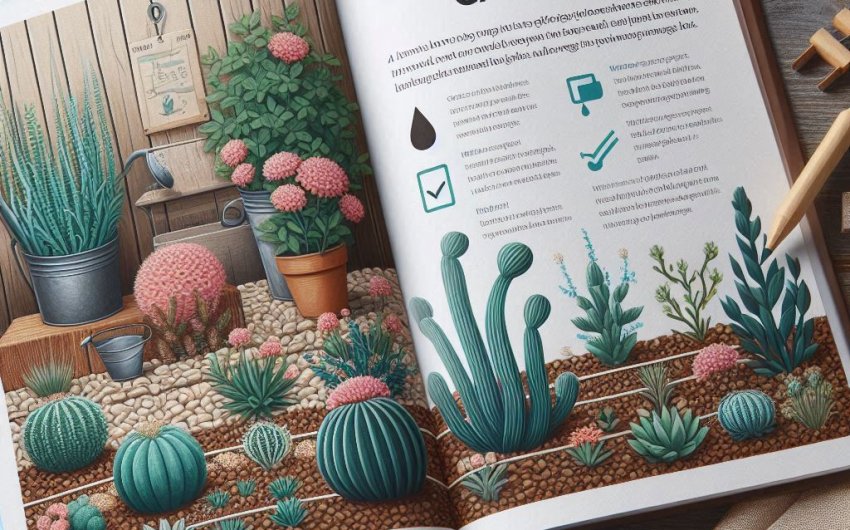
Achieving a beautiful outdoor space doesn't have to demand endless hours of effort; knowing how do I create a low-maintenance garden is about smart design and strategic plant choices. The key lies in minimizing tasks like weeding, watering, and extensive pruning, allowing you more time to relax and enjoy your green haven. By embracing thoughtful planning and incorporating self-sufficient elements, you can cultivate a thriving landscape that practically cares for itself.
Why Should I Aim for a Low-Maintenance Garden?
Designing a garden with minimal upkeep in mind offers a multitude of benefits, making it an increasingly popular approach for many homeowners. Understanding these advantages can inspire you to learn how do I create a low-maintenance garden.
More Time for Enjoyment:
- Less Chores: The most obvious benefit is significantly reducing the hours spent on tedious chores like weeding, watering, pruning, and pest control.
- Relaxation: Instead of working in the garden, you get to relax in and around your garden, truly enjoying its beauty and the peace it offers. This is particularly appealing for busy individuals, seniors, or those with physical limitations.
- Other Hobbies: Free up time for other hobbies, family, or personal pursuits.
Reduced Costs Over Time:
- Less Water: Efficient watering systems (like drip irrigation) and drought-tolerant plants drastically cut down on water bills.
- Fewer Inputs: Lower maintenance often means less need for expensive fertilizers, pesticides, or even replacement plants due to poor choices.
- Tools and Equipment: Fewer specialized tools or equipment might be needed, and existing ones will see less wear and tear.
Environmental Benefits:
- Water Conservation: Using drought-tolerant plants and efficient irrigation methods conserves precious water resources.
- Reduced Chemical Use: A healthy, well-chosen plant palette is often more resistant to pests and diseases, minimizing or eliminating the need for chemical sprays.
- Support for Local Ecosystems: Native plants, often a cornerstone of low-maintenance gardens, provide vital habitat and food sources for local wildlife, pollinators, and beneficial insects.
- Less Fossil Fuel Use: Reduced mowing (if you swap out lawn) and less transportation for garden supplies.
Increased Garden Health and Resilience:
Advertisement- Right Plant, Right Place: By choosing plants suited to your climate and soil, they will naturally thrive, requiring less intervention.
- Stronger Plants: Well-suited plants are less stressed and more resilient to pests, diseases, and environmental fluctuations.
- Improved Soil Health: Techniques like mulching and incorporating compost, common in low-maintenance designs, build healthy soil structure over time, further reducing plant stress.
Sustainable and Adaptable:
- Long-Term Viability: A low-maintenance garden is designed to be sustainable for years, rather than requiring constant overhaul.
- Adapts to Change: The principles of low-maintenance gardening teach you to work with nature, making your garden more adaptable to changing weather patterns or lifestyle shifts.
Attractive and Orderly Appearance:
- Thoughtful Design: Low-maintenance gardens are often very intentional and well-designed, leading to a cohesive and attractive appearance.
- Reduced Mess: Fewer dying plants or rampant weeds mean a tidier, more orderly look with less effort.
Ultimately, aiming for a low-maintenance garden is about creating a symbiotic relationship with your outdoor space – one that gives back beauty and enjoyment without demanding an overwhelming amount of your precious time and resources. It's about designing smart from the ground up to address how do I create a low-maintenance garden.
What Are the Key Design Principles for a Low-Maintenance Garden?
A truly low-maintenance garden starts with smart planning and design, rather than just choosing easy plants. These core principles guide you in creating an efficient and beautiful space.
Right Plant, Right Place:
- Match Plants to Conditions: This is arguably the most important principle. Select plants that are naturally suited to your specific climate zone, soil type (clay, sandy, loamy), sunlight exposure (full sun, part shade, full shade), and moisture levels.
- Research Needs: Before buying a plant, research its mature size, water requirements, and preferred growing conditions. A plant that thrives in its environment will be healthier, more resistant to pests and diseases, and require far less intervention.
- Avoid Fighting Nature: Don't try to grow a sun-loving plant in deep shade, or a water-loving plant in dry, sandy soil. This will lead to constant struggling and maintenance.
Simplify and Reduce Lawn Area:
- High-Maintenance Lawn: Traditional lawns require frequent mowing, fertilizing, watering, and weeding, making them one of the highest maintenance aspects of a garden.
- Reduce Size: Consider reducing the size of your lawn or replacing portions of it with alternative groundcovers, perennial beds, or hardscaping.
- Alternatives: Options include clover lawn seeds, native grasses, permeable pavers, or large planting beds.
Group Plants with Similar Needs (Hydrozoning):
- Efficient Watering: Place plants with similar water, sun, and soil requirements together. This prevents overwatering some plants while underwatering others.
- Example: Create a "dry garden" zone with succulents and drought-tolerant perennials, and a separate zone for plants that prefer more moisture.
- Benefit: Allows for more efficient irrigation and reduces plant stress.
Embrace Hardscaping:
- Reduce Planted Area: Hardscaping elements like patios, decks, pathways (gravel, pavers, flagstone), and retaining walls reduce the amount of planted area that needs tending.
- Low Maintenance Materials: Choose durable, low-maintenance materials that complement your home and require minimal cleaning or repair. Permeable pavers are great for drainage.
- Defined Spaces: Hardscaping helps define garden rooms and provides structure.
Incorporate Mulch Extensively:
- Weed Suppression: A thick layer (2-4 inches) of organic mulch is one of the most effective ways to suppress weeds by blocking sunlight.
- Moisture Retention: Mulch helps the soil retain moisture, reducing the need for frequent watering.
- Soil Health: As organic mulches (wood chips, shredded leaves, straw) break down, they improve soil structure and fertility over time.
- Temperature Moderation: Insulates the soil, keeping it cooler in summer and warmer in winter.
Use Native and Adapted Plants:
- Built-in Resilience: Native plants are naturally adapted to your local climate, soil, and pest conditions, making them inherently low-maintenance. They require less water, fertilizer, and pest control.
- Support Wildlife: They also support local pollinators and wildlife, contributing to biodiversity.
- Adapted Plants: Plants from similar climates around the world can also be good choices if they match your local conditions.
Choose Slow-Growing or Dwarf Varieties:
- Less Pruning: Opt for shrubs and trees that naturally stay within a manageable size. Dwarf conifers or compact shrubs require less frequent pruning.
- Reduce Mess: Fewer fast-growing plants mean less deadheading, trimming, and leaf litter.
Strategic Use of Groundcovers:
- Living Mulch: Groundcovers are low-growing plants that spread to cover bare soil, acting as a living mulch.
- Weed Barrier: They suppress weeds effectively once established and reduce soil erosion.
- Examples: Creeping thyme, sedum, vinca minor, or specific native groundcovers. Choose a fast-spreading groundcover appropriate for your light conditions.
By implementing these design principles from the outset, you lay a strong foundation for how do I create a low-maintenance garden that truly allows you to enjoy your outdoor space without endless chores.
What Are the Best Plant Choices for Low-Maintenance Gardens?
Selecting the right plants is critical for a low-maintenance garden. The goal is to choose species that thrive in your specific climate and conditions with minimal intervention.
Perennials (Return Annually):
Hostas (Hosta species):
- Needs: Shade to part shade, consistently moist soil.
- Why low-maintenance: Extremely tough, long-lived, and come in a vast array of leaf colors, sizes, and textures. Deer can be an issue in some areas.
- Ideal for: Shady beds, borders, or containers. Find Hosta bare root plants.
Daylilies (Hemerocallis species):
- Needs: Full sun to part shade, adaptable to most soils.
- Why low-maintenance: Very hardy, drought-tolerant once established, and produce abundant blooms with minimal care.
- Ideal for: Mass plantings, borders, or slopes.
Sedum (Sedum species, Stonecrop):
- Needs: Full sun, well-draining soil. Tolerates drought once established.
- Why low-maintenance: Succulent leaves store water, making them incredibly drought-tolerant. Attractive foliage and late-season flowers that attract pollinators.
- Ideal for: Rock gardens, borders, or hot, dry spots. Consider Autumn Joy Sedum.
Coneflower (Echinacea purpurea):
- Needs: Full sun, well-draining soil. Drought-tolerant once established.
- Why low-maintenance: North American native, attracts pollinators, and is very resilient to pests and diseases. Long blooming period.
- Ideal for: Pollinator gardens, naturalized areas, or mixed borders.
Salvia (Salvia species):
- Needs: Full sun, well-draining soil. Many varieties are drought-tolerant.
- Why low-maintenance: Wide range of varieties (perennial types), long bloom time, attractive to hummingbirds and butterflies, and generally deer-resistant.
- Ideal for: Sunny borders, xeriscapes, or hot spots. Look for perennial Salvia plants.
Lavender (Lavandula species):
- Needs: Full sun, well-draining soil. Hates wet feet.
- Why low-maintenance: Aromatic, drought-tolerant, deer-resistant, and provides beautiful purple blooms.
- Ideal for: Herb gardens, sunny borders, or near pathways for fragrance.
Yarrow (Achillea millefolium):
- Needs: Full sun, well-draining soil. Tolerates poor soil and drought.
- Why low-maintenance: Extremely tough and resilient, with feathery foliage and flat-topped flower clusters that come in various colors. Attracts beneficial insects.
- Ideal for: Hot, dry areas, meadows, or naturalized gardens.
Shrubs (Woody Plants):
Hydrangeas (Hydrangea species):
- Needs: Part sun to part shade (depending on type), consistent moisture.
- Why low-maintenance: Many varieties are low-care and offer show-stopping blooms. Look for newer, more compact varieties that require less pruning.
- Ideal for: Foundation plantings, mixed borders, or specimen plants. Consider panicle hydrangeas for more sun tolerance.
Spiraea (Spiraea species):
- Needs: Full sun, adaptable to most soils.
- Why low-maintenance: Very hardy, generally pest-free, and offers attractive foliage and often abundant flowers in spring or summer. Many compact varieties exist.
- Ideal for: Borders, hedges, or mass plantings. Look for Dwarf Spiraea shrubs.
Dwarf Conifers:
- Needs: Vary by species (sun, soil), but generally well-drained soil.
- Why low-maintenance: Provide year-round interest with minimal growth, requiring very little to no pruning. Great for structure and texture.
- Ideal for: Rock gardens, containers, or small spaces. Find dwarf conifer plants.
Boxwood (Buxus species):
- Needs: Part sun to full shade, well-drained soil.
- Why low-maintenance: Classic, evergreen, and slow-growing. Can be pruned for formal shapes but also thrives with minimal shaping for a natural look.
- Ideal for: Formal hedges, borders, or knot gardens.
Groundcovers:
Creeping Thyme (Thymus serpyllum):
- Needs: Full sun, well-draining soil. Drought-tolerant.
- Why low-maintenance: Forms a dense, fragrant mat that suppresses weeds and tolerates light foot traffic. Beautiful tiny flowers in spring.
- Ideal for: Between stepping stones, rock gardens, or sunny slopes.
Sedum (Various low-growing species):
- Needs: Full sun, very well-draining soil.
- Why low-maintenance: Many sedum varieties are excellent groundcovers, offering diverse foliage colors and textures. Extremely drought-tolerant.
- Ideal for: Green roofs, rock gardens, or dry, sunny slopes.
Vinca Minor (Periwinkle):
- Needs: Part to full shade, adaptable to most soils.
- Why low-maintenance: A vigorous evergreen groundcover with small, glossy leaves and purple-blue flowers in spring. Very tough and effective at suppressing weeds.
- Caution: Can be invasive in some areas; plant where its spread can be managed.
Ornamental Grasses:
Little Bluestem (Schizachyrium scoparium):
- Needs: Full sun, well-draining soil. Drought-tolerant.
- Why low-maintenance: Native grass with beautiful blue-green foliage that turns rust-orange in fall. Provides excellent winter interest.
- Ideal for: Naturalized areas, meadows, or dry borders. Find Little Bluestem seeds.
Karl Foerster Feather Reed Grass (Calamagrostis x acutiflora 'Karl Foerster'):
- Needs: Full sun to part shade, adaptable to most soils.
- Why low-maintenance: Upright, non-spreading grass with beautiful feathery plumes that emerge in early summer and last through winter. Provides vertical interest.
- Ideal for: Borders, mass plantings, or screening.
When choosing pet-safe houseplants, always verify the plant's mature size to ensure it fits your space without constant pruning, and its specific needs match your garden conditions. This strategic selection is fundamental to answering how do I create a low-maintenance garden.
What Smart Watering Strategies Support a Low-Maintenance Garden?
Watering can be one of the most time-consuming garden tasks. Implementing smart watering strategies is crucial for how do I create a low-maintenance garden and ensuring plants thrive without constant attention.
Install Drip Irrigation or Soaker Hoses:
- How it works: These systems deliver water slowly and directly to the plant's root zone, minimizing evaporation and runoff.
- Benefits:
- Water Efficiency: Saves significantly more water than overhead sprinklers.
- Reduces Disease: Keeps foliage dry, which helps prevent fungal diseases.
- Less Weeding: Water only goes where plants need it, discouraging weeds in pathways or unplanted areas.
- Automate: Can be connected to a programmable timer for truly hands-off watering.
- Ideal for: Vegetable gardens, perennial beds, and hedges. You can find drip irrigation kits or soaker hoses.
Water Deeply and Infrequently:
- Encourage Deep Roots: Instead of light, frequent sprinkles, water long enough for moisture to penetrate several inches into the soil. This encourages plants to develop deep, strong root systems that can better access water during dry periods.
- Check Soil Moisture: Before watering, stick your finger 2-3 inches into the soil. If it feels dry, it's time to water. If it's still damp, wait.
- Why it's low-maintenance: Reduces the frequency of watering sessions, saving you time.
Utilize Mulch Extensively:
- Moisture Retention: A 2-4 inch layer of organic mulch (wood chips, shredded leaves, straw) significantly reduces water evaporation from the soil surface.
- Benefits: Means you'll water less often, and when you do, the water penetrates the soil more effectively. Also helps suppress weeds, a major time-saver.
- Application: Apply mulch to all bare soil around plants.
Group Plants by Water Needs (Hydrozoning):
- Efficient Zones: Design your garden with zones of plants that have similar water requirements. Place drought-tolerant plants together in one area, and moisture-loving plants in another.
- Benefits: Allows you to water each zone appropriately without over- or under-watering neighboring plants. This reduces wasted water and keeps all plants healthy.
Harvest Rainwater:
- Sustainable Source: Collect rainwater from your roof using a rain barrel or a larger rainwater harvesting system.
- Benefits: Provides a free, natural, and chlorine-free water source for your garden. Reduces reliance on municipal water.
- Considerations: Ensure proper setup to prevent mosquito breeding.
Improve Soil Health:
- Organic Matter: Healthy soil, rich in organic matter (like compost), acts like a sponge, holding onto water more effectively.
- Benefits: This reduces runoff and makes water more available to plant roots, lessening your watering frequency.
Water in the Early Morning:
- Minimizes Evaporation: Watering in the cool morning hours allows water to soak into the soil before the sun gets hot and causes rapid evaporation.
- Prevents Disease: Also allows foliage to dry out before nightfall, reducing the risk of fungal diseases.
By combining these smart watering techniques with the right plant choices and thoughtful design, you'll significantly reduce the time and effort spent on irrigation, making your garden truly low-maintenance. This is a critical component for how do I create a low-maintenance garden.
What Other Maintenance Tips Support a Low-Effort Garden?
Beyond design and watering, several ongoing practices contribute to a truly low-effort garden, saving you time and physical exertion throughout the seasons. These tips address the practical aspects of how do I create a low-maintenance garden.
Weed Prevention (Beyond Mulch):
- Landscape Fabric/Weed Barrier (Strategic Use): For pathways or under gravel, a layer of landscape fabric can offer extra weed suppression. However, avoid it in perennial beds, as it can hinder soil health and make planting/dividing difficult.
- Edging: Install physical barriers around beds (e.g., metal edging, plastic borders) to prevent lawn grasses and spreading weeds from creeping into your garden beds.
- Catch Weeds Early: Pull weeds when they are small, ideally after a rain, when the soil is soft. This is much easier than tackling large, established weeds.
- No-Till Approach: Minimizing soil disturbance (tilling) helps keep dormant weed seeds buried, preventing them from germinating.
Smart Pruning:
- Choose Low-Pruning Plants: As discussed, select shrubs and trees that grow to their mature size without needing constant shaping.
- Right Tool, Right Time: Use sharp, clean pruning shears. Prune only when necessary (to remove dead, diseased, or crossing branches), or to maintain natural shape.
- Minimal Deadheading: For flowering plants, choose varieties that are "self-cleaning" (flowers drop off naturally) or those whose spent blooms remain attractive (like ornamental grasses or sedum). Don't feel obligated to deadhead every spent flower unless it's necessary for reblooming.
Embrace No-Dig Gardening (or Minimal Digging):
- Layering Organic Matter: Instead of deep tilling, regularly add layers of organic compost and other organic materials directly on top of your garden beds.
- Benefits: This builds healthy soil structure over time, improves drainage and aeration without disturbing soil biology, and significantly reduces the effort of digging.
- Reduced Compaction: By not stepping on cultivated soil, you prevent compaction.
Container Gardening for High-Maintenance Plants:
- Isolate Problem Plants: If there's a plant you love but it's particularly needy (e.g., requires specific soil, frequent watering, or attracts certain pests), consider growing it in a container.
- Focused Care: This allows you to give that specific plant the specialized care it needs without affecting the rest of your low-maintenance garden. Use self-watering planters for even less fuss.
Attract Beneficial Insects:
- Natural Pest Control: Plant flowers that attract beneficial insects (like ladybugs, lacewings, and hoverflies) which prey on common garden pests.
- Reduce Sprays: This natural pest control system minimizes the need for chemical pesticides, which saves you time and is better for the environment.
- Examples: Dill, fennel, calendula, marigolds, and certain native wildflowers.
Allow for Naturalization and Self-Seeding:
- Embrace Volunteer Plants: For some plants, allowing them to self-seed and naturalize can fill in spaces, provide continuity, and reduce the need for replanting.
- Controlled Spread: Be mindful of truly aggressive self-seeders and remove them if they become problematic, but many can enhance the natural, relaxed feel of a low-maintenance garden.
Choose Durable and Long-Lasting Materials:
- Hardscaping: Select materials for patios, paths, and borders that are robust and won't need frequent repair or replacement.
- Furniture/Structures: Invest in quality outdoor furniture and garden structures that withstand the elements and won't rot, rust, or break down quickly. Look for recycled plastic garden furniture.
By incorporating these additional maintenance tips, you can further refine your garden to demand less of your time and energy, truly mastering how do I create a low-maintenance garden that brings joy, not chores.