
Beginner's Bounty: Discover the Best Vegetables for Novice Gardeners!
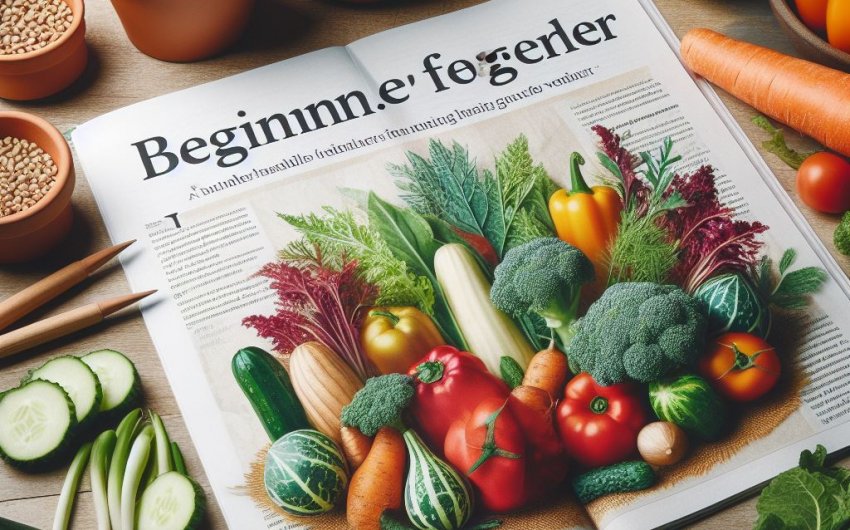
Stepping into the world of growing your own food is an incredibly rewarding adventure. There's a unique satisfaction that comes from harvesting fresh, delicious vegetables right from your backyard, knowing exactly where they came from and how they were grown. For many, the idea of a vibrant vegetable garden is exciting, but the sheer variety of plants, the jargon, and the fear of failure can feel a bit overwhelming. Where do you even begin?
The good news is that you don't need a green thumb or years of experience to enjoy a bountiful harvest. The key to a successful start is choosing the right plants—those resilient, forgiving varieties that are eager to grow and provide a generous yield even for novice hands. This guide is your roadmap to the perfect gardening debut, unveiling the best vegetables for novice gardeners. We'll focus on plants that are easy to start from seed, forgiving of minor mistakes, quick to produce, and offer a truly rewarding experience, ensuring your first foray into gardening is a resounding success, a true beginner's bounty.
What Makes a Vegetable "Easy" for Beginners?
When we talk about the best vegetables for novice gardeners, we're not just picking random plants. We're looking for specific qualities that increase the likelihood of success and minimize common frustrations. These "easy" vegetables are resilient, forgiving, and generally eager to grow.
How Forgiving Are They of Mistakes?
Beginners are bound to make mistakes – forgetting to water, overwatering, not enough sun, too much sun, planting at the wrong time. An easy vegetable is one that can bounce back from a little neglect or a slight misstep.
- Tolerance to Under/Overwatering: While all plants need water, easy vegetables can handle brief periods of drought without immediately wilting and dying, and they won't rot at the first sign of slightly too much water. They are less prone to catastrophic failure from minor watering errors.
- Adaptability to Soil: They can produce a decent harvest even in less-than-perfect soil. While good soil is always best, easy veggies aren't as picky about perfect pH or nutrient levels.
- Pest and Disease Resistance: They are naturally more resistant to common garden pests and diseases, meaning you won't have to battle major infestations or fungal outbreaks right away. This significantly reduces the complexity of care.
A forgiving plant allows you to learn and adjust without the constant fear of losing your entire crop.
How Easy Are They to Start from Seed or Transplant?
Getting plants started is a critical first hurdle. Easy vegetables simplify this process.
- Direct Sowing: Many beginner-friendly vegetables can be directly sown into the garden bed as seeds. This means you don't need special indoor lighting setups, seed starting mixes, or the fuss of transplanting delicate seedlings. You simply plant the seed where you want the plant to grow.
- Reliable Germination: Their seeds reliably sprout, even for first-timers.
- Easy to Transplant (if needed): If transplants are recommended, they are robust seedlings that handle the move from a small pot to the garden bed without significant shock or wilting. This means you can buy starter plants from a nursery with confidence.
Plants that are easy to get going reduce the initial barrier to entry and boost confidence.
How Quickly Do They Mature and Yield?
Few things are as motivating in gardening as seeing results quickly. Easy vegetables deliver this instant gratification.
- Fast Growth: They have a relatively short time from planting to harvest, often just a few weeks to a couple of months. This means you don't have to wait an entire season to enjoy your bounty.
- Continuous Harvest (for some): Many beginner-friendly vegetables produce continuously over a period, rather than a single, one-time harvest. This provides ongoing rewards and more opportunities to enjoy your homegrown food.
- Good Yields: They are reliable producers, giving you a satisfying amount of food for the effort you put in. A good yield prevents discouragement and encourages you to keep gardening.
Quick and rewarding yields keep motivation high and make the gardening experience fun from the start.
What are the Top Easy-to-Grow Vegetables?
Now for the main event! Here are some of the absolute best vegetables for novice gardeners, chosen for their hardiness, straightforward care, and generous harvests.
Why Are Leafy Greens So Beginner-Friendly?
Leafy greens are fantastic for beginners because they grow quickly, produce continuously, and don't take up much space.
Lettuce
Lettuce is a superstar for new gardeners. It's fast-growing, comes in many varieties, and you can harvest leaves as you need them.
- Why it's easy:
- Quick from seed: Many varieties mature in just 30-60 days.
- Cut-and-come-again: Harvest outer leaves, and the plant will continue to produce more.
- Good for containers: Can be grown in pots, window boxes, or garden beds.
- Few pest problems: Generally pretty robust.
- Tips: Plant in cool weather (spring and fall). Provide consistent moisture. Protect from hot afternoon sun in summer to prevent bolting (going to seed).
- Recommended varieties: Romaine, Butterhead, loose-leaf varieties like 'Black Seeded Simpson' or 'Salad Bowl'.
- Find seeds: A loose-leaf lettuce seed mix can offer variety.
Spinach
Similar to lettuce, spinach is a cool-season leafy green that grows quickly and is packed with nutrients.
- Why it's easy:
- Fast growth: Often ready in 40-50 days.
- Harvesting: Pick individual leaves or harvest the whole plant.
- Container-friendly: Great for small spaces.
- Tips: Prefers cooler temperatures. Plant in early spring or fall. Ensure consistent moisture.
- Recommended varieties: 'Bloomsdale Long Standing', 'Tyee'.
- Find seeds: Spinach seeds are widely available.
Swiss Chard
Swiss chard is a beautiful and productive leafy green that tolerates a wider range of temperatures than lettuce or spinach.
- Why it's easy:
- Tolerant: Handles both cooler and warmer weather better than other greens.
- Long harvest period: Continues producing leaves throughout the season.
- Visually appealing: Varieties like 'Bright Lights' have colorful stems, making them ornamental as well as edible.
- Cut-and-come-again: Harvest outer leaves for continuous supply.
- Tips: Plant in spring after the last frost. Needs consistent moisture.
- Recommended varieties: 'Bright Lights', 'Fordhook Giant'.
- Find seeds: Swiss chard seeds come in many vibrant colors.
Why Are Root Vegetables Good for Starters?
Root vegetables are satisfying because they grow unseen, then reveal their bounty when harvested. They generally require loose soil but are otherwise low-fuss.
Radishes
Radishes are the speed demons of the garden, offering almost instant gratification.
- Why it's easy:
- Super fast: Some varieties are ready in as little as 3 weeks!
- Direct sow: Easy to plant from seed directly into the garden.
- Great for kids: The quick turnaround is exciting.
- Tips: Plant in cool weather (early spring or fall). Ensure consistent moisture to avoid bitterness. Plant small batches every week or two for a continuous harvest. Requires loose, well-draining soil.
- Recommended varieties: 'Cherry Belle', 'French Breakfast'.
- Find seeds: Radish seeds are inexpensive and easy to find.
Carrots
While a bit slower than radishes, carrots are incredibly rewarding to pull from the ground.
- Why it's easy:
- Direct sow: Plant seeds directly into the garden.
- Few pest problems: Generally resilient once established.
- Long harvest window: Can be harvested when small "baby carrots" or left to grow larger.
- Tips: Requires loose, stone-free soil for straight roots. Keep consistently moist for germination and even growth. Thin seedlings properly.
- Recommended varieties: 'Danvers 126', 'Nantes', 'Little Finger' (for containers).
- Find seeds: Look for carrot seeds for beginners.
What Vining Vegetables are Easy?
Even vining plants can be beginner-friendly if you choose the right ones and provide simple support.
Bush Beans
Bush beans are champions of productivity and relatively low maintenance.
- Why it's easy:
- High yield: Produce a lot of beans in a small space.
- Nitrogen fixers: As legumes, they actually add nitrogen to your soil, benefiting other plants.
- Direct sow: Easy to plant from seed directly.
- Few problems: Generally sturdy and pest-resistant.
- Tips: Plant after all danger of frost has passed. Prefers full sun. Keep well-watered when flowering and forming pods. Harvest frequently to encourage more production.
- Recommended varieties: 'Contender', 'Provider', 'Blue Lake Bush'.
- Find seeds: A packet of bush bean seeds can kickstart your harvest.
Cucumbers (Bush Varieties)
While vining cucumbers can be a bit unruly, bush varieties are compact and productive, perfect for beginners or containers.
- Why it's easy:
- Fast growth: Produce fruit quickly in warm weather.
- High yield: A few plants can give you plenty of cucumbers.
- Less space: Bush types don't sprawl as much.
- Tips: Plant after all danger of frost is gone and soil is warm. Needs full sun and consistent water. Provide a small cage or trellis even for bush varieties to keep fruit off the ground and improve airflow.
- Recommended varieties: 'Bush Crop', 'Spacemaster'.
- Find seeds: Look for bush cucumber seeds.
What Fruits are Beginner-Friendly?
You can grow delicious fruits without being an expert, especially if you stick to reliable choices.
Cherry Tomatoes
While larger tomatoes can be a bit more challenging, cherry tomatoes are incredibly forgiving and prolific.
- Why it's easy:
- Very productive: You'll get tons of small, sweet tomatoes.
- Tolerant: More forgiving of inconsistent watering or slight stress than large tomatoes.
- Container-friendly: Many varieties thrive in large pots.
- Kids love them: Easy to pick and eat right off the vine.
- Tips: Plant a starter plant (transplant) after all danger of frost. Needs full sun (6-8 hours). Provide a tomato cage or stake for support as they grow. Water consistently.
- Recommended varieties: 'Sweet 100', 'Sungold', 'Cherry Falls' (for hanging baskets).
- Find starter plants: You can buy cherry tomato plants at local nurseries.
Strawberries (Ever-bearing)
Ever-bearing strawberries produce fruit throughout the season, rather than just one big flush, making them very rewarding for beginners.
- Why it's easy:
- Low maintenance: Once established, they're relatively hands-off.
- Container-friendly: Great for hanging baskets or strawberry pots.
- Sweet reward: Delicious, fresh berries from your own garden.
- Tips: Plant in spring. Needs full sun. Keep well-watered. Remove runners (new plants) in the first year to encourage stronger fruit production.
- Recommended varieties: 'Ozark Beauty', 'Seascape'.
- Find plants: Buy ever-bearing strawberry plants as bare roots or small plants.
What Other Easy Vegetables Can I Try?
Some other great choices for beginners that are reliable and productive.
Zucchini (Bush Varieties)
Zucchini is famous for its prolific output, and bush varieties are easier to manage in a small garden.
- Why it's easy:
- Extremely productive: You'll likely have more zucchini than you know what to do with!
- Fast growing: Produces squash quickly in warm weather.
- Hardy: Generally robust plants.
- Tips: Plant seeds or transplants after frost. Needs full sun and consistent water. Harvest small and often to encourage more production.
- Recommended varieties: 'Bush Champion', 'Raven'.
- Find seeds: Zucchini seeds are common.
Peas (Shelling or Snap)
Peas are a cool-season crop that offer sweet rewards straight from the pod.
- Why it's easy:
- Quick harvest: Many varieties are ready in 60-70 days.
- Direct sow: Easy to plant from seed.
- Delicious: Unbeatable fresh flavor.
- Tips: Plant early in spring as soon as the soil can be worked. Needs full sun. Provide a simple trellis or netting for them to climb.
- Recommended varieties: 'Sugar Snap' (edible pods), 'Green Arrow' (shelling).
- Find seeds: Look for pea seeds.
What are Basic Steps for Beginner Gardeners?
Even with easy-to-grow vegetables, a few basic steps will set you up for success and make your first gardening experience enjoyable. Don't overcomplicate it!
How Do I Choose a Good Garden Spot?
The right location is half the battle for a thriving garden.
- Sunlight is Key: Most vegetables need at least 6-8 hours of direct sunlight per day to grow well and produce fruit. This is often the most limiting factor. Observe your yard throughout the day to find the sunniest spot.
- Proximity to Water: Choose a spot that's easily accessible for watering, whether it's near a hose or a rain barrel.
- Good Drainage: Avoid low-lying areas where water collects after rain. Vegetables hate "wet feet."
- Level Ground: A relatively level spot is easier to work with than a sloped one.
If you don't have enough sun in your yard, consider container gardening where you can move plants, or focus on shade-tolerant greens.
How Do I Prepare My Garden Soil?
Good garden soil is the foundation for healthy plants. You don't need perfect soil to start, but improving it will pay off.
- Start with a Soil Test: This is the best way to know what your soil needs. A simple soil test kit can tell you your soil's pH and nutrient levels.
- Add Organic Matter: This is the single most important step for improving almost any soil. Organic matter (like compost, well-rotted manure, or leaf mold) improves drainage in clay soil, helps sandy soil retain water, and provides nutrients. Work in a 2-4 inch layer of finished compost into the top 6-12 inches of your garden bed.
- Loosen Compacted Soil: If your soil is hard and compacted, gently loosen it with a garden fork before adding organic matter. Avoid stepping on prepared beds to prevent re-compaction.
How Do I Know When to Plant?
Knowing the right time to plant is crucial for success, as different vegetables have different temperature needs.
- Last Frost Date: Find out your area's average last frost date. This is the date after which there's a very low chance of freezing temperatures. This date dictates when you can plant tender warm-season vegetables like beans, cucumbers, and tomatoes.
- Cool vs. Warm Season:
- Cool-season vegetables (lettuce, spinach, radish, peas) can be planted in early spring, a few weeks before the last frost, or in the fall for a second harvest. They prefer cooler temperatures and can bolt (go to seed) in hot weather.
- Warm-season vegetables (beans, cucumbers, tomatoes, zucchini) must be planted after all danger of frost has passed and the soil has warmed up. They love heat.
- Check Seed Packets/Plant Tags: Every seed packet and plant tag will provide specific planting instructions, including timing, spacing, and depth. This is your gardening Bible!
How Do I Water My Vegetable Garden?
Consistent and proper watering is essential, especially for young plants and during dry spells.
- Consistency is Key: Aim for consistent moisture. Avoid letting the soil swing from bone dry to soaking wet, as this stresses plants.
- Deep Watering: Water deeply and less frequently rather than shallowly and often. Deep watering encourages roots to grow deeper, making plants more resilient to drought.
- When to Water: Check the soil moisture daily. Stick your finger 1-2 inches deep; if it feels dry, it's time to water. Water in the early morning to allow foliage to dry before night, which helps prevent fungal diseases.
- Target the Roots: Water the base of the plants, not the leaves, to reduce disease risk. A soaker hose or drip irrigation is very efficient.
What Are Easy Ways to Start Seeds?
Starting your own vegetables from seed is incredibly rewarding and often cheaper than buying transplants. For beginners, choosing the right method is important.
Direct Sowing Seeds Outdoors
Many of the beginner-friendly vegetables are perfect for direct sowing right into your garden beds.
- What it means: You plant the seeds directly into the prepared garden soil where the plant will grow to maturity.
- Advantages: Less fuss than indoor seed starting (no special equipment, no transplant shock). Very easy for roots and greens.
- How to do it:
- Prepare your garden bed (loose, rich soil).
- Read the seed packet for planting depth and spacing.
- Create a furrow (small trench) or individual holes to the recommended depth.
- Place seeds at the recommended spacing (you may need to thin later).
- Cover with soil and gently pat down.
- Water immediately and gently to settle the soil and start germination. Keep the soil consistently moist until seedlings emerge. A watering can with a rain head helps avoid washing away tiny seeds.
- Good for: Radishes, carrots, bush beans, spinach, lettuce, peas, zucchini.
Starting Seeds Indoors with Basic Setup
For some vegetables (like tomatoes), or if you want an early start on cool-season crops, you might start seeds indoors. Keep it simple for beginners.
- What you need:
- Seed Starting Mix: A sterile, lightweight mix designed for seeds. Do not use garden soil. You can buy seed starting mix.
- Seed Trays or Small Pots: Trays with individual cells work well.
- Light: This is crucial! Seeds need light to grow into strong seedlings. A sunny south-facing window might work, but seedlings can get leggy without enough light. The best option for strong seedlings is a simple LED grow light hung close above the seedlings (2-4 inches).
- Warmth: A heat mat can speed up germination for warm-season plants.
- How to do it:
- Fill trays with moist seed starting mix.
- Plant seeds at recommended depth and spacing.
- Gently water.
- Place under a grow light (on for 12-16 hours/day) or in your sunniest window. Keep soil consistently moist.
- Once seedlings emerge, ensure they get plenty of light to prevent legginess.
- Hardening Off: Before planting indoor-started seedlings outdoors, you must harden them off. This means gradually introducing them to outdoor conditions (sun, wind, temperature fluctuations) over 7-10 days. Start with an hour or two in a shaded outdoor spot, gradually increasing time and sun exposure each day. This prevents transplant shock.
Starting seeds indoors expands your options and can give you a head start, but remember the light is paramount for healthy seedlings.
How Do I Maintain My Beginner Garden?
Once your plants are in the ground and growing, basic maintenance will keep them healthy and productive. These simple tasks prevent problems before they get out of hand.
What is Proper Watering?
As discussed earlier, consistent watering is crucial. Watch your plants, feel the soil, and water deeply when needed. Avoid overhead watering to reduce disease risk. A good garden hose with a sprayer nozzle is invaluable.
How Can Mulch Help My Garden?
Applying a layer of mulch is one of the best things you can do for your garden, especially for beginners.
- What it is: A layer of organic material (like straw, shredded leaves, wood chips, or grass clippings) placed on the soil surface around your plants.
- Benefits:
- Weed Suppression: Blocks sunlight, making it harder for weeds to grow. This means less weeding for you!
- Moisture Retention: Reduces water evaporation from the soil, so you water less often.
- Soil Temperature Regulation: Keeps soil cooler in summer and warmer in cooler periods.
- Nutrient Contribution: As organic mulch breaks down, it slowly adds organic matter and nutrients to the soil.
- Application: Apply a 2-4 inch layer of garden straw mulch or shredded leaves around your plants once they are established. Keep it a few inches away from plant stems to prevent rot.
How Do I Deal with Weeds?
Weeds compete with your vegetables for water, nutrients, and sunlight. Managing them is important.
- Mulch: As above, mulch is your best friend for weed suppression.
- Hand-Pulling: The easiest and most effective method for a small garden. Pull weeds when they are small and the soil is moist. Grab them by the base to get the root.
- Hoeing: For larger areas, a garden hoe can quickly cut weeds off at the soil line.
- Weed Early, Weed Often: Don't let weeds get established. A few minutes of weeding regularly is much easier than tackling an overgrown bed.
When and How Do I Harvest?
Harvesting at the right time is crucial for flavor and continued production.
- Read the Seed Packet: The packet will tell you the "days to maturity" and the optimal size/stage for harvesting.
- Harvest Often: For many vegetables (lettuce, spinach, beans, zucchini, cherry tomatoes), harvesting regularly encourages the plant to produce more. Don't let produce get over-ripe on the plant.
- Use Sharp Tools: Use clean, sharp kitchen scissors or pruning snips to harvest. Don't tear or yank at the plant.
Gardening is a journey of learning and discovery. By starting with these easy-to-grow vegetables and implementing basic care, you'll be well on your way to enjoying your very own beginner's bounty and falling in love with the satisfaction of growing food.