
Pick the Best: How to Choose Vegetables to Plant for Your Garden!
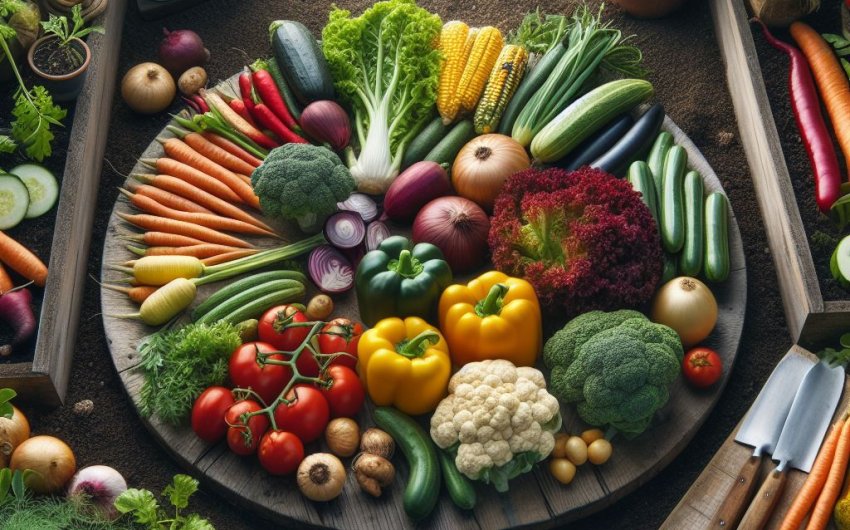
Starting a vegetable patch, whether it's your first time or you're a seasoned green thumb, always begins with an exciting question: which plants should I grow? Deciding which vegetables to plant for your garden is a critical first step that impacts everything from your success rate to your harvest bounty. It's more than just picking your favorite foods; it involves considering your climate, available space, personal preferences, and how much effort you're willing to put in. This guide will walk you through the process of selecting the perfect edible plants to ensure a rewarding and delicious gardening season.
Why Does Choosing the Right Vegetables Matter So Much?
The decisions you make at the very beginning about which vegetables to plant for your garden can determine whether your gardening experience is one of joyful abundance or frustrating disappointment. It's not just about what you like to eat; it's about matching your desires with the realities of your growing environment and your own commitment. A thoughtful selection process sets the stage for a thriving garden.
What Happens if You Pick the Wrong Vegetables?
Picking unsuitable vegetables to plant can lead to a host of problems that might discourage even the most enthusiastic beginner.
- Poor Yields: If a vegetable isn't suited to your climate (e.g., trying to grow heat-loving tomatoes in a short, cool summer), it might produce very few fruits, or none at all. This means less food for your efforts.
- Disease and Pest Problems: Plants that are stressed by unsuitable conditions (like too little sun or the wrong temperature) are more vulnerable to diseases and insect infestations. This can quickly spread to other plants in your garden, causing widespread issues.
- Wasted Effort and Resources: You'll spend time, water, soil, and money on plants that ultimately don't perform well. This can be disheartening and make gardening feel like a chore rather than a joy.
- Overwhelm: Choosing too many different types of plants, or varieties that require complex care, can quickly become overwhelming, especially for new gardeners.
- Flavorless Harvest: Even if a plant survives, if it's not happy in its environment, the fruits or vegetables it does produce might lack the delicious flavor and texture you'd expect from homegrown produce.
How Can the Right Choices Lead to Gardening Success?
On the flip side, making informed choices about which vegetables to plant drastically increases your chances of a bountiful and enjoyable harvest.
- Abundant Harvests: When plants are well-suited to their environment, they thrive, producing more fruits and vegetables, often of higher quality and better taste.
- Resilience: Happy, healthy plants are naturally more resistant to common pests and diseases, reducing the need for interventions like pesticides.
- Reduced Effort: When plants are in their ideal growing conditions, they generally require less intensive care, making gardening more relaxing and less about constant troubleshooting.
- Sustainable Practices: Successful gardening means less waste of resources and a greater connection to where your food comes from.
- Learning and Confidence: A successful gardening experience builds confidence and encourages you to continue learning and expanding your skills, making future gardening endeavors even more rewarding.
The process of selecting vegetables to plant for your garden is therefore an act of setting yourself up for success.
What Are the Key Factors to Consider Before Planting?
Before you even think about specific vegetables to plant, it's crucial to evaluate your garden's environment and your own gardening style. These fundamental factors will narrow down your options and guide you towards plants that have the best chance of thriving in your unique space.
What is Your USDA Hardiness Zone and Climate?
Your USDA Hardiness Zone (for perennials) and, more importantly for annual vegetables, your local climate are perhaps the most critical factors. This dictates your growing season – the period between the last spring frost and the first fall frost.
- Know Your Zone: Look up your specific USDA Hardiness Zone. While primarily for perennials, knowing your zone gives you a general idea of your winter lows.
- Understand Your Climate:
- Length of Growing Season: How many frost-free days do you have? Short-season climates will struggle with long-season crops like some pumpkins or certain tomato varieties.
- Summer Heat: Do you have consistently hot summers, or are they mild? Some vegetables, like lettuce and spinach, "bolt" (go to seed and become bitter) in intense heat, while others, like tomatoes and peppers, need sustained warmth to ripen.
- Winter Mildness: Can you grow cool-season crops through winter? In mild climates, you might have a second growing season.
- Frost Dates: Find out your average last spring frost date and first fall frost date. These dates define your growing window and help you know when it's safe to plant tender vegetables outdoors. Many seed packets will indicate "days to maturity," which helps you figure out if a plant will finish its cycle within your frost-free window.
Choosing vegetables to plant that are well-suited to your climate zone is the number one rule for success. Look for varieties described as "early maturing" for short seasons or "heat-tolerant" for hot summers.
How Much Sunlight Does Your Garden Get?
Sunlight is food for plants, and most vegetables to plant need a lot of it. Different vegetables have different sun requirements.
- Full Sun: Most fruiting vegetables, such as tomatoes, peppers, eggplant, squash, corn, and beans, need at least 6-8 hours of direct sunlight per day to produce well. If your garden gets less than 6 hours, these might struggle.
- Partial Sun/Partial Shade: This means 4-6 hours of direct sun, often in the morning or late afternoon. Leafy greens (lettuce, spinach, kale), root vegetables (carrots, radishes, beets), and some herbs can tolerate or even prefer partial sun, especially in hot climates where afternoon sun can scorch them.
- Shade: Less than 4 hours of direct sun. Very few vegetables thrive in full shade. Some leafy greens or herbs might tolerate it, but yields will be significantly reduced.
Observe your garden throughout the day to map out how much sun each area receives. This sun mapping will help you decide where to place your sun-loving versus shade-tolerant vegetables to plant.
How Much Space Do You Have?
The physical size of your garden dictates how many and what types of vegetables to plant.
- Compact Spaces (Pots, Balconies, Small Raised Beds):
- Bush Varieties: Look for "bush" varieties of beans, cucumbers, or squash that grow more compactly than vining types.
- Dwarf Varieties: Many vegetables now have dwarf or patio versions suitable for containers, like patio tomato seeds.
- Vertical Growing: Utilize vertical space with trellises for climbing plants (peas, vining beans, small cucumbers) or hanging baskets (strawberries, cherry tomatoes). A garden trellis can significantly increase usable space.
- Root Vegetables: Carrots, radishes, and beets can be grown in relatively shallow containers.
- Leafy Greens: Lettuce, spinach, and herbs are excellent for small spaces and continuous harvesting.
- Large Spaces (In-Ground Beds, Large Raised Beds):
- You have more freedom to grow sprawling plants like pumpkins, watermelons, or corn, which require a lot of room.
- You can also grow larger quantities of common vegetables for canning or freezing.
Don't overestimate your available space. Overcrowding plants leads to poor air circulation, increased disease risk, and reduced yields.
What is Your Gardening Skill Level and Time Commitment?
Be realistic about how much time and experience you have for your gardening project. Some vegetables to plant are more beginner-friendly than others.
- Beginner-Friendly (Low Maintenance):
- Lettuce and Leafy Greens: Quick growing, easy to harvest, generally low pest issues.
- Radishes: Very fast growing, rewarding for impatient gardeners.
- Bush Beans: Relatively easy, good yield.
- Zucchini/Summer Squash: Very prolific (sometimes too prolific!).
- Herbs: Many are very forgiving.
- Intermediate (Moderate Maintenance):
- Tomatoes: Require staking or caging, can have disease issues, but very rewarding.
- Peppers: Similar to tomatoes, need consistent warmth.
- Cucumbers: Can be vining or bush, often need trellising.
- Carrots/Beets: Need good soil preparation, thinning.
- Advanced (Higher Maintenance/Specific Needs):
- Corn: Requires specific planting arrangements for pollination, can be heavy feeders.
- Broccoli/Cauliflower: Can be finicky, prone to pests, need consistent conditions.
- Winter Squash/Pumpkins: Very sprawling, long growing season, pest issues.
Start with a few easy wins to build your confidence, then gradually expand to more challenging vegetables to plant as your skills grow.
Which Vegetables Should You Plant Based on Your Preferences?
Once you've assessed your garden's environment, it's time for the fun part: deciding what you actually want to eat! Your personal preferences, dietary habits, and cooking style should heavily influence which vegetables to plant for your garden.
What Do You Love to Eat?
This might seem obvious, but it's often overlooked in the excitement of seed catalogs.
- Prioritize Favorites: Make a list of the vegetables your family genuinely enjoys eating. There's no point growing something just because it's easy if you won't use it! If you love salads, focus on various types of lettuce, spinach, and kale. If pasta is a staple, concentrate on tomatoes and herbs.
- Consider What's Expensive to Buy: Some vegetables are significantly more expensive at the grocery store when organic or fresh. Growing your own can save money. Think about things like fresh herbs, specialty lettuces, heirloom tomatoes, or raspberries.
- Beyond the Basics: Don't be afraid to try one or two more unusual varieties that intrigue you. Maybe a purple carrot, striped tomato, or Romanesco broccoli. These can add excitement to your harvest. A pack of heirloom vegetable seeds can offer unique options.
Focus on quality over quantity initially. A few truly successful crops of things you love are more rewarding than a large garden of neglected plants.
Do You Want to Grow From Seed or Seedling?
Your preference here impacts timing, cost, and the variety of vegetables to plant.
- Growing from Seed:
- Pros: Much wider variety of options (especially heirlooms and unusual types), more cost-effective per plant, very rewarding.
- Cons: Requires starting indoors 6-8 weeks before last frost for many vegetables (tomatoes, peppers, eggplants), needs special equipment (grow lights, heat mats, seed starting mix), longer wait time for harvest. Not all seeds are easy to germinate.
- Good for Seeds: Carrots, radishes, beans, peas, lettuce, spinach, corn (direct sow these outdoors).
- Requires Seed Starting Indoors: Tomatoes, peppers, eggplant, broccoli, cauliflower, cabbage, onions (for bulbs). You might need a seed starting kit with grow lights.
- Growing from Seedlings (Transplants):
- Pros: Easier for beginners, bypasses the tricky seed-starting phase, quicker to harvest, higher success rate for warmth-loving plants, immediately fills garden space.
- Cons: Limited variety available at local nurseries, more expensive per plant.
- Good for Seedlings: Tomatoes, peppers, eggplant, cucumbers, squash, cabbage family plants.
For your first garden, a mix of easy-to-direct-sow seeds and store-bought seedlings for your favorite warmth-loving plants is a great strategy.
Are You Interested in Succession Planting or Continuous Harvests?
Think about how you want to harvest. Do you want one big harvest, or smaller, continuous yields?
- Succession Planting: This involves planting small batches of quick-growing vegetables to plant every few weeks. This prevents a huge glut of one crop all at once and ensures a steady supply.
- Good for: Lettuce, radishes, spinach, bush beans, cilantro. You can plant a new row every 2-3 weeks during their growing season.
- "Cut-and-Come-Again" Varieties: These are plants where you harvest just the outer leaves, allowing the inner leaves to continue growing.
- Good for: Many types of lettuce (loose leaf), spinach, kale, Swiss chard, basil. This ensures a longer harvest period from a single plant.
- Single Harvest Crops: Some plants produce all their yield at once.
- Examples: Onions, carrots, potatoes (once dug up), corn.
Planning for continuous harvests or succession planting means you get fresh produce throughout the season, rather than just one big flush that you might struggle to use.
Do You Plan to Preserve Your Harvest?
If you dream of canning sauces, freezing pesto, or pickling cucumbers, this will impact the quantities of vegetables to plant.
- For Preserving: You'll need to plant much larger quantities of specific crops to make it worthwhile.
- Tomatoes: Many gardeners dedicate large sections to paste tomatoes for sauces and canning.
- Cucumbers: For pickles, you'll need a steady supply of pickling varieties.
- Beans/Peas: For freezing or canning.
- Just for Fresh Eating: You can plant smaller numbers of plants, focusing on varieties that are best eaten fresh.
Preserving is a commitment, so only choose to grow for preservation if you're prepared for the extra work after harvesting.
What Are Some Excellent Vegetables for Beginners?
If you're new to gardening, starting with easy-to-grow, high-yield vegetables to plant can build confidence and ensure a rewarding first season. These plants are generally forgiving, have fewer pest or disease issues, and produce a good harvest with basic care.
Easy-to-Grow Leafy Greens
Leafy greens are fast, satisfying, and perfect for fresh salads. Many are "cut-and-come-again," offering continuous harvests.
- Lettuce (Loose Leaf Varieties):
- Why they're great: Grow quickly, tolerant of some shade, excellent for succession planting. Simply snip outer leaves as needed.
- Planting: Direct sow seeds every 2-3 weeks for a continuous supply.
- Care: Keep soil moist. Avoid direct scorching afternoon sun in hot climates.
- Try: 'Black Seeded Simpson' or 'Buttercrunch' for classic flavors, or a mixed lettuce seed packet for variety.
- Spinach:
- Why they're great: Fast-growing, cold-tolerant, excellent for spring and fall.
- Planting: Direct sow. Does well in partial shade during warmer months.
- Care: Keep well-watered. Tends to bolt in hot weather, so harvest quickly.
- Radishes:
- Why they're great: Super fast (can harvest in 3-4 weeks!), very rewarding for impatient gardeners.
- Planting: Direct sow seeds every 1-2 weeks.
- Care: Keep consistently moist to prevent bitterness.
- Try: 'Cherry Belle' or 'French Breakfast'. A bag of radish seeds can yield many harvests.
- Kale/Swiss Chard:
- Why they're great: Very hardy, tolerant of cold and some heat, "cut-and-come-again," long harvest season. Highly nutritious.
- Planting: Can be started from seed or seedling.
- Care: Fairly low maintenance.
Reliable Podded and Fruiting Vegetables
These offer classic garden flavors and are relatively straightforward to grow.
- Bush Beans:
- Why they're great: Grow compactly (no trellis needed for bush varieties), prolific, generally pest-resistant, fix nitrogen in the soil (good for future crops).
- Planting: Direct sow seeds after all danger of frost.
- Care: Keep consistently watered, especially when flowering and forming pods.
- Try: 'Provider' green beans or 'Contender' bush beans. A bag of bush bean seeds is a quick path to success.
- Cherry Tomatoes:
- Why they're great: More forgiving than larger tomatoes, often more disease-resistant, very prolific, and perfect for snacking.
- Planting: Start from seedlings after frost danger has passed. Needs full sun.
- Care: Requires staking or caging, consistent watering, and regular harvesting.
- Try: 'Sweet 100' or 'Sungold'. A tomato cage is essential for support.
- Zucchini/Summer Squash:
- Why they're great: Exceptionally prolific – you'll likely have more than you know what to do with! Relatively easy to grow.
- Planting: Direct sow seeds or plant seedlings after all danger of frost. Needs full sun and plenty of space.
- Care: Consistent watering. Watch out for squash bugs and powdery mildew.
- Try: 'Black Beauty' or 'Eight Ball'.
- Cucumbers (Bush Varieties):
- Why they're great: Produce many cucumbers, especially if you pick bush types for smaller gardens.
- Planting: Direct sow seeds or plant seedlings after frost. Needs full sun.
- Care: Needs consistent watering to prevent bitter fruit. Bush varieties are easier, but vining types will need a trellis.
- Try: 'Bush Champion' for slicing.
Hardy Root Vegetables
Root vegetables are fun to grow and reveal their harvest as you dig.
- Carrots:
- Why they're great: Very rewarding when you pull them fresh from the soil.
- Planting: Direct sow seeds in loose, well-draining soil free of rocks. Needs full sun.
- Care: Keep soil consistently moist to aid germination and root development. Thin seedlings carefully.
- Try: 'Danvers 126' or 'Nantes'.
- Beets:
- Why they're great: You get two harvests – tasty greens and sweet roots!
- Planting: Direct sow seeds.
- Care: Fairly easy to grow, tolerant of some cold.
When choosing vegetables to plant for your garden, remember that starting simple, understanding your environment, and selecting what you genuinely love to eat are the keys to a fruitful and enjoyable experience. Happy gardening!