
Keep Your Garden Thriving: Master the Art of Crop Rotation!
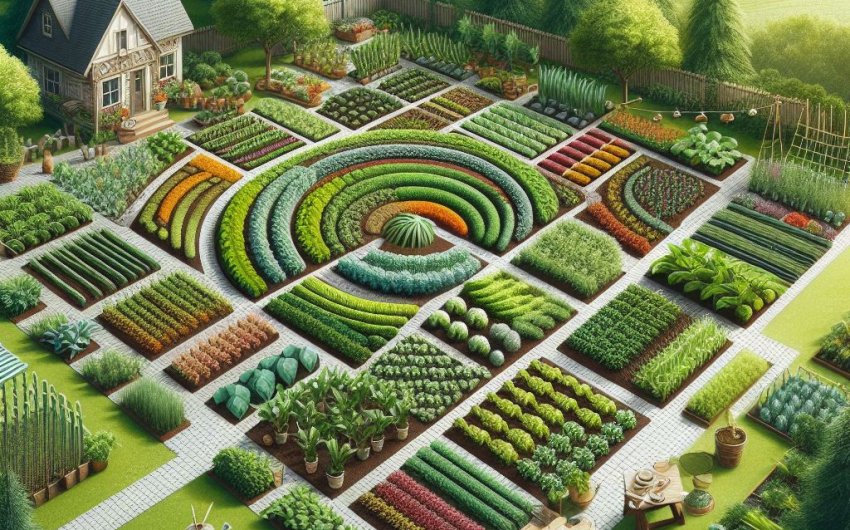
Are you looking for a simple yet powerful way to boost your garden's health, keep pests at bay, and ensure bountiful harvests year after year? The answer lies in mastering crop rotation, an ancient agricultural practice that's just as vital for today's home vegetable gardener. Instead of planting the same vegetables in the same spots season after season, crop rotation involves strategically moving different plant families to new locations within your garden each year. This seemingly simple change can dramatically improve soil fertility, naturally break pest and disease cycles, and ultimately lead to a more resilient and productive garden. This guide will break down the science behind crop rotation benefits, explain how to categorize your crops, and provide practical steps to implement a successful rotation plan in your own backyard.
Why is Crop Rotation So Important for My Garden?
Crop rotation isn't just a traditional farming trick; it's a fundamental principle of sustainable gardening that offers a wide array of advantages for your plants and your soil.
What are the Key Benefits of Crop Rotation?
Implementing a rotational planting scheme brings several significant improvements.
- Pest and Disease Control: This is one of the biggest reasons to rotate. Many common garden pests and diseases are specific to certain plant families. If you plant the same crop in the same spot year after year, these pests and pathogens build up in the soil, leading to increased problems. By moving crops, you break the life cycles of these unwelcome visitors, starving them out.
- Improved Soil Fertility: Different plants have different nutrient needs and give back to the soil in unique ways.
- Heavy Feeders: Crops like corn, cabbage, and squash use a lot of nutrients.
- Light Feeders: Crops like carrots and radishes use fewer nutrients.
- Nitrogen Fixers: Legumes (beans, peas) add nitrogen back into the soil, acting as natural fertilizers.
- By rotating these groups, you ensure that no single area of your garden is completely depleted of specific nutrients, leading to more balanced soil.
- Better Weed Control: Different crops have different growth habits and can suppress weeds in various ways. Rotating crops can disrupt weed growth patterns and help manage specific weed species that thrive in particular crop environments.
- Enhanced Soil Structure: Plants have different root systems. Some roots go deep, breaking up compacted soil, while others have shallow, fibrous roots that help hold the soil together and prevent erosion. Rotating these diverse root systems improves overall soil structure and aeration.
- Reduced Need for Chemicals: By naturally managing pests, diseases, and improving soil fertility, crop rotation lessens your reliance on synthetic fertilizers and pesticides, promoting a more organic and environmentally friendly garden.
- Increased Yields: Healthier soil, fewer pests and diseases, and better nutrient availability all contribute to stronger, more productive plants and, ultimately, larger harvests.
How Do I Group Plants for Crop Rotation?
The core of crop rotation lies in understanding plant families. Plants within the same family tend to have similar nutrient needs and are susceptible to the same pests and diseases. Therefore, you rotate families, not just individual crops.
What are the Main Plant Families for Rotation?
It's helpful to categorize your vegetables into these main groups.
- 1. Legumes (Nitrogen Fixers): These are the superstars for soil health! They have a unique ability to fix nitrogen from the air and convert it into a usable form in the soil through symbiotic bacteria in their root nodules. This enriches the soil for the next crop.
- Crops: Beans (bush, pole, lima), Peas (shelling, snap, snow), Lentils, Peanuts, Clovers, Alfalfa.
- Role in Rotation: Ideally follow heavy feeders to replenish nitrogen.
- 2. Root Crops: These plants focus their energy on developing edible roots underground. They generally need well-drained, loose soil and moderate fertility. They don't deplete nutrients as quickly as heavy feeders.
- Crops: Carrots, Radishes, Beets, Turnips, Parsnips, Potatoes (though botanically Solanaceae, often rotated as root crops due to different disease profiles from tomatoes/peppers), Onions, Garlic.
- Role in Rotation: Often follow legumes, or heavy feeders if the soil has been amended.
- 3. Leafy Greens / Brassicas (Heavy Feeders - often): This group includes many vegetables grown for their leaves. Some brassicas are very heavy feeders and require nutrient-rich soil.
- Crops: Lettuce, Spinach, Kale, Collard Greens, Swiss Chard, Cabbage, Broccoli, Cauliflower, Brussels Sprouts, Kohlrabi, Arugula, Mustard Greens.
- Role in Rotation: Best planted after a nitrogen-fixing crop or in soil that has been heavily amended with compost.
- 4. Fruiting Crops / Solanaceae (Heavy Feeders): These plants produce edible fruits from their flowers. Many are quite demanding on soil nutrients. This family is particularly prone to specific soil-borne diseases.
- Crops: Tomatoes, Peppers (bell and hot), Eggplant, Potatoes (Solanum tuberosum, a significant nitrogen user), Tomatillos.
- Role in Rotation: Require fertile soil. Should not follow other members of the Solanaceae family.
- 5. Cucurbits (Heavy Feeders): Another group of heavy feeders known for their sprawling growth and vining habits, also prone to specific soil-borne issues.
- Crops: Cucumbers, Squashes (summer and winter), Pumpkins, Melons (watermelon, cantaloupe).
- Role in Rotation: Also require fertile soil. Should not follow other cucurbits or Solanaceae.
Important Note on Potatoes: While botanically part of the Solanaceae (Nightshade) family, many gardeners treat them as a separate rotational group due to their specific disease pressures (like scab and early/late blight) and their heavy nutrient consumption. It's wise to give the soil where potatoes were grown a good 3-4 year break before planting them there again.
How Do I Plan My Crop Rotation Cycle?
A typical crop rotation plan involves a 3-year or 4-year cycle. This allows enough time to disrupt pest and disease life cycles in the soil.
What are the Steps to Planning Your Rotation?
- Map Your Garden: Draw a simple map of your garden beds or growing areas. Divide your garden into 3 or 4 distinct sections, even if they aren't perfectly equal in size. Label these sections (e.g., Zone A, Zone B, Zone C, Zone D).
- Record What You Planted: At the end of each growing season, accurately record what plant family was grown in each zone. This is crucial for future planning. Use a garden journal to keep track.
- Establish a Rotation Order: The general principle is to follow a "heavy feeder" with a "nitrogen fixer," then with a "root crop," and then perhaps a "light feeder" or "leafy green" that isn't a heavy feeder.
- A Simple 3-Year Rotation:
- Year 1: Zone A: Legumes (Beans/Peas) | Zone B: Leafy Greens/Brassicas | Zone C: Root Crops
- Year 2: Zone A: Leafy Greens/Brassicas | Zone B: Root Crops | Zone C: Legumes
- Year 3: Zone A: Root Crops | Zone B: Legumes | Zone C: Leafy Greens/Brassicas
- Then repeat the cycle.
- A More Detailed 4-Year Rotation (often preferred):
- Year 1: Legumes: Plant beans, peas. They enrich the soil with nitrogen.
- Year 2: Root Crops: Plant carrots, beets, radishes. They benefit from the nitrogen left by the legumes.
- Year 3: Leafy Greens / Brassicas: Plant cabbage, lettuce, broccoli, kale. These heavy feeders thrive in fertile soil.
- Year 4: Fruiting Crops / Cucurbits: Plant tomatoes, peppers, squash, cucumbers. These also need good soil and will have had a 3-year break from the same spot.
- Then repeat the cycle.
- A Simple 3-Year Rotation:
Tips for Successful Rotation Planning:
- Consider Perennials: Perennial crops (asparagus, rhubarb, most fruit trees/bushes) don't get rotated, as they stay in the same spot for years. Plan your rotating beds around them.
- Pathways and Permanent Structures: Account for garden paths, sheds, and other permanent fixtures in your map.
- Scale Down for Small Gardens: If you have a very small garden, you might only have two main zones, or even rotate within containers (though it's harder with containers). Do your best to give a spot a break, even for a season.
- Don't Overthink It Initially: It might seem complex, but once you categorize your plants and have a basic map, it becomes second nature. Start simple and adjust as you learn.
- Cover Crops: In between crop rotations, especially if a bed will sit empty, consider planting a cover crop seed mix. These plants (often legumes or grasses) protect the soil from erosion, suppress weeds, add organic matter, and sometimes fix nitrogen, further improving soil health before the next cash crop.
What Are the Exceptions and Special Considerations for Crop Rotation?
While the general rules of crop rotation are beneficial, there are a few nuances and plants that require special attention.
Specific Plant Considerations:
- Potatoes: As mentioned, despite being Solanaceae, many gardeners prefer to give potato beds a very long break (4-5 years) due to their susceptibility to specific soil-borne diseases like scab and blight, which can persist in the soil. They are also very heavy feeders.
- Sweet Potatoes: Interestingly, sweet potatoes are not in the same family as regular potatoes. They are part of the Convolvulaceae (morning glory) family. They are generally less prone to soil-borne diseases that affect regular potatoes, but still benefit from rotation.
- Corn: Corn is a grass and a very heavy feeder, but it also has specific disease issues (like corn smut) and pest problems (corn earworm) that can build up. It's often grouped with the "fruiting crops" in terms of nutrient demand but can stand alone in a rotation, ideally followed by legumes.
- Herbs: Most perennial herbs (rosemary, thyme, oregano, mint, lavender) don't need to be rotated as they are long-lived. Annual herbs like basil or cilantro can be rotated with leafy greens or other light feeders.
- Companion Planting: Crop rotation and companion planting (planting specific beneficial plants together) are not mutually exclusive. They can be used together to further enhance garden health. For example, rotating crops helps prevent soil-borne disease buildup, while planting marigolds or nasturtiums (companion plants) can deter above-ground pests.
What About Raised Beds and Containers?
- Raised Beds: These are often easier to manage for crop rotation because their defined boundaries make dividing zones clear. Treat each raised bed as a "zone" and rotate your plant families among them each year.
- Containers: Rotating crops in containers is challenging unless you have many pots. The best approach for containers is to:
- Always Use Fresh Potting Mix: Replace old potting mix each season, especially for heavy feeders. This removes accumulated pathogens and depleted nutrients. A bag of organic potting soil can refresh your containers.
- Sterilize Pots: If you suspect disease, sterilize used pots with a dilute bleach solution (1 part bleach to 9 parts water) before reusing them.
- Switch Plants: Avoid planting the same type of plant in the same container year after year if possible.
What Are the Signs of Not Rotating Crops?
If you've been planting the same vegetables in the same spot for years, you might already be seeing signs that your garden needs a rotation.
Common Problems Caused by Lack of Rotation:
- Increased Pest Problems: You might notice certain pests becoming more prevalent in particular areas. For example, if you grow cabbage in the same spot every year, you might see more cabbage worms or root maggots. If tomatoes are always in one spot, tomato hornworms or blight might become a persistent issue.
- Recurring Diseases: Soil-borne diseases (like fusarium wilt, verticillium wilt, or clubroot) become more entrenched and severe if their host plants are continually grown in the same location. You might see plants suddenly wilting or dying, even with good care.
- Stunted or Weak Growth: Even with proper fertilization, plants might appear smaller, weaker, or less vigorous than they should be, indicating depleted or imbalanced soil nutrients that specific plant families have extracted over time.
- Reduced Yields: Over time, consistent planting of the same crops in the same spot can lead to declining harvests. Plants aren't getting the right balance of nutrients, or they're constantly fighting off accumulating pests and diseases.
- Soil Compaction/Structure Issues: Continuously planting crops with similar root systems can lead to soil compaction in specific layers, hindering drainage and root development.
- Nutrient Deficiencies: You might see signs of specific nutrient deficiencies, even if you fertilize, because the soil's natural balance has been thrown off by continuous heavy feeding from the same type of plant.
How Can I Implement Crop Rotation in a Small Garden?
Don't let the idea of dividing your garden into many zones deter you if you have limited space. Crop rotation is still achievable and highly beneficial in smaller gardens.
Strategies for Small-Space Rotation:
- Think in Mini-Zones: Even a 4x8 foot raised bed can be mentally divided into 2 or 4 sections.
- Focus on the Families: Instead of strict geographical zones, think about which family was last in a particular spot. The goal is to avoid planting the same family in the same spot for at least 3-4 years.
- Intensive Planting: In a small garden, you might plant more densely. When one crop finishes, quickly replace it with a different family.
- Vertical Gardening: Using vertical space (trellises, vertical planters) doesn't typically factor into the ground-level soil rotation, but it's great for maximizing yield. If you grow plants in vertical pockets, treat each pocket as a mini-container (use fresh soil yearly).
- The "Follow the Nitrogen" Rule: A very simple approach is to always follow a heavy feeding crop (tomatoes, corn, squash, brassicas) with a nitrogen-fixing crop (beans, peas). This is a good two-step mini-rotation for very small spaces.
- Sacrifice a Crop (Rarely): If a spot is severely affected by a soil-borne disease, in a very small garden, you might consider leaving that spot fallow for a season or two, or planting a heavy cover crop to "rest" and revitalize the soil.
Can Crop Rotation Eliminate All Pest and Disease Problems?
While crop rotation is an incredibly powerful tool for pest and disease management, it's important to have realistic expectations. It significantly reduces problems but doesn't eliminate them entirely.
What Crop Rotation Can and Cannot Do:
- Reduces Soil-Borne Pests and Diseases: This is where it shines. By breaking the life cycle of pathogens and insect larvae that live in the soil and feed on specific plant families, crop rotation dramatically lowers their numbers.
- Helps with General Plant Health: Healthier plants that are well-fed and less stressed by common issues are inherently more resistant to other problems.
- Does Not Control Airborne Pests/Diseases: Pests that fly in from elsewhere (e.g., aphids, Japanese beetles) or airborne fungal spores (e.g., powdery mildew) are not directly impacted by rotation. You'll still need other organic pest control and good cultural practices for these.
- Does Not Eliminate All Weeds: While it can disrupt weed cycles, weeds will still appear. It's part of a holistic weed management strategy, not a standalone solution.
- Does Not Replace Good Garden Practices: Crop rotation works best in conjunction with other healthy gardening habits:
- Adding Compost: Continually improving your soil with organic matter.
- Mulching: Suppresses weeds, conserves moisture, regulates soil temperature. A good organic garden mulch can be beneficial.
- Proper Watering: Deep, infrequent watering.
- Sanitation: Removing diseased plant material from the garden.
- Using Healthy Seeds/Starts: Starting with vigorous plants.
Think of crop rotation as a cornerstone of good garden hygiene. It's a proactive measure that prevents problems from becoming overwhelming, setting the stage for a more robust, less troublesome, and ultimately more rewarding gardening experience year after year. It's an art, a science, and a tradition that every home gardener can easily master for a thriving plot.