
Nature's Perfect Matches: Explore the Art of Companion Planting!
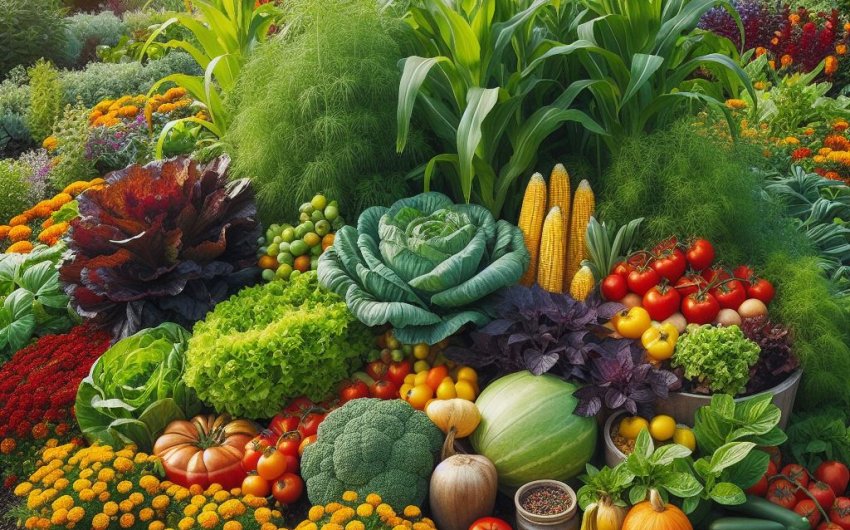
Unveiling the secrets of successful gardening often leads to the fascinating practice of companion planting. This age-old technique involves growing different plants close to each other for mutual benefit, creating a harmonious ecosystem right in your backyard. It's like a strategic arrangement where certain plant pairings can deter pests, attract helpful insects, improve soil health, and even boost yields. Imagine a garden where everything works together, a living symphony of growth and vitality, all thanks to a bit of thoughtful placement.
What Exactly is Companion Planting and Why Does It Matter?
Companion planting is more than just throwing a bunch of seeds together; it's a mindful approach to gardening that leverages the natural interactions between plants. Think of it as creating a community where each member plays a vital role in supporting the others.
A Symbiotic Relationship in the Garden
At its heart, companion planting is about understanding symbiosis – where different organisms live together and benefit from each other. In a garden, this can look like a tall corn stalk providing shade for a squash vine, or a fragrant herb deterring a pesky insect from munching on your tomatoes. These natural partnerships reduce the need for chemical interventions, making your garden healthier and more sustainable. It's about working with nature, not against it.
Boosting Your Garden's Health and Productivity
The benefits of companion planting are numerous and impactful. By carefully selecting which plants to grow side-by-side, you can significantly enhance your garden's overall health and productivity. This leads to more abundant harvests and a more resilient ecosystem.
Natural Pest Deterrence
One of the most celebrated aspects of companion planting is its ability to naturally deter pests. Certain plants emit compounds or strong odors that repel unwanted insects. For example, the pungent smell of marigolds can keep nematodes away from tomato roots, while garlic can deter aphids. This reduces reliance on synthetic pesticides, making your produce safer to eat and better for the environment.
Attracting Beneficial Insects
Beyond repelling pests, some companion plants are excellent at attracting beneficial insects. These are the "good guys" of the garden, like ladybugs and lacewings, who feast on common garden pests. Plants like dill, fennel, and yarrow are known for their ability to draw in these helpful predators, creating a natural pest control system.
Improving Soil Health and Nutrient Availability
Some plant combinations can also improve the quality of your soil. Legumes, like beans and peas, are famous for their ability to "fix" nitrogen in the soil. They take nitrogen from the air and convert it into a form that other plants can use, enriching the soil naturally. When planted near nitrogen-hungry crops, they act like natural fertilizers, reducing the need for additional amendments.
Enhancing Plant Growth and Yield
Certain plant pairs can actually encourage each other's growth, leading to bigger, healthier plants and more abundant harvests. This can happen through various mechanisms, such as providing structural support, sharing nutrients efficiently, or creating a microclimate that benefits both. For example, the classic "Three Sisters" planting of corn, beans, and squash is a prime example of this synergy.
Weed Suppression
Densely planted companions can also help suppress weeds. By creating a thick canopy or a dense ground cover, they shade out competing weeds, preventing them from germinating and taking over your garden beds. This reduces the need for manual weeding, saving you time and effort.
What Are Some Classic Companion Planting Combinations?
Over centuries, gardeners have discovered numerous successful companion planting pairings. These tried-and-true combinations offer a great starting point for anyone looking to optimize their garden's performance.
The "Three Sisters": A Timeless Harmony
The "Three Sisters" is perhaps the most famous example of companion planting, originating from Native American agricultural practices. This powerful trio consists of corn, beans, and squash.
Corn: The Sturdy Supporter
Corn provides a tall, sturdy stalk for the beans to climb, acting as a natural trellis. This eliminates the need for artificial supports and allows the beans to reach for sunlight efficiently. Try planting a tall variety of sweet corn seeds for optimal support.
Beans: The Nitrogen Fixers
As mentioned earlier, beans are legumes, meaning they are excellent at nitrogen fixation. They take nitrogen from the air and convert it into a usable form in the soil, providing essential nutrients for the nitrogen-hungry corn and squash. This natural fertilization boosts the growth of all three plants. Consider using pole bean seeds for their climbing habit.
Squash: The Ground Cover and Weed Suppressor
Squash (including pumpkins and gourds) serves as a living mulch, spreading its large leaves across the ground. This shades the soil, suppressing weeds and helping to retain moisture. The prickly vines of the squash also deter pests from reaching the corn and beans. Look for winter squash seeds or zucchini seeds.
Tomatoes and Their Best Friends
Tomatoes are a staple in many home gardens, and they have several excellent companion plants that can help them thrive.
Basil: Flavor Enhancer and Pest Deterrent
Basil is a fantastic companion for tomatoes. Many gardeners believe that planting basil near tomatoes enhances the flavor of the fruit. Additionally, basil's strong aroma can deter common tomato pests like tomato hornworms and whiteflies. You can find basil seeds easily.
Marigolds: Nematode Control
Marigolds, particularly French marigolds, are renowned for their ability to repel nematodes, tiny soil-dwelling worms that can damage tomato roots. Planting a border of French marigold seeds around your tomato patch can significantly reduce nematode problems.
Carrots: Improved Root Growth
Planting carrots near tomatoes can be beneficial. The shading provided by the tomato plants can keep the soil around the carrots cooler, which helps with their root development. Conversely, the deep roots of carrots can loosen the soil, benefiting the tomato roots. You might consider Nantes carrot seeds.
Brassicas (Cabbage, Broccoli, Cauliflower) and Their Allies
Brassicas are a group of vegetables that include cabbage, broccoli, cauliflower, and kale. They are often targeted by specific pests, so companion planting can be particularly helpful.
Dill: Attracting Beneficial Insects
Dill is an excellent companion for brassicas. It attracts beneficial insects like parasitic wasps and ladybugs, which prey on common brassica pests such as cabbage worms and aphids. Dill seeds are simple to sow.
Rosemary: Repelling Cabbage Moths
The strong scent of rosemary can deter cabbage moths, which lay eggs that hatch into destructive cabbage worms. Planting rosemary plants nearby can offer significant protection.
Chamomile: Enhancing Growth
Some gardeners believe that chamomile can enhance the growth and flavor of brassicas. It is thought to improve the vitality of nearby plants. You can find chamomile seeds to plant.
How Can You Plan Your Own Companion Garden?
Creating a successful companion garden requires a bit of planning and observation. It's not about strict rules but about understanding the general principles and adapting them to your specific garden conditions.
Know Your Plants
Before you start planting, take some time to learn about the specific needs and characteristics of the plants you want to grow. Research their nutrient requirements, sun preferences, growth habits, and common pests. A good garden planner book can be a useful tool.
Consider Growth Habits
When choosing companions, think about how each plant will grow. Will one plant shade another too much? Will their root systems compete for space or nutrients? For example, tall, sun-loving plants should be paired with shorter, shade-tolerant plants, or positioned so they don't block sunlight from their neighbors.
Rotate Crops and Practices
While companion planting is beneficial, it's still important to practice crop rotation. This involves changing the location of your crops each year to prevent the buildup of pests and diseases in the soil. Companion planting can complement crop rotation by keeping soil healthy and diverse. A garden journal can help you track your rotations.
Observe and Adapt
Gardening is an ongoing learning process. Pay attention to how your companion plants interact. Do you notice fewer pests? Are your plants growing more vigorously? Keep a garden journal to record your observations, successes, and challenges. This will help you refine your companion planting strategies over time. If something isn't working, don't be afraid to try different combinations next season.
Don't Forget the Herbs and Flowers!
Many herbs and flowers are excellent companion plants and can add beauty and fragrance to your garden while providing practical benefits.
Herbs for Pest Deterrence and Flavor
- Mint: While mint can be invasive, planting it in a container near brassicas can deter cabbage moths.
- Chives: Repel aphids and protect carrots.
- Parsley: Attracts beneficial insects and can improve the flavor of roses.
- Borage: Attracts bees, improves the growth of tomatoes, and deters tomato hornworms. You might find borage seeds.
Flowers for Beauty and Pest Control
- Nasturtiums: Act as a trap crop for aphids, drawing them away from more valuable plants. They also add a peppery flavor to salads. Look for nasturtium seeds.
- Sunflowers: Provide shade and structural support for climbing beans, similar to corn.
- Cosmos: Attract beneficial insects like lacewings and hoverflies, which prey on aphids. Cosmos seeds are widely available.
- Zinnias: Attract pollinators and provide a colorful display.
Are There Any Plants That Don't Get Along?
Just as some plants are perfect matches, others can be detrimental to each other's growth. Knowing these "bad neighbors" is just as important as knowing the good ones.
The Unfriendly Pairings
Avoiding certain combinations can prevent stunted growth, increased pest problems, or even plant death.
Fennel: The Universal Antagonist
Fennel is notoriously uncooperative with many other plants. It can inhibit the growth of tomatoes, kohlrabi, carrots, and bush beans. It's generally best to plant fennel in its own separate bed or container.
Walnuts: The Allelopathic Threat
Black walnut trees release a substance called juglone into the soil, which is allelopathic – meaning it inhibits the growth of other plants. Many garden vegetables, including tomatoes, peppers, eggplants, and potatoes, are sensitive to juglone. If you have a black walnut tree nearby, it's best to plant sensitive crops far away or in raised beds with a physical barrier.
Cabbage and Strawberries: An Unhappy Duo
Cabbage and strawberries are generally not good companions. Cabbage can inhibit the growth of strawberries, and strawberries can make cabbage more susceptible to certain diseases.
Pole Beans and Onions/Garlic: A Growth Stunt
Onions and garlic can stunt the growth of pole beans and peas. While beneficial for other plants, their sulfur compounds can be detrimental to legumes.
How Can You Start Companion Planting in Your Garden?
Embarking on your companion planting journey doesn't have to be overwhelming. Start small, learn as you go, and enjoy the process of discovering nature's perfect matches.
Step-by-Step Guide
Here's a simple guide to get you started:
1. Assess Your Current Garden
Take stock of what you're already growing and identify any areas where you'd like to improve. Are you struggling with certain pests? Do some plants seem to be underperforming? This assessment will help you choose your first companion planting experiments. A soil test kit can also provide valuable insights.
2. Research Specific Plant Pairings
Use reliable gardening resources (like this one!) to find recommended companion planting pairings for the vegetables, herbs, and flowers you plan to grow. Focus on pairings that address your specific garden challenges. There are many great companion planting charts available.
3. Start Small and Experiment
You don't need to overhaul your entire garden at once. Choose one or two plant combinations to try in a small section of your garden. This allows you to observe the results without risking your entire harvest. For example, plant a few marigold seeds around your tomatoes.
4. Design Your Garden Layout
Once you have chosen your companions, think about your garden layout. Consider factors like sun exposure, spacing, and plant mature size. Sketch out your garden plan, showing where each plant will go. A good garden design book can offer inspiration.
5. Prepare Your Soil
Healthy soil is the foundation of any successful garden, including a companion garden. Ensure your soil is well-drained and rich in organic matter. Adding compost or other soil amendments before planting will give your plants a strong start.
6. Plant Your Companions
Follow the recommended spacing guidelines for each plant, but also consider how they will interact. For instance, plant your tall corn first for the beans to climb. Don't forget to get appropriate gardening tools.
7. Monitor and Observe
Regularly check your plants for signs of pests, diseases, or nutrient deficiencies. Note how the companion plants are performing. Are they growing well together? Are there fewer pests than usual? Your observations are key to refining your approach.
8. Enjoy the Benefits!
The ultimate reward of companion planting is a healthier, more productive, and more resilient garden. Enjoy the satisfaction of harvesting fresh, organic produce that thrived thanks to your thoughtful planning and nature's perfect matches. Consider a harvest basket for your bounty.