
Rise to New Heights: Elevate Your Garden with Vertical Vegetable Gardening!
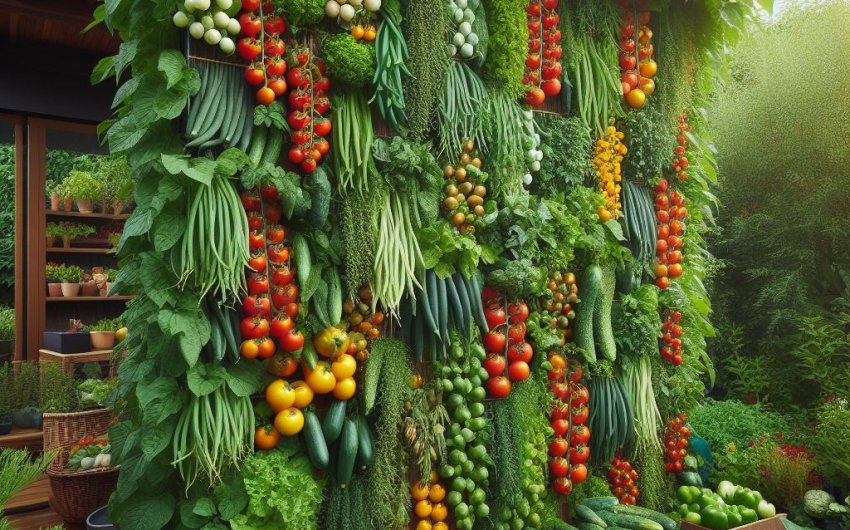
If you're looking to maximize your harvest in a small space, or simply add a stunning visual element to your backyard, then it's time to rise to new heights: elevate your garden with vertical vegetable gardening! This innovative approach transforms unused vertical areas, such as walls, fences, or even patios, into productive growing spaces. By encouraging plants to grow upwards instead of outwards, you can significantly increase your yield per square foot, creating a lush, edible landscape even where traditional gardening might seem impossible, making the most of every sun-drenched surface.
What are the benefits of vertical vegetable gardening?
Beyond simply looking great, vertical vegetable gardening offers a surprising number of practical advantages that can solve common gardening dilemmas and improve your overall growing experience. These benefits make it an incredibly appealing method for many gardeners, regardless of their space constraints.
How does vertical gardening save space?
This is perhaps the most obvious and compelling benefit of vertical vegetable gardening. In today's world, not everyone has access to a sprawling backyard plot.
- Maximizing Small Areas: Vertical gardening allows you to grow a significant amount of food in incredibly small footprints. Think about the unused space on a balcony, a patio, a fence, or even a blank wall. Instead of a single row of plants, you can grow multiple layers of plants upwards. This is ideal for urban dwellers, apartment residents, or anyone with limited ground space.
- Transforming Unused Surfaces: It effectively transforms surfaces that would otherwise be unproductive, like fences, walls, and narrow pathways, into thriving edible landscapes. A drab fence can become a lush cascade of strawberries or a vibrant wall of herbs.
- High Yield Per Square Foot: By growing upwards, you exponentially increase the amount of growing area. A simple 4x4 foot footprint can support a much larger number of plants vertically than horizontally, leading to a much higher yield from a confined area.
What are the advantages for plant health?
Vertical growth isn't just about space; it can actually lead to healthier, more productive plants.
- Improved Air Circulation: When plants are grown vertically, there is better airflow around their leaves. This helps prevent fungal diseases like powdery mildew, which thrive in stagnant, humid conditions.
- Reduced Pests: Many ground-dwelling pests (like slugs and snails) find it harder to reach plants that are elevated. Also, better air circulation can make the environment less appealing for certain insect pests.
- Less Soil-Borne Disease: Keeping foliage and fruit off the ground minimizes contact with soil-borne pathogens, reducing the risk of diseases that can affect fruits and vegetables. For example, tomatoes grown vertically are less likely to develop early blight from splashing soil.
- Better Sunlight Exposure: Each plant often gets more direct sunlight exposure, as they are not shading each other out as much as they might in a dense horizontal bed. This leads to more robust growth and better fruit ripening.
How does vertical gardening simplify gardening tasks?
Surprisingly, growing upwards can make several aspects of gardening easier and more enjoyable.
- Easier Harvesting: Fruits and vegetables grown at eye level or chest height are much easier to reach and pick. No more bending over or kneeling, which can be a huge relief for those with back or knee issues.
- Reduced Weeding: Plants in vertical systems are often more densely packed and lifted off the ground, leaving less exposed soil for weeds to germinate. What few weeds do appear are typically easier to spot and remove.
- Better Drainage: Many vertical systems inherently offer excellent drainage, as gravity pulls excess water downwards, preventing soggy roots.
- Ergonomic Benefits: Standing to garden is much more comfortable for extended periods compared to stooping or kneeling, making gardening accessible to more people.
- Aesthetic Appeal: Beyond practicality, vertical gardens are simply beautiful. They add a lush, green, and vibrant focal point to any outdoor space, making gardening a visual art form. Imagine a wall covered in cascading strawberries or colorful Swiss chard.
These compelling benefits highlight why vertical vegetable gardening is becoming an increasingly popular and effective solution for modern gardeners looking to maximize their space and enjoyment.
What types of structures are best for vertical vegetable gardening?
The beauty of vertical vegetable gardening lies in its adaptability. There's a wide array of structures and systems you can use, from simple DIY solutions to more elaborate setups, allowing you to choose the best fit for your space, budget, and desired aesthetic. Each type offers different advantages for various plants and settings.
What are some common DIY vertical garden structures?
Creating your own vertical garden structures often utilizes repurposed materials, making these projects affordable and sustainable.
- Pallet Gardens: Wooden pallets can be repurposed into instant vertical planters. Simply tilt a pallet upright, staple or secure landscape fabric to create pockets between the slats, fill with soil, and plant. These are great for herbs, strawberries, or small greens. Ensure the pallets are heat-treated (HT stamped) and not chemically treated (MB stamped) to be safe for food plants.
- Tiered Planters/Staircase Planters: Use stacked old tires, wooden crates, or even concrete blocks to create a tiered system. This allows you to grow multiple plants at different levels, maximizing sunlight exposure. You can buy pre-made tiered planters that resemble a staircase.
- Hanging Pocket Organizers: A sturdy felt pocket shoe organizer can be hung on a wall or fence, with each pocket filled with soil and a small plant. These are excellent for herbs, lettuce, or strawberries.
- Gutters: Old or new rain gutters can be mounted horizontally in tiers on a fence or wall. Drill drainage holes in the bottom of each gutter. These are shallow, making them perfect for leafy greens, herbs, and strawberries.
- Plastic Bottle Towers: Cut plastic soda bottles in half, invert the top half into the bottom half (after making drainage holes), and stack them or hang them for a very affordable, self-contained system.
What are popular ready-made vertical garden systems?
If DIY isn't your style, or you prefer a more uniform and professional look, several ready-made systems are available.
- Vertical Planter Towers: These are freestanding structures with multiple planting pockets or tiers arranged around a central pole. They often rotate, ensuring even sun exposure. Products like the GreenStalk vertical planter are popular examples.
- Wall-Mounted Panel Systems: These consist of modular panels or frames that attach to a wall or fence. They can hold individual pots, small growing bags, or have built-in planting cells. Systems like the Woolly Pocket or various modular wall planters are common.
- Hydroponic Towers: For advanced growers, hydroponic vertical towers circulate nutrient-rich water to plant roots, offering accelerated growth and significant water savings. These are often used indoors or on patios.
- A-Frame Trellises or Ladders: While not strictly planters, these structures allow vining plants (like cucumbers, beans, and certain squash) to grow upwards, saving ground space. You can purchase or build simple A-frame trellises from wood or metal.
What considerations should guide my choice of structure?
- Space Available: A small balcony might be best suited for hanging pockets or a compact tower, while a fence can accommodate gutter gardens or pallet planters.
- Budget: DIY options are generally the most affordable, using repurposed materials. Ready-made systems vary widely in price.
- Type of Plants: Shallow-rooted plants (lettuce, herbs, strawberries) do well in shallow pockets or gutters. Deeper-rooted plants (tomatoes, peppers) need larger, deeper containers or a tower system with ample soil volume.
- Sunlight Exposure: Consider how much sun your chosen vertical space receives. Ensure the structure allows all plants to get adequate light. Rotating towers are great for uneven sun.
- Watering Method: Some systems have built-in irrigation, while others require manual watering. Consider ease of watering, especially for plants at height.
- Aesthetic Preference: Do you want a rustic, natural look or a sleek, modern design?
- Portability: If you need to move your garden seasonally or for severe weather, choose a lightweight or wheeled system.
By exploring these various options, you can select or build the perfect structure to begin your journey into vertical vegetable gardening, transforming your growing potential.
What vegetables grow best in a vertical garden?
Not all vegetables are equally suited for vertical vegetable gardening. The best plants for this method are those with a compact growth habit, a climbing nature, or shallow root systems. Choosing the right crops is key to maximizing your harvest and ensuring success in your elevated garden.
What are good choices for trailing or vining plants?
These vegetables naturally want to grow upwards, making them perfect candidates for vertical supports like trellises, arbors, or cages.
- Pole Beans: Unlike bush beans, pole beans produce long, vining plants that will readily climb. Varieties like Kentucky Wonder pole beans are prolific producers.
- Cucumbers: Most cucumber varieties are vining. Support them with a sturdy trellis or cage. Growing them vertically keeps the fruit clean and straight. Look for smaller-fruited varieties for easier management.
- Tomatoes: While some bush varieties are available, many popular tomato types are indeterminate (vining) and benefit immensely from vertical support like tomato cages, stakes, or a string trellis. This prevents fruit from rotting on the ground and improves air circulation.
- Squash (Vining Varieties): Smaller vining squash like sugar pumpkin or specific winter squash varieties can be grown vertically. You'll need very sturdy support and may need to sling heavy fruits with fabric to prevent them from breaking off the vine.
- Melons (Small Vining Varieties): Similar to vining squash, smaller melon varieties like cantaloupe can be grown vertically with strong support and fruit slings.
What compact or shallow-rooted vegetables work well?
These plants are excellent for vertical pockets, stacked planters, or gutter systems where soil depth might be limited.
- Leafy Greens: Lettuce (especially loose-leaf varieties like Butterhead lettuce or Romaine), spinach, arugula, and Swiss chard are ideal. They have shallow roots and produce a quick harvest, perfect for repeated cuttings.
- Herbs: Almost all herbs thrive in vertical setups. Basil, mint, chives, oregano, thyme, rosemary, and parsley are excellent choices for easy access near your kitchen.
- Strawberries: Alpine strawberries or standard strawberry plants do exceptionally well in vertical pockets or hanging systems. Their trailing nature makes them visually appealing, and keeping the fruit off the ground reduces rot and pest issues.
- Bush Beans: While pole beans climb, bush beans can be grown in the larger pockets of some vertical systems, or in tiered planters.
- Peppers (Compact Varieties): Smaller, compact bell pepper or chili pepper varieties can be very successful in larger pockets or vertical towers, as long as they have enough root space.
- Radishes: These quick-growing root vegetables only need shallow soil and can be tucked into smaller vertical spaces.
- Microgreens: These are perfect for shallow trays in a vertical system, offering a quick and continuous harvest.
What vegetables should I avoid or be cautious with?
- Large Root Vegetables: Carrots, potatoes, sweet potatoes, and large onions typically require significant soil depth to develop properly and are generally not suitable for most vertical systems.
- Large Bushy Plants: While manageable, very wide, bushy plants might crowd out neighboring plants in a tight vertical setup.
- Heavy Fruiting Plants without Support: Large vining squash and melons will need extremely strong support and individual fruit slings, which can add complexity.
By carefully matching your plant choices to the capabilities of your chosen vertical system, you can ensure a lush, productive, and truly rewarding vertical vegetable gardening experience.
How do watering and fertilizing differ in vertical gardens?
Watering and fertilizing in vertical vegetable gardens require a slightly different approach compared to traditional in-ground beds. Because vertical systems often involve smaller soil volumes and increased exposure to air, they tend to dry out more quickly. Adapting your watering and feeding regimen is crucial for healthy plants and a bountiful harvest.
How often should I water my vertical garden?
- Increased Frequency: The most significant difference is that vertical gardens generally need to be watered more frequently than traditional gardens.
- Smaller Soil Volume: Less soil means less moisture retention.
- Increased Exposure: Plants in elevated positions are more exposed to sun and wind, leading to faster evaporation.
- Heat: Containers and vertical systems can heat up faster than in-ground beds, further accelerating water loss.
- Daily Check: In warm, sunny weather, you might need to check your vertical garden daily, and even water daily, especially for thirsty plants or smaller pockets. During cooler weather or after rain, you can reduce frequency.
- Check Soil Moisture: Always feel the soil. Stick your finger an inch or two into the soil in a few different pockets or containers. If it feels dry, it's time to water. Don't just water on a schedule.
- Top-Down Watering: When manually watering, pour water slowly onto the top plants or into the top reservoir (if your system has one). Gravity will help distribute the water downwards through the system.
- Automated Systems: For larger or more complex vertical gardens, consider installing a drip irrigation system or a timed watering system. These can deliver consistent, controlled amounts of water directly to the plant roots, saving time and ensuring even moisture.
How should I fertilize my vertical garden?
Because water drains more quickly from vertical systems, nutrients can also leach out faster. Therefore, a consistent feeding strategy is essential.
- Start with Rich Potting Mix: Begin with a high-quality potting mix that often includes some slow-release fertilizer or compost. Do not use heavy garden soil, as it compacts in containers.
- Regular Feeding: Plan to fertilize more frequently than in-ground gardens.
- Liquid Fertilizers: Water-soluble or liquid fertilizers are often preferred for vertical gardens because they can be easily mixed with water and applied with each watering (at a diluted strength) or every few weeks. Look for a balanced fertilizer or one higher in phosphorus and potassium for fruiting plants.
- Slow-Release Granules: You can also incorporate slow-release granular fertilizers into the potting mix at planting time. These release nutrients gradually over several months, reducing the need for frequent liquid feeding.
- Half-Strength Rule: When using liquid fertilizers, it's often a good practice to fertilize at half the recommended strength on the label, but do so more frequently (e.g., weekly instead of bi-weekly at full strength). This provides a consistent supply of nutrients without burning the roots.
- Monitor Plant Health: Pay attention to your plants. Yellowing leaves can indicate a nutrient deficiency, while browning leaf tips can signal over-fertilization (salt buildup).
- Flush Periodically: If you use synthetic fertilizers, it's a good idea to occasionally flush the system with plain water until it drains out completely. This helps prevent the buildup of salts, which can harm plant roots.
By being mindful of increased water needs and providing consistent, balanced nutrition, you can ensure your vertical vegetable garden remains lush and productive throughout the growing season, truly allowing your garden to rise to new heights.