
Grow Anywhere, Anytime: The Ultimate Guide to Container Vegetable Gardening!
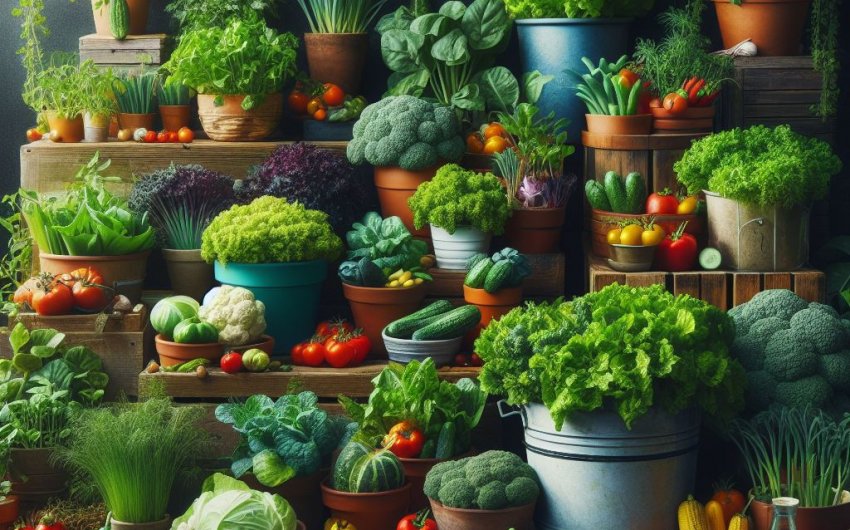
Unlocking the potential to grow anywhere, anytime has transformed gardening for countless enthusiasts, making fresh, homegrown produce accessible even with limited ground space. This ultimate guide to container vegetable gardening provides a comprehensive roadmap for cultivating a thriving harvest on patios, balconies, rooftops, or even indoors. By mastering the art of selecting the right containers, choosing suitable plant varieties, and implementing proper care techniques, you can enjoy the satisfaction of abundant harvests, regardless of your location or the season, truly making gardening a year-round endeavor.
Why is container vegetable gardening a game-changer for urban and small-space living?
Container vegetable gardening has revolutionized how many people approach growing food, making it possible to grow anywhere, anytime. This method offers unparalleled flexibility and control, transforming otherwise unusable spaces into productive edible gardens, perfectly suited for urban dwellers or those with limited outdoor areas.
What are the main advantages of growing vegetables in pots?
- Space Efficiency: This is the most obvious and significant benefit. Container gardening allows you to cultivate a surprising amount of produce in small areas like balconies, patios, rooftops, small yards, or even indoors near a sunny window. You don't need a traditional plot of land.
- Mobility and Flexibility:
- Sun Optimization: You can easily move pots to chase the sun throughout the day or as seasonal light changes, ensuring your plants always receive optimal light exposure for growth and fruiting.
- Climate Control: In regions with unpredictable weather, you can move tender plants indoors during cold snaps, heatwaves, or severe storms, extending your growing season or protecting delicate crops.
- Pest and Disease Management: Isolated plants are easier to inspect and treat for pests and diseases, and you can quickly move affected plants away from healthy ones to prevent spread.
- Soil Control: One of the biggest advantages is complete control over the soil environment.
- Problematic Soil Bypass: If your native garden soil is poor (compacted clay, sandy, nutrient-deficient, or incorrect pH), containers allow you to fill them with ideal, high-quality potting mix tailored to your plants' needs.
- Nutrient Management: Easier to precisely manage nutrient levels.
- Reduced Weeding and Pests: Containers significantly reduce or even eliminate weeding, as there's less surface area for weeds to establish. Some ground-dwelling pests may also be deterred by the elevated nature of containers.
- Ergonomics: For gardeners with mobility challenges or those who prefer not to bend, raised containers make planting, tending, and harvesting much more comfortable and accessible.
- Aesthetics: A collection of varied pots overflowing with vibrant vegetables can be incredibly attractive, adding beauty and life to any outdoor or indoor space.
- Earlier Starts/Later Harvests: The ability to move plants indoors or into protected areas (like a sunroom or garage) can effectively extend your growing season by allowing earlier spring planting and later fall harvests.
What challenges does container gardening present?
While offering many benefits, container gardening also comes with its own set of unique challenges that require diligent management.
- More Frequent Watering: Containers dry out much faster than in-ground beds. This is especially true in hot, sunny, or windy conditions, often requiring daily watering, sometimes even twice daily. Automated drip irrigation systems can be very helpful.
- More Frequent Fertilizing: Nutrients leach out of potting mix quickly with frequent watering. Containerized vegetables are heavy feeders and will require regular replenishment of nutrients through consistent fertilization.
- Root Temperature Fluctuations: Roots in containers are more exposed to ambient air temperatures, meaning they can get very hot in summer and very cold in winter. This can stress plants. Choosing lighter-colored pots or insulating can help.
- Limited Root Space: Plants in containers can become root-bound more quickly than in the ground, which can stunt growth and reduce yields. Choosing the right container size from the start is critical.
- Stability: Tall plants in smaller pots can become top-heavy and tip over in windy conditions. Heavier pots or staking may be needed.
Despite these considerations, the accessibility and rewarding nature of container vegetable gardening make it a truly transformative method for those looking to grow anywhere, anytime.
What are the best vegetables to grow in containers?
Choosing the right vegetable varieties is paramount to success in container vegetable gardening. Not all vegetables are suited for the confined space of a pot, but many compact, bush, or dwarf varieties thrive, making them the best vegetables to grow in containers for a bountiful harvest.
Which popular vegetables are great for pots?
- Tomatoes: Many dwarf and determinate (bush) varieties are excellent for containers.
- Varieties: 'Tiny Tim', 'Patio Princess', 'Bush Early Girl', 'Celebrity' (determinate). Look for varieties specifically labeled for "patio," "bush," or "container."
- Container Size: Minimum 5-gallon equivalent (large fabric grow bags work well). Larger is always better, like a 20-gallon grow bag.
- Care: Full sun, consistent watering, and regular feeding. Provide staking or a tomato cage for support.
- Peppers: Both sweet and hot peppers are highly productive in pots.
- Varieties: Bell peppers ('Patio Bell'), jalapeños, serranos, banana peppers.
- Container Size: 3-5 gallon minimum per plant.
- Care: Full sun, consistent moisture, and warm temperatures. May need light staking if heavily laden with fruit.
- Bush Beans: Avoid pole beans which need tall trellises; bush bean varieties are perfect.
- Varieties: 'Contender', 'Provider', 'Blue Lake Bush'.
- Container Size: Long window boxes or larger pots (10-15 inches wide) for multiple plants.
- Care: Full sun, regular watering. Harvest frequently to encourage more production.
- Lettuce and Leafy Greens: Highly recommended for quick and continuous harvests.
- Varieties: Loose-leaf lettuce, spinach, kale, Swiss chard, arugula, mesclun mixes.
- Container Size: Shallow, wide containers, window boxes, or hanging baskets. A raised planter box is also ideal.
- Care: Partial to full sun (protect from intense afternoon sun in summer), consistent moisture. Harvest outer leaves to allow continuous growth. Great for partial shade spots.
- Radishes: Quick-growing and compact root vegetables.
- Varieties: Any common radish variety.
- Container Size: Shallow containers at least 6 inches deep.
- Care: Full sun, consistent moisture. Harvest promptly before they become woody.
- Herbs: Almost all herbs thrive in containers.
- Varieties: Basil, mint (keep in its own pot as it spreads aggressively!), rosemary, thyme, oregano, parsley, cilantro, chives.
- Container Size: Individual pots for each, or combine compatible herbs in larger containers. A herb planter box is perfect.
- Care: Varies by herb (most prefer full sun), good drainage.
Which root vegetables and larger plants can succeed in pots?
With the right container size and care, even some root vegetables and vining plants can flourish.
- Carrots: Choose shorter, "mini" or "ball" varieties.
- Varieties: 'Danvers Half Long', 'Little Finger', 'Paris Market'.
- Container Size: Deep containers, at least 10-12 inches deep, to allow root development without obstruction. A deep fabric grow bag works well.
- Care: Full sun, loose, stone-free potting mix.
- Potatoes: Surprisingly easy and productive in large containers.
- Varieties: Any potato variety; early-season types like 'Yukon Gold' or 'Red Pontiac' are popular.
- Container Size: Very large containers, like a potato grow bag (15-25 gallons) or large barrels.
- Care: Full sun, consistent watering, "hilling up" (adding soil as plant grows).
- Cucumbers (Bush or Dwarf Varieties): Avoid vining types unless you have a very large pot and a strong trellis.
- Varieties: 'Bush Pickle', 'Spacemaster', 'Salad Bush'.
- Container Size: Minimum 5-gallon, larger is better.
- Care: Full sun, consistent moisture, and sturdy mini trellis for support.
- Squash (Bush Varieties): Summer squash (zucchini, yellow squash) can be grown from bush varieties.
- Varieties: 'Bush Zucchini', 'Patio Star' (zucchini), 'Gold Rush' (yellow squash).
- Container Size: Very large pots, 15-20 gallons minimum per plant, as they are heavy feeders.
- Care: Full sun, abundant water, and nutrients.
- Eggplant (Dwarf Varieties):
- Varieties: 'Patio Baby', 'Fairy Tale', 'Little Fingers'.
- Container Size: 5-10 gallon pots.
- Care: Full sun, consistent moisture and heat. May need staking as fruit develops.
By thoughtfully selecting varieties that thrive in confined spaces, you can easily grow anywhere, anytime and turn your patio or balcony into a thriving edible garden. These are truly the best vegetables to grow in containers for a rewarding harvest.
What are the essential elements for successful container vegetable gardening?
Success in container vegetable gardening hinges on providing the right environment for your plants within their confined spaces. Mastering the selection of containers, choosing the correct potting mix, ensuring proper watering, and managing nutrients are fundamental steps for an abundant harvest, enabling you to grow anywhere, anytime.
How do I choose the right containers?
The container itself is the foundation of your plant's home. Choosing wisely impacts everything from watering frequency to root health.
- Size Matters: This is paramount. The biggest mistake is choosing a pot that's too small.
- General Rule: Match the pot size to the mature root system of the plant. A cherry tomato needs at least a 5-gallon pot, while a bush squash might need 15-20 gallons.
- Benefits of Larger Pots: Larger pots hold more soil, which means more space for roots, more consistent moisture (dries out slower), and more stable nutrient levels.
- Drainage Holes: This is non-negotiable. Every single container must have drainage holes at the bottom. Without them, roots will sit in stagnant water, leading to root rot and plant death. If a decorative pot lacks holes, use it as a cachepot (outer pot) and place your plant in a slightly smaller nursery pot with drainage holes inside.
- Material:
- Plastic/Resin: Lightweight, affordable, retains moisture well. Can absorb heat if dark-colored.
- Terracotta/Clay: Breathable, good for preventing overwatering, but dries out very quickly. Heavy.
- Fabric Grow Bags: Excellent for aeration and "air-pruning" roots (prevents circling), lightweight, and promote good drainage. They do dry out faster. A fabric grow bag for vegetables is a top choice.
- Wood: Attractive, insulates well. Ensure it's rot-resistant (cedar) or treated wood (ensure it's safe for edibles, not CCA).
- Color: Lighter-colored pots reflect more sunlight and keep roots cooler than dark-colored pots in hot climates.
What kind of potting mix is best for containers?
Never use garden soil directly in containers. Garden soil is too dense, compacts easily in pots, leads to poor drainage, and can introduce pests or diseases.
- High-Quality Potting Mix: Always use a premium, well-draining potting mix specifically formulated for containers or vegetables.
- Key Ingredients: Look for a mix that includes:
- Peat Moss or Coco Coir: For moisture retention. A coco coir potting mix is sustainable.
- Perlite or Vermiculite: For aeration and drainage. Add extra perlite if your mix seems too heavy.
- Compost or Worm Castings: For initial nutrients and beneficial microbes.
- Amendments: You can amend a basic potting mix for specific needs:
- Add more perlite or coarse sand for plants that prefer very fast drainage (e.g., rosemary).
- Add a bit of compost for a nutrient boost.
What are best practices for watering?
Watering is the most frequent and critical task in container gardening.
- More Frequent Watering: Containers dry out much faster than in-ground beds, often requiring daily watering in hot, sunny, or windy conditions. In peak summer, some plants might need watering twice a day.
- Deep and Thorough: Water until it flows freely out of the drainage holes. This ensures the entire root ball is saturated. Avoid light, frequent sprinkles, which only moisten the top layer and encourage shallow roots.
- Check Soil Moisture: Don't water on a fixed schedule. Instead, check the soil moisture by sticking your finger 2-3 inches deep into the soil. Water when it feels dry at that depth. A soil moisture meter can also be helpful.
- Morning Watering: The best time to water is in the early morning. This allows the plant to hydrate before the heat of the day and ensures foliage dries before nightfall, reducing the risk of fungal diseases.
- Self-Watering Pots: Consider self-watering planters for consistent moisture, especially for thirsty plants or if you travel frequently.
- Drip Irrigation: For multiple containers, a drip irrigation system with a timer is a game-changer for efficiency and consistent watering.
How do I manage nutrients and fertilization?
Containers have finite nutrients that quickly get used by plants or leach out with watering.
- Regular Feeding: Plan for regular fertilization throughout the active growing season (spring through summer). Reduce or stop feeding in fall and winter when growth slows.
- Type of Fertilizer:
- Balanced Liquid Fertilizer: Many gardeners prefer a balanced liquid fertilizer applied every 1-2 weeks.
- Slow-Release Granular: Incorporating a slow-release granular fertilizer into the potting mix at planting can provide a steady supply of nutrients for several months.
- Dosage: Always follow package directions, but for liquid feeds, many gardeners prefer to use half or quarter strength more frequently to avoid over-fertilization (which can lead to salt buildup and burn roots).
- Symptoms of Deficiency: Yellowing leaves (often nitrogen deficiency), stunted growth, or lack of flowering/fruiting can indicate a need for nutrients.
By mastering these essential elements, you can create a highly productive and thriving container vegetable garden, enabling you to grow anywhere, anytime with confidence.
How can I extend my container gardening season year-round?
The beauty of container vegetable gardening is its inherent flexibility, making it possible to grow anywhere, anytime, even defying seasonal limitations. By implementing strategic planning and environmental controls, you can significantly extend your harvesting season, enjoying fresh produce long after the outdoor garden has shut down.
What are strategies for extending the outdoor growing season?
- Succession Planting: This is crucial for continuous harvests. Instead of planting all your seeds at once, sow small batches of quick-growing crops (like lettuce, radishes, spinach, bush beans) every 2-3 weeks. This ensures a steady supply rather than a single overwhelming harvest.
- Early Starts with Protection:
- Seed Starting Indoors: Start seeds indoors under grow lights 4-8 weeks before your last anticipated frost date. This gives plants a head start and means you're transplanting robust seedlings rather than sowing fragile seeds outdoors.
- Hardening Off: Before transplanting, gradually acclimate your indoor-started seedlings to outdoor conditions (sun, wind, cooler temperatures) over 7-10 days. This process is called hardening off.
- Season Extenders: Utilize simple structures to protect plants from early and late frosts.
- Cloches: Individual bell-shaped covers that protect single plants.
- Row Covers: Lightweight fabric placed over plants to provide a few degrees of frost protection and deter pests. Can be supported by hoops to create a mini-tunnel. A garden row cover fabric is versatile.
- Cold Frames: Low, bottomless boxes with clear tops. Plants grown inside benefit from trapped solar heat. You can build a DIY cold frame or buy one.
- Strategic Plant Placement: Place containers near warm, south-facing walls or structures that absorb heat during the day and radiate it at night, providing a microclimate for plants.
How can I grow vegetables indoors during colder months?
Bringing your container garden indoors is the ultimate way to achieve year-round vegetable production, allowing you to grow anywhere, anytime, even in the dead of winter.
- Light is Key: The biggest challenge indoors is providing enough light. South-facing windows offer the most natural light, but often it's still not enough for fruiting vegetables.
- Grow Lights: Supplemental grow lights are often essential for successful indoor growing, especially for fruiting plants like tomatoes or peppers, or for maintaining healthy leafy greens. Invest in full-spectrum LED grow lights for energy efficiency and optimal plant growth.
- Duration: Provide 12-16 hours of light per day, often using a light timer.
- Temperature and Humidity: Most vegetables prefer typical indoor temperatures (65-75°F or 18-24°C). However, indoor humidity can be very low, especially in winter with heating systems.
- Humidity Boost: Use a room humidifier, pebble trays, or group plants together to increase local humidity, which helps prevent issues like crispy leaf edges and spider mites.
- Pest Control: Indoor environments can be breeding grounds for pests as natural predators are absent.
- Vigilance: Inspect plants regularly for signs of pests (spider mites, aphids, whiteflies, fungus gnats).
- Treatment: Use insecticidal soap, neem oil, or sticky traps. Isolate infected plants.
- Pollination (for fruiting plants): If you're growing fruiting vegetables (like tomatoes or peppers) indoors, you'll need to hand-pollinate their flowers, as there are no bees or wind inside. Gently tap the plant or use a small, soft brush to transfer pollen between flowers daily.
- Best Indoor Crops:
- Leafy Greens: Lettuce, spinach, kale, arugula, and Swiss chard are excellent choices due to their lower light requirements.
- Herbs: Basil, mint, chives, parsley, oregano, and rosemary thrive indoors.
- Dwarf Tomatoes/Peppers: With sufficient light and pollination, compact varieties can produce.
- Scallions/Green Onions: Regrow easily from kitchen scraps.
By embracing these strategies, you can extend the joy and bounty of your container vegetable gardening well beyond the traditional outdoor season, truly proving that you can grow anywhere, anytime.