
Beyond Blooms: Inspiring Flower Garden Ideas to Transform Your Space
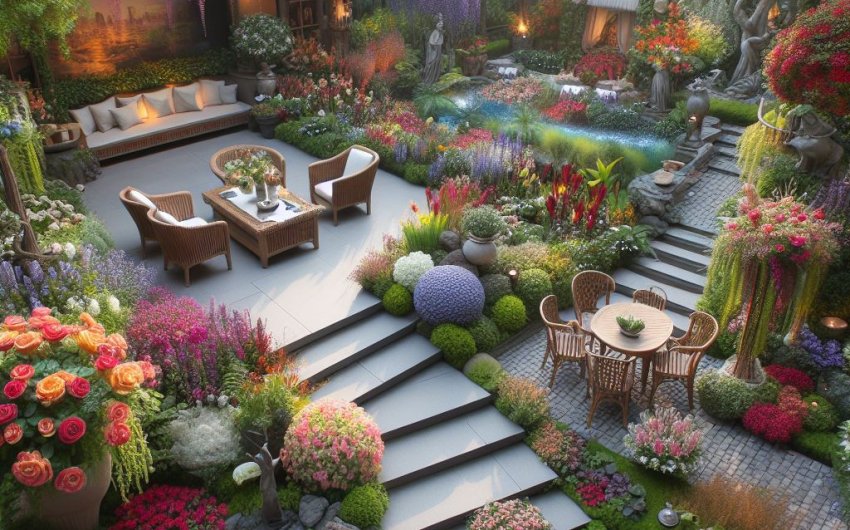
To transform your space beyond mere blooms, embrace diverse flower garden ideas that incorporate intentional design, sensory elements, and functional features. Think about creating themed areas, integrating hardscaping, and selecting plants that offer year-round interest, fragrance, or attract wildlife, turning your garden into a captivating outdoor living area.
What are the key elements of a truly transformative flower garden?
The key elements of a truly transformative flower garden extend far beyond just planting pretty blooms; they involve thoughtful design that creates an experience. These elements include strategic plant selection for continuous interest, integrating hardscaping for structure, incorporating sensory delights like fragrance and sound, and designing for specific purposes like attracting wildlife or creating private retreats.
How do you start planning a transformative flower garden?
Starting to plan a transformative flower garden begins with self-reflection and site analysis. Before any digging or planting, you need to understand your desires, your lifestyle, and the unique characteristics of your outdoor space. This foundational work ensures your flower garden ideas align with your vision and succeed in your specific environment.
Essential planning steps:
- Define Your Vision:
- Purpose: What do you want your garden to do? (e.g., provide cut flowers, attract pollinators, create a serene retreat, offer a play area for kids).
- Style: What aesthetic do you love? (e.g., cottage, modern, minimalist, wild, formal).
- Inspiration: Collect images from magazines, Pinterest, or other gardens.
- Budget: Determine how much you're willing to invest in time and money.
- Analyze Your Site:
- Sunlight: Map how much sun different areas receive throughout the day (full sun, partial shade, full shade).
- Soil: Test your soil to understand its type (sandy, clay, loam) and nutrient content. A soil test kit is invaluable.
- Drainage: Observe how water drains after rain.
- Existing Features: Note down fences, trees, sheds, utilities, and pathways.
- Views: Identify desirable views to enhance and undesirable ones to screen.
- Sketch it Out: Draw a rough sketch of your garden space, marking existing features and potential new elements. Experiment with different flower garden ideas on paper.
What flower garden ideas create year-round interest?
To truly transform your space, your flower garden ideas must extend beyond a single season, incorporating plants and elements that provide year-round interest. This means selecting a diverse palette of plants that offer beauty through blooms, foliage, bark, and structure, even in the colder months.
Strategies for continuous appeal:
- Diverse Plant Selection:
- Spring: Bulbs (tulips, daffodils, crocus), Hellebores, bleeding hearts.
- Summer: Annuals (zinnias, cosmos, petunias), perennials (coneflowers, daylilies, hydrangeas).
- Fall: Mums, asters, sedum, ornamental grasses with colorful seed heads.
- Winter: Evergreens (conifers, hollies), plants with attractive bark (dogwood, birch), winter-blooming shrubs (witch hazel).
- Layered Planting: Use plants of varying heights to create depth and ensure interest at multiple levels.
- Embrace Foliage: Focus on plants with interesting leaf textures, shapes, and colors (e.g., hostas, heuchera, variegated shrubs). Foliage provides lasting beauty even when flowers aren't present.
- Structural Plants: Include evergreen shrubs or small trees that provide form and anchor the garden through all seasons.
- Seed Heads and Berries: Allow some plants to go to seed (e.g., coneflowers, ornamental grasses) or choose plants with attractive berries (e.g., holly, viburnum) for winter interest and wildlife food.
- Hardscaping Elements: Pathways, benches, or decorative pots provide year-round structure.
How can you use color effectively in a flower garden?
Using color effectively in a flower garden is one of the most powerful flower garden ideas for transforming your space, evoking specific moods and guiding the eye. It's about intentional choices that create harmony, drama, or a joyful burst of energy.
Color palette inspirations:
- Monochromatic: Use different shades and tints of a single color (e.g., various purples from lavender to deep plum). This creates a sophisticated, cohesive, and calming effect.
- Analogous: Combine colors next to each other on the color wheel (e.g., blues, purples, and pinks; or yellows, oranges, and reds). This creates a harmonious and vibrant flow.
- Complementary: Pair colors opposite each other on the color wheel (e.g., blue and orange, purple and yellow). This creates high contrast and visual excitement, best used sparingly for impact.
- Warm Colors (Reds, Oranges, Yellows): Tend to feel energetic, inviting, and intimate. They can make a space feel closer and more vibrant.
- Cool Colors (Blues, Greens, Purples): Tend to feel calming, peaceful, and expansive. They can make a space feel larger and more serene.
- White and Pastel Gardens: Create an ethereal, romantic, and often calming atmosphere. They also "glow" beautifully in twilight.
- Dark Flowers: Incorporate deep burgundies, purples, or nearly black flowers for drama, sophistication, and a sense of mystery, especially when contrasted with lighter hues.
What flower garden ideas attract pollinators and wildlife?
To transform your space into a vibrant ecosystem, focus your flower garden ideas on attracting pollinators and local wildlife. A garden rich in biodiversity not only supports nature but also brings dynamic life and constant interest to your outdoor area, creating a truly living space.
Strategies for a wildlife-friendly garden:
- Provide Diverse Food Sources:
- Nectar Plants: Flowers rich in nectar for butterflies, bees, and hummingbirds (e.g., bee balm, coneflowers, salvia, butterfly bush).
- Pollen Plants: Important for bees (e.g., sunflowers, asters, goldenrod).
- Host Plants: Specific plants that support butterfly and moth larvae (e.g., milkweed for Monarchs, dill/fennel for Swallowtails).
- Seed-Bearing Plants: Leave some spent blooms for birds to feed on in fall and winter (e.g., coneflowers, sunflowers).
- Berry-Producing Plants: Shrubs like hollies, serviceberry, and viburnum provide food for birds.
- Offer Water: A shallow bird bath or a ground-level water source for insects provides essential hydration.
- Create Shelter: Include dense shrubs, small trees, or even a brush pile for birds and small animals to find refuge.
- Minimize Pesticides: Avoid synthetic pesticides that can harm pollinators and other beneficial insects. Embrace natural pest control methods.
- Plant in Drifts: Planting groups of the same flower color creates larger, more visible targets for pollinators.
- Native Plants: Prioritize native flowers, grasses, and shrubs, as local wildlife has evolved with them and relies on them.
How can hardscaping enhance a flower garden?
Hardscaping elements are vital for truly transformative flower garden ideas because they provide structure, definition, and functionality that goes beyond just the blooms. From pathways to seating areas, hardscaping shapes the experience of your garden, making it more enjoyable and accessible.
Hardscaping elements to consider:
- Pathways:
- Function: Provide access, guide visitors, and define garden areas.
- Materials: Gravel, stepping stones, brick, wood chips. A garden pathway kit can simplify installation.
- Patios and Decks: Create defined outdoor living spaces for dining, lounging, or entertaining, seamlessly extending your indoor space.
- Benches and Seating Areas: Offer places to rest, enjoy the views, and immerse yourself in the garden's beauty.
- Raised Beds: Provide clean lines, make gardening easier (especially for those with back issues), and improve drainage.
- Retaining Walls: Used on slopes to create terraced garden beds, prevent erosion, and add architectural interest.
- Edging: Defines beds and pathways, creating a neat and finished look while preventing grass or weeds from invading. Consider decorative garden edging.
- Water Features: Ponds, fountains, or bird baths add sensory elements (sound, movement) and attract wildlife.
- Arbors, Pergolas, Trellises: Add vertical interest, support climbing plants, and create shaded or enclosed garden rooms.
What flower garden ideas work best for small spaces?
For small spaces, your flower garden ideas must be clever and efficient, maximizing every inch to create a transformative and beautiful oasis. The key is to think vertically, use multi-functional elements, and choose plants that offer high impact without overwhelming the area.
Smart solutions for compact gardens:
- Container Gardening: Utilize pots, window boxes, and hanging baskets. Group containers of varying heights and sizes for visual interest. Choose compact varieties of favorite flowers.
- Vertical Gardening:
- Trellises and Arbors: Grow climbing annuals (e.g., sweet peas, morning glories) or perennials (e.g., clematis, climbing roses).
- Wall Planters: Mount planters directly onto fences or walls.
- Tiered Planters: Stacked pots or shelves.
- Raised Beds: Define planting areas, offer better drainage, and simplify maintenance in a small footprint.
- Miniature Gardens: Create small, intricate scenes in troughs or large pots with dwarf conifers and small-scale plants.
- Focus on Foliage: In small spaces, attractive foliage provides consistent beauty, as blooms come and go.
- Scented Plants: Maximize sensory impact in a limited area by choosing highly fragrant flowers and herbs.
- Strategic Mirrors: A well-placed outdoor mirror can create the illusion of a larger, more expansive garden.
- Foldable Furniture: Opt for compact, collapsible seating that can be stored away when not in use.
How can fragrance transform a flower garden?
Fragrance is a powerful, often overlooked, element that can truly transform a flower garden, elevating it beyond just visual beauty to a multi-sensory experience. Infusing your space with delightful scents creates an immersive and memorable atmosphere, deepening your connection to nature.
Incorporating aromatic blooms:
- Choose Highly Fragrant Flowers:
- Roses: Many varieties offer exquisite scents.
- Lilies: Oriental lilies are known for their powerful perfume.
- Jasmine: Climbing jasmine for walls or arbors.
- Honeysuckle: Sweet, intoxicating scent.
- Sweet Peas: Delicate and charming fragrance.
- Freesias: Bright, citrusy scent.
- Gardenias: Rich, creamy fragrance.
- Nicotiana (Flowering Tobacco): Night-scented varieties are amazing.
- Phlox: Some varieties are wonderfully fragrant.
- Plant Near Seating Areas: Strategically place fragrant plants close to benches, patios, or windows where their scent can be best enjoyed.
- Create "Fragrance Paths": Line pathways with low-growing, scented plants like creeping thyme or chamomile that release aroma when brushed against.
- Night-Scented Blooms: Include flowers that release their fragrance in the evening to enjoy during nighttime strolls or outdoor dining (e.g., Nicotiana, Moonflower, Evening Primrose).
- Herbs: Incorporate fragrant herbs like lavender, rosemary, mint (in containers to control spread), and basil for their aromatic foliage.
What flower garden ideas work for low-maintenance beauty?
For those seeking beauty without constant toil, low-maintenance flower garden ideas are key to transforming your space into an effortless haven. The secret lies in smart planning and plant choices that thrive with minimal intervention, allowing you to enjoy your garden more and work in it less.
Principles for easy-care gardens:
- Right Plant, Right Place: This remains the golden rule. Choose plants suited to your climate, soil, and light conditions. Stressed plants need more intervention.
- Perennials and Shrubs: Opt for a backbone of reliable perennials and shrubs over high-maintenance annuals, as they return year after year.
- Native Plants: Incorporate native species; they are adapted to local conditions and typically require less water, fertilizer, and pest control once established.
- Drought-Tolerant Plants: In arid regions or for less frequent watering, choose plants known for their drought resistance (e.g., sedum, lavender, coneflower, most ornamental grasses).
- Mulch Heavily: A 2-4 inch layer of organic mulch significantly reduces weeding and conserves moisture.
- Self-Seeding Annuals: Allow some annuals (like cosmos, calendula, poppies) to self-seed for a continuous, natural display with minimal effort.
- Group Similar Needs: Plant flowers with similar watering and light requirements together for efficient care.
- Consider Garden Zones: Grow plants hardy to your specific USDA Hardiness Zone to ensure they survive winter.
- Reduce Lawn Area: Replace high-maintenance lawn with flower beds, groundcovers, or hardscaping.
- Automated Irrigation: Consider installing a drip irrigation system for efficient, hands-off watering.
How can a flower garden provide privacy?
A flower garden can effectively provide privacy, transforming an exposed space into a secluded retreat. This involves strategic planting of taller flowers, shrubs, and climbers to create natural screens and define boundaries, making your outdoor area feel more intimate and personal.
Privacy-enhancing flower garden ideas:
- Tall Perennials and Annuals:
- Hollyhocks: Dramatic vertical spires that can reach 6-8 feet.
- Sunflowers: Fast-growing annuals that offer impressive height and cheer.
- Delphiniums: Tall, elegant spires of blue, purple, and white.
- Ornamental Grasses: Many varieties grow tall and provide a soft, textural screen (e.g., Miscanthus, Panicum).
- Climbing Plants on Structures:
- Arbors and Pergolas: Cover with vigorous climbers like climbing roses, clematis, jasmine, or morning glories.
- Trellises and Fences: Plant sweet peas, pole beans (edible and pretty), or annual vines to quickly fill in gaps.
- Dense Shrubs: Incorporate flowering shrubs that provide a solid privacy screen even when not in bloom (e.g., hydrangeas, lilacs, viburnum). Choose evergreens for year-round screening.
- Layering: Combine tall plants with medium and shorter plants in front to create a dense, impenetrable screen at varying heights.
- Container Screens: In very small spaces or on balconies, use tall plants in large pots to create movable privacy screens.
- Natural Walls: Consider planting a living hedge of flowering shrubs, which offers both privacy and beauty.
What are inspiring flower garden ideas for edible blooms?
For a truly transformative garden, integrate edible blooms, turning your space into a feast for both the eyes and the palate. These inspiring flower garden ideas merge beauty with utility, adding color and flavor to your dishes while enhancing your garden's aesthetic and often attracting pollinators.
Delicious and decorative edible flowers:
- Nasturtiums: Bright, peppery flowers and leaves, perfect in salads. Many climbing and bushy varieties.
- Pansies and Violas: Delicate, colorful flowers with a mild, slightly sweet flavor, excellent as garnish.
- Calendula (Pot Marigold): Sunny yellow and orange petals with a slightly peppery or bitter taste, great for adding color to rice, salads, or baked goods.
- Borage: Beautiful blue, star-shaped flowers with a subtle cucumber taste, lovely in drinks or salads.
- Daylilies (Hemerocallis): Petals have a slightly sweet, vegetal flavor. Harvest when fresh. (Note: Only Hemerocallis species are edible; true lilies are not).
- Roses: Petals are famously used in desserts, jams, and teas, offering a delicate floral flavor. Choose fragrant, unsprayed varieties.
- Lavender: Aromatic flowers used in baking, teas, and savory dishes, providing a distinctive herbal-floral note.
- Chamomile: Small, daisy-like flowers used for calming herbal teas.
- Chive Blossoms: Purple, globe-like flowers with a mild onion flavor, beautiful scattered over salads or baked potatoes.
- Squash Blossoms: Large, edible flowers from zucchini or other squash plants, often fried or stuffed.
Always ensure that any flower you intend to eat is positively identified as edible, has been grown without pesticides or harmful chemicals, and is consumed in moderation, as even edible plants can cause mild reactions in some individuals.
Embracing a wide range of inspiring flower garden ideas allows you to transform your outdoor space into much more than just a collection of pretty blooms. By integrating thoughtful design, year-round interest, ecological purpose, and even edible elements, you can create a truly captivating and functional garden that reflects your style and enriches your life.