
Blossom Brilliance: Unveiling the Secrets of a Flourishing Flower Garden
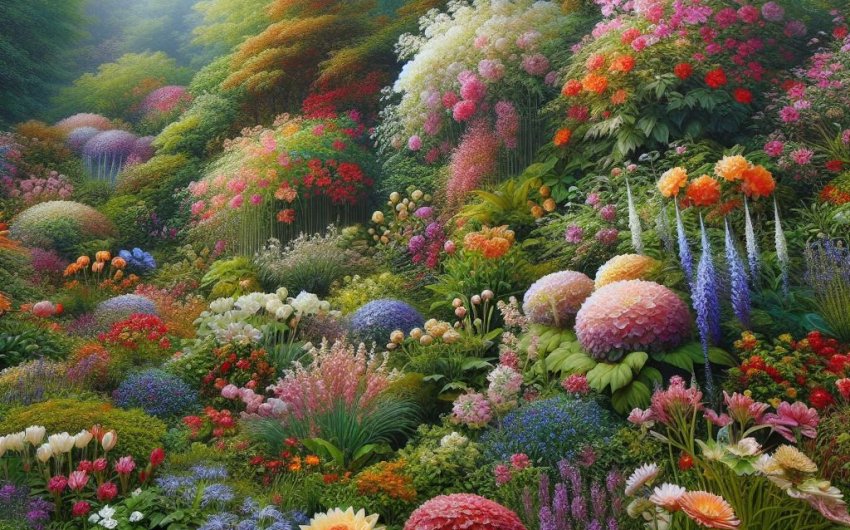
A flourishing flower garden begins with understanding your specific site conditions and matching them with the right plants. The secrets lie in providing optimal sunlight, rich and well-draining soil, consistent watering, and thoughtful plant selection for continuous blooms and overall garden health.
What's the First Step to a Flourishing Flower Garden?
The first and most critical step to achieving a flourishing flower garden is site analysis. Before you even think about buying plants, you need to understand the unique characteristics of your garden space. This involves assessing sunlight patterns, soil type, and drainage, as these fundamental conditions dictate which flowers will thrive.
What should you look for during site analysis?
- Sunlight Exposure: Observe how much direct sunlight different areas of your garden receive throughout the day.
- Full Sun: 6+ hours of direct sun.
- Partial Sun/Shade: 3-6 hours of direct sun.
- Full Shade: Less than 3 hours of direct sun.
- Soil Type and Drainage: Dig a small hole and observe the soil. Is it sandy, loamy, or heavy clay? Does water drain quickly, slowly, or does it stand?
- Existing Vegetation: Note what plants are currently growing well in the area; they can give clues about soil and light.
- Wind and Shelter: Identify areas exposed to strong winds or those that are more sheltered.
- Water Access: Consider how easily you can water the chosen garden spot.
How Do You Prepare the Soil for Optimal Flower Growth?
Preparing the soil is a foundational secret to a flourishing flower garden because healthy soil is the bedrock of healthy plants and abundant blooms. Neglecting soil preparation can lead to stunted growth, nutrient deficiencies, and increased susceptibility to pests and diseases.
Steps for superior soil preparation:
- Clear the Area: Remove all weeds, grass, rocks, and debris from the intended flower bed.
- Soil Test: Conduct a soil test kit to determine your soil's pH level and nutrient content. Most flowers prefer a slightly acidic to neutral pH (6.0-7.0).
- Loosen the Soil: Dig or till the soil to a depth of at least 10-12 inches. This improves aeration and drainage, crucial for root development.
- Incorporate Organic Matter: Mix in a generous amount of compost, well-rotted manure, or other organic matter (2-4 inches deep). This improves soil structure, fertility, and water retention.
- Adjust pH (if needed): Based on your soil test, add agricultural lime to raise pH or elemental sulfur to lower pH, following product instructions carefully.
- Rake Smooth: Break up any large clumps and rake the bed smooth, creating a level planting surface.
What's the Secret to Choosing the Right Flowers?
The secret to choosing the right flowers for a flourishing flower garden lies in understanding the specific needs of each plant and matching them to your garden's conditions and your personal aesthetic vision. This thoughtful selection process ensures your plants thrive and contribute to a harmonious, vibrant display.
Key considerations for flower selection:
- Match Plants to Site Conditions: This is paramount. If you have full sun, choose sun-loving flowers. If you have shade, select shade-tolerant varieties. Don't fight your site.
- Consider Bloom Time: Select a mix of early, mid, and late-season bloomers to ensure continuous color throughout the growing season.
- Growth Habit and Size: Think about the mature height and spread of each plant. Place taller plants at the back of beds and shorter ones at the front.
- Color Palette and Texture: Plan a color scheme that appeals to you. Mix different flower forms and foliage textures for visual interest.
- Native vs. Non-Native: Incorporate native plants, which are adapted to your local climate and often require less care while supporting local wildlife.
- Pest and Disease Resistance: Choose varieties known for their resilience to common garden problems.
- Personal Preference: Ultimately, select flowers you genuinely love!
How Do You Design a Visually Stunning Flower Garden Layout?
Designing a visually stunning flower garden layout involves more than just planting flowers; it's about creating a cohesive and appealing picture with depth, rhythm, and points of interest. This strategic planning ensures your garden is a joy to behold from every angle.
Design principles for brilliance:
- Theme and Style: Decide on a garden style (e.g., cottage, formal, modern, wild). This helps guide your plant and hardscaping choices.
- Focal Points: Include one or more elements that draw the eye, such as a striking plant, a bird bath, a statue, or a garden bench.
- Layering (Height): Plant in layers, with the tallest plants at the back, medium-height plants in the middle, and shortest plants at the front of a bed.
- Color Harmony:
- Monochromatic: Different shades of one color for a sophisticated look.
- Analogous: Colors next to each other on the color wheel for a harmonious blend.
- Complementary: Colors opposite on the color wheel for high contrast and drama.
- Texture and Form: Mix plants with different leaf shapes (fine, broad, spiky) and flower forms (daisy-like, spiky, fluffy) to add depth.
- Repetition: Repeat certain plants or color groups throughout the garden to create unity and rhythm.
- Pathways: Create clear, comfortable pathways for access and to guide the eye through the garden. Consider garden stepping stones for visual appeal.
- Consider All Seasons: Plan for interest across all four seasons, even in winter, with evergreens, interesting bark, or dried seed heads.
What's the Best Way to Water for a Flourishing Flower Garden?
The best way to water for a flourishing flower garden is with consistency and efficiency, ensuring plants receive adequate moisture deeply at their roots without waste or promoting disease. Overwatering or underwatering can quickly undermine your garden's potential.
Smart watering practices:
- Water Deeply and Infrequently: Encourage deep root growth by watering thoroughly when you do water, rather than light, frequent sprinkles. This usually means about 1 inch of water per week, either from rain or irrigation.
- Water at the Base: Avoid overhead watering, which can promote fungal diseases on foliage. Use a soaker hose, drip irrigation, or water by hand at the soil level. A drip irrigation kit is a great investment.
- Water in the Morning: Watering early in the day allows foliage to dry before nightfall, reducing the risk of fungal issues.
- Check Soil Moisture: Don't just water on a schedule. Stick your finger into the soil about 1-2 inches deep. If it feels dry, it's time to water. A soil moisture meter can also provide precise readings.
- Mulch: Apply a 2-4 inch layer of organic mulch (wood chips, straw, shredded leaves) around your plants. Mulch conserves soil moisture, suppresses weeds, and moderates soil temperature.
How Do You Fertilize for Abundant Flower Blooms?
Fertilizing for abundant flower blooms is about providing the right nutrients at the right time, rather than simply more fertilizer. The secret to a flourishing flower garden is a balanced approach that supports strong vegetative growth and prolific flowering without overfeeding, which can lead to excessive foliage at the expense of blossoms.
Fertilizing for success:
- Start with Soil Test: Your soil test results will indicate if specific nutrients are lacking.
- Organic Matter is Key: Rich, compost-amended soil often provides sufficient nutrients for many flowers.
- Balanced Fertilizer: For most flowering plants, a balanced granular or liquid fertilizer (e.g., 5-10-5 or 10-10-10) works well at planting time or early in the growing season.
- Bloom Boosters: Once plants begin to set buds, you can switch to a "bloom booster" fertilizer that is higher in phosphorus (the middle number, e.g., 5-10-5). Phosphorus is crucial for flower and fruit development.
- Application: Always follow product instructions for application rates and frequency. Over-fertilizing can harm plants.
- Timing: Fertilize during active growth, typically every 4-6 weeks during the blooming season for heavy feeders, or less frequently for plants in very rich soil.
What's the Secret to Preventing Pests and Diseases Naturally?
The secret to preventing pests and diseases naturally in a flourishing flower garden lies in building a healthy ecosystem where plants are strong and resilient, and beneficial insects are encouraged. This proactive approach minimizes the need for chemical interventions.
Natural prevention strategies:
- Healthy Soil: The foundation of healthy plants. Well-prepared, nutrient-rich soil boosts plant immunity.
- Right Plant, Right Place: Plants stressed by unsuitable conditions are more susceptible to problems.
- Good Air Circulation: Proper plant spacing and occasional pruning (especially for bushy plants) reduce humidity around foliage, deterring fungal diseases.
- Watering Wisely: Avoid overhead watering and water in the morning to allow foliage to dry.
- Diversity: Plant a wide variety of flowers, herbs, and even some vegetables. Monocultures (large plantings of a single plant type) are more prone to widespread pest and disease outbreaks.
- Attract Beneficial Insects: Plant flowers that attract predatory insects like ladybugs, hoverflies, and lacewings, which feed on pests like aphids and spider mites. Dill, fennel, and cosmos are great choices.
- Regular Inspection: Routinely check your plants for early signs of pests or diseases. Catching problems early makes them easier to manage.
- Companion Planting: Certain plants can deter pests or attract beneficial insects when planted near others. Marigolds are known to repel nematodes.
- Hand-Picking: For larger pests like slugs, snails, or caterpillars, hand-picking can be effective.
- Remove Infected Material: Promptly remove and dispose of any diseased plant parts to prevent spread.
How Do You Extend the Blooming Season of Your Flowers?
Extending the blooming season of your flowers is a key secret to a flourishing flower garden that provides continuous beauty. This involves proactive techniques and plant choices that encourage plants to keep producing blossoms long after their initial flush.
Secrets to prolonged bloom:
- Deadheading: Regularly removing spent flowers is the most important technique. It prevents the plant from going to seed, redirecting its energy into producing more blooms.
- Pinching: For many annuals (e.g., zinnias, cosmos, snapdragons), pinching back young plants encourages bushier growth and more flower stems over a longer period.
- Succession Planting: Plant new batches of annual seeds every 2-3 weeks for a continuous supply of fresh blooms as older plants finish their cycle. This works well for zinnias, cosmos, calendula.
- Choose Re-blooming Varieties: Select perennial varieties known for their ability to bloom multiple times if deadheaded or lightly pruned (e.g., certain roses, daylilies, delphiniums).
- Seasonal Diversity: As discussed in layout, ensure you have a mix of plants that naturally bloom in spring, summer, and fall.
- Adequate Water and Nutrients: Stress-free plants bloom longer. Ensure consistent watering and appropriate fertilization throughout the season.
What's the Role of Mulch in a Flourishing Flower Garden?
Mulch plays a surprisingly significant and multi-faceted role in cultivating a flourishing flower garden. It acts as a protective blanket for your soil, simplifying maintenance and promoting healthier plant growth, which ultimately leads to more vibrant blooms.
Benefits of mulching:
- Weed Suppression: A 2-4 inch layer of mulch blocks sunlight, preventing weed seeds from germinating and competing with your flowers for water and nutrients.
- Moisture Retention: Mulch reduces water evaporation from the soil, meaning you water less frequently and conserve precious resources.
- Temperature Regulation: It insulates the soil, keeping it cooler in summer and warmer in winter, which protects plant roots.
- Soil Improvement: Organic mulches (like wood chips or shredded leaves) break down over time, enriching the soil with organic matter and improving its structure and fertility.
- Erosion Control: Mulch protects the soil surface from the impact of heavy rain and wind.
- Cleanliness: Keeps soil from splashing onto lower leaves and flowers during rain or watering.
- Aesthetics: A uniform layer of mulch gives a finished, tidy appearance to your garden beds.
How Can You Incorporate Pollinator-Friendly Elements?
Incorporating pollinator-friendly elements is an essential secret to a flourishing flower garden, as healthy ecosystems depend on these busy helpers. A garden that attracts bees, butterflies, and other beneficial insects will not only be beautiful but also vital for supporting local biodiversity.
Pollinator-friendly secrets:
- Diverse Flower Shapes and Sizes: Provide a variety of flower types to cater to different pollinators' needs.
- Open, Flat Flowers: Attract a wide range of bees and butterflies (e.g., cosmos, zinnias, coneflowers).
- Tubular Flowers: Preferred by hummingbirds and butterflies with long proboscises (e.g., petunias, salvias).
- Clustered Flowers: Easy landing pads for many small insects (e.g., sedum, dill).
- Continuous Bloom: Ensure something is always flowering from early spring to late fall to provide a consistent food source.
- Native Plants: Prioritize native flowers, as they are often the best food sources for local pollinators who have evolved with them.
- Avoid Pesticides: Do not use broad-spectrum pesticides, which can harm beneficial insects. If pest control is necessary, use organic, targeted solutions.
- Provide Water Sources: A shallow dish with pebbles or a bird bath offers water for pollinators.
- Leave Some "Mess": A small patch of undisturbed soil or a brush pile can provide nesting sites for ground-nesting bees and other beneficial insects.
- Plant in Drifts: Planting groups of the same flower color creates larger visual targets for pollinators.
What's the Secret to a Low-Maintenance Flower Garden?
The secret to a low-maintenance, yet flourishing flower garden lies in strategic upfront planning and smart plant choices, reducing the amount of ongoing effort required. It's about working with nature, not against it, to create a beautiful space that almost cares for itself.
Low-maintenance secrets:
- Right Plant, Right Place: As always, this is paramount. When plants are happy, they require less intervention.
- Perennials and Shrubs: These are generally lower maintenance than annuals as they don't need to be replanted every year. Choose long-blooming or ever-interesting varieties.
- Native Plants: They are adapted to your climate, requiring less water, fertilizer, and pest control once established.
- Drought-Tolerant Plants: In drier climates, select plants that can handle less frequent watering.
- Mulch, Mulch, Mulch: A thick layer of mulch is your best friend for reducing weeding and watering.
- Consider Hardscaping: Use paths, borders, or gravel areas to reduce the amount of planted space needing care.
- Self-Seeding Annuals: Allow some annuals (like calendula, poppies, cosmos) to self-seed, reducing the need for annual replanting.
- Smart Design: Group plants with similar needs together for efficient watering and care. Avoid complex, intricate designs that require constant pruning or shaping.
- Embrace Weeds (Wisely): Don't aim for a sterile environment. A few "beneficial weeds" or a wilder aesthetic can reduce maintenance.
Unveiling the secrets of a flourishing flower garden is about empowering you with knowledge and practical techniques. By understanding your site, preparing your soil, choosing the right plants, and maintaining them with consistent care, you can create a truly brilliant and beautiful space filled with vibrant, healthy blooms.