
Embrace the Elegance: Exploring the Enigma of Dark Flowers
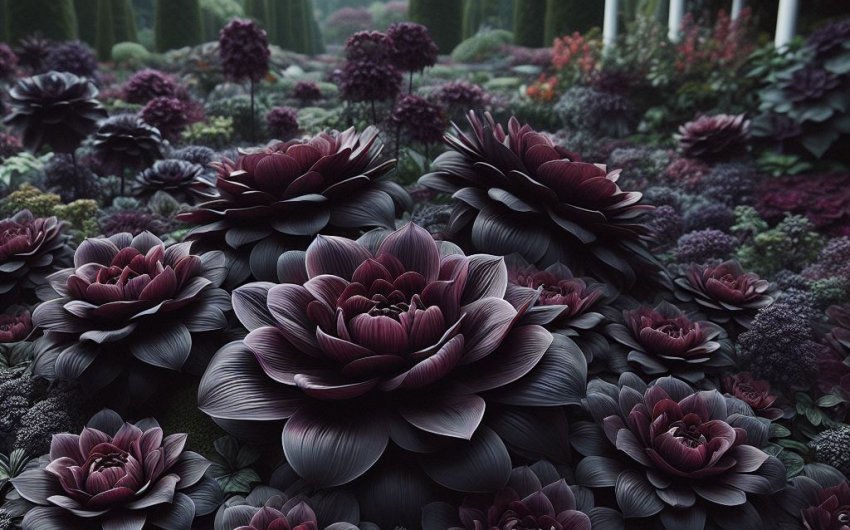
Embracing the elegance of dark flowers reveals a captivating world of intense hues and dramatic beauty, often ranging from deep burgundies and purples to nearly black shades. These enigmatic blooms add a unique sophistication, mystery, and depth to any garden or floral arrangement, providing striking contrast and a touch of the extraordinary.
What Are Dark Flowers?
Dark flowers are blossoms that display exceptionally deep, saturated colors, often appearing in shades of deep red, maroon, purple, blue, brown, or even an astonishing velvety black. While true black flowers are rare in nature, many cultivars have been bred to achieve such intense pigmentation that they create a profound, almost inky visual effect. These alluring blooms add drama and elegance to any setting.
Why Are Dark Flowers So Alluring?
Dark flowers are so alluring because they possess an inherent sense of mystery, sophistication, and dramatic elegance. Their deep, rich colors stand out against lighter foliage or brighter blooms, creating striking contrasts that draw the eye and spark curiosity. They evoke feelings of intrigue and luxury, offering a unique aesthetic that sets them apart from more common garden colors.
What is the scientific reason behind dark flower colors?
The dark colors in flowers are primarily due to a high concentration of anthocyanin pigments, particularly delphinidin-based anthocyanins, which produce blue and purple hues, and cyanidin-based anthocyanins, which produce red hues. When these pigments are highly concentrated and sometimes combined with other factors like cell pH and co-pigmentation, they absorb nearly all wavelengths of visible light, resulting in a perceived "dark" or "black" color. True black pigment doesn't exist in flowers; it's an optical illusion of very dark red, purple, or blue.
What Are Some Popular Dark Flowers for Your Garden?
There's a surprisingly rich selection of dark flowers available to add drama and elegance to your garden. From popular annuals to striking perennials and bulbs, these enigmatic blooms can create stunning visual impact and bring a touch of gothic beauty to any landscape.
Top Choices for Dark Blooms:
- Dark-Colored Dahlias: Cultivars like 'Karma Choc', 'Black Jack', or 'Arabian Night' boast deep burgundy to nearly black petals, offering incredible texture and size.
- Chocolate Cosmos (Cosmos atrosanguineus): Famous for its velvety, dark maroon-brown flowers with a delightful chocolate-vanilla scent.
- Black Pansies (e.g., 'Black King', 'Bowles' Black'): Small but striking, these truly appear almost black and add a dramatic touch to containers and borders.
- Hellebores (e.g., 'Onyx Odyssey', 'Black Zircon'): Winter and early spring bloomers with deep purple-black flowers, perfect for shade gardens.
- 'Black Baccara' Rose: A hybrid tea rose known for its deep, velvety crimson-black petals that truly look black in certain lights.
- 'Queen of Night' Tulip: A classic, truly deep maroon-purple tulip that appears black, making a stunning statement in spring.
- 'Black Hollyhock' (Alcea rosea 'Nigra'): Tall spires of single, deep maroon-black flowers, excellent for cottage gardens.
- 'Before Midnight' Petunia: A relatively true black petunia that creates striking contrast in hanging baskets.
- Heuchera (Coral Bells) with Dark Foliage: While not the flowers themselves, varieties like 'Obsidian' or 'Black Taffeta' offer deep purple-black leaves, complementing dark blooms.
How Do You Design with Dark Flowers in Your Garden?
Designing with dark flowers in your garden requires a thoughtful approach to ensure their elegance truly shines rather than disappearing into the shadows. The key is to create contrast and context, allowing their deep hues to pop and add sophistication to your landscape.
Effective Design Principles for Dark Blooms:
- Contrast with Light Colors: Plant dark flowers next to bright whites, creams, silvers, or vibrant yellows. This dramatic contrast makes both colors stand out more vividly.
- Example: Black Pansies with white alyssum, 'Queen of Night' Tulips with bright yellow daffodils.
- Highlight with Silver Foliage: Plants with silver or grey foliage (e.g., Lamb's Ear, Dusty Miller, Artemisia) provide a beautiful, soft backdrop that allows dark blooms to "breathe" and become more visible.
- Incorporate Variegated Leaves: Foliage with splashes of cream, yellow, or pink can also illuminate dark flowers, drawing attention to their rich tones.
- Use Strategic Lighting: In shadier spots, place dark flowers where they can catch dappled sunlight or afternoon light, which will highlight their velvety textures.
- Group in Clusters: Planting dark flowers in groups rather than as single scattered plants creates a more impactful statement and prevents them from getting lost visually.
- Create a 'Gothic' or 'Moon Garden': Combine dark flowers with white blooms and silver foliage to create a mysterious, elegant garden that truly shines in the twilight or moonlight.
- Consider Container Plantings: Use dark flowers in containers where they can be brought closer to viewing areas and accented with contrasting plants. A dark terracotta pot can even enhance their depth.
- Vary Textures: Mix velvety dark flowers with glossy green foliage or feathery silver plants to add interest beyond color.
What Are the Light and Soil Needs for Dark Flowers?
The light and soil needs for dark flowers are generally similar to their brighter-hued counterparts within the same species. However, paying close attention to these requirements is especially important to ensure optimal growth and the most intense, rich color development for these enigmatic blooms.
General Light and Soil Guidelines:
- Sunlight:
- Full Sun: Most dark flowering plants, especially dahlias, petunias, and roses, need full sun (6-8+ hours daily) to produce the most abundant and deeply pigmented blooms.
- Partial Shade: Some dark flowers, like Hellebores, thrive in partial to full shade, where their deep colors can often appear even richer and less prone to sun-bleaching. Chocolate Cosmos also appreciates some afternoon shade in very hot climates.
- Soil:
- Well-Draining: Crucial for almost all flowering plants, dark flowers included. Heavy, waterlogged soil can lead to root rot.
- Rich in Organic Matter: Amend your soil with compost or well-rotted manure to improve fertility, structure, and water retention. A soil test kit can help identify specific deficiencies.
- pH Level: Most dark flowers prefer a slightly acidic to neutral pH (6.0-7.0), though some (like Hellebores) may tolerate slightly more alkaline conditions.
How Do Dark Flowers Attract Pollinators?
Despite their sometimes somber appearance, dark flowers do attract pollinators, often using strategies that differ from brightly colored blooms. While visually less conspicuous to some daytime pollinators, their unique hues, sometimes accompanied by strong fragrances or specific nectar guides, still serve to entice insects.
Pollination Strategies of Dark Blooms:
- Fragrance: Many dark flowers, especially those with very deep maroon or brown tones, emit strong, often unusual fragrances (e.g., the vanilla-chocolate scent of Chocolate Cosmos, or musky notes in some dark lilies) that attract nocturnal moths or flies.
- UV Patterns: What appears dark to the human eye might reveal hidden UV patterns under ultraviolet light, which are visible to bees and other insects, guiding them to nectar.
- Heat Absorption: Darker colors absorb more solar radiation, making the flowers slightly warmer, which can be attractive to cold-blooded insects in cooler climates or early morning.
- Contrast with Pollen: The bright yellow or orange anthers/pollen often stand out vividly against dark petals, creating a clear target for foraging insects.
- Specific Pollinators: Some very dark, often bell-shaped or downward-facing flowers are specialized to attract specific pollinators, such as small flies or beetles, which are drawn to colors and scents reminiscent of decaying matter.
What Is the Symbolism and Meaning of Dark Flowers?
The symbolism and meaning of dark flowers are often as enigmatic and profound as their appearance, setting them apart from the more common associations of brightly colored blooms. They convey deep emotions and complex sentiments, adding layers of intrigue to their elegance.
Common Symbolism of Dark Flowers:
- Mystery and Enigma: Their deep hues inherently suggest hidden depths, secrets, and the unknown.
- Elegance and Sophistication: Dark colors are often associated with luxury, formality, and high style.
- Power and Strength: The intensity of dark blooms can symbolize resilience, determination, and enduring power.
- Mourning and Remembrance: In some cultures, dark flowers (especially deep purples or black-reds) are used to express sorrow, loss, or respectful remembrance.
- Transformation and Rebirth: The transition from darkness to light can symbolize profound change and new beginnings.
- Unconventional Beauty: They represent a departure from traditional bright floral aesthetics, appealing to those who appreciate unique and bold expressions.
- Passion and Deep Love: Very dark red or burgundy flowers can symbolize intense, profound passion and unwavering devotion.
How Do You Care for Dark Flowers to Ensure Vibrancy?
Caring for dark flowers to ensure their intense vibrancy and health is generally similar to caring for other flowers of their kind, but with a few nuanced considerations. Proper cultural conditions are key to developing their deepest, most captivating hues and embracing their elegance.
Tips for Vibrant Dark Blooms:
- Optimal Sunlight: Ensure adequate sunlight as per the specific plant's needs. Too little sun can result in washed-out colors for sun-loving dark flowers, while too much direct, intense sun can sometimes bleach out very deep purples and reds.
- Consistent Watering: Keep the soil consistently moist but never waterlogged. Regular watering supports overall plant health, which contributes to strong color development. Using a soil moisture meter can help maintain ideal levels.
- Balanced Fertilization: Avoid excessive nitrogen, which promotes leafy growth at the expense of blooms and intense color. Use a balanced fertilizer or one slightly higher in phosphorus and potassium to encourage flowering.
- Good Air Circulation: Proper spacing helps prevent fungal diseases, which can weaken plants and affect bloom quality.
- Deadheading: Regularly remove spent blooms to encourage the plant to produce more flowers and maintain its vigor.
- Mulching: A layer of organic mulch helps regulate soil temperature, conserve moisture, and suppress weeds, all contributing to healthier plants and better blooms.
- Protection from Extreme Heat: In very hot climates, some dark-colored flowers may benefit from afternoon shade to prevent their deep pigments from fading or scorching.
Can Dark Flowers Be Grown in Containers?
Yes, many types of dark flowers can be beautifully grown in containers, offering a fantastic way to showcase their elegance and create dramatic focal points in small spaces, patios, or near entryways. Container gardening also provides control over soil conditions and easier mobility.
Best Dark Flowers for Container Growing:
- Dark Pansies/Violas: Excellent for cool-season containers, providing consistent, almost black blooms.
- 'Before Midnight' Petunias: Cascading, truly dark petunias that make a statement in hanging baskets.
- Dark-Colored Dahlias (Compact Varieties): Smaller dahlia cultivars like 'Karma Choc' can thrive in large pots.
- Heuchera with Dark Foliage: Though grown for foliage, they provide a stunning dark backdrop or foreground.
- 'Queen of Night' Tulips: Striking in spring containers, often paired with contrasting white or yellow daffodils.
- Chocolate Cosmos: A tender perennial that can be easily brought indoors over winter in colder climates when grown in a pot.
- Dark Snapdragons: Taller varieties might need staking, but their vertical spikes of deep color are striking.
Tips for Container Success:
- Size Matters: Choose a container large enough to accommodate the mature plant's root system.
- Drainage Holes: Ensure the container has ample drainage holes to prevent waterlogging.
- Quality Potting Mix: Use a good quality potting mix specifically designed for containers.
- Regular Watering: Container plants dry out faster; check moisture daily.
- Consistent Feeding: Provide nutrients with a slow-release fertilizer or regular liquid feeds, as nutrients leach out with watering.
How Do Dark Flowers Compare to Bright Flowers in Impact?
Dark flowers offer a distinct and equally powerful impact compared to bright flowers, though they achieve it through different visual strategies. While bright flowers command attention with vibrancy, dark flowers captivate with depth, sophistication, and a sense of enigmatic allure, creating a unique focal point.
Contrasting Impacts:
| Feature | Bright Flowers | Dark Flowers |
|---|---|---|
| Visual Pop | Instantly grabs attention, cheerful, energetic | Draws the eye slowly, sophisticated, intriguing |
| Mood | Joyful, vibrant, lively, open | Mysterious, elegant, dramatic, contemplative |
| Contrast | High contrast with green foliage | High contrast with light/silver, subtle with dark foliage |
| Depth | Can appear flatter without varied forms | Creates immediate depth and richness |
| Versatility | Excellent for celebrations, casual settings | Ideal for formal settings, modern, gothic, elegant themes |
| Presence | Bold, often expansive | Intense, often refined |
What are Creative Ways to Use Dark Flowers Indoors?
Bringing the elegance of dark flowers indoors offers creative opportunities to infuse your living spaces with drama, sophistication, and a touch of enigmatic beauty. Their deep hues make stunning statements in floral arrangements, adding a unique aesthetic rarely achieved with brighter blooms.
Inspiring Indoor Uses for Dark Blooms:
- Dramatic Bouquets: Create a striking centerpiece using a monochromatic bouquet of 'Black Baccara' roses, deep purple calla lilies, or 'Karma Choc' dahlias.
- Contrast in Arrangements: Pair dark flowers with crisp white flowers (e.g., white hydrangeas or garden roses) or silver foliage (e.g., dusty miller) for a classic, elegant contrast.
- Single Stem Statements: A single, perfect dark flower in a sleek, minimalist bud vase can be a powerful focal point on a mantel or bedside table.
- Gothic or Moody Decor: Integrate dark flowers into a themed decor, perhaps for a Halloween celebration, a sophisticated dinner party, or a room with a darker aesthetic.
- Artistic Photography: The velvety texture and deep colors of dark blooms are incredibly photogenic, making them ideal subjects for still-life photography.
- Table Settings: Small arrangements of dark pansies or mini calla lilies can add a touch of unexpected elegance to a dinner table.
- Bathroom or Guest Room Accents: A small, intense dark arrangement can elevate these spaces with a luxurious feel.
- Mixing with Metals: Dark flowers look particularly stunning when arranged in brass, copper, or silver vases, which enhance their rich tones.
What Are the Environmental Benefits of Including Dark Flowers?
Including dark flowers in your garden offers various environmental benefits, contributing to a healthier ecosystem and promoting biodiversity, just like their colorful counterparts. Their presence enhances the garden's overall ecological value, proving that embracing elegance can also be eco-conscious.
Eco-Friendly Contributions of Dark Blooms:
- Pollinator Attraction: As discussed, dark flowers still attract pollinators, supporting bees, butterflies, and other beneficial insects essential for ecosystem health.
- Biodiversity: Introducing a wider range of colors and plant types, including dark blooms, increases the biodiversity of your garden, creating a more robust and resilient habitat.
- Reduced Chemical Use: Many unique and heirloom dark flower varieties are open-pollinated and can be grown from seed, often encouraging a more natural, less chemically intensive gardening approach.
- Aesthetic Appreciation for Nature: Cultivating these unique flowers fosters a deeper appreciation for the diversity of the plant kingdom, potentially leading to more environmentally conscious gardening practices overall.
- Soil Health: Growing any flowering plant, including dark varieties, contributes to healthy soil structure and microbial activity when practiced sustainably with compost and organic methods.
Embracing the elegance of dark flowers allows gardeners to explore a truly enigmatic and sophisticated side of the floral world. Their deep, rich hues and captivating textures offer unparalleled drama and luxury, providing striking contrast and a unique allure that transforms any space into something truly extraordinary.