
Designing Delight: Crafting the Perfect Cut Flower Garden Layout
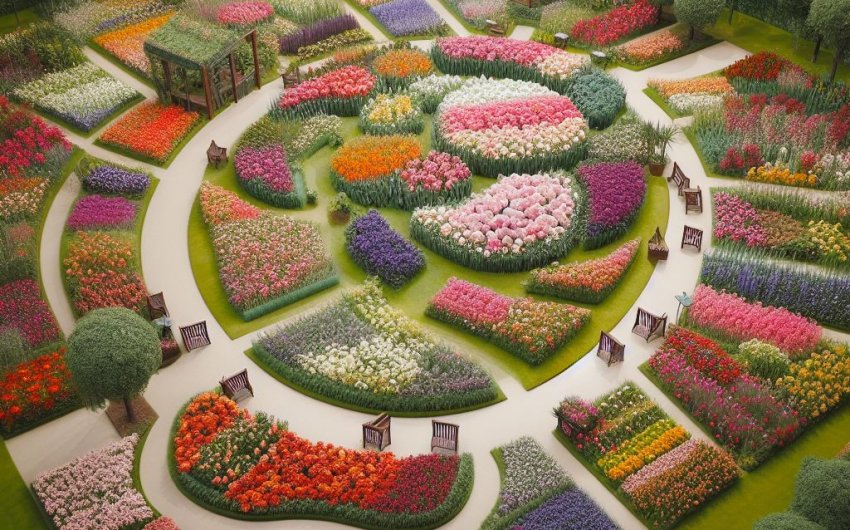
Crafting the perfect cut flower garden layout involves strategically planning your planting area to maximize flower production, ease of harvest, and overall garden efficiency. This means considering sunlight, soil, water access, and the mature size of your chosen blooms to create a delightful and productive space for continuous bouquets.
Why is a good cut flower garden layout important?
A good cut flower garden layout is crucial because it directly impacts your success in growing beautiful blooms for bouquets, making your gardening experience more efficient and enjoyable. A well-designed layout maximizes sunlight, simplifies maintenance, optimizes harvesting, and helps prevent common issues like overcrowding and disease, ultimately leading to a more abundant and healthier harvest of cut flowers.
What's the first step in planning a cut flower garden?
The first step in planning a cut flower garden is site selection, which involves carefully evaluating potential locations in your yard. You need to identify an area that meets the fundamental needs of most flowering plants, ensuring they have the best chance to thrive and produce plentiful blooms for cutting.
What are key considerations for site selection?
When choosing the perfect spot for your cut flower garden, consider these essential factors:
- Sunlight: Most flowering plants, especially those grown for cut flowers, require full sun, meaning at least 6-8 hours of direct sunlight per day.
- Drainage: Well-draining soil is critical to prevent root rot. Observe how water drains in the chosen area after a rain; standing water indicates poor drainage.
- Water Access: Position your garden close to a reliable water source for easy irrigation, whether it's a spigot for a hose or access for a watering can.
- Shelter: A location that offers some protection from strong winds can prevent tall flower stems from breaking.
- Accessibility: Choose a spot that's easy to reach for planting, weeding, and, most importantly, harvesting your blooms.
How do you prepare the soil for a cut flower garden?
Preparing the soil is a foundational step for a thriving cut flower garden, as healthy soil directly translates to healthy, productive plants. Focus on creating a rich, well-draining, and nutrient-dense environment that will support vigorous growth and abundant flowering.
Steps for optimal soil preparation:
- Clear the Area: Remove any weeds, grass, rocks, or debris from your chosen garden site.
- Test Your Soil: A soil test kit will provide valuable information on your soil's pH level and nutrient content. Most flowers prefer a slightly acidic to neutral pH (6.0-7.0).
- Loosen the Soil: Dig or till the soil to a depth of at least 8-12 inches. This improves aeration and drainage, making it easier for roots to grow.
- Incorporate Organic Matter: Generously amend the soil with 2-4 inches of compost, well-rotted manure, or other organic matter. This enhances soil structure, fertility, and water retention.
- Adjust pH (if needed): Based on your soil test, add agricultural lime to raise pH or elemental sulfur to lower pH, following package instructions.
- Rake Smooth: Rake the prepared bed smooth, removing any remaining clumps or large rocks.
What are the best ways to lay out rows for cutting?
Laying out rows for cutting flowers involves thoughtful spacing and organization that prioritizes both plant health and harvesting efficiency. The goal is to maximize the number of stems you can gather while ensuring each plant has ample room to grow without competition.
Popular row layout methods:
- Traditional Row Planting: This is a classic method where you plant flowers in straight, single rows with pathways between them.
- Benefits: Very easy to manage for weeding, watering, and harvesting. Ideal for commercial operations or large gardens.
- Considerations: Can look less natural in a home garden setting.
- Wide Row (or "Bed") Planting: Instead of single rows, you create wider beds (2-4 feet wide) that you can reach across without stepping into. Within these beds, plants can be staggered or planted in multiple short rows.
- Benefits: Maximizes growing space in a given area, provides more uniform soil conditions, and offers a more natural, abundant look. Easier to manage for dense plantings.
- Considerations: Requires more initial soil preparation for the wider beds.
- Block Planting: Plants of the same type or size are planted in square or rectangular blocks. This is particularly good for creating visual impact and simplifying mass harvesting.
- Benefits: Excellent for visual impact, efficient use of space, and easy harvesting of large quantities of one type of flower.
- Considerations: Can make individual plant care slightly more challenging.
How important are pathways in a cut flower garden?
Pathways are critically important in a cut flower garden layout. They provide essential access for planting, weeding, watering, and harvesting without compacting the soil around your precious blooms. Well-designed pathways protect your plants and make garden maintenance a more pleasant experience.
What materials are best for garden pathways?
- Wood Chips: An excellent, natural, and inexpensive option. They suppress weeds, retain moisture, and break down over time, adding organic matter. You can get bulk wood chips from local arborists.
- Straw: A lightweight and effective weed barrier, though it breaks down faster than wood chips.
- Gravel: Provides a firm, well-draining surface, but can be less comfortable to walk on and may mix with soil over time.
- Stepping Stones or Pavers: Create defined, sturdy paths, especially good for high-traffic areas.
- Mowed Grass: Simple and readily available if your garden is within a lawn area.
How do you choose the best flowers for cutting?
Choosing the best flowers for cutting involves considering not just their beauty, but also their vase life, stem length, and ease of growing. The goal is to select a diverse range of blooms that will provide continuous color and interest for your arrangements throughout the growing season.
Key qualities of good cut flowers:
- Long Vase Life: The primary characteristic! You want flowers that will last at least 5-7 days, preferably longer, after cutting.
- Sturdy, Long Stems: Essential for creating impactful arrangements. Aim for stems at least 12-18 inches long.
- Prolific Bloomers: Plants that produce many flowers over a long season ensure a continuous harvest.
- Variety of Forms: Include different shapes and sizes (e.g., focal flowers, filler flowers, spiky forms) for diverse arrangements.
- Disease and Pest Resistance: Healthier plants mean less maintenance and more usable blooms.
- Desired Colors: Choose a palette that appeals to you and works well together.
Excellent Flower Choices for a Cutting Garden:
- Focal Flowers (large, impactful blooms):
- Dahlias
- Zinnias (especially 'Benary's Giant')
- Sunflowers (cut flower varieties)
- Peonies
- Lisianthus
- Roses (especially hybrid teas or floribundas)
- Filler Flowers (smaller, numerous blooms for texture):
- Cosmos
- Statice
- Baby's Breath (Gypsophila)
- Larkspur
- Queen Anne's Lace (Ammi majus)
- Spiky/Line Flowers (add height and structure):
- Snapdragons
- Gladiolus
- Delphinium
- Celosia (plume or cockscomb varieties)
- Foliage/Greenery (essential for arrangements):
- Eucalyptus (various types)
- Dusty Miller
- Scented Geraniums
- Bupleurum
- Basil (various types, for scent and texture)
How do you plan for continuous blooms throughout the season?
Planning for continuous blooms is a cornerstone of a productive cut flower garden layout. It means strategically selecting and planting flowers with varying bloom times, as well as employing techniques like succession planting, to ensure you always have fresh flowers available for cutting from spring through fall.
Strategies for season-long harvests:
- Staggered Planting (Succession Planting): Plant smaller batches of annual seeds every 2-3 weeks (for 4-6 weeks) for flowers like zinnias, cosmos, and sunflowers. This ensures a steady supply of fresh blooms as older plants fade.
- Diverse Bloom Times: Select a mix of early, mid, and late-season flowering plants.
- Early Spring: Tulips, Daffodils, Ranunculus, Anemones
- Late Spring/Early Summer: Peonies, Lupines, Delphinium, Sweet Peas
- Mid-Summer: Zinnias, Cosmos, Sunflowers, Gladiolus, Lisianthus
- Late Summer/Fall: Dahlias, Chrysanthemums, Celosia, Asters
- Perennials and Annuals: Combine both for a strong foundation. Perennials return year after year, while annuals provide a burst of season-long color and allow for annual experimentation.
- Deadheading: Regularly removing spent blooms from your plants redirects their energy into producing more flowers rather than setting seed, extending their blooming period significantly.
- Pinching: For many cut flowers (like zinnias, cosmos, snapdragons, dahlias), pinching back young plants encourages bushier growth and more flower stems, often delaying the first bloom but increasing the total yield.
What is the best spacing for cut flowers?
The best spacing for cut flowers is typically closer than what you'd use for ornamental garden beds, as the goal is to produce as many straight, long stems as possible. However, it's a balance: too close, and you risk poor air circulation and increased disease; too far, and you waste valuable garden space.
General spacing guidelines:
- For large, full plants (e.g., Dahlias, large Sunflowers): 18-24 inches apart.
- For medium-sized plants (e.g., Zinnias, Lisianthus, Cosmos): 9-12 inches apart.
- For smaller or slender plants (e.g., Snapdragons, Celosia, Statice): 4-6 inches apart.
- Rows: If planting in rows, leave about 12-18 inches between rows for access.
- Consult Seed Packets: Always refer to specific spacing recommendations on seed packets or plant tags, as these can vary by variety.
Should you provide support for cut flowers?
Yes, providing support for cut flowers is often essential, especially for taller varieties with heavy blooms or those grown for long, straight stems. Support prevents plants from flopping over, keeps stems straight, and protects them from wind and rain damage, ensuring a higher quality harvest.
Common support methods:
- Staking: Individual stakes (bamboo, metal, or sturdy wood) can be placed next to each plant and tied loosely as it grows. This works well for dahlias, gladiolus, and sunflowers. You can find simple bamboo garden stakes for this purpose.
- Netting (Horticultural Netting or Trellis Netting): A popular and effective method, especially for blocks of flowers. Netting is stretched horizontally over the bed, supported by posts, and plants grow up through the squares. This provides even support. Flower support netting is readily available.
- Cages: Similar to tomato cages, these can be used for bushier plants that need all-around support.
- Staking Perimeter: For wide beds, stakes can be placed around the perimeter, and string or twine can be run between them to create a general support system.
How do you plan for irrigation in a cut flower garden?
Planning for efficient irrigation is a crucial aspect of a productive cut flower garden layout. Consistent and appropriate watering is vital for healthy plant growth and abundant blooms, so integrating a reliable watering system from the start saves time and conserves water.
Best irrigation practices:
- Drip Irrigation: This is highly recommended for cut flower gardens. It delivers water directly to the plant roots, minimizing waste from evaporation and runoff, and keeping foliage dry to prevent fungal diseases. A basic drip irrigation kit is a great investment.
- Soaker Hoses: Similar to drip irrigation, soaker hoses slowly release water directly into the soil. They are less precise but still very effective.
- Hand Watering: While possible for small gardens, it's labor-intensive and less consistent for larger beds. If hand watering, ensure deep and thorough watering, not just surface sprinkling.
- Mulching: Applying a layer of organic mulch (like straw, wood chips, or shredded leaves) around your plants helps retain soil moisture, reduces evaporation, and suppresses weeds, cutting down on watering frequency.
What is the role of crop rotation in a cut flower garden?
Crop rotation plays a vital role in maintaining the long-term health and productivity of your cut flower garden, especially if you plan to grow in the same beds year after year. It involves changing the location of specific plant families annually to disrupt pest and disease cycles and balance soil nutrients.
Benefits of crop rotation:
- Disease Prevention: Many plant diseases are soil-borne. Moving plant families helps prevent the buildup of specific pathogens in the soil.
- Pest Control: Certain pests target particular plant families. Rotating crops can confuse pests and break their life cycles.
- Nutrient Management: Different plants have different nutrient needs. Rotating helps prevent the depletion of specific nutrients and can even improve soil fertility over time.
Simple crop rotation strategy:
Divide your garden into sections and aim to move plant families (e.g., asters like zinnias/cosmos, snapdragons, brassicas for cutting like flowering kale) to a different section each year, ideally not planting the same family in the same spot for 3-4 years.
How can you integrate edibles into a cut flower garden?
Integrating edibles into a cut flower garden layout is a fantastic way to maximize space, encourage biodiversity, and create a beautiful, productive, and practical "edible landscape." Many herbs and vegetables offer both ornamental appeal and culinary value, blending seamlessly with your blooms.
Edibles that look great in a cut flower garden:
- Herbs:
- Basil: 'Purple Ruffles' basil for dark foliage, 'Cinnamon' basil for unique flowers.
- Dill: Delicate, airy texture and attractive yellow flowers.
- Fennel: Feathery foliage and architectural flower heads.
- Mint: Keep contained in pots, but great for fresh foliage in arrangements.
- Borage: Beautiful blue flowers are edible and attract pollinators.
- Vegetables:
- Ornamental Cabbage/Kale: Stunning foliage for fall arrangements.
- Swiss Chard: Vibrant, colorful stems and large leaves.
- Artichoke: Dramatic, architectural flower heads if left to bloom.
- Lettuces with colorful leaves: 'Red Romaine' or 'Lollo Rosso' can add a vibrant base.
- Bush Beans: Can provide light, airy texture and delicate flowers.
What are tips for small-space cut flower gardens?
Even with limited space, you can still enjoy the delight of a cut flower garden by implementing smart design choices and maximizing vertical growing opportunities. Small-space cut flower gardens require careful planning but yield bountiful results.
Maximize a small space:
- Container Gardening: Utilize pots, window boxes, and hanging baskets. Choose compact varieties of popular cut flowers.
- Vertical Gardening: Employ trellises, arbors, obelisks, and wall planters for climbing flowers like sweet peas, climbing nasturtiums, or even small clematis varieties.
- Intensive Planting: Plant closer together than in a large garden, but still ensure adequate air circulation.
- Focus on High-Yield Blooms: Choose flowers that produce many blooms per plant, like zinnias, cosmos, and snapdragons.
- Prioritize a Few Favorites: Instead of trying to grow everything, focus on a select few flower types you love to cut.
- Raised Beds: Excellent for small spaces as they provide defined boundaries, better drainage, and warmer soil.
Crafting the perfect cut flower garden layout is an exciting journey that combines practical planning with creative vision. By thoughtfully considering sunlight, soil, water, pathways, and the diverse needs of your chosen blooms, you can design a delightful and efficient space that provides you with an endless supply of fresh, captivating flowers for all your bouquet needs.