
Bloomin' Beautiful: Seasonal Flower Ideas for Every Month
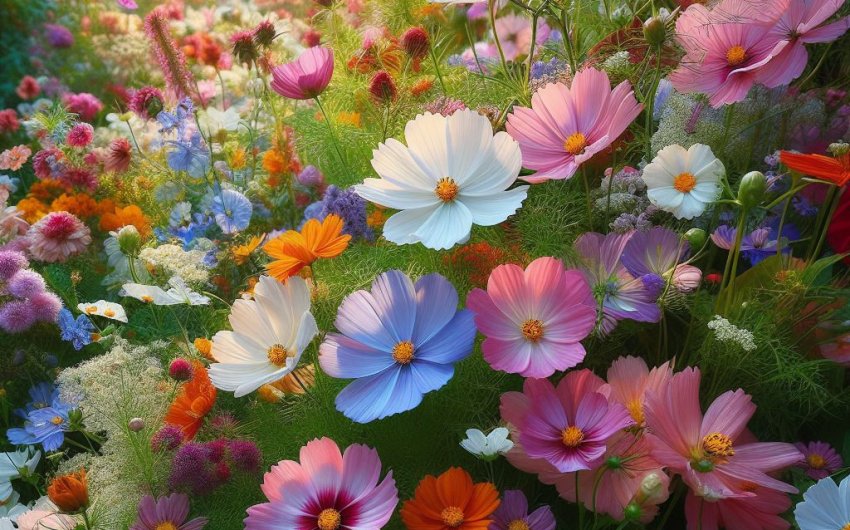
For a garden that's bloomin' beautiful year-round, embrace the natural rhythm of seasonal flower ideas for every month. Planning involves selecting diverse plant varieties that peak in different seasons, ensuring continuous color, texture, and interest, bringing consistent joy to your outdoor space.
What are the key principles for planning a garden with seasonal flower ideas for every month?
Planning a garden that's bloomin' beautiful with seasonal flower ideas for every month requires strategic foresight beyond simply planting what's pretty. It's about creating a continuous tapestry of color, texture, and form that evolves gracefully throughout the year, ensuring there's always something delightful to behold.
Key principles for year-round flower planning:
- Successional Blooming: This is the most crucial principle. Choose a diverse range of plants (annuals, perennials, bulbs, shrubs) with staggered bloom times. As one plant fades, another takes its place, ensuring continuous floral interest.
- Layering: Combine plants of different heights, growth habits (upright, mounding, trailing), and forms (spikes, clusters, single blooms) to create depth and visual richness in your garden beds.
- Foliage Focus: Don't rely solely on flowers. Integrate plants with attractive foliage (evergreen, variegated, colorful, textured) that provides interest even when not in bloom. This creates a strong backbone for your design.
- Color Harmony: Plan a cohesive color palette that shifts subtly or dramatically with the seasons. Think about warm tones for summer/fall, cool tones for spring/winter, or a blend that ties your garden together.
- Consider All Seasons: Actively plan for every month, not just spring and summer. This means including plants that shine in fall and provide structure or subtle interest in winter.
- Site Assessment: Understand your garden's microclimates (sun exposure, soil type, drainage) as these will dictate which plants will thrive.
- Hardiness Zone: Choose plants that are hardy to your USDA zone to ensure they can survive your local climate.
- Maintenance Level: Be realistic about the time you can commit. Opt for low-maintenance plants where possible to ensure long-term enjoyment.
- Focal Points: Designate specific areas or plants as focal points for each season to draw the eye and create interest.
Which flower ideas are perfect for a bloomin' beautiful January garden?
Even in the depths of winter, a January garden can offer surprising beauty and subtle color. The key flower ideas for this month focus on hardy, cold-tolerant plants that defy the chill, bringing a welcome hint of life when little else is stirring.
Top flower and plant ideas for January:
- Hellebores (Helleborus orientalis):
- Appearance: Nodding, cup-shaped flowers in shades of white, pink, purple, green, or speckled. Leathery, evergreen foliage.
- Why they're great: True winter bloomers, often appearing even through snow. Exceptionally cold-hardy.
- Care: Part shade to full shade, rich, well-draining soil. Minimal care once established.
- Winter Aconite (Eranthis hyemalis):
- Appearance: Tiny, cheerful yellow cup-shaped flowers emerging from bronze-green collars of leaves.
- Why they're great: One of the earliest bulbs to bloom, sometimes even in January, creating bright yellow carpets. Naturalizes easily.
- Care: Full sun to part shade (before trees leaf out), well-draining soil. Plant bulbs in fall.
- Snowdrops (Galanthus nivalis):
- Appearance: Delicate white, bell-shaped flowers with green markings.
- Why they're great: Another incredibly early bloomer, pushing through snow to announce winter's end. Naturalizes well.
- Care: Part shade to full sun, moist, well-draining soil. Plant bulbs in fall.
- Witch Hazel (Hamamelis species):
- Appearance: Small, spidery, fragrant flowers in yellow, orange, or red on bare branches.
- Why they're great: A small tree or large shrub that blooms in late winter, providing unexpected color and strong fragrance.
- Care: Full sun to part shade, moist, well-draining soil.
- Pansies & Violas (Viola x wittrockiana & V. cornuta):
- Appearance: Cheerful "faces" in various colors.
- Why they're great: If planted in fall, many varieties are surprisingly cold-tolerant and will "pause" in freezing weather, then rebloom during mild winter spells.
- Care: Full sun to part shade, consistent moisture.
- Ornamental Cabbage & Kale (Brassica oleracea):
- Appearance: Ruffled, vibrant leaves in shades of pink, purple, white, and green. Colors intensify with cold.
- Why they're great: Provide dramatic foliage color and texture throughout winter.
- Care: Full sun, consistent moisture.
What are the best flower ideas for a vibrant February garden?
As winter begins to loosen its grip, a February garden offers the first hints of a vibrant spring. The best flower ideas for this month build on January's hardiness, bringing a bit more color and cheer to anticipate the coming warmth, creating a truly bloomin' beautiful early season display.
Top flower and plant ideas for February:
- Crocus (Crocus vernus):
- Appearance: Goblet-shaped flowers in purple, yellow, white, and striped patterns.
- Why they're great: One of the earliest and most recognizable spring bulbs, often blooming right through snow. Naturalizes easily.
- Care: Full sun to part shade, well-draining soil. Plant bulbs in fall.
- Hellebores (Helleborus orientalis):
- Appearance: Continue to shine, with more blooms opening as temperatures rise slightly.
- Why they're great: A reliable source of color, adding sophistication to the late winter garden.
- Care: Part shade to full shade, rich, well-draining soil.
- Daffodils (Narcissus species - early varieties):
- Appearance: Cheerful trumpet-shaped or cup-and-saucer blooms in yellow, white, or orange.
- Why they're great: Early varieties can start blooming in late February in milder climates, bringing classic spring charm.
- Care: Full sun to part shade, well-draining soil. Plant bulbs in fall.
- Glory-of-the-Snow (Chionodoxa forbesii):
- Appearance: Small, star-shaped flowers, typically brilliant blue with a white center, but also pink or white.
- Why they're great: Early, delicate, and naturalizes easily, creating carpets of color.
- Care: Full sun to part shade, well-draining soil. Plant bulbs in fall.
- Winter Heath (Erica carnea):
- Appearance: Low-growing, evergreen shrub with tiny bell-shaped flowers in shades of pink, purple, or white.
- Why they're great: Provides continuous color and evergreen foliage throughout winter and early spring.
- Care: Full sun, acidic, well-draining soil.
- Pansies & Violas:
- Appearance: Continue to brighten the garden during mild spells.
- Why they're great: Reliable for cool-season color in containers or borders.
- Care: Full sun to part shade, consistent moisture.
What flower ideas make a spectacular March garden display?
March truly heralds the arrival of spring, and your garden can explode with a spectacular display of flower ideas. This month is all about vibrant bulbs and emerging perennials, creating a bloomin' beautiful tapestry of color and texture as the weather warms.
Top flower and plant ideas for March:
- Tulips (Tulipa species - early varieties):
- Appearance: Classic cup-shaped blooms in a rainbow of colors. Early varieties like 'Greigii' or 'Kaufmanniana' can start blooming.
- Why they're great: The quintessential spring flower, offering elegance and a vast color palette.
- Care: Full sun, well-draining soil. Plant bulbs in fall.
- Daffodils (Narcissus species - mid-season varieties):
- Appearance: A wider variety of daffodils now join the early bloomers, filling the garden with yellow, white, and orange.
- Why they're great: Cheerful, long-lasting, and deer-resistant.
- Care: Full sun to part shade, well-draining soil. Plant bulbs in fall.
- Hyacinths (Hyacinthus orientalis):
- Appearance: Dense, highly fragrant flower spikes in blues, purples, pinks, and white.
- Why they're great: Unbeatable fragrance and strong vertical interest.
- Care: Full sun to part shade, well-draining soil. Plant bulbs in fall.
- Muscari (Grape Hyacinth - Muscari armeniacum):
- Appearance: Small, grape-like clusters of blue, purple, or white flowers.
- Why they're great: Naturalizes easily, creating charming carpets of color at the base of taller bulbs.
- Care: Full sun to part shade, well-draining soil. Plant bulbs in fall.
- Primroses (Primula species):
- Appearance: Low-growing plants with brightly colored blooms.
- Why they're great: Perfect for shady spots, providing a cheerful ground-level pop of color.
- Care: Part shade to full shade, consistent moisture.
- Hellebores:
- Appearance: Continue to bloom prolifically, often joined by new varieties.
- Why they're great: Long-lasting, sophisticated winter-into-spring bloom.
- Care: Part shade to full shade, rich, well-draining soil.
- Bleeding Heart (Dicentra spectabilis):
- Appearance: Delicate, heart-shaped pink or white flowers dangling from arching stems.
- Why they're great: Romantic and whimsical, emerging in mid-March.
- Care: Part shade to full shade, moist, well-draining soil.
- Pansies & Violas:
- Appearance: Continue to thrive in cooler weather.
- Why they're great: Reliable for continuous color in containers and borders.
- Care: Full sun to part shade, consistent moisture.
What flower ideas create an unforgettable April garden experience?
April is truly a highlight for any gardener, bursting with an unforgettable array of flower ideas. This month showcases the peak of spring's bounty, with a kaleidoscope of bulbs and robust perennials creating a truly bloomin' beautiful and immersive garden experience.
Top flower and plant ideas for April:
- Tulips (Tulipa species - mid to late varieties):
- Appearance: The vast majority of tulip varieties are now in full glory. Darwin Hybrids, Triumph, Lily-Flowered, Fringed, and early Parrot tulips paint the garden in every imaginable color.
- Why they're great: The star of the show, offering unparalleled diversity in color, form, and height.
- Care: Full sun, well-draining soil.
- Daffodils (Narcissus species - late varieties):
- Appearance: Late-blooming daffodils extend the show, offering more unusual forms and colors.
- Why they're great: Provide cheerful continuity and are deer-resistant.
- Care: Full sun to part shade, well-draining soil.
- Hyacinths:
- Appearance: Continue to offer their dense, fragrant spikes.
- Why they're great: Fragrance and bold texture.
- Care: Full sun to part shade, well-draining soil.
- Bleeding Heart (Dicentra spectabilis):
- Appearance: Now in full bloom, adding romantic charm with its delicate heart-shaped flowers.
- Why they're great: Unique form, perfect for shaded areas.
- Care: Part shade to full shade, moist, well-draining soil.
- Creeping Phlox (Phlox subulata):
- Appearance: Low-growing, mat-forming perennial covered in masses of pink, purple, white, or blue flowers.
- Why they're great: Creates stunning carpets of color, especially spilling over rocks or walls.
- Care: Full sun, well-draining soil.
- Anemones (Anemone blanda - Grecian Windflower):
- Appearance: Daisy-like flowers in blue, pink, or white.
- Why they're great: Delicate, charming, and naturalizes easily.
- Care: Part shade to full sun, well-draining soil.
- Pansies & Violas:
- Appearance: Still going strong in containers and borders.
- Why they're great: Reliable cool-season color.
- Care: Full sun to part shade, consistent moisture.
- Cherry Blossoms/Flowering Dogwood/Redbud (flowering trees):
- Appearance: Trees bursting with pink, white, or purple blooms.
- Why they're great: Provide stunning vertical backdrops and overhead color.
- Care: Plant for long-term enjoyment.
What flower ideas ensure a gorgeous May garden?
May is the grand finale of spring and the gateway to summer, offering an explosion of gorgeous flower ideas. Your garden can be truly bloomin' beautiful this month, with late-season bulbs, lush perennials, and the first wave of heat-loving annuals taking center stage.
Top flower and plant ideas for May:
- Tulips (Tulipa species - late varieties, e.g., Parrot, Double Late, Lily-Flowered):
- Appearance: The most dramatic and exotic tulip varieties shine now, extending the show with their unique forms and intense colors.
- Why they're great: Provide a spectacular farewell to tulip season, often resembling peonies or lilies.
- Care: Full sun, well-draining soil.
- Peonies (Paeonia species):
- Appearance: Large, opulent, often fragrant blooms in pink, white, red, and yellow.
- Why they're great: The epitome of spring luxury, long-lived perennials.
- Care: Full sun, well-draining soil, protect from strong winds.
- Alliums (Allium giganteum, A. 'Globemaster', A. 'Purple Sensation'):
- Appearance: Dramatic spherical flower heads on tall, slender stalks in purple or white.
- Why they're great: Provide architectural interest, contrasting with other bloom forms. Deer-resistant.
- Care: Full sun, well-draining soil. Plant bulbs in fall.
- Iris (Iris germanica - Bearded Iris):
- Appearance: Elegant, intricate flowers in an incredible range of colors and patterns.
- Why they're great: Adds sophisticated form and vibrant color.
- Care: Full sun, well-draining soil, plant rhizomes in late summer.
- Columbine (Aquilegia species):
- Appearance: Unique, spurred flowers in various colors, often bi-colored. Delicate foliage.
- Why they're great: Whimsical, airy, and attracts hummingbirds.
- Care: Part shade to full sun, well-draining soil.
- Bleeding Heart:
- Appearance: Still blooming, providing a gentle transition as summer approaches.
- Why they're great: Consistent performer for shady spots.
- Care: Part shade to full shade, moist, well-draining soil.
- Delphiniums (Delphinium elatum):
- Appearance: Tall, stately spikes of blue, purple, pink, or white flowers.
- Why they're great: Provide stunning vertical impact in the late spring garden.
- Care: Full sun, rich, well-draining soil, may need staking.
- Early Annuals (Pansies/Violas):
- Appearance: Still providing color, though some may start to fade with increasing heat.
- Why they're great: Long-lasting cool-season performers.
- Care: Replace with heat-loving annuals if they start to struggle.
What flower ideas will make my June garden a dazzling spectacle?
June brings the full warmth of summer, transforming your garden into a dazzling spectacle with flower ideas that embrace the heat. This month is all about abundant, continuous blooms from robust annuals and established perennials, ensuring your garden is truly bloomin' beautiful.
Top flower and plant ideas for June:
- Roses (Rosa species):
- Appearance: Classic, fragrant, and diverse blooms in countless colors and forms.
- Why they're great: The queen of the summer garden, offering continuous elegance.
- Care: Full sun, rich, well-draining soil, regular feeding, pruning.
- Peonies:
- Appearance: Still gloriously in bloom, especially mid to late-season varieties.
- Why they're great: Luxurious, large blooms mark the peak of spring-to-summer transition.
- Care: Full sun, well-draining soil.
- Lavender (Lavandula angustifolia):
- Appearance: Fragrant purple spikes and silvery-green foliage.
- Why they're great: Adds a calming scent and attracts pollinators.
- Care: Full sun, well-draining soil, drought tolerant.
- Delphiniums:
- Appearance: Continue their majestic show with tall, vibrant spikes.
- Why they're great: Provide stunning vertical accents.
- Care: Full sun, rich, well-draining soil, may need staking.
- Foxglove (Digitalis purpurea):
- Appearance: Tall spikes of bell-shaped flowers, often speckled, in pink, purple, white, or yellow.
- Why they're great: Adds dramatic height and attracts hummingbirds.
- Care: Full sun to part shade, moist, well-draining soil.
- Hardy Geraniums (Cranesbill - Geranium species):
- Appearance: Sprawling perennials with abundant flowers in blue, purple, pink, or white.
- Why they're great: Long-blooming, low maintenance, excellent groundcover or filler.
- Care: Full sun to part shade, well-draining soil.
- Coreopsis (Coreopsis species):
- Appearance: Cheerful, daisy-like flowers, often yellow or gold.
- Why they're great: Long-blooming, drought-tolerant, attracts butterflies.
- Care: Full sun, well-draining soil.
- Daylilies (Hemerocallis species):
- Appearance: Trumpet-shaped flowers in a vast array of colors and sizes.
- Why they're great: Extremely hardy, long-lived, and low maintenance. Many reblooming varieties.
- Care: Full sun to part shade, adaptable to most soils.
- Early Summer Annuals:
- Petunias, Calibrachoa, Verbena, Lantana, Marigolds: These heat-loving annuals are now established and beginning their prolific show, filling containers and beds with continuous color.
What flower ideas will keep my July garden vibrant and thriving?
July brings the peak of summer heat, requiring resilient flower ideas that can truly thrive. Your garden can remain vibrant and bloomin' beautiful with heat-loving annuals and established perennials that offer continuous color and texture through the hottest days.
Top flower and plant ideas for July:
- Daylilies (Hemerocallis species - main season):
- Appearance: Continues its prolific bloom with countless varieties.
- Why they're great: Extremely tough, reliable, and provide a huge range of colors. Many reblooming types.
- Care: Full sun to part shade, adaptable.
- Hydrangeas (Hydrangea macrophylla, H. paniculata):
- Appearance: Large, showy flower clusters in blue, pink, white, or lime green.
- Why they're great: Add dramatic structure and lush beauty to shady or partially shaded areas.
- Care: Part sun to part shade, consistent moisture.
- Coneflowers (Echinacea purpurea):
- Appearance: Daisy-like flowers with prominent central cones, in purple, pink, white, orange, and yellow.
- Why they're great: Drought-tolerant, attracts pollinators, long-blooming.
- Care: Full sun, well-draining soil.
- Black-Eyed Susans (Rudbeckia hirta, R. fulgida):
- Appearance: Cheerful yellow, daisy-like flowers with dark brown or black centers.
- Why they're great: Extremely reliable, heat-tolerant, and brightens any sunny spot.
- Care: Full sun, well-draining soil.
- Hostas:
- Appearance: While primarily foliage plants, some varieties (Hosta plantaginea) produce fragrant lily-like flowers. Their lush leaves provide important texture.
- Why they're great: Excellent for shade, providing lush green (or variegated) interest.
- Care: Part shade to full shade, consistent moisture.
- Phlox (Phlox paniculata - Garden Phlox):
- Appearance: Tall clusters of fragrant flowers in pink, purple, white, or red.
- Why they're great: Adds vertical interest and a lovely sweet fragrance.
- Care: Full sun, rich, well-draining soil. Can be prone to powdery mildew.
- Monarda (Bee Balm - Monarda didyma):
- Appearance: Unique, spiky flowers in red, pink, purple, or white. A favorite of hummingbirds and bees.
- Why they're great: Attracts pollinators, adds texture, and has fragrant foliage.
- Care: Full sun to part shade, moist, well-draining soil. Can spread vigorously.
- Summer Annuals (Continuous Bloomers):
- Petunias, Calibrachoa, Lantana, Verbena, Zinnias, Coleus: These powerhouses continue to bloom and grow profusely, provided they are watered and fed regularly.
What flower ideas will ensure a spectacular August garden?
August challenges gardeners with intense heat and often dry conditions, but a spectacular display is still possible with the right flower ideas. Focus on heat-loving annuals and drought-tolerant perennials that continue to deliver vibrant color and lushness, keeping your garden bloomin' beautiful even in late summer.
Top flower and plant ideas for August:
- Dahlias (Dahlia species):
- Appearance: Come in an incredible range of colors, shapes, and sizes, from small pompons to dinner-plate blooms.
- Why they're great: Offer spectacular, show-stopping blooms from mid-summer until frost.
- Care: Full sun, rich, well-draining soil, consistent moisture, may need staking. Dig tubers in fall in cold climates.
- Zinnias (Zinnia elegans):
- Appearance: Cheerful, daisy-like or multi-petaled flowers in nearly every color.
- Why they're great: Extremely heat-tolerant, long-blooming, and a favorite of butterflies.
- Care: Full sun, well-draining soil, deadhead for continuous blooms.
- Gloriosa Daisies (Rudbeckia hirta 'Gloriosa Daisy'):
- Appearance: Large, vibrant yellow, gold, and orange daisy-like flowers, often with dark centers.
- Why they're great: Exceptionally tough, heat-loving, and provides a continuous splash of bright color.
- Care: Full sun, adaptable soil, very reliable.
- Cannas (Canna generalis):
- Appearance: Bold, tropical foliage (green, bronze, variegated) and vibrant flowers in red, orange, yellow, or pink.
- Why they're great: Adds dramatic, architectural interest and tropical flair. Thrives in heat.
- Care: Full sun, rich, moist soil. Dig rhizomes in fall in cold climates.
- Sedum (Hylotelephium species - 'Autumn Joy', 'Neon'):
- Appearance: Succulent foliage with large, flat-topped flower clusters that emerge in late summer and gradually turn shades of pink, red, and rust through fall.
- Why they're great: Very drought-tolerant, provides late-season interest and structure.
- Care: Full sun, well-draining soil.
- Lantana:
- Appearance: Continues its prolific show of multi-colored flower clusters.
- Why they're great: One of the most heat-tolerant and reliable annuals.
- Care: Full sun, drought tolerant.
- Cosmos (Cosmos bipinnatus, C. sulphureus):
- Appearance: Daisy-like flowers with airy foliage. C. sulphureus (sulfur cosmos) comes in hot yellow, orange, and red and loves heat.
- Why they're great: Provides a delicate, cheerful touch and attracts pollinators.
- Care: Full sun, well-draining soil, tolerant of lean conditions.
- Perennials still going strong:
- Coneflowers, Black-Eyed Susans, Phlox: Many of these continue to bloom into August with consistent deadheading and watering.
What flower ideas will bring warm colors to my September garden?
September marks the beautiful transition from summer to fall, and your garden can burst with warm colors from well-chosen flower ideas. Focus on late-season bloomers and foliage plants that embrace the cooler temperatures, ensuring a bloomin' beautiful display of autumnal richness.
Top flower and plant ideas for September:
- Mums (Chrysanthemum):
- Appearance: The quintessential fall flower. Available in a vast array of colors (rust, gold, burgundy, deep purple, orange) and flower forms.
- Why they're great: Provide an instant, dense burst of traditional autumnal color.
- Care: Full sun, consistent moisture. Plant in spring for best perennial performance, or buy potted in fall for temporary display.
- Asters (Symphyotrichum species):
- Appearance: Daisy-like flowers in shades of purple, blue, pink, and white. Many varieties are tall and bushy.
- Why they're great: Provide a crucial late-season food source for pollinators and a burst of cool, rich color that contrasts beautifully with warm fall hues.
- Care: Full sun, well-draining soil.
- Sedum (Hylotelephium species):
- Appearance: Their large, flat-topped flower heads are now fully colored (pink, red, rusty orange) and remain attractive for weeks.
- Why they're great: Extremely reliable, drought-tolerant, and provides robust texture and color for fall.
- Care: Full sun, well-draining soil.
- Ornamental Cabbage & Kale (Brassica oleracea):
- Appearance: Ruffled, vibrant leaves in shades of pink, purple, cream, and green. Colors intensify with cool weather.
- Why they're great: Provide dramatic foliage color and texture that gets better as temperatures drop.
- Care: Full sun to part shade, consistent moisture.
- Celosia (Celosia argentea):
- Appearance: Unique feathery or cockscomb-like flowers in fiery reds, oranges, yellows, and purples.
- Why they're great: Adds dramatic texture and intense, long-lasting fall colors.
- Care: Full sun, well-draining soil.
- Ornamental Grasses:
- Appearance: Many ornamental grasses (Miscanthus, Pennisetum) develop beautiful seed heads and their foliage turns shades of gold, bronze, or red in fall.
- Why they're great: Provide texture, movement, and a soft, natural backdrop.
- Care: Full sun, generally low maintenance.
- Dahlias:
- Appearance: Continue their spectacular show until the first hard frost.
- Why they're great: Offer incredible variety and vibrant colors.
- Care: Full sun, consistent moisture and feeding, deadhead regularly.
- Pansies & Violas:
- Appearance: Can be planted in fall for immediate color that will last through mild winter spells and rebloom in spring.
- Why they're great: Cheerful, long-lasting cool-season performers.
- Care: Full sun to part shade, consistent moisture.
What flower ideas will keep my October garden captivating?
As autumn deepens, an October garden can remain captivating with flower ideas that embrace the richness of fall. Focus on plants that thrive in cooler weather, with robust blooms and striking foliage that intensify in color, ensuring your garden is truly bloomin' beautiful with a deep, autumnal glow.
Top flower and plant ideas for October:
- Mums (Chrysanthemum):
- Appearance: Still the undisputed stars, providing dense, long-lasting color in classic fall hues.
- Why they're great: Unmatched for their ability to deliver vibrant, late-season color.
- Care: Full sun, consistent moisture.
- Asters (Symphyotrichum species):
- Appearance: Many late-blooming varieties are at their peak, offering a symphony of purple, blue, and pink daisy-like flowers.
- Why they're great: Essential for late-season color, attracting the last pollinators, and hardy.
- Care: Full sun, well-draining soil.
- Ornamental Cabbage & Kale (Brassica oleracea):
- Appearance: Their ruffled leaves are now at their most vibrant, with colors deepening as temperatures continue to drop.
- Why they're great: Provide dramatic foliage interest that lasts well into winter.
- Care: Full sun to part shade, consistent moisture.
- Pansies & Violas:
- Appearance: Continue to offer cheerful "faces" and are perfect for filling in around other fall plants.
- Why they're great: Exceptionally cold-tolerant, providing consistent color.
- Care: Full sun to part shade, consistent moisture.
- Sedum (Hylotelephium species):
- Appearance: Their flower heads are now fully mature, offering shades of rust and bronze. Provide excellent texture and interest.
- Why they're great: Provide lasting structure and evolving fall color, even when dried.
- Care: Full sun, well-draining soil.
- Ornamental Grasses:
- Appearance: Their foliage is typically at its peak autumnal color (golds, coppers, reds), and their seed heads are fully formed.
- Why they're great: Adds movement, texture, and a soft, natural backdrop. Provides winter interest too.
- Care: Full sun, generally low maintenance.
- Cyclamen (Cyclamen hederifolium):
- Appearance: Delicate, nodding pink, white, or purple flowers emerging from attractive, often silver-patterned foliage.
- Why they're great: A surprisingly hardy tuberous perennial that blooms in early to mid-fall, offering a touch of delicate charm.
- Care: Part shade to full shade, well-draining soil. Naturalizes easily.
- Bittersweet Vine (Celastrus scandens - if grown responsibly):
- Appearance: Known for its brilliant orange-red berries that split open to reveal crimson seeds.
- Why it's great: Offers dramatic, long-lasting color and texture as a cut branch in arrangements (beware of invasiveness).
- Care: Full sun to part shade.
What flower ideas provide subtle beauty for a November garden?
As the days shorten and temperatures drop further, a November garden can still offer subtle, enduring beauty with the right flower ideas. Focus on plants that embrace the chill, providing textural interest, deepening foliage colors, or unexpected late blooms, ensuring your garden is bloomin' beautiful with quiet grace.
Top flower and plant ideas for November:
- Hellebores (Helleborus orientalis - early varieties or H. niger - Christmas Rose):
- Appearance: Some very early Hellebores, particularly the Christmas Rose, can begin to bloom in late November in milder climates, offering pristine white or pale pink flowers.
- Why they're great: Defy the cold, providing sophisticated blooms when little else is flowering.
- Care: Part shade to full shade, rich, well-draining soil.
- Pansies & Violas:
- Appearance: If planted in fall, these cheerful flowers continue to provide consistent color during mild spells.
- Why they're great: Exceptionally cold-tolerant, offering a burst of color when others have faded.
- Care: Full sun to part shade, consistent moisture.
- Ornamental Cabbage & Kale:
- Appearance: Still intensely colored and ruffled, often becoming even more vibrant with frost.
- Why they're great: Provide dramatic, long-lasting foliage interest that thrives in cold.
- Care: Full sun to part shade, consistent moisture.
- Winter Heath (Erica carnea):
- Appearance: Low-growing, evergreen shrub with tiny bell-shaped flowers in shades of pink, purple, or white.
- Why they're great: Offers continuous evergreen foliage and often starts blooming in late fall.
- Care: Full sun, acidic, well-draining soil.
- Sedum (Hylotelephium species):
- Appearance: The dried flower heads, in shades of rust and brown, continue to provide excellent architectural interest and texture.
- Why they're great: Offer long-lasting structure and can be left for winter interest and bird food.
- Care: Full sun, well-draining soil.
- Ornamental Grasses:
- Appearance: Their dried seed heads and tawny foliage continue to add texture, movement, and a soft, natural backdrop.
- Why they're great: Provide crucial winter interest and visual warmth.
- Care: Full sun, generally low maintenance.
- Cyclamen (Cyclamen hederifolium):
- Appearance: Still delicately blooming with pink, white, or purple flowers from attractive, patterned foliage.
- Why they're great: A charming and unexpected late-season bloomer for shady spots.
- Care: Part shade to full shade, well-draining soil.
- Evergreens (as structural backdrop):
- Appearance: Dwarf conifers, Boxwood, Holly.
- Why they're great: Provide continuous green structure and form throughout the dormant season.
- Care: Plant for long-term enjoyment.
What flower ideas provide festive charm for a December garden?
A December garden, even in cold climates, can exude festive charm and subtle beauty with the right flower ideas. Focus on evergreens, bright berries, and early winter blooms to create a bloomin' beautiful display that captures the spirit of the holidays and provides year-end joy.
Top flower and plant ideas for December:
- Hellebores (Helleborus niger - Christmas Rose):
- Appearance: Nodding, pure white or pale pink blooms emerge even when snow is on the ground, creating a magical effect.
- Why they're great: Provides exquisite, sophisticated flower color for the holidays.
- Care: Part shade to full shade, rich, well-draining soil.
- Pansies & Violas:
- Appearance: If planted in fall, they will continue to offer cheerful blooms during mild spells, pausing during hard freezes.
- Why they're great: Provide unexpected pops of color.
- Care: Full sun to part shade, consistent moisture.
- Ornamental Cabbage & Kale:
- Appearance: Still vibrant, with their colors intensifying further after hard frosts.
- Why they're great: Offer dramatic, long-lasting foliage texture and color throughout winter.
- Care: Full sun to part shade, consistent moisture.
- Evergreens (Conifers, Boxwood, Holly):
- Appearance: Provide the essential green backdrop for winter interest. Holly offers bright red berries.
- Why they're great: Offer year-round structure, texture, and color.
- Care: Plant for long-term enjoyment.
- Winterberry Holly (Ilex verticillata):
- Appearance: Deciduous shrub known for its spectacular display of bright red berries that cling to bare branches through winter.
- Why they're great: Provides brilliant color against a snowy backdrop, attracting birds.
- Care: Full sun to part shade, prefers moist, acidic soil. Needs both male and female plants for berries.
- Winter Heath (Erica carnea):
- Appearance: Continues to bloom with small, bell-shaped flowers, adding subtle pinks and purples to the winter landscape.
- Why they're great: Provides continuous evergreen foliage and long-lasting flower color.
- Care: Full sun, acidic, well-draining soil.
- Forced Bulbs (indoors or briefly outdoors in mild temps):
- Appearance: Potted Paperwhites, Hyacinths, or Amaryllis can be brought out for temporary displays during holiday gatherings.
- Why they're great: Offer vibrant, fragrant flower color for a festive touch.
- Care: Bring indoors during freezing weather.
- Dried Seed Heads and Ornamental Grasses:
- Appearance: Left standing from fall, the dried seed heads of Sedum and feathery plumes of ornamental grasses add texture and height, especially when frosted.
- Why they're great: Provides architectural interest and food/shelter for wildlife.
Creating a garden that is bloomin' beautiful year-round with seasonal flower ideas for every month is an incredibly rewarding endeavor. By understanding the natural cycles of plants and strategically choosing varieties that thrive in different conditions, you can ensure a continuous tapestry of color, texture, and life, bringing consistent joy and vibrancy to your outdoor space throughout the entire year.