
Garden to Gorgeous: Easy Flower Arranging for Everyone
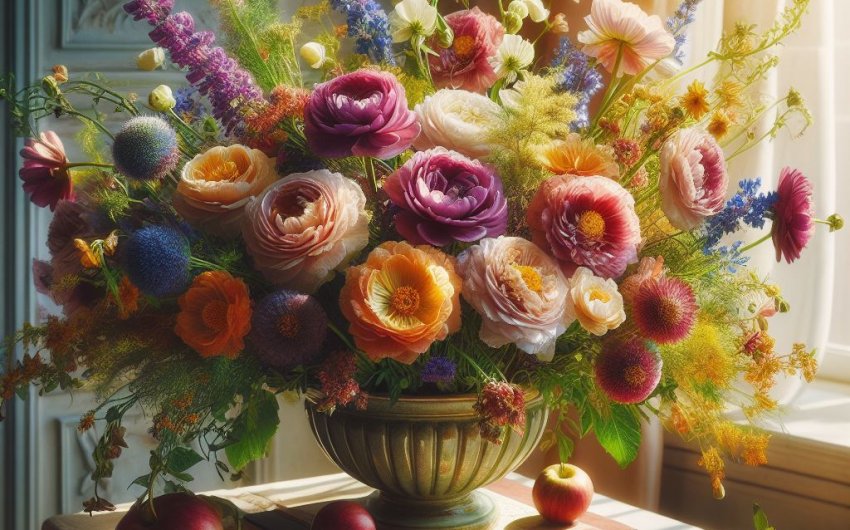
Transforming flowers from your garden to gorgeous arrangements is simpler than you think, making easy flower arranging accessible for everyone. Start with proper harvesting and conditioning, then focus on grouping by color, texture, and height to create stunning displays that bring natural beauty indoors.
What are the essential first steps for easy flower arranging from my garden?
The essential first steps for easy flower arranging begin even before you pick your first bloom, focusing on proper harvesting and immediate hydration. These crucial initial actions ensure your flowers last longer and look their best, making your garden to gorgeous journey a success.
Key first steps for successful flower arranging:
- Harvesting at the Right Time:
- Time of day: Cut flowers in the early morning after the dew has dried, but before the sun gets hot. Plants are most hydrated at this time, leading to a longer vase life. Avoid cutting in the midday heat.
- Stage of bloom:
- For most flowers (e.g., Zinnias, Marigolds): Cut when the flower is about 1/2 to 3/4 open.
- For buds (e.g., Tulips, Gladiolus): Cut when buds are showing color but are still mostly closed. They will open in the vase.
- For fully open (e.g., Dahlias, Sunflowers): Cut when fully open but still firm and fresh-looking.
- Use Sharp, Clean Tools:
- Tools: Always use very sharp floral snips or a sharp knife. Dull tools crush stems, blocking water uptake.
- Cleanliness: Sterilize your tools with rubbing alcohol between different plants to prevent the spread of diseases.
- Immediate Hydration (Crucial!):
- Prepare a bucket: Have a clean bucket or vase filled with cool, fresh water ready in the garden.
- Plunge immediately: As soon as you cut a stem, plunge it immediately into the water. This prevents air from entering the stem's vascular system, which can block water uptake.
- Remove Lower Foliage:
- Once you bring your cut flowers inside, strip off any leaves that would fall below the waterline in your arrangement vase. Submerged leaves will rot and create bacteria, contaminating the water and shortening vase life.
- Conditioning (A Must for Longevity):
- Recut stems: After initial harvest and before arranging, give each stem a fresh, diagonal cut (about 1 inch from the bottom) with sharp tools. This reopens the vascular system. Do this under running water if possible.
- Deep water bath: Place the recut stems into a bucket of cool water (ideally with flower food) and let them hydrate for 2-4 hours (or overnight) in a cool, dark place. This allows them to "drink up" fully and become turgid.
What are the basic tools I need for easy flower arranging?
You don't need a professional studio to create stunning floral arrangements. For easy flower arranging, a few basic, readily available tools are all you need to prepare your blooms, shape your designs, and keep them fresh.
Essential tools for easy flower arranging:
- Sharp Floral Snips or Scissors:
- Purpose: For clean cuts that don't crush stems, allowing for better water uptake.
- Recommendation: Look for dedicated floral snips or a sharp pair of kitchen scissors that you reserve for flowers.
- Clean Vases or Containers:
- Purpose: To hold your arrangement and water. Cleanliness is key to preventing bacterial growth.
- Recommendation: Have a variety of shapes and sizes on hand (cylinders, pitchers, bowls). Wash with hot, soapy water and a bottle brush.
- Flower Food Packets:
- Purpose: Provides nutrients, lowers water pH for better absorption, and contains a bactericide to keep water clean.
- Recommendation: Most store-bought flowers come with a packet. You can also purchase universal flower food in bulk.
- Buckets or Deep Vases:
- Purpose: For initial conditioning and hydrating flowers after cutting.
- Recommendation: At least one tall, clean bucket or deep vase to hold stems fully submerged after cutting.
- Watering Can or Pitcher:
- Purpose: For easy and controlled watering of your arrangements.
- Recommendation: A standard watering can or even a kitchen pitcher works fine.
- Floral Tape (Optional, for structure):
- Purpose: Clear floral tape can be used to create a grid across the top of a wide-mouthed vase, providing support for stems.
- Flower Frog (Optional, for open bowls):
- Purpose: A flower frog (knezan) is a heavy base with pins that holds stems upright in shallow bowls.
- Paper Towels or Cloth:
- Purpose: For cleaning up drips and spills, wiping stems.
How do I choose the best flowers from my garden for arranging?
Choosing the best flowers from your garden for arranging involves an eye for variety in shape, size, and texture, ensuring your floral arrangements are dynamic and interesting. Thinking about the "thriller, filler, spiller" principle (even for vase work) helps create a balanced and beautiful design from your garden to gorgeous blooms.
Selecting flowers from your garden:
- "Thriller" (Focal Flowers):
- Purpose: The stars of your arrangement, drawing immediate attention.
- Characteristics: Large, bold, or uniquely shaped blooms.
- Examples: Dahlias, Sunflowers, Peonies, large Roses, Lilies, Canna Lilies, large Zinnias.
- "Filler" (Secondary Flowers):
- Purpose: Support the focal flowers, adding volume, color, and texture.
- Characteristics: Medium-sized blooms, often clustered or in sprays.
- Examples: Cosmos, Marigolds, smaller Zinnias, Carnations, Statice, Baby's Breath, Lisianthus, Feverfew.
- "Spiller" (Foliage/Trailing Elements):
- Purpose: Softens the edges of the vase, adds texture, and creates movement. Can also provide a base.
- Characteristics: Interesting foliage, trailing vines, or delicate fronds.
- Examples: Eucalyptus, Dusty Miller, Ferns, Ivy, Lamb's Ear, Salal (Lemon Leaf), Rosemary (for fragrance).
- Consider Bloom Stage:
- Cut most flowers when they are about 1/2 to 3/4 open.
- Cut spray flowers (like Salvia) when a few blooms on the stem are open, and others are still buds.
- Think about color harmony:
- Monochromatic: Different shades of one color.
- Analogous: Colors next to each other on the color wheel.
- Complementary: Opposite colors for bold contrast.
- Vary Texture and Form:
- Mix smooth petals with ruffled ones, spiky forms with round blooms.
- Combine broad leaves with delicate foliage.
How do I prepare flowers for arranging to ensure they last?
Proper preparation of your flowers is the cornerstone of easy flower arranging and the key to ensuring your stunning creations from garden to gorgeous last as long as possible. This involves meticulous conditioning and thoughtful steps before a single stem enters the vase.
Steps to prepare flowers for arranging:
- Re-cut Stems (The Golden Rule):
- Method: Using sharp floral snips or a knife, cut 1-2 inches off the bottom of each stem at a 45-degree angle.
- Why: This reopens the vascular system, allowing the flower to drink efficiently. A diagonal cut prevents the stem from sitting flat and sealing against the bottom of the vase.
- Crucial tip: Do this under running water or immediately plunge the cut stems into water. This prevents air bubbles from forming in the stem, which can block water uptake and cause wilting.
- Remove All Submerged Foliage:
- Method: Strip off any leaves or side shoots that would fall below the waterline in your final arrangement vase.
- Why: Submerged foliage decomposes rapidly, creating bacteria that contaminate the water and clog the stems, dramatically shortening vase life.
- Hydrate Thoroughly (Conditioning):
- Method: After recutting and stripping leaves, place all flowers into a clean bucket or deep vase filled with cool, fresh water and flower food.
- Duration: Let them drink for at least 2-4 hours, or preferably overnight, in a cool, dark place (like a basement or cool room). This allows them to fully rehydrate and become turgid before arranging.
- Specific for Tulips: For tulips, tightly wrapping them in paper during this hydration step helps them stand straight (see previous articles).
- Clean Your Vase:
- Always use a thoroughly cleaned vase. Wash with hot, soapy water and a bottle brush to remove any lingering bacteria or residue from previous arrangements.
- A diluted bleach solution (1 part bleach to 10 parts water) can be used for deep cleaning, followed by thorough rinsing.
What are simple techniques for arranging flowers in a vase?
Creating beautiful floral arrangements in a vase is surprisingly simple once you grasp a few basic techniques. For easy flower arranging, focus on building a stable foundation, varying heights, and grouping similar elements to create a natural, flowing look.
Simple vase arranging techniques:
- The "Grid" Method (for wide-mouthed vases):
- Purpose: Provides support for individual stems, preventing them from flopping to the sides of a wide vase.
- How to: Create a crisscross grid pattern across the top of your vase opening using clear floral tape.
- Arrangement: Insert stems into the individual openings of the grid, allowing them to stand upright and hold their position.
- The "Criss-Cross" or "Framework" Method (for self-support):
- Purpose: Stems support each other, creating a natural structure.
- How to: Start by placing your first few sturdy stems diagonally into the vase, letting them lean against the rim. Then, add more stems, crisscrossing them in the center. This interlocks the stems, forming a natural cage.
- Arrangement: Continue adding flowers and foliage, tucking stems into the framework.
- Building from "Thriller, Filler, Spiller":
- Thriller First: Place your tallest, most dramatic flower (thriller) in the center or slightly off-center to establish the height.
- Filler Next: Surround the thriller with your filler flowers, building out the volume and width of the arrangement.
- Spiller Last: Add your foliage and trailing elements (spillers) around the edges, allowing them to drape gracefully over the rim of the vase.
- Vary Heights and Depth:
- Don't make all stems the same length. Cut some taller and some shorter to create visual interest and a more natural, dynamic look.
- Push some flowers deeper into the arrangement for depth; let others stand out.
- Group Similar Elements:
- Rather than scattering single flowers of the same type or color, try to group 3-5 stems together. This creates more visual impact.
- Rotate as You Arrange:
- If your arrangement will be viewed from all sides (e.g., a dining table centerpiece), rotate the vase as you work to ensure it looks balanced from every angle.
- "Just a Bunch" Method:
- For super simple, rustic arrangements, especially with a single flower type like tulips or sunflowers, simply gather a bunch in your hand, trim the stems to a uniform length, and place them into a vase with a relatively narrow opening that holds them snugly.
How do I choose the right vase or container for my arrangements?
Choosing the right vase or container is an integral part of easy flower arranging, as the vessel itself significantly impacts the overall aesthetic and stability of your garden to gorgeous displays. The shape, size, and material of your container should complement both the flowers and the setting.
Key considerations for vase selection:
- Size of the Arrangement:
- Height: The vase height should generally be about half to two-thirds the finished height of your flowers (thriller). Too tall, and the flowers get lost; too short, and the arrangement can look top-heavy.
- Width: The vase opening should be appropriate for the number of stems. Too wide, and stems flop; too narrow, and it looks cramped.
- Shape of the Vase:
- Cylinder Vase: Classic, versatile, provides good support for upright stems. Great for dense, massed arrangements.
- Hourglass/Tapered Vase: Narrows at the neck, providing a natural "grip" for stems, making it easy to create a self-supporting arrangement.
- Open Bowl/Compote: Best for low, abundant arrangements, often requiring a flower frog or floral foam for support. Ideal for dining tables.
- Bud Vase: Perfect for showcasing individual blooms or very small groupings.
- Pitcher/Jug: Adds a charming, rustic, or informal touch.
- Material of the Vase:
- Glass: Allows stems and water to be seen (must be kept clean!), offers a clean, modern look.
- Ceramic: Opaque, hides stems, offers a wide range of colors and textures. Can be rustic, modern, or elegant.
- Metal (e.g., galvanized, brass): Adds a rustic, industrial, or vintage feel. Can react with water over time, use a liner if concerned.
- Wood (with liner): Adds warmth and natural texture, requires a waterproof liner.
- Aesthetics and Style:
- Complement your decor: Choose a vase that matches your home's style (e.g., sleek glass for modern, distressed ceramic for farmhouse).
- Complement your flowers: Let the vase enhance, not overpower, the beauty of the blooms.
- Weight and Stability:
- Especially for taller arrangements, ensure the vase is heavy and stable enough to prevent tipping once filled with flowers and water.
How do I keep my flower arrangements fresh and vibrant for longer?
Keeping your floral arrangements fresh and vibrant for longer is key to maximizing the beauty you've created. Consistent and correct care, often overlooked, makes all the difference in extending the life of your cut flowers.
Essential tips for long-lasting flower arrangements:
- Always Start with Conditioned Flowers: This is the most crucial step (see "Prepare flowers for arranging" section).
- Use Fresh, Cool Water:
- Frequency: Change the water in your vase daily, or at least every other day. Old water quickly becomes a breeding ground for bacteria.
- Temperature: Cool water is best; it's absorbed more efficiently and helps flowers stay turgid.
- Always Use Flower Food:
- Why: Commercial flower food provides essential nutrients, lowers the water's pH for better absorption, and contains a bactericide to keep the water clean.
- Dosage: Follow package instructions carefully.
- Re-cut Stems Regularly:
- Frequency: Every 1-2 days, take your arrangement apart (if possible) and give each stem a fresh, diagonal cut (1/2 inch) with sharp floral snips.
- Why: This reopens the vascular system, allowing continuous water uptake.
- Remove Submerged Foliage:
- Double-check that no leaves are sitting below the waterline. This is the primary cause of bacterial growth.
- Choose the Right Location:
- Avoid direct sunlight: Sunlight causes flowers to open faster, wilt, and fade quickly.
- Avoid heat sources: Keep arrangements away from radiators, heat vents, fireplaces, and even warm electronics.
- Avoid ripening fruit: Ripening fruits (especially bananas and apples) release ethylene gas, a natural plant hormone that accelerates the aging and decay of cut flowers.
- Cool spots: Find the coolest possible spot in your home for the longest vase life.
- Mist Delicate Blooms (Occasionally):
- Some delicate flowers (like hydrangeas) appreciate a light misting with water, but avoid overdoing it, as excessive moisture can promote fungal issues.
- Clean Vase: Ensure the vase is sparkling clean after each use to prevent bacterial contamination.
What are some creative ways to display garden flowers beyond a vase?
Creative ways to display garden flowers go beyond traditional vases, transforming your beautiful blooms into unexpected art forms throughout your home and garden. These easy flower arranging ideas add whimsy, charm, and a personalized touch.
Creative display ideas beyond a vase:
- Floating Blooms:
- Concept: Cut flower heads off their stems and float them in a shallow bowl of water.
- Flowers: Roses, Dahlias, Gardenias, large Zinnias, any robust bloom.
- Impact: Serene, minimalist, elegant. Add a floating candle for ambiance.
- Bud Vase Clusters:
- Concept: Use a collection of small, mismatched bud vases, each holding a single perfect bloom or a small sprig of flowers.
- Flowers: Delphinium spikes, Rosebuds, Cosmos, small Zinnias, herbs.
- Impact: Delicate, charming, great for scattering joy across a mantelpiece or dining table.
- Pitchers, Jars, and Bottles:
- Concept: Repurpose everyday items as rustic or charming vases.
- Vessels: Mason jars, antique ceramic pitchers, vintage glass bottles.
- Impact: Informal, farmhouse-chic, adds character.
- Floral Garlands or Swags:
- Concept: Weave flexible stems (e.g., Eucalyptus, Ivy) with small flowers into a garland.
- Flowers: Lavender, small Roses, Sweet Alyssum, Dahlias (wired in).
- Impact: Dramatic, celebratory, perfect for doorways, staircases, or fireplace mantels.
- Woven into Place Settings:
- Concept: Use individual blooms or small sprigs to adorn napkins or place cards.
- Flowers: Lavender sprigs, small Rosebuds, a single Dianthus, Cosmos.
- Impact: Personal, elegant, and fresh touch for dinner parties.
- In a Basket with a Liner:
- Concept: Line a decorative wicker basket with plastic (or use a vase inside) and arrange a lush bouquet.
- Impact: Rustic, abundant, perfect for a picnic or as a centerpiece on a casual table.
- Cloche or Bell Jar Display:
- Concept: Place a small arrangement or a single perfect bloom in a tiny vase under a glass cloche.
- Impact: Creates a dramatic, museum-like, or magical focal point.
- Wired into Wreaths:
- Concept: Attach fresh garden blooms to a pre-made floral foam or vine wreath base using floral wire.
- Impact: Creates a vibrant, fresh wreath for a door or wall.
Turning your garden to gorgeous displays through easy flower arranging is a rewarding skill anyone can master. By focusing on proper harvesting and conditioning, using simple arranging techniques, and applying effective care tips, you can enjoy the vibrant beauty of fresh floral arrangements throughout your home, bringing nature's artistry indoors.