
Bread Revival: Rescuing Stale Loaves for Compost Enrichment!
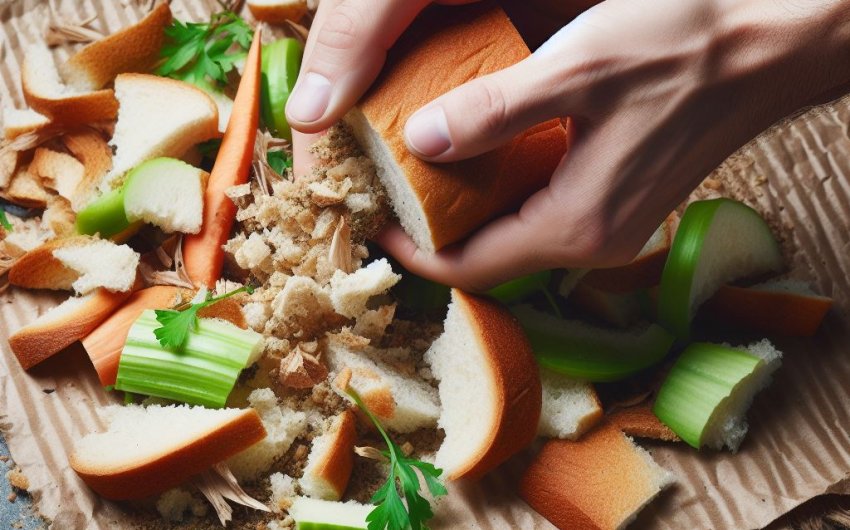
There's a familiar sight in many kitchens: a forgotten loaf of bread, once soft and inviting, now firm and unyielding. Perhaps it's a crusty baguette from last night's dinner, or the end of a sandwich loaf that nobody quite got around to finishing. Too often, these stale remnants meet a sad end in the trash bin, contributing to food waste. But for the eco-conscious gardener, that seemingly useless, hardened bread holds surprising potential. Instead of discarding it, you can embark on a journey of bread revival, transforming those stale crumbs into a valuable asset for your garden: rich, nourishing compost.
Composting is an age-old practice, a beautiful cycle of nature where organic materials break down to create "black gold" for your soil. It’s a powerful way to reduce waste, improve your garden’s health, and save money on fertilizers. While most people think of fruit and vegetable scraps or yard waste for their compost pile, many overlook the potential of stale bread. With a little know-how, that forgotten loaf can become a key ingredient, enriching your compost and ultimately feeding the very plants you cherish.
This guide will unlock the secrets to effectively incorporating stale bread into your compost pile. We’ll cover the benefits, the proper techniques, and important considerations to ensure your bread waste contributes positively to a thriving garden ecosystem. Say goodbye to guilt over discarded bread and hello to a more sustainable, vibrant garden. Get ready to turn kitchen waste into garden wealth, one stale slice at a time.
Why Should You Compost Stale Bread?
Throwing away food waste is a common habit, but it comes with a cost. Composting stale bread is a simple yet powerful way to contribute to a healthier environment and a more fertile garden.
How Does Composting Bread Reduce Waste?
Food waste is a huge problem globally, and bread is a significant part of it. When stale bread (or any food waste) is sent to a landfill, it breaks down without oxygen. This process creates methane, a potent greenhouse gas that contributes significantly to climate change. By composting bread, you divert it from landfills. Instead of producing harmful gases, it breaks down aerobically (with oxygen), creating valuable compost that enriches your soil. It's a simple act that has a big positive impact on reducing your overall waste footprint.
How Does Composting Bread Improve Soil Health?
The primary goal of composting is to create nutrient-rich material that improves your soil. When stale bread breaks down in compost, it adds valuable organic matter to the mix. Organic matter is crucial for healthy soil because it:
- Improves soil structure: Makes heavy clay soils lighter and more porous, and helps sandy soils hold water better.
- Increases water retention: Acts like a sponge, allowing soil to hold onto moisture, reducing the need for frequent watering.
- Feeds beneficial microorganisms: Compost is teeming with microbes, fungi, and other tiny creatures that are vital for breaking down nutrients into forms plants can use.
- Adds nutrients: While bread isn't a powerhouse of nutrients compared to other kitchen scraps, it still contributes small amounts of carbon, nitrogen, and other trace minerals that plants need. Ultimately, using composted bread contributes to a more fertile, vibrant garden bed, reducing your reliance on chemical fertilizers.
Is Composting Bread Easy?
Yes, once you understand a few key considerations, composting bread is very easy. It doesn't require special equipment or complex steps beyond what you already do for general composting. The main challenge is just ensuring it's added correctly to prevent issues like pests or mold (the bad kind). It's a low-effort way to boost your compost pile with a readily available household waste product.
How Does It Contribute to the "Greens" and "Browns" Balance?
In composting, materials are categorized as "greens" (nitrogen-rich, fresh, moist) or "browns" (carbon-rich, dry, woody). Bread can act as both, depending on its state, but generally, it's considered a "green" or a "neutral" material in terms of its nitrogen content. However, its bulkier, drier nature after it's gone stale means it can also contribute to the "brown" side of the equation by providing good structure and air pockets. This flexibility makes it a useful addition, helping to maintain the crucial carbon-to-nitrogen ratio for effective decomposition.
What Types of Bread Can You Compost?
Not all bread is created equal when it comes to composting. Knowing which types are best and which to avoid will ensure a healthy, active compost pile.
Can You Compost Plain Bread?
Yes, plain bread is the best type to compost. This includes:
- White bread
- Whole wheat bread
- Sourdough bread
- Bagels
- Buns and rolls
- Plain crackers (without excessive salt or oil) These types are simple carbohydrate sources that break down readily. The simpler the ingredients, the better it is for your compost pile.
What About Moldy Bread?
This is a common question, and the answer is generally yes, you can compost moldy bread. The molds that grow on bread are generally different from plant pathogens and will break down harmlessly in the compost pile. In fact, they are part of the decomposition process. However, if your bread is extremely moldy, or if you have concerns about attracting pests, you might prefer to bury it deeper in the pile or mix it thoroughly with other materials. The heat generated by a well-managed compost pile will quickly break down these molds.
What Bread Should You Avoid Composting?
While most plain bread is fine, there are certain types of bread and bread-related products that you should avoid composting, or at least add in very small, carefully managed amounts:
- Bread with excessive oil or butter: Oily or fatty foods can attract pests (rodents, raccoons) and slow down decomposition. Think greasy pizza crusts or heavily buttered toast.
- Bread with large amounts of cheese or dairy: Dairy products can attract pests and create foul odors as they decompose.
- Meat or meat products: Absolutely do not compost meat, bones, or meat scraps (e.g., bits of sandwich meat left on bread). These attract pests, create unpleasant odors, and can harbor harmful bacteria.
- Heavily processed or sugary breads: While small amounts are okay, bread with a lot of sugar or artificial ingredients might take longer to break down or could attract ants.
- Dog biscuits or pet food: These are often high in fats and processed ingredients that are best kept out of the compost. Sticking to plain, simple bread products is the safest bet for a healthy compost pile.
Why is Reducing Size Important for Composting Bread?
For all types of bread you add to compost, reducing its size is crucial.
- Faster decomposition: Smaller pieces break down much faster. A whole loaf of bread will take a very long time to decompose, and might become a soggy, smelly blob in the process.
- Prevents matting: Large pieces of bread can become compacted and "mat" together, creating anaerobic (oxygen-deprived) pockets that lead to foul odors and slow decomposition.
- Better integration: Smaller pieces integrate better with the other compost materials, ensuring a good mix of "greens" and "browns." Break up loaves, tear slices into smaller chunks, or even run dried bread through a food processor or blender to make crumbs. A food processor can quickly turn a stale loaf into compost-ready pieces.
How Do You Prepare Stale Bread for Composting?
Proper preparation is key to successfully integrating stale bread into your compost pile without creating issues. A little effort here goes a long way.
Should You Dry Out Stale Bread?
While you can technically compost fresh bread, it's often better to dry out stale bread before adding it to your compost pile.
- Reduces moisture: Fresh bread has a high moisture content, and too much wet material can make your compost pile soggy and anaerobic. Drying helps balance the moisture.
- Easier to break up: Dried, stale bread is much easier to break into smaller pieces.
- Less attractive to pests: Dried bread is generally less appealing to rodents and other pests than moist, fresh bread. You can dry bread by leaving it exposed to air on a counter for a few days, toasting it, or even baking it on a low temperature in the oven until crisp.
How Do You Break Down Bread for Composting?
Once dry, breaking down the bread into smaller pieces is paramount for efficient decomposition.
- Tear by hand: For smaller amounts, simply tear the bread into 1-2 inch chunks.
- Crumble: Very stale or toasted bread can often be easily crumbled by hand.
- Food processor: For larger quantities or to make very fine crumbs, a food processor is an excellent tool.
- Blender: A blender can also work for dried bread to create smaller particles. The smaller the pieces, the faster they will decompose and the less likely they are to cause problems in your compost pile.
Why is Mixing with Other Materials Important?
Never just dump a large quantity of bread into your compost pile by itself. Always mix bread thoroughly with other compost materials.
- Balance of "greens" and "browns": Ensure you're layering or mixing bread (which can lean towards "green" due to its nitrogen content, or "neutral/brown" due to its carbon and bulk) with plenty of "browns" like fallen leaves, shredded paper, or wood chips.
- Airflow: Mixing prevents the bread from clumping together and forming a dense, soggy mass. Good mixing ensures proper airflow throughout the pile, which is essential for aerobic decomposition.
- Even decomposition: Spreading the bread out helps distribute the microorganisms that will break it down, leading to more even and efficient composting.
How Much Bread Can You Add to Compost?
While bread is a good addition, it's best added in moderation. Don't let bread make up a huge percentage of your compost pile.
- Small, regular additions: It's better to add small amounts of prepared bread regularly, rather than large batches all at once.
- General guideline: Aim for bread to be no more than 5-10% of the total volume of your compost pile at any given time.
- Observe your pile: If you notice bad odors (like a sour smell) or an increase in pests after adding bread, you might be adding too much or not mixing it thoroughly enough. Adjust accordingly.
How Do You Add Stale Bread to Your Compost Pile?
Once your stale bread is prepared, adding it to your compost pile correctly is simple but important for success.
How Do You Layer Bread in a Compost Bin?
The best way to add prepared bread (small, dry pieces) to your compost bin is to layer it.
- Add a layer of "browns": Start with a base of dry, carbon-rich materials like shredded leaves, straw, or wood chips.
- Scatter bread pieces: Spread a thin layer of your prepared bread pieces over the "browns."
- Cover with more "browns" and "greens": Immediately cover the bread layer with a thicker layer of "browns" and some "greens" (like kitchen scraps or fresh grass clippings). This "sandwich" method helps to:
- Bury the bread: Hiding the bread prevents attracting pests and reduces odors.
- Ensure good mix: Ensures the bread is surrounded by other materials for proper aeration and carbon/nitrogen balance. This layering technique works well whether you're using a simple compost pile, a compost tumbler, or a multi-bin system.
Why Should You Bury Bread in Your Compost?
Always bury any fresh or processed bread scraps deep within your compost pile, at least 6-8 inches down.
- Pest control: Burying edible scraps like bread is the best way to deter rodents (mice, rats) and other animals (raccoons, opossums) from being attracted to your compost bin.
- Odor control: Burying also helps contain any potential odors that might arise as the bread begins to decompose, preventing unpleasant smells.
- Optimal decomposition: Being surrounded by the bulk of the compost helps the bread decompose more efficiently, as it will be exposed to the heat and microbial activity of the pile.
How Does Moisture Affect Bread in Compost?
Moisture is critical for composting, and too much or too little moisture around bread can cause problems.
- Too wet: If bread gets too wet and compacted (e.g., a whole soggy loaf), it can become anaerobic and develop a foul, sour smell.
- Too dry: If the compost pile is too dry, decomposition will slow down, and the bread might just sit there without breaking down.
- Maintain "wrung-out sponge" consistency: Ensure your overall compost pile feels like a wrung-out sponge – damp but not dripping. The dry, prepared bread pieces will absorb some moisture from other materials, helping to balance the pile. If your pile gets too wet, add more dry "brown" material like shredded leaves or newspaper to absorb excess moisture.
Should You Turn the Compost Pile After Adding Bread?
Yes, turning your compost pile after adding bread (and other fresh materials) is highly beneficial.
- Mixes thoroughly: Turning ensures the bread pieces are well-distributed throughout the pile, maximizing exposure to microbes and oxygen.
- Aerates the pile: It introduces oxygen, which is vital for aerobic decomposition. This prevents the pile from becoming stagnant and smelly.
- Speeds decomposition: Regular turning helps the pile heat up faster and break down materials more quickly. A compost turning tool can make this task much easier, especially for larger piles.
What Are Common Problems When Composting Bread and How to Fix Them?
While composting bread is generally easy, issues can arise if not managed correctly. Knowing how to identify and fix them will ensure your compost pile remains healthy and productive.
Why Does My Compost Pile Smell Bad?
A sour, rotten, or ammonia-like smell in your compost pile is a sign of an anaerobic problem, meaning there's not enough oxygen. This can happen if too much moist, "green" material (like lots of bread or fresh grass clippings) is added without enough "browns" or proper aeration.
- The fix:
- Turn the pile: Mix the compost thoroughly to introduce oxygen.
- Add "browns": Mix in more dry, carbon-rich materials like shredded leaves, straw, or crumpled newspaper to absorb excess moisture and create air pockets.
- Reduce future wet additions: Be mindful of adding too many wet items at once.
Why Are There Pests in My Compost Pile?
If you notice rodents (mice, rats), raccoons, or other animals rummaging in your compost, it's usually because you're adding too much of what they consider food, and it's not being properly buried.
- The fix:
- Bury all food scraps: Always bury bread and other kitchen scraps deep within the pile (at least 6-8 inches under other materials).
- Avoid problematic foods: Do not add meat, bones, dairy, or oily foods, as these are major attractants.
- Use a secure bin: If pests are a persistent problem, consider a more secure compost bin with a lid and sturdy sides, like a tumbling compost bin.
- Balance moisture: Keep the pile damp but not soaking wet, as very wet conditions can also attract certain pests.
Why Is My Compost Not Breaking Down (Too Slow)?
If your compost pile isn't heating up or materials, including bread, are breaking down very slowly, it could be due to several factors:
- Lack of moisture: The pile is too dry.
- Lack of nitrogen ("greens"): Not enough fresh, moist materials to fuel microbial activity.
- Lack of oxygen: Not enough turning or airflow.
- Pieces are too large: Materials aren't chopped small enough.
- Cold temperatures: During winter, decomposition naturally slows down.
- The fix:
- Add water: Moisten the pile until it feels like a wrung-out sponge.
- Add "greens": Mix in fresh grass clippings, coffee grounds, or kitchen scraps.
- Turn the pile: Aerate the pile frequently.
- Shred materials: Ensure bread and other items are in small pieces.
What if I See White Mold on My Bread in the Compost?
Seeing white mold (fungi) or a white, spider-web-like growth on the bread or other materials in your compost pile is actually a good sign! This means decomposition is happening. These are beneficial fungi that are helping to break down the organic matter. Don't worry about it; it's a natural and desired part of the composting process.
How Can I Make My Compost Hotter?
A hot compost pile breaks down materials much faster. If you want to speed up decomposition, particularly when adding bread, aim for a hotter pile.
- Good balance of greens and browns: Ensure the ideal ratio (roughly 1 part green to 2-3 parts brown by volume).
- Adequate moisture: Keep it consistently damp.
- Regular turning: Aerate the pile frequently.
- Small pieces: Chop all materials, including bread, into smaller pieces.
- Sufficient mass: A pile needs to be at least 3x3x3 feet to build and hold heat effectively. A hotter pile is more likely to kill weed seeds and most plant disease pathogens, though it's still safest to avoid composting obviously diseased plants.