
Pasta & Rice Resurgence: Composting Cooked Grains for Greener Gardens!
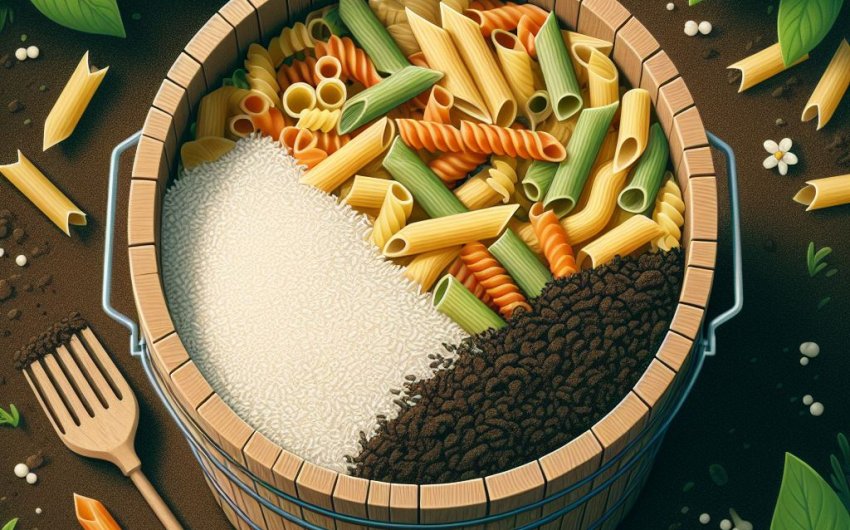
Are you a pasta lover? Do you enjoy a good bowl of rice? If so, you're not alone! These delicious grains are staples in kitchens worldwide. But what happens to the leftovers? Often, cooked pasta and rice end up in the trash, destined for landfills. This is a real shame, not just for the waste of food, but also for the environmental impact. Landfills are filling up fast, and decaying food creates methane, a powerful greenhouse gas that contributes to climate change. But what if we told you there's a better way? What if you could turn your leftover spaghetti and risotto into something amazing for your garden? Get ready to explore the exciting world of composting cooked grains and discover how you can create a greener, healthier garden while reducing your food waste. This is a pasta and rice resurgence for your soil!
Why Should We Compost Cooked Grains?
Composting is like magic for your garden. It takes kitchen scraps and yard waste and turns them into rich, dark compost, often called "black gold" by gardeners. This amazing material then goes back into your soil, making it super fertile and full of life. But why focus on cooked grains specifically?
Reducing Food Waste
Every year, a shocking amount of food goes to waste. In the United States alone, it's estimated that 30-40% of the food supply is wasted. Think about that: almost half of everything we produce! Much of this waste is food scraps from our homes, including leftover cooked pasta and rice. When these items are thrown in the regular trash, they go to landfills. As they break down without air, they produce methane, a gas that's 25 times more potent than carbon dioxide when it comes to trapping heat in our atmosphere. By composting these grains, we keep them out of landfills and prevent this harmful gas from being released. It's a simple step with a big impact on reducing our carbon footprint.
Enriching Garden Soil
So, what happens when you add cooked grains to your compost pile? They become a fantastic source of nutrients for your garden. Cooked pasta and rice are primarily made of carbohydrates, which are energy sources for the tiny microbes and worms that live in your compost pile. As these little helpers break down the grains, they release essential plant nutrients like nitrogen, phosphorus, and potassium. Nitrogen is crucial for leafy green growth, phosphorus helps with strong roots and flowers, and potassium aids overall plant health. Imagine your tomatoes growing bigger and your flowers blooming brighter, all thanks to your leftover lasagna! Adding finished compost to your garden improves the soil structure too, making it more airy and able to hold water better. This means your plants will be happier and healthier, needing less extra water and chemicals.
A Sustainable Lifestyle Choice
Composting cooked grains is more than just a gardening trick; it's a step towards a more sustainable lifestyle. It encourages you to think about what you consume and how you dispose of waste. By diverting your organic materials from the trash, you actively participate in a circular economy. This means resources are reused and recycled, rather than being used once and thrown away. It's about being more mindful of our planet and making choices that benefit both us and the environment. Plus, it's incredibly satisfying to see your food scraps transform into something that helps your garden thrive. It’s a win-win situation for your conscience and your green thumb!
Are Cooked Grains Different to Compost?
You might be thinking, "Isn't all food waste the same when it comes to composting?" Not quite! While many kitchen scraps are excellent for composting, cooked grains, especially pasta and rice, have some unique qualities and considerations.
The "Sticky" Factor: Avoiding Pests
One common concern about composting cooked grains is their tendency to become sticky and attract pests. When pasta and rice break down, they can become quite gooey. This texture, along with the starches present, can be very appealing to critters like rats, mice, and even raccoons. These unwanted visitors can then make a mess of your compost pile and potentially spread diseases. This is why it's generally advised to compost cooked grains with caution and to follow specific techniques to minimize pest attraction. It's not a reason to avoid composting them altogether, but rather to be smart about how you do it.
Odor Potential
Another issue related to the sticky nature of cooked grains is the potential for odors. When large amounts of pasta or rice break down in a compost pile, especially if the pile isn't well-aerated, they can create unpleasant smells. This happens because of a process called anaerobic decomposition, where organic matter breaks down without enough oxygen. This process often produces foul-smelling compounds. Nobody wants a smelly compost pile in their backyard, so understanding how to prevent this is key. Proper compost management is essential to ensure your pile smells earthy and pleasant, not like rotten food.
Moisture Content
Cooked pasta and rice have a high moisture content. While some moisture is necessary for composting, too much can slow down the decomposition process and contribute to the "sticky" and "smelly" issues mentioned above. A well-balanced compost pile needs a good mix of "greens" (nitrogen-rich, often moist materials like food scraps) and "browns" (carbon-rich, dry materials like leaves and shredded paper). Adding too many moist cooked grains without enough dry materials can throw off this balance. It's all about creating the perfect environment for those hardworking microbes to do their job efficiently.
The Art of Composting Cooked Grains: Tips and Tricks
So, now that we understand the unique challenges, how do we successfully compost cooked pasta and rice without attracting unwanted guests or creating stinky situations? It's all about technique and a little bit of planning.
Small Amounts Are Key
This is perhaps the most important rule when composting cooked grains. Don't dump a huge pot of leftover spaghetti into your compost bin all at once. Instead, add small amounts gradually over time. Think of it like adding a seasoning to a dish – a little bit goes a long way. This allows the grains to break down more evenly and prevents them from clumping together and becoming a gooey, smelly mess. A good rule of thumb is to add no more than a cup or two of cooked grains at a time, especially when you're first starting out.
Bury Them Deep
To deter pests and prevent odors, always bury your cooked grains deep within your compost pile. Don't just leave them exposed on top. After adding the grains, cover them immediately with a thick layer of "brown" materials, like dry leaves, wood chips, or shredded newspaper. You can also cover them with a layer of existing, partially broken-down compost. This burying technique helps to:
- Prevent pest attraction: By hiding the food source, you make it less appealing and harder for pests to find.
- Reduce odors: Covering the grains helps to contain any potential smells and encourages aerobic decomposition.
- Promote faster breakdown: The surrounding compost provides a ready supply of microbes to start working on the grains immediately.
Balance with "Browns"
As we mentioned, cooked grains are considered "greens" because they are rich in nitrogen and moisture. To create a healthy, odor-free compost pile, you need to balance these "greens" with plenty of "browns." "Browns" are carbon-rich materials that provide structure and aeration to the pile. Think of items like:
- Dry leaves: A fantastic source of carbon, readily available in the fall.
- Shredded cardboard: Tear up old delivery boxes (remove tape and labels).
- Shredded newspaper: Avoid glossy inserts.
- Wood chips or sawdust: Great for adding bulk and carbon.
- Straw: Excellent for aeration.
A general ratio to aim for is about two to three parts "browns" to one part "greens". So, if you add a small amount of cooked pasta, follow it up with a much larger amount of dry leaves or shredded paper. This balance is crucial for a thriving aerobic compost system where the beneficial microbes can do their work efficiently.
Aeration is Your Friend
Aeration means adding air to your compost pile. This is vital for healthy decomposition, especially when dealing with moist materials like cooked grains. When your compost pile gets enough air, it promotes the growth of beneficial microbes that break down organic matter quickly and without producing foul odors. Think of it like giving your compost pile a breath of fresh air! You can aerate your pile by:
- Turning the pile regularly: Use a pitchfork or a compost aerator (like this compost aerator) to mix up the materials every few days or once a week. This distributes oxygen throughout the pile and helps new materials mix with older, more active compost.
- Ensuring good airflow: Don't compact your pile too tightly. Add materials with different textures to create air pockets. Using a compost bin with good ventilation (such as this compost tumbler) can also help.
Consider a Composting Method
Different composting methods can be more or less suitable for cooked grains.
Hot Composting
Hot composting is a faster method that involves building a larger pile (at least 3x3x3 feet) and carefully balancing "greens" and "browns" to create high temperatures. These high temperatures (up to 160°F or 71°C) quickly break down materials, kill weed seeds, and pathogens. Hot composting is excellent for cooked grains because the high heat rapidly breaks them down, reducing pest attraction and odor potential. However, it requires more attention and frequent turning.
Cold Composting
Cold composting is a slower, more passive method where you simply add materials to a pile or bin over time. It doesn't reach high temperatures, so decomposition is slower. While you can add cooked grains to a cold compost pile, you must be extra vigilant about burying them deep and adding plenty of "browns" to prevent pests and odors. It's generally less recommended for significant amounts of cooked grains compared to hot composting.
Vermicomposting (Worm Composting)
Vermicomposting uses worms (specifically red wigglers) to break down food scraps. This is a fantastic method for many kitchen wastes, but there's a debate about cooked grains. While worms can eat cooked grains, the sticky nature can cause issues. Large amounts can make the worm bin too dense, reduce airflow, and lead to anaerobic conditions and smells. If you use vermicomposting, add cooked grains very sparingly, ensuring they are well-mixed with other bedding materials and not in large clumps. Consider a sturdy worm composting bin if you're interested in this method.
Bokashi Composting
Bokashi is a unique composting method that uses an inoculated bran (often with beneficial microbes) to ferment food waste, including cooked grains. It's an anaerobic process, meaning it doesn't need oxygen. Food scraps are layered in a special Bokashi bucket (like this Bokashi kitchen composter) with the bran, sealed, and left to ferment. After fermentation, the pre-composted material is then buried in the garden or added to a traditional compost pile to fully break down. Bokashi is excellent for cooked grains as it effectively breaks them down without odors or pest issues during the fermentation phase.
Cooked vs. Uncooked Grains
It's worth noting the difference between cooked and uncooked grains when it comes to composting. Uncooked pasta and rice are less of a concern for pests and odors. They still provide carbon and some nutrients, but they break down slower. Cooked grains, due to their higher moisture and starch content, are much more appealing to pests and need the careful management described above. So, if you accidentally spill some dry rice, feel free to toss it in without as much worry!
What About Sauces and Oils?
Often, our leftover pasta and rice come with sauces, oils, or butter. It's important to consider these additions when composting.
Limiting Oils and Fats
While small amounts of oil or butter found on leftover pasta are generally okay, it's best to limit large amounts of oils and fats in your compost pile. Here's why:
- Slow decomposition: Fats break down very slowly in a compost pile. They can coat other materials, preventing air and water from reaching them, which slows down the overall decomposition process.
- Odor and pest attraction: Large quantities of oils and fats can become rancid, leading to foul odors. They are also very attractive to pests like rodents, which can be a significant problem.
- Anaerobic conditions: When fats break down anaerobically (without air), they produce very unpleasant smells.
So, if your pasta is heavily oiled or drenched in a creamy sauce, it's best to scrape off as much as possible before adding the pasta to the compost. A little bit of residue is fine, but avoid large puddles of oil.
Watch Out for Dairy and Meat Sauces
Sauces containing dairy products (like cheese sauce, cream sauces) or meat (like bolognese) should generally be avoided in home compost piles.
- Pest magnets: Dairy and meat are huge attractions for rodents, flies, and other undesirable critters. They are among the biggest culprits for bringing pests to your compost.
- Odor issues: As they decompose, dairy and meat products can produce very strong, offensive odors that will make your compost pile unwelcome in your backyard.
- Pathogens: While hot composting can kill some pathogens, it's generally safer to avoid meat and dairy in home compost to prevent the potential for harmful bacteria.
If you have pasta with a heavy meat or dairy sauce, it's usually better to scrape off the pasta itself and discard the sauce separately, or explore alternative methods like Bokashi composting, which can handle meat and dairy due to its anaerobic fermentation process.
Tomato-Based Sauces
Tomato-based sauces, like marinara or arrabiata, are generally fine in moderation. Tomatoes are fruits (botanically speaking!) and vegetable scraps are excellent for composting. As long as the sauce isn't excessively oily or doesn't contain large chunks of meat or dairy, a small amount on your pasta shouldn't be an issue. Remember the "bury deep" and "small amounts" rules!
Beyond the Bin: Creative Uses for Cooked Grains
Sometimes, even with the best intentions, you might not want to put all your cooked grains into the compost pile, or you might be looking for other ways to benefit your garden. Here are a few creative ideas.
Direct Burial (with Caution)
For smaller amounts of cooked grains, you can sometimes directly bury them in your garden beds. This is similar to trench composting. Dig a small hole or trench (about 6-8 inches deep) in an area where you plan to plant or in an existing garden bed. Place the cooked grains in the bottom, then cover them completely with soil. This works best in established garden beds where there's already a healthy microbial population to help break them down.
Important considerations for direct burial:
- Small quantities only: Don't bury a whole pot of pasta! This will attract pests and create anaerobic conditions.
- Deep burial: Ensure they are buried deep enough (at least 6-8 inches) to deter digging animals.
- Avoid fresh planting areas: Don't bury them directly where you are about to sow seeds or plant delicate seedlings, as the decomposition process might affect germination or young root development. It's better to do this a few weeks before planting.
- Pest awareness: If you have a significant pest problem (e.g., raccoons, rats), even deep burial might not be enough. In such cases, a fully enclosed compost bin or Bokashi might be better.
"Compost Tea" (Liquid Fertilizer)
While not directly using the cooked grains, you can use the water leftover from boiling pasta or rice as a beneficial addition to your garden. This starchy water contains some nutrients that dissolve during cooking.
To make "pasta water tea" or "rice water tea":
- Let the cooking water cool completely.
- Use it to water your plants. The starches can feed beneficial soil microbes, and the trace nutrients can give your plants a mild boost.
This is a very gentle and safe way to use these cooking byproducts. However, do not use water that contains excessive salt, oil, or heavy sauces. Plain, starchy water is best.
Feeding Chickens (If You Have Them!)
If you have backyard chickens, they are fantastic little recyclers! Many chickens love cooked pasta and rice. It can be a good way to use up small amounts of leftovers, providing them with some carbohydrates. However, always feed cooked grains in moderation as part of a balanced diet, not as their primary food source. And ensure the grains are plain, without harmful sauces or excessive salt.
Attracting Earthworms
Cooked grains, when properly composted, can contribute to a healthy earthworm population in your garden. Earthworms are incredible for soil health. They tunnel through the soil, creating channels for air and water, and their castings (worm poop) are rich in nutrients. As the grains break down, they provide food for the microbes, which in turn are food for the worms. A thriving worm population is a sign of a very healthy garden ecosystem. Consider adding a worm farm to your garden setup.
The Composting Essentials: Tools and Setup
To successfully compost cooked grains and all your other organic waste, having the right tools and setup can make a big difference.
Compost Bin Options
There are many types of compost bins, each with its own advantages.
- Open Bins/Piles: These are simply designated areas where you pile your compost materials. They are inexpensive and allow for easy turning, but they offer less pest control. Good for hot composting large volumes.
- Enclosed Bins: These can be made of plastic, wood, or wire mesh. They contain the compost, making it tidier and offering better pest deterrence than an open pile. A single compost bin is a popular choice for many home gardeners.
- Compost Tumblers: These bins rotate, making turning the compost very easy. They are excellent for aeration and can speed up the decomposition process, often reaching higher temperatures, making them ideal for cooked grains. A dual-chamber compost tumbler allows you to have one batch breaking down while you fill the other.
- Worm Bins: Specifically designed for vermicomposting, these usually have multiple trays for worms to move through as they process food scraps.
Choose a bin that fits your space, budget, and composting goals. If cooked grains are a regular item for you, a tumbler or a well-managed enclosed bin is often the best choice for pest management.
Essential Tools
Beyond the bin, a few basic tools will make your composting journey much easier.
- Compost Fork or Aerator: A sturdy pitchfork is excellent for turning open piles. For enclosed bins or tumblers, a compost aerator (like this T-handle compost aerator) allows you to mix and aerate the contents without much heavy lifting.
- Garden Gloves: Protect your hands from dirt, splinters, and anything unpleasant in the compost. A good pair of gardening gloves is a must.
- Kitchen Compost Caddy: A small container for your kitchen counter or under the sink makes it easy to collect food scraps throughout the day before taking them to the main compost bin. Look for a kitchen compost caddy with a lid to keep odors contained.
- Shredder (Optional but Helpful): A small garden shredder can break down larger "brown" materials like cardboard or twigs into smaller pieces, which decompose faster.
Troubleshooting Common Composting Problems
Even with the best intentions, sometimes composting can throw a curveball. Here's how to tackle common issues, especially when dealing with cooked grains.
Odors
If your compost pile smells bad, it's usually a sign of anaerobic conditions – not enough air.
- Solution: Turn your pile! Aerate it thoroughly with a compost fork or aerator. Add more "brown" materials like shredded leaves or cardboard to improve airflow. If you've added too many wet "greens" (like cooked grains), adding dry "browns" will help balance the moisture.
- Prevention: Always bury cooked grains deep, add small amounts, and maintain a good "green" to "brown" ratio. Turn your pile regularly.
Pests (Rodents, Flies)
Pests are attracted to exposed food scraps, especially moist ones like cooked grains.
- Solution:
- Bury all food scraps deeply: This is the golden rule.
- Don't add pest magnets: Avoid meat, dairy, and large amounts of oils/fats.
- Use an enclosed compost bin: A compost tumbler or a sealed bin with a secure lid (like this pest-proof compost bin) is very effective.
- Regular turning: Breaks down food faster, leaving less for pests.
- Bokashi method: Excellent for deterring pests during the fermentation phase.
- Prevention: Follow all the tips for burying grains and balancing your pile.
Slow Decomposition
If your compost pile isn't breaking down as quickly as you'd like, several factors could be at play.
- Lack of moisture: Your pile might be too dry. It should feel like a wrung-out sponge.
- Solution: Add water. You can spray it with a hose or add more moist "greens."
- Lack of nitrogen ("greens"): The microbes need nitrogen to thrive.
- Solution: Add more food scraps, grass clippings, or a little bit of a nitrogen source like alfalfa meal.
- Lack of carbon ("browns"): Too much "green" can lead to a soupy, slow-breaking mess.
- Solution: Add more shredded paper, leaves, or wood chips.
- Lack of aeration: Not enough oxygen for the microbes.
- Solution: Turn the pile more frequently.
- Too cold: Composting slows down significantly in very cold weather.
- Solution: In winter, insulate your pile or focus on smaller, hot compost batches.
The Payoff: Using Your "Black Gold"
After all your diligent composting efforts, the ultimate reward is a rich, dark, earthy-smelling material: finished compost. This "black gold" is teeming with beneficial microbes and nutrients, ready to revitalize your garden.
How to Tell When Compost is Ready
Finished compost should be:
- Dark brown or black: No longer recognizable as the original scraps.
- Earthy smell: It should smell like fresh soil, not rotten food.
- Crumbly texture: It should be soft and loose, similar to rich potting soil.
- Cool: The pile should no longer be hot in the center, indicating that the active decomposition phase is complete.
It can take anywhere from a few weeks (for hot composting) to several months or even a year (for cold composting) for materials to fully break down, depending on your method and materials.
Ways to Use Compost in Your Garden
Once your compost is ready, the possibilities are endless!
- Soil amendment: Mix finished compost into your garden beds before planting. This improves soil structure, drainage, and nutrient retention. For vegetable gardens, aim for a 1-2 inch layer of compost mixed into the top 6-8 inches of soil.
- Top dressing: Spread a 1-inch layer of compost around the base of existing plants. This slowly releases nutrients, acts as a mulch to suppress weeds and retain moisture, and improves the topsoil. This is great for trees, shrubs, and perennial flowers.
- Potting mix: Blend compost with other ingredients like peat moss (or coconut coir) and perlite to create your own nutrient-rich potting mix for containers and raised beds. A common mix is one part compost, one part peat/coir, and one part perlite/vermiculite.
- Seed starting: Fine, screened compost can be mixed into seed-starting mixes to provide gentle nutrients for young seedlings.
- Lawn care: Top-dress your lawn with a thin layer of screened compost in spring or fall to improve turf health and vigor.
- Compost tea (liquid feed): Steep finished compost in water for a day or two to create a nutrient-rich liquid fertilizer. This can be used to water plants or as a foliar spray to boost plant health.
By incorporating your homegrown compost into your garden, you'll be creating a thriving, vibrant ecosystem from your very own kitchen scraps. Your plants will thank you with abundant growth and beautiful blooms, all while you contribute to a healthier planet. The pasta and rice resurgence truly begins in your compost bin and ends in a flourishing, green garden!