
Cereal Saver: Bringing Stale Breakfasts Back to Life in Compost!
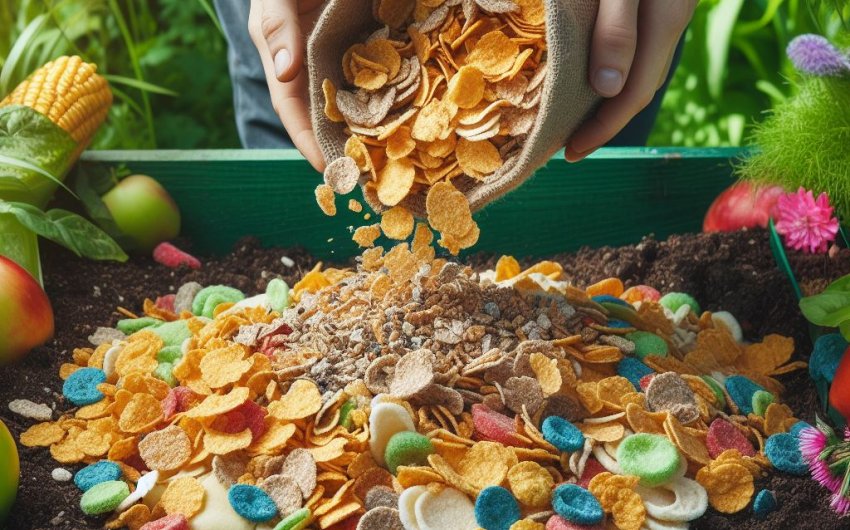
You reach into the pantry, grab that box of your favorite breakfast cereal, and pour yourself a bowl, only to find it's gone soft and lost its crunch. It's stale. A common kitchen disappointment, isn't it? Many of us have been there, facing a sad box of once-crisp flakes or puffs now destined for the trash. But what if there was a better place for those uneaten bits than the landfill? What if they could actually help your garden thrive?
It turns out, those seemingly useless stale cereals are packed with organic goodness. They're not just waste; they're valuable food scraps waiting for a second life. Instead of tossing them, you can transform them into rich, dark compost that will nourish your plants and improve your soil. This simple act of redirecting food waste isn't just about saving your breakfast; it's about embracing a cycle of sustainability right in your own backyard.
Why Should You Compost Stale Cereal?
Composting might sound like a messy chore, but it's actually an amazing way to turn everyday kitchen and yard waste into something incredibly beneficial. When it comes to stale cereal, sending it to the compost bin instead of the trash has several big advantages. It's not just about being "green"; it's about smart resource management and giving back to the earth that provides for us.
Think about the journey of your food. It starts in the soil, grows, ends up on your plate, and then, if not eaten, can return to the soil to help new things grow. This complete cycle is what makes composting so powerful. Stale cereal, in particular, offers a unique set of benefits when added to your compost pile.
Reducing Landfill Waste
Every bit of food waste that goes into the trash contributes to a growing problem: landfill waste. Landfills are huge dumps where garbage is buried. When organic materials like food scraps, including stale cereal, end up in a landfill, they decompose without air. This process is called anaerobic decomposition, and it's not good.
When food breaks down without air, it produces a very potent greenhouse gas called methane. Methane is much more effective at trapping heat in our atmosphere than carbon dioxide, meaning it contributes significantly to climate change. By sending your stale cereal (and other food scraps) to a compost pile, you're allowing it to decompose with plenty of air. This is called aerobic decomposition, and it produces very little methane.
So, simply by choosing to compost your stale cereal, you're directly helping to reduce the amount of waste going into overflowing landfills and, in turn, lowering the production of harmful greenhouse gases. It's a small action that adds up to a big positive impact on the environment.
Enriching Your Soil Naturally
Beyond preventing waste, the biggest benefit of composting is creating nutrient-rich compost for your garden. Think of compost as "black gold" for your soil. When you add stale cereal to your compost pile, it eventually breaks down into this wonderful material.
Here's how compost helps your soil:
- Nutrient Boost: Cereal, being made from grains, contains essential nutrients like nitrogen, phosphorus, and potassium, as well as trace minerals. When it breaks down, these nutrients are released into the compost, making them available for your plants to absorb. This means healthier, stronger plants with better yields.
- Improved Soil Structure: Compost adds organic matter to your soil. In clay soil, it helps to loosen it up, making it easier for roots to grow and for water to drain. In sandy soil, it acts like a sponge, helping the soil hold onto water and nutrients that would otherwise wash away quickly.
- Feeds Microbes: Compost is teeming with beneficial microorganisms – tiny bacteria, fungi, and other life forms that are essential for healthy soil. These microbes help break down organic matter, cycle nutrients, and even protect plants from diseases. Adding organic materials like cereal helps feed and encourage these vital workers.
- Water Retention: Because compost helps soil hold water better, your garden will need less frequent watering. This saves you time, effort, and water resources.
By adding stale cereal to your compost, you're transforming what was once waste into a valuable amendment that naturally boosts your soil's health, fertility, and ability to support thriving plants.
Utilizing Carbon-Rich Material
In the world of composting, materials are generally categorized as either "greens" or "browns." This isn't about their color, but about their carbon and nitrogen content. Stale cereal, because it's a dry, processed grain product, falls into the "brown" category. This means it's rich in carbon.
Why is a good supply of carbon important in your compost pile?
- Balancing the Mix: A healthy compost pile needs a good balance of both carbon (browns) and nitrogen (greens). Greens, like fresh grass clippings or fruit and vegetable scraps, provide the nitrogen that helps the microbes grow and work quickly. Browns provide the energy source and structure for the microbes. Without enough browns, your compost pile can become slimy, smelly, and break down too slowly.
- Preventing Odors: A common problem with compost piles that have too many "greens" (like lots of fresh food scraps) is that they can start to smell bad, like rotting garbage. This is often due to a lack of carbon. Adding enough "browns" like stale cereal helps to absorb excess moisture and provide the right conditions for aerobic decomposition, which prevents foul odors.
- Providing Bulk and Airflow: Dry materials like stale cereal also add bulk to the compost pile, which helps create air pockets. Good airflow is crucial for the microorganisms that do the decomposition work. Without enough air, the pile can become compacted and turn anaerobic, leading to those undesirable methane emissions and bad smells.
So, don't just see stale cereal as waste; see it as a valuable source of carbon that will help you build a balanced, efficient, and sweet-smelling compost pile. It’s a perfect partner for your kitchen scraps.
Can All Stale Cereal Be Composted?
While most plain, unsweetened, and unflavored stale cereals are excellent additions to your compost pile, it's important to be a little selective. Not all cereals are created equal when it comes to composting. Some types can attract unwanted pests, slow down the decomposition process, or even add undesirable ingredients to your finished compost.
Understanding which cereals are ideal and which ones to avoid will help you maintain a healthy and efficient compost system. The goal is always to create rich, usable compost without any problems.
Ideal Cereals for Composting
The best cereals for your compost pile are those that are plain, unsweetened, and unflavored. Think of them as basic grains without a lot of extra stuff. These are typically high in carbon and will break down easily, providing valuable nutrients without causing issues.
Here are some examples of ideal cereals and why they're great:
- Plain Oats (Oatmeal): These are fantastic. They break down quickly and add good carbon. Whether it's rolled oats or steel-cut, if they've gone stale, they're perfect for the bin.
- Shredded Wheat (Plain): Simple, fibrous, and very carbon-rich. These will decompose nicely.
- Puffed Rice or Wheat (Unsweetened): Lightweight and airy, they add bulk and decompose quickly.
- Plain Corn Flakes (Unsweetened): Again, the key here is "plain." No added sugar or artificial flavors.
- Unsweetened Rice Cereal: Similar to puffed rice, easy to break down.
- Bran Flakes (Plain): High in fiber and good for carbon content.
These cereals are essentially just processed grains. They will readily absorb moisture in the compost pile and provide the necessary carbon to balance your "greens" (like fruit and vegetable scraps). They break down cleanly, helping your compost become that wonderful "black gold" without any fuss.
Cereals to Avoid (or Limit)
While many cereals are great for compost, there are certain types you should avoid or add in very small, infrequent amounts. These often come with extra ingredients that can cause problems in your compost pile.
Here's what to be cautious about:
- Sugary Cereals: Any cereal that's heavily coated in sugar, honey, or syrup (think frosted flakes, sugary loops, or anything that feels sticky).
- Why avoid?: Excess sugar can attract pests like rodents and ants to your compost pile. It can also create a very rapid, often unbalanced, decomposition process, leading to a sludgy, smelly mess because the microbes work too fast on the sugar without enough balance from other materials.
- Chocolate or Cocoa-Flavored Cereals:
- Why avoid?: Similar to sugary cereals, chocolate can attract pests. While small amounts might break down, it's generally best to keep significant quantities of processed sweets out of your compost.
- Cereals with Dairy or Meat Ingredients (Rare but possible): Some granola cereals might contain small amounts of dried milk or other non-vegan ingredients.
- Why avoid?: Dairy and meat products can attract serious pests (like rats) and create very strong, unpleasant odors as they decompose. They also take a long time to break down and can harbor harmful bacteria.
- Cereals with Artificial Dyes or Flavors: While many of these will break down, it's generally best to stick to more natural ingredients in your compost if you're aiming for a pure, organic product for your garden.
If you have a very small amount of a questionable cereal, you might get away with burying it deep in a hot, active compost pile. But for the most part, it's safest and most effective to stick to plain, unsweetened varieties. When in doubt, leave it out!
Granola and Nut-Based Cereals
Granola and nut-based cereals fall into a bit of a gray area for composting. Whether they're suitable depends heavily on their ingredients and how much of them you're adding.
Things to consider:
- Sugar Content: Many granolas are notoriously high in added sugars, honey, or syrups. As discussed, too much sugar can attract pests and throw off the balance of your compost. If your granola is very sweet and sticky, it's best to avoid it or add only tiny, infrequent amounts.
- Oil Content: Granola often contains oils (vegetable oil, coconut oil, etc.) to make it crispy and flavorful. While a little oil is fine, large amounts can become rancid and create greasy pockets in your compost, slowing down decomposition and potentially attracting pests.
- Nuts and Seeds: These are generally fine in moderation. Nuts and seeds will break down, but they can take a bit longer than plain grains due to their higher fat content and tougher outer shells. Crushing them beforehand can help speed up their decomposition.
- Dried Fruit: Granola often contains dried fruit like raisins or cranberries. While fruit is good for compost, dried fruit is concentrated sugar. Again, moderation is key. Too much can lead to pest issues.
General recommendation:
If you have a very plain, low-sugar, un-oiled granola that's gone stale, it's generally okay to add it in small quantities. However, for most commercially available, sweet granolas, it's usually better to toss them or find creative ways to repurpose them in baking (if they're not too stale).
When adding any type of granola or nut-based cereal, make sure to mix it in well with other compost materials and bury it deep within the pile to deter pests and encourage even decomposition. Always err on the side of caution with these types of additions.
How to Compost Stale Cereal Properly
Simply tossing stale cereal into a pile won't automatically create perfect compost. While it's a valuable ingredient, proper composting techniques are key to breaking it down efficiently and turning it into that rich, dark, earthy material your garden loves. The goal is to create an environment where the beneficial microorganisms can thrive and do their work.
Learning a few simple steps for adding stale cereal will ensure it contributes positively to your compost pile without causing any issues like odors or pests. It's all about balancing ingredients and providing the right conditions.
Break It Down First
For optimal composting, it's always a good idea to break down larger pieces of material into smaller ones. This applies perfectly to stale cereal, especially if you have large flakes, puffed shapes, or clusters of granola.
Here's why and how:
- Increased Surface Area: Smaller pieces mean more surface area for the microorganisms to work on. Think of it like this: it's easier for them to "eat" many small crumbs than one big biscuit. This speeds up the decomposition process significantly.
- Faster Breakdown: Larger pieces take much longer to break down. By breaking up your stale cereal, you'll see it disappear into the compost much more quickly, contributing to a faster overall composting cycle.
- Better Integration: Smaller pieces mix more easily with other compost ingredients (greens and browns), ensuring a more balanced and efficient decomposition.
How to do it:
- Crush by Hand: For most stale cereals, simply crushing them in your hands or in the bag will be enough.
- Smash in a Bag: Put the cereal in a sturdy bag and gently smash it with a rolling pin or even your foot.
- Quick Blend (for large batches): If you have a very large amount of stale plain cereal, you could even give it a quick pulse in a food processor or blender, although this is usually not necessary.
Taking a minute to break down your stale cereal before adding it to the compost pile is a small effort that yields big rewards in terms of composting speed and efficiency.
Balance with Greens
Composting is all about balance, specifically the balance between carbon-rich materials (browns) and nitrogen-rich materials (greens). Stale cereal is a "brown" because it's dry and high in carbon. To make your compost pile work effectively, you need to mix these browns with "greens."
- Greens are typically fresh, moist materials like:
- Fruit and vegetable scraps (peels, cores, wilted produce)
- Grass clippings
- Coffee grounds and tea bags
- Fresh garden trimmings
Why is this balance so important?
- Fuel for Microbes: "Greens" provide the nitrogen that acts as a fuel source for the microorganisms that break down the organic matter. "Browns" provide the carbon for their energy and body structure. Without enough nitrogen, the decomposition process will be very slow.
- Preventing Odors: Too many greens can make your compost pile slimy and smelly (anaerobic). Adding browns like stale cereal helps to dry it out and provide structure, ensuring good airflow and aerobic decomposition, which prevents foul odors.
- Optimal Ratio: A generally recommended ratio is about 25-30 parts carbon to 1 part nitrogen by weight, or roughly a 2:1 or 3:1 ratio of browns to greens by volume. Don't get too hung up on exact measurements; the goal is a good mix.
When you add stale cereal (your brown), make sure to layer it or mix it with some fresh food scraps or grass clippings (your greens). For example, after adding a layer of stale cereal, toss some fruit and veggie peels on top, then perhaps a bit of shredded leaves. This creates the perfect environment for speedy decomposition.
Bury Deep in the Pile
When adding any food scraps, including stale cereal, to your compost pile, it's a good practice to bury them deep within the pile. Don't just leave them sitting on top.
Here's why this is important:
- Deterring Pests: Exposed food scraps, especially sugary ones (even if you're only adding plain cereal, it can still attract some creatures), can attract unwanted visitors like rodents, flies, and other animals. Burying them well beneath a layer of other compost materials (like leaves, wood chips, or garden soil) helps to mask the smell and make them less accessible.
- Faster Decomposition: The center of a well-maintained compost pile is usually the hottest and most active area. Burying the cereal here ensures it's exposed to the most active microorganisms and higher temperatures, which speeds up its breakdown.
- Odor Control: Fresh food scraps can release odors as they begin to decompose. Burying them helps contain these smells, making your compost pile more neighbor-friendly.
- Aesthetics: Simply put, a compost pile with visible food scraps on top isn't as appealing. Burying them keeps your compost bin looking tidier.
After adding your stale cereal and balancing it with greens, use a pitchfork or shovel to dig a hole or create a depression in the middle of your compost pile. Dump the cereal (and other food scraps) in, then cover it completely with a good layer of existing compost or brown materials like dried leaves or wood shavings. This simple step makes a big difference in maintaining a healthy, effective, and nuisance-free compost system. You might find a good compost aerator tool helpful for mixing.
Keep It Moist, But Not Wet
Moisture is a critical ingredient for successful composting. The microorganisms that do all the hard work need water to live and function. Think of your compost pile as a busy city for these tiny workers – they need water to survive and process their food.
Why Moisture is Key:
- Microbial Activity: Water allows nutrients to dissolve, making them accessible to the microbes. It also helps move the microbes around so they can reach all the organic material.
- Temperature Regulation: Proper moisture helps maintain the internal temperature of the pile, which is essential for breaking down tough materials.
- Material Breakdown: Dry materials like stale cereal need moisture to soften and start decomposing.
How Much Moisture?:
- Your compost pile should feel like a wrung-out sponge – damp, but not soggy. If you squeeze a handful of material, a few drops of water should come out, but it shouldn't be dripping.
- Too dry, and decomposition slows down to a crawl. Too wet, and you risk creating an anaerobic (smelly) environment because water fills the air pockets.
Adding Moisture:
- If your compost pile feels too dry, especially after adding a lot of dry browns like stale cereal, give it a good sprinkle with a hose or watering can. You can find a basic watering can or even a garden hose with spray nozzle for larger piles.
- Adding wet "greens" like fresh fruit and vegetable scraps or grass clippings naturally adds moisture.
- Rainfall can help, but don't rely solely on it, especially if your bin is covered.
Fixing Too Wet:
- If your pile becomes too wet, add more dry "browns" like shredded paper, dry leaves, or sawdust to absorb the excess moisture. Turning the pile (aerating it) will also help it dry out.
Maintaining the right moisture level is a continuous process and essential for efficient, odor-free composting.
Turn Your Pile Regularly
Turning or "aerating" your compost pile is another crucial step for successful and speedy decomposition. It might seem like extra work, but it pays off with faster results and healthier compost.
Here's why turning is so important:
- Aeration: The beneficial microorganisms that break down organic matter in a healthy compost pile are aerobic, meaning they need oxygen to survive and thrive. Turning the pile introduces fresh air throughout the material, providing these microbes with the oxygen they need to work efficiently. Without enough air, the pile can become anaerobic, leading to slow decomposition and unpleasant, rotten egg smells (methane production).
- Even Decomposition: When you turn the pile, you mix up the materials, bringing the outer, cooler, less decomposed layers to the warmer, more active center. This ensures that all the materials, including your stale cereal, break down evenly and completely.
- Moisture Distribution: Turning helps to distribute moisture more evenly throughout the pile, preventing overly wet or overly dry spots.
- Temperature Control: In an active compost pile, temperatures can get quite high due to microbial activity. Turning helps to regulate these temperatures, preventing the pile from getting too hot (which can kill beneficial microbes) or too cold (which slows decomposition).
How often to turn?
- For a "hot" or fast compost pile (which aims to break down materials quickly), you might turn it every few days or once a week.
- For a slower, "cold" compost pile (which takes longer but requires less effort), turning every few weeks or once a month is usually sufficient.
You can use a pitchfork or a dedicated compost turning tool to mix and aerate your pile. Regularly turning your compost pile is key to transforming your stale cereal and other organic waste into nutrient-rich "black gold" as quickly and efficiently as possible.
Beyond Cereal: What Other Breakfast Scraps Can You Compost?
Once you get into the habit of composting stale cereal, you'll likely start looking at all your other breakfast leftovers differently. The good news is that many common breakfast scraps are also excellent additions to your compost pile, helping you divert even more waste from the landfill and enrich your garden soil.
Think about the ingredients you use and the waste they produce. From fruit peels to coffee grounds, your breakfast routine can contribute significantly to your compost bin.
Fruit and Vegetable Peels/Scraps
This is probably the most common type of kitchen scrap for composting, and breakfast often generates a lot of it!
- Orange peels, banana peels, apple cores, berry tops, melon rinds, uneaten fruit or vegetables: These are all fantastic "greens" for your compost pile.
- Benefits:
- Nitrogen Rich: They are high in nitrogen, which fuels the microorganisms and helps balance out the carbon-rich browns like stale cereal.
- Moisture Content: They add valuable moisture to the pile, which is essential for decomposition.
- Nutrient Release: As they break down, they release a wide array of vitamins, minerals, and trace elements that will benefit your plants.
- Tips:
- Chop Larger Pieces: Cut larger items like melon rinds or whole banana peels into smaller pieces to speed up decomposition.
- Bury Deep: Always bury fruit and vegetable scraps deep within the compost pile to deter pests.
- Citrus in Moderation: While citrus peels are compostable, large quantities can be acidic and might slow down the composting process slightly. Add them in moderation.
By consistently adding your fruit and vegetable scraps, you'll be providing a steady supply of nutrients and moisture to your compost, creating a healthier, more balanced mix.
Coffee Grounds and Tea Bags
Many of us start our day with a warm beverage, and the leftover grounds and tea bags are valuable compost ingredients!
Coffee Grounds:
- Benefit: They are considered "greens" because they are rich in nitrogen, as well as phosphorus and potassium. They also contain micronutrients beneficial for soil. They add structure and can help improve the texture of your compost.
- Myth Debunked: A common myth is that coffee grounds make soil acidic. While fresh coffee grounds are slightly acidic, their acidity is largely neutralized during the composting process, so they won't make your finished compost overly acidic.
- Tips: Add them directly to your compost pile. They can even help deter some pests due to their scent. A simple kitchen compost bin is great for collecting daily coffee grounds.
Tea Bags:
- Benefit: Most tea bags (made from paper or plant-based materials) and the tea leaves inside are excellent "greens." They add nitrogen and various beneficial compounds.
- Tips: Remove any plastic staples or synthetic strings from the tea bags if present. Some newer tea bags are made from plastic, so check the material. If they're paper or natural fiber, they're fine.
These common breakfast discards are a simple way to add more nitrogen and diversity to your compost pile, accelerating decomposition and enriching the final product.
Eggshells (Rinsed and Crushed)
Eggshells are another fantastic addition to your compost pile, offering valuable nutrients, particularly calcium.
Benefit:
- Calcium Boost: Eggshells are almost entirely made of calcium carbonate, which is a crucial nutrient for plants. Calcium helps build strong cell walls, leading to healthier, more robust plants and can prevent issues like blossom end rot in tomatoes.
- pH Balancing: While they don't significantly change the pH of your overall soil, they can help buffer slightly acidic conditions in your compost pile.
- Structure: They add a bit of grit to the compost, which can improve its texture.
How to add them:
- Rinse: Always rinse your eggshells first to remove any leftover egg residue, which can attract pests or create odors.
- Crush: It's best to crush eggshells into very small pieces. The smaller the pieces, the faster they will break down and release their calcium. You can crush them by hand, in a bag with a rolling pin, or even use a blender for a fine powder (though this is not necessary).
- Bury: Bury them deep within the compost pile just like other food scraps.
Eggshells take a bit longer to break down than softer food scraps, but their contribution of calcium to your finished compost is well worth the wait. They are a simple, free way to add a vital nutrient to your garden.
Common Composting Mistakes to Avoid
Composting is generally easy and forgiving, but a few common mistakes can slow down the process, create odors, or attract unwanted pests. Knowing what to avoid will help you maintain a healthy, efficient, and pleasant compost pile, ensuring your stale cereal and other scraps turn into "black gold" without a hitch.
By being mindful of these pitfalls, you can enjoy the benefits of composting without any frustrating setbacks.
Adding Meat or Dairy Products
This is one of the most important rules in home composting: do not add meat or dairy products (or greasy foods) to your typical backyard compost pile.
- Why avoid?:
- Pest Attraction: Meat scraps (cooked or raw, including bones) and dairy products (milk, cheese, yogurt, butter) are highly attractive to common pests like rats, mice, raccoons, and flies. These animals can become a significant nuisance, and flies can lay eggs, leading to maggots.
- Odors: These items decompose very slowly and can produce strong, foul odors as they rot, especially in a common backyard pile that might not reach high temperatures. This can make your compost pile unpleasant for you and your neighbors.
- Harmful Bacteria: Meat and dairy can harbor harmful bacteria (like E. coli or Salmonella) that might not be killed in a typical home compost pile which often doesn't reach consistently high enough temperatures.
While industrial composting facilities (which operate on a much larger scale and reach very high temperatures) can safely handle meat and dairy, it's a definite no-go for most home setups. Stick to plant-based materials like your stale cereal, fruit and veggie scraps, and yard waste.
Not Turning Your Pile Enough
As mentioned earlier, turning your compost pile is crucial. One of the most common mistakes beginners make is not turning it frequently enough.
- What happens if you don't turn enough?:
- Lack of Oxygen: Without regular turning, the materials in the pile compact, reducing the airflow. This leads to an anaerobic environment, where different types of microbes take over. These anaerobic bacteria decompose materials much slower and produce unpleasant odors (like rotten eggs or ammonia) and methane gas.
- Slow Decomposition: The entire composting process slows down significantly. Your stale cereal will take much longer to break down into finished compost.
- Uneven Breakdown: Materials on the outside of the pile will remain undecomposed, while the center might be working. Turning mixes everything, ensuring even breakdown.
- Wet/Dry Spots: Without mixing, some areas can become too wet and soggy, while others dry out completely, hindering microbial activity.
How to fix it: Make it a habit to turn your pile regularly, whether it's once a week for a "hot" pile or once a month for a "cold" pile. Use a pitchfork or a compost aerator tool to thoroughly mix the contents, bringing the outside material into the center and fluffing everything up to allow for good airflow. This simple action will drastically improve your compost's quality and speed.
Letting It Get Too Dry or Too Wet
Maintaining the right moisture level is a continuous balancing act, and allowing your compost pile to become either too dry or too wet are common pitfalls.
Too Dry:
- Problem: If the pile is too dry, the microorganisms that do the decomposition work can't thrive. They need water to survive and move around.
- Result: Decomposition slows to a crawl or stops altogether. Your pile might look like a heap of dry leaves and scraps with no real change happening. The stale cereal will just sit there, un-decomposed.
- Fix: Add water! Use a hose or watering can to moisten the pile. It's best to add water as you turn the pile to ensure even distribution.
Too Wet:
- Problem: If the pile becomes waterlogged, the air pockets are filled with water, cutting off the oxygen supply to the aerobic microbes.
- Result: The pile becomes slimy, dense, and develops unpleasant, rotten-egg odors as anaerobic decomposition takes over. It might also attract fungus gnats.
- Fix: Add more dry "brown" materials like shredded newspaper, cardboard, dry leaves, or wood chips to absorb the excess moisture. Turning the pile vigorously will also help introduce air and dry it out.
The goal is that "wrung-out sponge" consistency. Check your compost pile's moisture regularly, especially after heavy rains or long dry spells, and adjust as needed to keep your microbes happy and working efficiently. A simple compost thermometer can also help you gauge activity and moisture levels.