
Milkweed Marvels: Nurturing Beauty in Your Garden
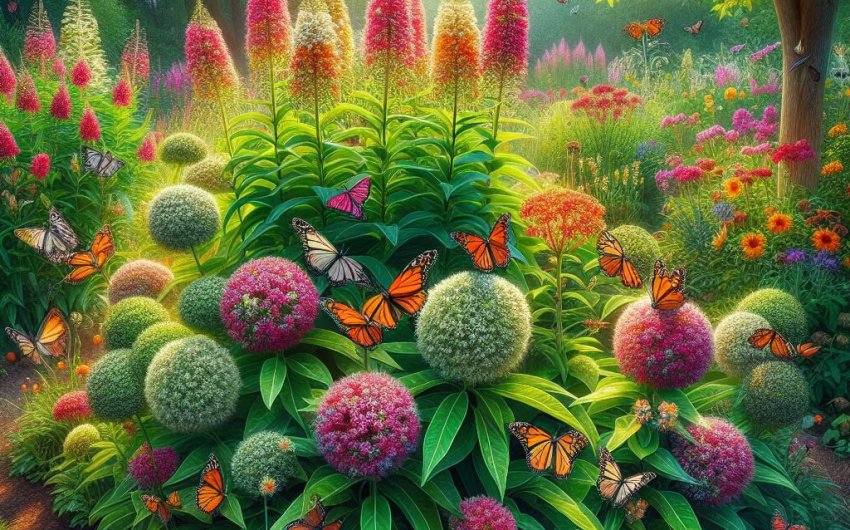
Have you ever wondered about a plant that does more than just look pretty? Milkweed is truly a marvel in the garden. It brings beauty with its unique flowers and helps a very special creature: the Monarch butterfly. If you want to make a real difference in your garden and enjoy some amazing natural beauty, milkweed is the plant for you.
Why is Milkweed So Important?
Milkweed is not just another pretty face in the garden. It's a powerhouse for pollinators and a lifeline for one of the most beloved insects on Earth. Understanding its importance helps us appreciate why planting it is such a wonderful choice.
What Makes Milkweed Essential for Monarch Butterflies?
The Monarch butterfly (Danaus plexippus) and milkweed (Asclepias species) have a unique relationship. It's called obligate dependence. This means that Monarch butterflies must have milkweed to survive. They cannot complete their life cycle without it.
Here’s why: Monarch butterfly caterpillars only eat milkweed leaves. They won't eat anything else. The female Monarch butterfly will fly around, tasting leaves with her antennae and feet, making sure she finds a milkweed plant before laying her tiny, white eggs. Once the eggs hatch, the tiny caterpillars begin to munch on the milkweed leaves. Without milkweed, Monarch caterpillars would starve, and the Monarch butterfly population would crash.
The Monarch butterfly population has been declining rapidly over the past few decades. One of the biggest reasons is the loss of milkweed habitats due to farming practices and urban development. By planting milkweed in your garden, you are directly helping to provide food and shelter for these amazing insects, giving them a much-needed boost. It’s like setting up a vital rest stop on their long migration journey.
How Does Milkweed Benefit Other Pollinators?
While Monarchs are the most famous beneficiaries, milkweed flowers are a feast for many other pollinators. Its unique flower clusters, often in shades of pink, purple, orange, or white, produce a lot of nectar. Nectar is a sugary liquid that gives energy to insects.
Many different kinds of bees love milkweed nectar, including honeybees, bumblebees, and various native bees. Butterflies like Swallowtails, Fritillaries, and Painted Ladies also visit milkweed for its sweet offerings. Even some hummingbirds have been seen sipping from milkweed flowers.
By providing this rich nectar source, milkweed helps support a diverse ecosystem in your garden. Pollinators are vital for our food supply, as they help plants produce fruits and seeds. Planting milkweed means you're contributing to a healthier environment beyond just helping Monarchs. You're creating a bustling hub of activity and life.
Which Type of Milkweed Should You Plant?
There are many different kinds of milkweed, and choosing the right one for your area is very important. Planting the correct native species will give the best results for both your garden and the Monarch butterflies.
Why is Native Milkweed Best for Your Region?
When we talk about milkweed, it’s crucial to understand that there isn't just one kind. There are over 100 species of milkweed in North America alone! Each species is adapted to certain climates and soil types.
Native milkweed species are always the best choice for your garden. Here's why:
- Monarchs are adapted to them: Monarch butterflies have evolved alongside specific milkweed species in their native range. The caterpillars often prefer the milkweed species they are used to.
- Better survival: Native milkweed is naturally suited to your local climate, soil, and rainfall patterns. This means it will be easier to grow and will thrive without needing a lot of extra care, water, or fertilizer.
- Avoids problems: Non-native milkweeds, like Tropical Milkweed (Asclepias curassavica), can sometimes cause issues. In warm climates where Tropical Milkweed doesn’t die back in winter, it can encourage Monarchs to stay instead of migrating. This can lead to a build-up of a parasite called Ophryocystis elektroscirrha (OE), which can harm Monarchs. If you do grow Tropical Milkweed, it’s important to cut it back to the ground in late fall or winter to prevent this issue.
Before you buy milkweed plants or seeds, do a little research. Find out which milkweed species are native to your specific state or region. Your local native plant nursery or university extension office can be a great resource.
What Are Some Common Native Milkweed Species?
Let’s look at a few popular and easy-to-find native milkweed species that you might consider for your garden:
Common Milkweed (Asclepias syriaca)
This is probably the most recognized milkweed. It’s a tall, sturdy plant, growing 3-6 feet high. It has large, oval leaves and produces globe-like clusters of fragrant pink-purple flowers.
- Where it grows: Found throughout much of the eastern and central U.S. and parts of Canada. It’s very adaptable to different soils.
- Good for: Monarchs love this one! It’s vigorous and can spread easily by rhizomes (underground stems), so it’s great for naturalized areas or larger gardens where you want a lot of milkweed.
- Things to know: Because it spreads, it might not be ideal for small, formal gardens unless you manage its growth.
Butterfly Weed (Asclepias tuberosa)
Also known as Orange Milkweed or Pleurisy Root, this is a showstopper. It has bright orange or yellow flowers that are incredibly attractive to butterflies and other pollinators. It typically grows 1-2.5 feet tall.
- Where it grows: Widespread across most of the eastern and central U.S. It prefers drier, well-drained soils and full sun.
- Good for: Its vibrant color makes it a beautiful addition to any sunny flower garden. It doesn't spread aggressively like Common Milkweed, forming a clump instead.
- Things to know: It has a long taproot, so it doesn’t transplant well once established. It’s also slow to emerge in spring, so don’t give up on it too early!
Swamp Milkweed (Asclepias incarnata)
If you have a wet area in your garden, Swamp Milkweed is your friend. It has pretty pink to rosy-purple flowers that bloom in clusters. It usually grows 3-5 feet tall.
- Where it grows: Found in wet meadows, ditches, and near ponds throughout much of the eastern and central U.S.
- Good for: Perfect for rain gardens, pond edges, or areas with consistently moist soil. It’s highly attractive to Monarchs and other pollinators.
- Things to know: Despite its name, it can tolerate average garden soil once established, as long as it gets enough moisture.
Whorled Milkweed (Asclepias verticillata)
This species is more delicate in appearance, with narrow leaves arranged in whorls around the stem. It produces small, delicate white or greenish-white flowers. It typically grows 1-3 feet tall.
- Where it grows: Found in dry, open woodlands, prairies, and disturbed areas across much of the central and eastern U.S.
- Good for: It's a good choice for smaller gardens or rock gardens where a more refined look is desired. It tolerates dry soil.
- Things to know: Its less showy flowers may be overlooked, but they are still valuable for Monarchs and other small pollinators.
Should You Plant Tropical Milkweed?
Tropical Milkweed (Asclepias curassavica) is easy to find in nurseries because it's colorful and grows quickly. It has red and yellow flowers and stays green all year in warm climates.
In many parts of the U.S. where winter temperatures get cold enough to kill it back, it doesn't cause a problem. However, in frost-free areas (like parts of Florida, Southern California, and the Gulf Coast), it can be an issue.
Because it doesn't die back, Tropical Milkweed can host a Monarch parasite called OE (Ophryocystis elektroscirrha) year-round. This parasite builds up on the plant and can seriously harm Monarchs, making them weak, deformed, or unable to fly. It also encourages Monarchs to stop migrating, which is bad for their long-term survival.
If you live in a warm climate and still wish to grow Tropical Milkweed, you must cut it back to the ground every fall or early winter (around October or November). This removes any OE spores and encourages the Monarchs to continue their migration. Cutting it back forces the plant to re-sprout in spring, just like native milkweed would.
For most gardeners, especially those in regions with cold winters, focusing on native milkweed varieties is the safest and most beneficial choice for Monarchs.
How Do You Grow Milkweed in Your Garden?
Growing milkweed is surprisingly easy once you know a few tricks. These plants are pretty tough and don't need a lot of fuss.
Where is the Best Place to Plant Milkweed?
Most milkweed species, especially the popular ones like Common Milkweed and Butterfly Weed, love the sun. They do best when they get at least 6 hours of direct sunlight each day. If your garden has a spot that gets full sun, that's usually the ideal place.
Soil type is also important. While some milkweeds prefer wet soil (like Swamp Milkweed), most do well in average, well-drained soil. Avoid areas where water sits for a long time after rain, as this can lead to root rot for many species. If your soil is heavy clay, you might want to mix in some compost to improve drainage.
Think about the plant's mature size too. Some milkweeds can get quite tall. Plant them where they won't shade out other smaller plants. A good spot could be in a pollinator garden, a butterfly garden, a naturalized area, or even along a fence line.
You can start milkweed from seeds or purchase young plants from a nursery. When buying plants, make sure they haven't been treated with neonicotinoids. These are harmful pesticides that can kill Monarch caterpillars. Look for nurseries that clearly state their plants are neonicotinoid-free or that specialize in native plants. A good source for neonicotinoid-free milkweed plants will ensure safety for your garden visitors.
What Are the Steps for Planting Milkweed Seeds?
Growing milkweed from seeds can be very rewarding, but it often requires a process called cold stratification. This simply means giving the seeds a period of cold, moist conditions to trick them into thinking winter has passed, which signals it’s time to sprout.
Here’s how to do it:
- Collect or Buy Seeds: You can collect seeds from mature milkweed pods in the fall (look for brown, splitting pods) or buy them from a reputable seed supplier.
- Cold Stratification:
- Refrigerator Method: Mix the seeds with a small amount of moist sand or peat moss. Place the mixture in a plastic bag or container. Put the bag in your refrigerator for 30-90 days, depending on the species (check specific instructions for your chosen milkweed). Make sure the mixture stays moist but not soaking wet.
- Outdoor Method (Winter Sowing): Sow the seeds directly in your garden beds in late fall or early winter. Nature will provide the cold stratification. This is often the easiest method if you have well-drained soil.
- Sowing the Seeds:
- Indoors: After stratification, sow seeds indoors in small pots or seed trays filled with a good seed starting mix. Plant them about (1/4) inch deep. Keep the soil moist and warm.
- Outdoors (Spring): After stratification, sow seeds directly into prepared garden soil in spring, after the last frost. Plant them about (1/4) inch deep.
- Care: Keep the soil moist until seedlings emerge. Once established, milkweed is fairly drought-tolerant. Thin seedlings if they are too close together.
A high-quality seed starting mix can make a big difference for indoor planting.
How Do You Care for Established Milkweed Plants?
Once your milkweed plants are established, they are pretty low-maintenance.
- Watering: While young plants need regular water, mature milkweed is quite drought-tolerant. Water deeply during long dry spells, especially if your milkweed variety prefers moist conditions.
- Fertilizing: Milkweed generally doesn't need much fertilizer, especially if you have reasonably good soil. Over-fertilizing can lead to lush but weak growth. If your soil is very poor, a light application of a balanced, slow-release organic fertilizer in spring can be helpful. A good organic garden fertilizer works well.
- Weeding: Keep the area around young milkweed plants free of weeds, as weeds compete for water and nutrients. Once established, taller milkweed can usually outcompete most weeds.
- Pinching (Optional): For bushier plants and more flowers, you can pinch back the tips of your milkweed plants in late spring. This encourages side branching.
- Deadheading (Optional): Removing spent flowers (deadheading) can sometimes encourage more blooms, but it will prevent seed pods from forming. If you want to collect seeds or allow the plant to self-seed, skip deadheading.
- Cutting Back: In late fall or winter, after the blooming season is over and the plant dies back (for native species in cold climates), you can cut the stalks down to a few inches above the ground. This helps prevent the spread of diseases and prepares the plant for new growth in spring. This is also important for Tropical Milkweed in warm climates to prevent OE buildup.
What Common Issues Might You See with Milkweed?
Even tough plants like milkweed can face a few challenges. Knowing what to look for and how to handle it will help you keep your plants healthy and beautiful.
Are Aphids a Problem on Milkweed?
One of the most common sights on milkweed plants is bright yellow bugs called aphids. Specifically, the Oleander aphid (Aphis nerii) loves to gather in large numbers on milkweed stems and under leaves. They are small, pear-shaped insects.
Aphids suck the sap from the plant, which can weaken it and cause leaves to curl or distort. They also produce a sticky substance called honeydew, which can lead to a black, sooty mold growth. While they can look alarming, a healthy milkweed plant can usually tolerate a moderate aphid population.
Here’s how to deal with them:
- Blast with Water: Often, a strong spray of water from a garden hose is enough to dislodge most aphids. Do this gently so you don't harm any Monarch caterpillars that might be present.
- Hand-pick: For small infestations, you can simply squash them with your fingers.
- Beneficial Insects: Encourage natural predators like ladybugs and lacewings. These insects love to eat aphids. You can even buy live ladybugs for pest control and release them in your garden.
- Insecticidal Soap: If the infestation is severe and you don't see any Monarch caterpillars on the plant, you can use insecticidal soap. It works by suffocating soft-bodied insects. Be very careful, as it can harm caterpillars if they are directly sprayed. A good insecticidal soap concentrate is gentle on plants.
- Avoid Chemical Pesticides: Never use broad-spectrum pesticides (like permethrin or carbaryl) on milkweed if you want to support Monarchs. These chemicals will kill Monarch caterpillars instantly.
What are Milkweed Bugs and Should You Worry?
Milkweed bugs are another common sight on milkweed. There are two main types: the small milkweed bug (Lygaeus kalmii) and the large milkweed bug (Oncopeltus fasciatus). Both are typically orange or red and black. They are often seen feeding on the seeds inside the milkweed pods, or sometimes on stems and flowers.
Unlike aphids, milkweed bugs usually don't cause significant harm to the milkweed plant or to Monarch caterpillars. They primarily feed on the seeds, which can reduce the number of seeds produced but doesn't typically kill the plant.
Most gardeners just leave milkweed bugs alone. They are part of the natural ecosystem that milkweed supports. If their numbers are extremely high and you are worried about seed production, you can hand-pick them off the plant. Again, avoid chemical pesticides as they will harm Monarchs.
How Do You Handle Rust or Other Fungal Issues?
Like many plants, milkweed can sometimes get fungal diseases, with rust being one of the more common ones. Rust appears as small, orange, brown, or black powdery spots on the leaves and stems. Severe rust can cause leaves to yellow, wilt, and drop prematurely.
Here's how to manage fungal issues:
- Air Circulation: Good air circulation around your plants can help prevent fungal diseases. Avoid planting milkweed too closely together.
- Watering Practices: Water your milkweed at the base of the plant, rather than overhead, to keep the leaves dry. Watering in the morning allows any moisture on the leaves to evaporate quickly.
- Remove Infected Parts: If you see just a few infected leaves, you can prune them off and dispose of them in the trash (not your compost pile) to prevent the spread of spores. Make sure to clean your pruning shears afterward.
- Fungicides (Last Resort): For severe or recurring fungal problems, you might consider an organic fungicide as a last resort. However, always exercise extreme caution and research if the fungicide is safe for Monarch caterpillars before applying to your milkweed. Most general garden fungicides are not safe for caterpillars. It's often better to try cultural methods first.
A pair of sharp, clean gardening pruners is essential for managing plant health.
How Can You Create a Butterfly-Friendly Habitat?
Planting milkweed is a fantastic start, but to truly make your garden a haven for Monarchs and other butterflies, you need to provide a few more things. Think of it as a complete rest stop for weary travelers!
What Are Nectar Plants and Why Are They Important?
While milkweed is the food source for Monarch caterpillars, adult Monarch butterflies (and all other butterflies) need nectar to fuel their flights. Nectar plants are flowering plants that produce abundant sweet nectar.
To support Monarchs throughout their entire life cycle and migration, it's vital to plant a variety of nectar plants that bloom at different times of the year, from spring through fall. This ensures a continuous food source.
Good nectar plants for Monarchs often include:
- Asters: Bloom late summer to fall, crucial for migrating Monarchs.
- Coneflowers (Echinacea): Purple, yellow, and white varieties provide summer nectar.
- Zinnias: Easy to grow, long-blooming, and highly attractive to butterflies.
- Liatris (Blazing Star): Tall, purple spires loved by many pollinators.
- Goldenrod: Often misunderstood as a hay fever trigger, but a vital late-season nectar source.
- Bee Balm (Monarda): A beautiful native that attracts bees and butterflies.
- Sedum 'Autumn Joy': Another great late-season bloomer for hungry Monarchs.
When choosing nectar plants, always opt for native plants that are suited to your region. They will thrive with less fuss and provide the best food for local pollinators. You can find various pollinator friendly flower seeds to create a diverse buffet.
Why is Water Important for Butterflies?
Just like all living creatures, butterflies need water. However, they don't drink from open puddles or bird baths like birds do. Instead, they "puddle." This means they sip water and absorb minerals from damp sand, mud, or gravel.
You can create a simple puddling station in your garden:
- Shallow Dish: Use a shallow dish, plant saucer, or even a bird bath basin.
- Sand/Gravel: Fill it with sand or small pebbles.
- Water: Add just enough water to keep the sand or pebbles moist, but not submerged.
- Placement: Place it in a sunny, sheltered spot.
- Maintain: Keep it moist, especially during dry periods.
A beautiful butterfly puddler can be a decorative and functional addition to your garden.
What Are Shelter Needs for Butterflies?
Butterflies need places to rest, bask in the sun, and seek shelter from bad weather or predators.
- Sunny Rocks/Stones: Flat, dark rocks or stones in sunny spots are perfect for butterflies to bask and warm their wings.
- Dense Shrubs/Tall Grasses: Areas with dense shrubs or tall native grasses provide shelter from wind and rain. Butterflies will also hide in these areas at night or when temperatures drop.
- Logs/Wood Piles: Rotting logs or small woodpiles can offer hiding spots for some butterfly species.
- Leaf Litter: Leaving some leaf litter in undisturbed areas provides overwintering spots for some butterfly and moth species.
Creating a diverse garden with different heights and textures will offer plenty of natural shelter.
How Does Avoiding Pesticides Help Butterflies?
This is perhaps the most important rule for creating a butterfly-friendly habitat: avoid using pesticides. This includes insecticides, herbicides, and even some fungicides.
- Insecticides: These are designed to kill insects, and they don't know the difference between a "good" insect (like a Monarch caterpillar or a ladybug) and a "bad" insect. Even organic insecticides, if misused, can harm butterflies.
- Herbicides: These kill weeds. However, many plants we consider "weeds," like dandelions or clover, are actually important nectar sources for early-season pollinators.
- Systemic Pesticides: These are especially dangerous. They are absorbed by the plant and make the entire plant toxic to insects that eat it, including Monarch caterpillars munching on milkweed leaves. This can happen even if the product was applied to the soil weeks or months before.
If you have a pest problem, try natural solutions first, like hand-picking pests, using a strong blast of water, or encouraging natural predators. Embrace a little bit of "mess" in your garden; a truly wild and diverse garden is often the most beneficial for wildlife. You can find safe non-toxic pest control for gardens that won't harm your winged visitors.
What Other Wonders Does Milkweed Offer?
Beyond its vital role for Monarchs and its beauty, milkweed has some fascinating qualities and uses that make it even more of a "marvel."
Are Milkweed Seeds and Fibers Useful?
You've probably seen milkweed seed pods burst open in the fall, releasing hundreds of fluffy seeds carried by their silky white hairs (called coma or floss). This floss has some unique properties.
- Insulation: The milkweed floss is incredibly lightweight and hollow. This makes it an excellent natural insulator, even better than goose down in some respects. During World War II, it was collected and used as a buoyant material for life vests when kapok (another natural fiber) was scarce.
- Textiles: While the fibers are too short to spin into traditional thread for clothing on their own, research is ongoing to blend milkweed floss with other fibers for use in textiles. Imagine a warm, lightweight jacket made with milkweed!
- Oil Absorption: The hollow fibers also make milkweed floss excellent at absorbing oil. It's being explored for use in cleaning up oil spills as an eco-friendly absorbent material.
- Seed Collection: You can collect these seeds for planting yourself or share them with friends and neighbors who want to start their own Monarch waystations. Make sure the pods are completely dry and brown before collecting.
You can learn more about how to use the floss from various online resources, and sometimes even find specialized milkweed fiber products.
What is the Significance of Milkweed Sap?
The common name "milkweed" comes from the milky white sap that oozes out when the plant is cut or broken. This sap is latex, and it contains cardiac glycosides. These are compounds that are toxic to most animals.
This toxicity is a key part of the Monarch butterfly story:
- Monarch caterpillars eat the milkweed leaves, and they absorb these cardiac glycosides.
- The caterpillars are not harmed by the toxins; instead, they store them in their bodies.
- This makes the caterpillars, and later the adult Monarch butterflies, distasteful and poisonous to predators like birds.
- The bright orange and black colors of the Monarch are a warning signal to predators: "I taste bad, don't eat me!" This is a classic example of aposematic coloration.
So, that milky sap, which might seem a little odd, is actually the Monarch's superpower! It's their built-in defense mechanism, provided by the very plant they depend on for survival. However, it's important to remember that this sap can be irritating to human skin and eyes, so it’s always a good idea to wear gloves when handling milkweed if you have sensitive skin, or if you're collecting seeds or stems. A comfortable pair of gardening gloves is always a smart choice.
Can Milkweed Be Used in Floral Arrangements?
Many milkweed species, with their unique flower clusters and sometimes interesting seed pods, can make beautiful additions to floral arrangements, especially those with a wild or natural feel.
- Flowers: The clusters of Common Milkweed (pink-purple), Butterfly Weed (orange), and Swamp Milkweed (pink) are quite attractive in bouquets. Cut them when they are fully open for the best display.
- Seed Pods: The distinctive, boat-shaped seed pods of Common Milkweed are particularly popular in dried floral arrangements and crafts. They add an interesting textural element. You can harvest them in late summer or early fall when they are still green but firm, and let them dry indoors.
Using milkweed in your arrangements is another way to appreciate its beauty. It also helps spark conversations about its importance to Monarchs and the environment.
How Do You Observe Monarchs and Other Wildlife on Your Milkweed?
Once you have milkweed established in your garden, the real fun begins: observing the incredible life cycle of the Monarch butterfly and other visitors. It's like having a living, breathing science experiment right outside your window.
What is the Monarch Life Cycle on Milkweed?
The Monarch butterfly life cycle is one of nature's most astonishing transformations, and it all happens on your milkweed plants.
- Egg: A female Monarch butterfly lays a single, tiny, ridged, creamy-white egg on the underside of a milkweed leaf or stem. The egg is usually the size of a pinhead.
- Larva (Caterpillar): After about 3-5 days, the egg hatches into a tiny caterpillar. The caterpillar is striped with black, yellow, and white bands. It eats and grows rapidly, shedding its skin (molting) five times. Each stage between molts is called an instar. During this stage, you’ll see obvious chew marks on your milkweed leaves! This stage lasts about 10-14 days.
- Pupa (Chrysalis): Once the caterpillar is fully grown, it leaves the milkweed plant and finds a safe, hidden spot, often on a stem, branch, or fence, to form its chrysalis. The chrysalis is a beautiful jade green, sometimes with golden dots. It hangs upside down in a "J" shape before forming the chrysalis. This stage lasts about 10-14 days.
- Adult Butterfly: The final transformation. The chrysalis turns clear, and you can see the orange and black wings inside. The adult Monarch butterfly then emerges, dries its wings, and flies off to find nectar and, if female, to lay more eggs.
Observing these stages is an amazing experience. You can get a simple Monarch caterpillar rearing kit to safely watch the transformation up close.
What Other Animals Visit Milkweed?
Your milkweed patch isn't just for Monarchs! It's a bustling ecosystem that attracts a variety of other interesting creatures.
- Other Butterflies: As mentioned, many other butterfly species will visit milkweed flowers for nectar. Look for Swallowtails, Fritillaries, Painted Ladies, and various Skippers.
- Bees: Honeybees, bumblebees, and various native bees (like metallic green sweat bees) are common visitors, collecting nectar and pollen.
- Hoverflies: These beneficial insects mimic bees but are actually flies. Their larvae are excellent aphid predators.
- Spiders: You might find garden spiders spinning webs among the milkweed stems, hoping to catch a meal.
- Ladybugs: Both adult ladybugs and their alligator-like larvae are excellent predators of aphids on milkweed.
- Birds: While some birds might try to eat Monarchs (and quickly learn their lesson about the bad taste!), birds are also general garden visitors who help with overall pest control.
- Dragonflies: If you have a water feature nearby, dragonflies might perch on your milkweed stems, especially the taller species.
Taking the time to sit quietly near your milkweed and observe will reveal a whole world of natural interactions.
How Can You Share Your Milkweed Story?
Planting milkweed and fostering a Monarch-friendly garden is a wonderful thing to do, and sharing your experience can inspire others.
- Talk to Neighbors: Explain to your friends and neighbors why you're planting milkweed and the amazing role it plays. You might even offer them some seeds or small plants.
- School Projects: If you have children or grandchildren, milkweed can be a fantastic educational tool for school projects. Watching the Monarch life cycle unfold is an unforgettable lesson in biology.
- Social Media: Share photos and videos of your milkweed and its visitors on social media. Use hashtags like #Monarchs #Milkweed #PollinatorGarden to reach a wider audience.
- Certify Your Garden: Consider certifying your garden as a Monarch Waystation through Monarch Watch (monarchwatch.org). This program recognizes gardens that provide habitat for Monarchs and encourages others to do the same. You receive a sign to display, which helps spread awareness.
By nurturing milkweed in your garden, you’re not just growing a plant; you’re growing beauty, life, and hope for one of nature's true marvels. It’s a simple act with a huge impact.