
Thyme Treasures: Fragrant Delights for Your Garden
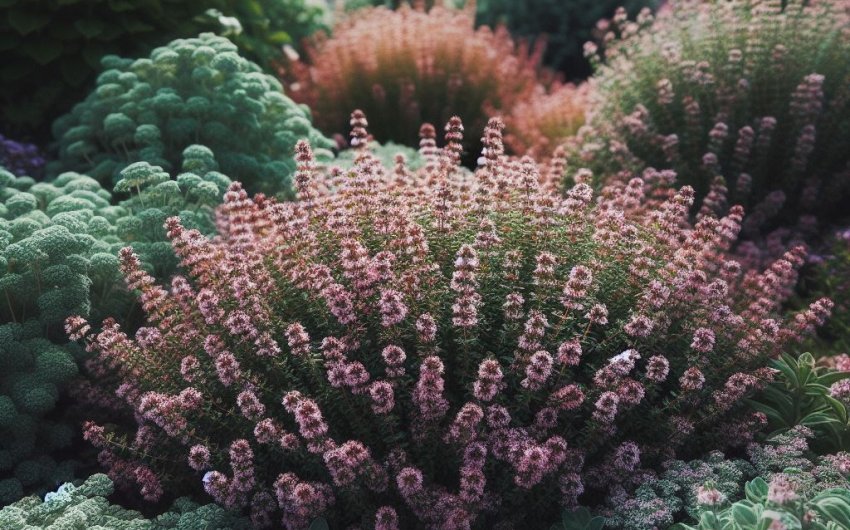
Thyme offers a wealth of fragrant delights for your garden, ranging from culinary versatility and beautiful groundcovers to aromatic pathways and pollinator attraction. Its hardy nature and diverse forms make it a true treasure, providing year-round interest and enhancing both the beauty and utility of any landscape.
What Makes Thyme a Garden Treasure?
Thyme (Thymus species) is far more than just a culinary herb; it's a remarkably versatile and rewarding plant that brings a multitude of fragrant delights to your garden. Its widespread appeal comes from its hardiness, aromatic qualities, and diverse growth habits.
Aromatic Powerhouse: Fragrance and Flavor
- Essential Oils: The distinctive aroma and flavor of thyme come from its concentration of essential oils, particularly thymol and carvacrol. These compounds are released when the leaves are bruised, brushed against, or warmed by the sun.
- Culinary Staple: Thyme is a fundamental herb in many cuisines worldwide, particularly Mediterranean and French cooking. Its earthy, slightly minty, and subtly floral notes pair well with meats, vegetables, soups, and stews.
- Sensory Experience: Beyond cooking, its fragrance adds a wonderful sensory dimension to pathways, rock gardens, and seating areas.
Versatile Growth Habits: From Creeping to Upright
Thyme offers an incredible range of forms, making it adaptable to various garden roles.
- Creeping/Trailing Thyme: Low-growing varieties that form dense mats, perfect as groundcovers, between stepping stones, or spilling from containers. They tolerate light foot traffic.
- Bushy/Upright Thyme: More upright, shrubby varieties, often the preferred culinary types. They form small, mounding plants suitable for herb gardens, borders, or container centers.
- Evergreen or Semi-Evergreen: Many thyme varieties retain their foliage through winter, providing year-round color and interest, especially in milder climates.
Hardiness and Drought Tolerance
- Resilience: Most thyme species are remarkably tough perennials, tolerating a wide range of growing conditions once established. They are often cold-hardy down to USDA Zone 4 or 5.
- Drought-Tolerant: Originating from Mediterranean regions, thyme is highly drought-tolerant once established. It thrives in hot, sunny, and dry conditions where many other plants struggle, making it an excellent choice for water-wise gardens.
Pollinator Magnet: A Buzzing Beauty
- Small, Abundant Flowers: In late spring to early summer, thyme produces masses of tiny, delicate flowers, typically in shades of pink, purple, or white.
- Attracts Pollinators: These blossoms are highly attractive to bees, butterflies, and other beneficial insects, making thyme an excellent addition to any pollinator garden. You'll often hear a gentle buzz around a blooming patch of thyme.
Table: What Makes Thyme a Garden Treasure
| Characteristic | Description | Garden Benefit |
|---|---|---|
| Aromatic Powerhouse | Rich in essential oils, fragrant leaves and flowers | Culinary use, sensory experience |
| Versatile Habits | Creeping mats to upright shrubs | Adapts to various design roles (groundcover, border, container) |
| Hardy & Drought-Tolerant | Resilient perennial, thrives in tough conditions | Low maintenance, water-wise, year-round interest |
| Pollinator Magnet | Abundant small flowers attract bees & butterflies | Supports biodiversity, healthy garden ecosystem |
What Are the Best Thyme Varieties for Your Garden?
The world of thyme is surprisingly diverse, offering a range of flavors, scents, and growth habits. Choosing the best thyme varieties depends on your intended use, whether culinary, ornamental, or as a groundcover.
Culinary Thyme: Flavor First
These varieties are primarily grown for their robust flavor and are often more upright or mounding.
- Thymus vulgaris (Common Thyme / Garden Thyme):
- Features: The classic culinary thyme. Small, gray-green leaves with an intense, earthy, slightly minty flavor. Forms a small, woody sub-shrub, usually 6-12 inches (15-30 cm) tall. Pink-purple flowers.
- Best Use: All-purpose cooking, roasting meats, soups, stews.
- Hardiness: USDA Zones 4-9. A Common Thyme Plant is a must-have.
- Thymus citriodorus (Lemon Thyme):
- Features: Slightly smaller leaves than common thyme, often variegated (e.g., 'Aureus' with gold variegation). Distinct citrusy scent and flavor. Grows 6-12 inches (15-30 cm) tall.
- Best Use: Fish, poultry, salads, desserts, teas.
- Hardiness: USDA Zones 5-9.
- French Thyme (Thymus vulgaris 'French'):
- Features: A cultivar of common thyme, often with narrower, grayer leaves and a slightly milder, sweeter flavor. Forms a compact, neat mound.
- Best Use: Finer cooking, French cuisine.
- English Thyme (Thymus vulgaris 'English Broadleaf'):
- Features: Broader leaves than French thyme, strong flavor.
- Best Use: Robust dishes, general culinary use.
Creeping and Groundcover Thyme: Ornamental and Functional
These low-growing varieties are excellent for pathways, rock gardens, and filling in spaces, often chosen for their aesthetic and aromatic qualities.
- Thymus serpyllum (Creeping Thyme / Wild Thyme):
- Features: Forms a dense, flat mat, usually 1-4 inches (2.5-10 cm) tall. Tiny green leaves, often turns bronzy in cold weather. Masses of pink, purple, or white flowers. Releases fragrance when walked on.
- Best Use: Groundcover, between stepping stones, rock gardens, living pathways.
- Hardiness: USDA Zones 4-8. A Creeping Thyme Seeds packet can cover a large area.
- Thymus praecox (Creeping Mother of Thyme):
- Features: Very similar to T. serpyllum, often with denser flowering. 'Coccineus' (red flowers) and 'Elfin' (very dense, tiny leaves, minimal flowers) are popular cultivars.
- Best Use: Groundcover, excellent for small nooks and crannies.
- Hardiness: USDA Zones 4-8.
- Woolly Thyme (Thymus pseudolanuginosus):
- Features: Exceptionally fuzzy, gray-green leaves that form a soft, dense mat. Rarely flowers, but valued for its texture.
- Best Use: Pathways where softness is desired, rock gardens for tactile interest.
- Hardiness: USDA Zones 4-8.
Other Unique Thyme Varieties
- Caraway Thyme (Thymus herba-barona): Distinct caraway scent and flavor. Good for cooking, especially with pork or root vegetables.
- Silver Thyme (Thymus vulgaris 'Argenteus'): Common thyme with variegated silver-edged leaves, adding ornamental appeal.
Table: Thyme Varieties for Different Uses
| Variety | Primary Use | Growth Habit | Key Features |
|---|---|---|---|
| Common Thyme (T. vulgaris) | Culinary, general garden | Upright, woody sub-shrub | Strong, earthy flavor, classic |
| Lemon Thyme (T. citriodorus) | Culinary, aromatic | Mounding, bushy | Citrusy scent/flavor, often variegated |
| Creeping Thyme (T. serpyllum) | Groundcover, ornamental | Flat, spreading mat | Fragrant when stepped on, masses of flowers |
| Woolly Thyme (T. pseudolanuginosus) | Groundcover, ornamental | Dense, fuzzy mat | Soft, silvery texture, rarely flowers |
How Do You Plant and Grow Thyme?
Planting and growing thyme is surprisingly simple, making it a beginner-friendly choice for any gardener. Its adaptability to tough conditions means it will add fragrant delights to your garden with minimal effort.
Site Selection: Sun and Soil are Key
- Sunlight: Thyme absolutely needs full sun to thrive. Aim for at least 6-8 hours of direct sunlight per day. Insufficient sun will lead to leggy growth and reduced aroma.
- Soil: This is the most crucial factor. Thyme prefers lean, well-draining soil.
- Ideal: Sandy or gravelly soil, mimicking its Mediterranean origins.
- Avoid: Heavy clay soils that retain too much moisture. If you have clay soil, amend it generously with coarse sand, grit, and compost to improve drainage. Raised beds are also an excellent option.
- pH: Prefers a slightly alkaline to neutral pH (6.0-8.0), but is tolerant of a range.
Planting Process (from seeds, cuttings, or nursery plants)
- From Seeds:
- Timing: Sow seeds indoors 6-8 weeks before the last frost, or directly outdoors after all danger of frost has passed.
- Sow Lightly: Thyme seeds are tiny. Sprinkle them on the soil surface and very lightly cover them, as they need light to germinate.
- Germination: Can be slow and erratic.
- From Cuttings:
- Timing: Take 3-4 inch (7.5-10 cm) cuttings from non-flowering stems in spring or early summer.
- Preparation: Remove lower leaves. Dip the cut end in rooting hormone (optional, but speeds things up).
- Plant: Insert into a pot with moist sand or perlite. Keep humid. Roots usually form in 4-6 weeks.
- From Nursery Plants:
- Timing: Plant in spring after the last frost or in early fall.
- Prepare the Hole: Dig a hole slightly larger than the root ball.
- Remove from Pot: Gently remove the plant. Tease apart any circling roots.
- Position: Place the plant so the top of the root ball is level with the soil surface.
- Backfill: Fill with soil, gently firming.
- Water Thoroughly: Water deeply to settle the soil.
Spacing: Allow for Airflow and Spread
- Upright Varieties: Space 12-18 inches (30-45 cm) apart, as they will form small clumps.
- Creeping Varieties: Space 8-12 inches (20-30 cm) apart for groundcover, as they will quickly spread and fill in.
- Airflow: Proper spacing ensures good air circulation, which is vital for preventing fungal issues, especially in humid climates.
Table: Thyme Planting Checklist
| Item/Step | Recommendation | Reason |
|---|---|---|
| Sunlight | Full sun (6-8+ hours direct sun) | Essential for vigor and aroma |
| Soil | Lean, very well-draining, sandy/gritty | Prevents root rot, mimics native habitat |
| Planting Method | Nursery plants easiest; cuttings are good; seeds slow | Best chance of success |
| Planting Depth | Top of root ball even with soil surface | Promotes healthy growth |
| Spacing | 8-18 inches (20-45 cm) depending on variety | Allows for mature size, good air circulation |
| Initial Watering | Consistent moisture for first few weeks | Essential for root establishment |
How Do You Care for Established Thyme?
Once established, thyme is remarkably low-maintenance, a true garden workhorse that continues to provide fragrant delights year after year with minimal intervention.
Watering: Embrace Drought Tolerance
- Established Plants: Thyme is highly drought-tolerant once its root system is established. It generally thrives on natural rainfall and rarely needs supplemental watering, unless there are extended periods of extreme heat or drought.
- Err on the Side of Dry: Overwatering is the most common killer of thyme. Always allow the soil to dry out completely between waterings. If in doubt, wait.
- Containers: Container-grown thyme will need more frequent watering than in-ground plants, but still allow the soil to dry thoroughly before rewatering.
Fertilizing: It Prefers Lean Conditions
- Avoid Over-Fertilizing: Thyme prefers lean soil and does not need heavy fertilization. Rich soil or excessive nitrogen can lead to leggy, floppy growth, reduced aroma, and fewer flowers.
- Compost (Optional): If your soil is very poor, a very light top-dressing of compost (1/2 inch or 1.25 cm) once a year in spring is usually more than enough.
- No Synthetic Fertilizers: For best flavor and plant health, avoid synthetic fertilizers.
Pruning: Maintain Shape and Promote Health
- Light Shearing: After the main flush of flowers (late spring/early summer), lightly shear back thyme plants by about 1/3 to 1/2.
- Benefits: This encourages bushier growth, prevents woodiness, and can promote a second flush of blooms (though often smaller).
- Creeping Thyme: Shearing creeping varieties helps them maintain a dense, neat mat.
- Culinary Thyme: Shearing encourages fresh, flavorful new leaves.
- Avoid Woody Stems: Try to avoid cutting into the old, woody parts of the stem, as thyme may not readily regenerate from old wood.
- Winter Protection (for colder zones): In colder zones (USDA Zone 4-5), a light layer of dry mulch (like pine needles or straw) after the ground freezes can offer some protection, especially for creeping varieties. Ensure it's removed in spring.
Pest and Disease Management: Naturally Resilient
- Generally Pest-Free: Thyme is remarkably resistant to most common garden pests and diseases, largely due to its aromatic oils and preference for well-drained, sunny conditions.
- Main Problem: Root Rot: The most common issue is root rot, caused by consistently wet or poorly draining soil. This manifests as yellowing, wilting, and eventually plant death.
- Solution: Ensure excellent drainage and avoid overwatering.
- Occasional Issues: Very rarely, spider mites might appear in very hot, dry conditions, or aphids on tender new growth. These are usually not severe and can be managed with a strong spray of water.
- Deer and Rabbit Resistant: A major plus for many gardeners!
Table: Care for Established Thyme
| Aspect | Recommendation | Impact |
|---|---|---|
| Watering | Minimal, allow soil to dry completely | Prevents root rot, maintains health |
| Fertilizing | Little to none; light compost top-dressing (optional) | Promotes dense growth, avoids leggy plants |
| Pruning | Light shearing after bloom; avoid old wood | Encourages bushiness, fresh growth |
| Pests/Disease | Generally resistant; watch for overwatering/root rot | Low maintenance, healthy plants |
What Creative Uses Can Thyme Bring to Your Garden Design?
Thyme's varied forms and irresistible fragrance make it an incredibly versatile plant, adding fragrant delights and aesthetic appeal to virtually any garden style.
Groundcover for Pathways and Patios
- Living Pavement: Low-growing, creeping varieties are perfect planted between stepping stones, patio pavers, or along paths. As you walk on them, they release a wonderful aroma.
- Filling Gaps: They quickly fill in bare spots in rock gardens or between larger perennials.
- Erosion Control: Their dense matting habit helps prevent soil erosion on slopes. A Creeping Thyme Groundcover Mat can be used for instant coverage.
Rock Gardens and Xeriscapes
- Natural Fit: Thyme's preference for lean, well-draining soil, full sun, and rocky environments makes it an ideal choice for rock gardens and xeriscapes (water-wise landscapes).
- Texture and Color: Its fine texture and often gray-green foliage provide excellent contrast against rocks and other succulents.
Edging and Borders
- Defined Lines: Upright varieties like Common Thyme or French Thyme can be planted as neat, fragrant borders along garden beds or walkways.
- Soft Transitions: Creeping varieties can soften the edges of paved areas or raised beds.
Containers and Hanging Baskets
- Spilling and Trailing: Trailing varieties are excellent for spilling over the sides of containers or hanging baskets, providing graceful form and fragrance.
- Mixed Arrangements: Combine with other drought-tolerant herbs or annuals for sunny patio pots.
- Herb Garden Integration: A pot of thyme can be placed right outside the kitchen door for easy access.
Pollinator-Friendly Planting
- Dedicated Pollinator Beds: Plant large swaths of thyme to create a buzzing haven for bees and butterflies.
- Interspersed: Scatter thyme plants throughout your vegetable or flower beds to attract beneficial insects that can help with pollination and pest control.
Sensory Gardens and Seating Areas
- Aromatic Zones: Strategically place thyme near benches, outdoor dining areas, or entrances where its fragrance can be easily appreciated.
- Tactile Appeal: Woolly Thyme, in particular, invites touch with its soft, fuzzy leaves.
By embracing the diverse forms and delightful fragrances of thyme, you can unlock a world of fragrant delights for your garden, transforming it into a versatile, low-maintenance, and aromatic haven that enchants the senses year-round.