
How to Build a DIY Greenhouse from Recycled Materials?
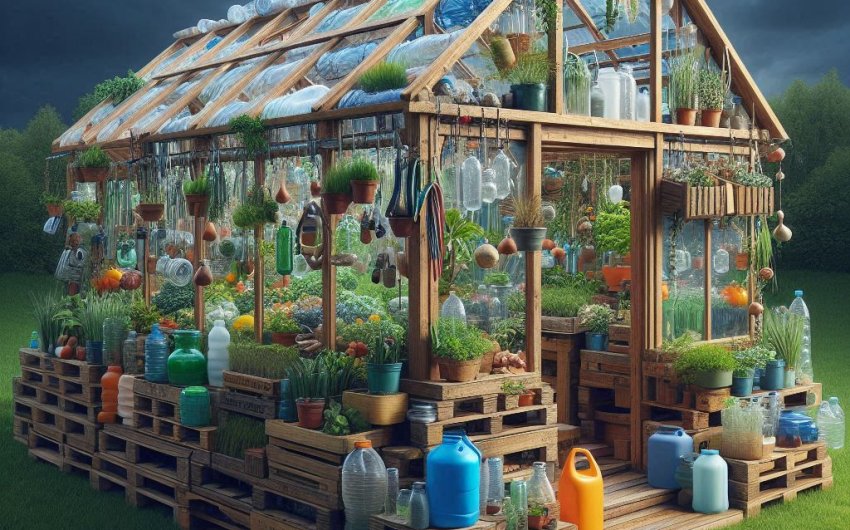
Building a DIY greenhouse using recycled materials is a fantastic way to grow your own plants, extend your growing season, and reduce waste. A greenhouse provides the perfect environment for gardening all year long, even during cold weather, by creating a warm, controlled climate for your plants. While greenhouses can be expensive to purchase or build from new materials, creating one from recycled items is both budget-friendly and eco-friendly.
With a bit of creativity and planning, you can build a fully functional greenhouse using materials you might already have around your home, such as old windows, plastic bottles, or scrap wood. In this guide, we’ll walk you through the steps to build your own DIY greenhouse from recycled materials.
Benefits of Building a Greenhouse with Recycled Materials
Before diving into the how-to, let’s take a quick look at some of the benefits of building a greenhouse from recycled items:
- Cost-effective: Using materials you already have, or can source for free or cheaply, reduces the cost of building a greenhouse.
- Eco-friendly: Repurposing materials helps reduce landfill waste and supports sustainable living.
- Customization: You can design the greenhouse to fit your space and needs perfectly, using whatever materials you have at hand.
- Creative freedom: Building with recycled materials allows you to get creative and repurpose items in new ways.
Now, let’s get started on the steps to build your DIY greenhouse!
Step 1: Choose the Right Location
The first step in building your greenhouse is selecting the right location in your yard. The location is crucial because it determines how much sunlight your plants will receive.
Sunlight Exposure
For maximum efficiency, place your greenhouse where it will get plenty of direct sunlight. The ideal location is a south-facing spot that receives at least 6-8 hours of sunlight per day. This helps create the warm, humid environment that plants need to thrive in a greenhouse.
- Avoid shady areas, as lack of sunlight can prevent plants from growing properly.
- Make sure the spot is level, as this will make building and setting up your greenhouse easier.
Shop for a reliable sunlight meter (available for $15–$30) to measure the sunlight in your chosen spot.
Step 2: Gather Recycled Materials
One of the most rewarding parts of building a DIY greenhouse is collecting and repurposing recycled materials. You don’t need to spend a lot of money on new supplies—many of the materials needed can be found around your home, from construction sites, or through online recycling networks.
Common Recycled Materials for Greenhouses
Here are some common recycled materials that are great for building a greenhouse:
- Old windows: Large windows or sliding glass doors can be reused as the walls or roof of the greenhouse. These provide excellent insulation and allow plenty of sunlight to enter.
- Plastic bottles: Cleaned and cut plastic bottles can be used to create the walls or roof of your greenhouse. They trap heat and create a greenhouse effect.
- Wood pallets: Wooden pallets can be repurposed into the frame of your greenhouse. They’re sturdy, easy to work with, and often available for free.
- PVC pipes: Leftover PVC pipes can be used to create the frame for a lightweight, easy-to-assemble greenhouse.
- Corrugated plastic: If you have old sheets of corrugated plastic, these can be repurposed for the roof or sides, providing good insulation and durability.
Find durable recycled wood pallets (available for $30–$60) to use as the frame for your greenhouse.
Step 3: Design Your Greenhouse
Now that you’ve gathered your materials, it’s time to design your greenhouse. The size and shape of your greenhouse will depend on the space you have and the materials you’re working with.
Key Design Considerations
- Size: Determine how big your greenhouse will be based on your available space and the amount of recycled materials you have. Keep in mind that your greenhouse should be large enough for you to move around and tend to your plants comfortably.
- Shape: A simple rectangular or A-frame design is the easiest to build. You can use wooden pallets or PVC pipes for the frame and cover the structure with glass, plastic bottles, or corrugated plastic.
- Door placement: Make sure to plan for a door that provides easy access to the inside of your greenhouse. This could be made from an old door or built from wood scraps.
Use a sketching pad (available for $5–$15) to draw up your design plan before you start building.
Step 4: Build the Frame
The frame is the skeleton of your greenhouse and provides structure and support for the covering materials. Depending on the materials you’ve gathered, there are several ways to build the frame.
Using Wooden Pallets
If you have wooden pallets, these can be repurposed into the frame of your greenhouse. Pallets are sturdy and easy to assemble, making them a great option for a DIY project.
- Prepare the pallets: Remove any nails, staples, or debris from the pallets.
- Arrange the pallets: Stand the pallets upright and align them to form the walls of the greenhouse. Use screws and brackets to secure the corners.
- Create the roof: Use additional pallets or long pieces of wood to create the roof structure. Make sure it slopes to allow rainwater to run off.
Using PVC Pipes
If you’re using PVC pipes for the frame, you’ll need elbow connectors and T-connectors to join the pipes together. PVC pipes create a lightweight and flexible structure that’s easy to work with.
- Cut the PVC pipes: Cut the PVC pipes to your desired height and length using a PVC pipe cutter.
- Assemble the frame: Connect the PVC pipes using elbow and T-connectors to form the base, walls, and roof.
- Secure the frame: Anchor the PVC frame to the ground using stakes or brackets to ensure stability.
Order PVC pipe connectors (available for $10–$25) to securely join your pipes for the greenhouse frame.
Step 5: Add the Greenhouse Cover
Once the frame is complete, it’s time to cover your greenhouse to create a warm, enclosed environment for your plants. The type of covering you use will depend on the recycled materials you’ve gathered.
Recycled Windows
If you’re using old windows or glass doors, these can be placed directly on the frame to serve as the walls and roof of your greenhouse. Glass provides excellent insulation and allows plenty of sunlight to enter.
- Attach the windows: Secure the windows to the wooden frame using brackets and screws. If necessary, use caulk to seal any gaps between the windows and the frame.
- Reinforce the roof: Make sure the roof is sturdy enough to support the weight of the glass windows. You can add extra support beams if needed.
Order a pack of brackets and screws (available for $10–$20) to secure your windows to the greenhouse frame.
Plastic Bottles
Using plastic bottles is a creative and affordable way to cover your greenhouse. The bottles trap heat and create a greenhouse effect, keeping your plants warm even during cold weather.
- Clean and cut the bottles: Rinse out the bottles and cut off the bottoms. Stack the bottles inside each other to create long tubes.
- Attach to the frame: Secure the bottle tubes to the frame using zip ties or staples. Arrange them close together to ensure there are no gaps.
Shop for zip ties (available for $5–$15) to attach plastic bottles or other materials to your greenhouse frame.
Corrugated Plastic or Sheets
If you have leftover sheets of corrugated plastic or polycarbonate, these can be used to cover the roof and walls. These materials are lightweight and durable, offering good insulation for your greenhouse.
- Cut the sheets to size: Use a utility knife to cut the plastic sheets to the correct size for the roof and walls.
- Attach to the frame: Secure the plastic sheets to the frame with screws or brackets, making sure the edges are sealed to prevent heat loss.
Find durable corrugated plastic sheets (available for $20–$50) to use as the covering for your greenhouse.
Step 6: Install the Door and Ventilation
Every greenhouse needs proper ventilation to regulate temperature and humidity. You also need easy access to tend to your plants, so don’t forget to add a door to your structure.
Adding a Door
If you have an old door, this can be repurposed for your greenhouse entrance. If not, you can build a simple door using scrap wood or plastic.
- Frame the door: Use wood or PVC pipes to create a sturdy frame for the door.
- Attach the door: Secure the door to the frame using hinges. Make sure it opens and closes smoothly.
Use door hinges (available for $5–$15) to install a functional greenhouse door.
Ventilation
Good airflow is essential to prevent overheating in your greenhouse. Install vents or leave gaps in the roof or walls to allow hot air to escape.
- Roof vents: Create small openings at the top of the greenhouse to release hot air.
- Window vents: If you’re using recycled windows, leave one or two windows slightly open for ventilation.
Find greenhouse vent kits (available for $25–$50) to help regulate temperature and humidity in your greenhouse.
Step 7: Set Up the Inside of Your Greenhouse
Now that your DIY greenhouse is complete, it’s time to set up the inside and get ready for planting. Organizing the space inside your greenhouse will make it easier to care for your plants and manage your gardening tasks.
Shelving
Install shelves or tables inside your greenhouse to hold pots, seed trays, and gardening tools. You can repurpose old bookshelves, tables, or wooden planks to create multi-level growing spaces.
Order greenhouse shelves (available for $20–$50) to organize your plants and tools inside your greenhouse.
Watering System
A simple drip irrigation system can make watering your plants easier and more efficient. You can set up a basic system using a hose and recycled materials like old bottles to create a slow-release watering system.
Find a drip irrigation kit (available for $15–$40) to automate watering in your greenhouse.
Heating (Optional)
If you live in a colder climate, you might want to add a heater or heating lamps to keep your greenhouse warm during the winter months. Solar-powered options are eco-friendly and cost-effective.
Choose a solar greenhouse heater (available for $50–$150) to keep your plants warm without using too much energy.
Final Touches
Once your greenhouse is set up, it’s ready for planting! Fill your greenhouse with a variety of vegetables, herbs, and flowers that thrive in a controlled environment. Be sure to monitor the temperature, humidity, and watering schedule to ensure that your plants are getting the right care.
By building a DIY greenhouse from recycled materials, you’re not only saving money but also reducing waste and making a positive impact on the environment. Happy gardening!