
How to Build a Raised Garden Bed on a Budget?
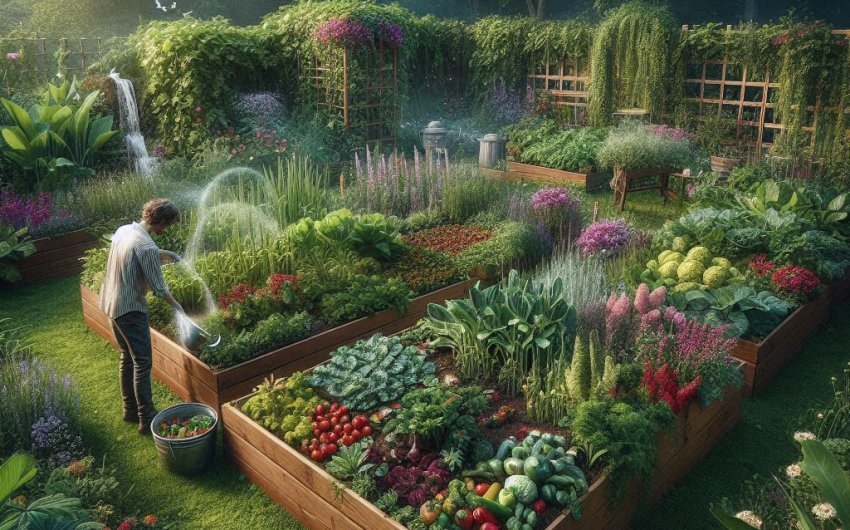
Building a raised garden bed is a great way to grow your own vegetables, herbs, or flowers without the challenges of traditional in-ground gardening. Whether you have poor soil, limited space, or just want to elevate your garden for easier access, a raised bed offers many benefits. But what if you're working with a tight budget? The good news is that you can build a raised garden bed without breaking the bank.
Let’s walk through how to create an affordable raised garden bed using readily available materials while keeping the costs low.
Benefits of a Raised Garden Bed
Before diving into the step-by-step process, it’s worth understanding why raised garden beds are so popular among gardeners. They offer several advantages, especially for beginners or those with limited space.
- Better drainage: Raised beds prevent water from pooling, making it easier for roots to absorb moisture without the risk of waterlogging.
- Improved soil quality: You can fill your raised bed with high-quality soil, allowing your plants to thrive even if your ground soil is poor.
- Easier access: Gardening is less strenuous since you don’t have to bend as much, and it's more accessible for people with limited mobility.
- Pest control: Raised beds make it harder for pests like moles and certain insects to reach your plants.
With all these benefits, it’s no surprise that raised garden beds are a favorite among gardeners. And with a few cost-saving strategies, you can easily build one without spending too much.
1. Choosing the Right Location
The first step in building a raised garden bed is choosing the right location in your yard. Look for a spot that gets plenty of sunlight, ideally six to eight hours a day. Plants like vegetables need a lot of sunlight to grow, so a sunny spot is essential.
Also, ensure the area is level to make building easier. If your yard is sloped, you may need to level the ground before starting, which can add to the cost and effort. Once you’ve found the right spot, it’s time to move on to gathering materials.
2. Selecting Affordable Materials
The biggest expense in building a raised garden bed often comes from the materials used to create the frame. However, there are several budget-friendly options that still offer durability and a nice appearance.
Wooden Planks
Wood is the most common material for raised beds, and you can find it relatively cheaply. Some affordable wood options include cedar, pine, or fir. Avoid treated wood, as chemicals can leach into the soil and affect your plants. If you can find recycled wood or repurpose wood from pallets, that’s an even cheaper and more sustainable option.
To build a basic rectangular raised bed, you’ll need four planks—two long ones for the sides and two shorter ones for the ends. The dimensions of your bed can vary, but a 4x8-foot raised bed is a popular size.
Find wooden planks for raised beds (available for $20–$50) to get started on your garden project.
Cinder Blocks
Cinder blocks are a great alternative to wood and are often more affordable. They are sturdy, easy to stack, and provide a simple way to create a raised bed. Plus, you can plant small herbs or flowers in the holes of the blocks, maximizing space.
One advantage of using cinder blocks is their durability. Unlike wood, they won’t rot or break down over time, making them a long-lasting option for your garden bed.
Order cinder blocks for raised beds (available for $10–$30) to build a long-lasting garden bed.
Recycled Materials
If you want to save even more money, look for recycled materials like old bricks, stones, or even reclaimed wood from old furniture. You can often find these materials for free or at a low cost from construction sites or online marketplaces.
Another creative option is using straw bales to build the walls of your garden bed. These bales are affordable, biodegradable, and provide great insulation for plants. The bales will naturally break down over time, adding organic material to your garden.
Check out recycled garden materials for unique and budget-friendly options.
3. Tools You’ll Need
Once you’ve decided on your materials, you’ll need a few basic tools to assemble your raised garden bed. If you don’t already own these, you may be able to borrow them from a friend or find them secondhand to save money.
Here’s a list of the essential tools you’ll need:
- Measuring tape: To measure your materials accurately.
- Drill or hammer: Depending on whether you’re using screws or nails to secure wooden planks.
- Saw: If you need to cut the wood to size.
- Level: To ensure your bed is even and won’t cause water to pool in certain areas.
- Shovel: For leveling the ground and filling the bed with soil.
Shop for affordable gardening tools (available for $15–$50) to help with your raised garden bed project.
4. Assembling the Frame
With your materials and tools ready, it’s time to start building the frame for your raised garden bed.
Step 1: Measure and Cut
If you’re using wood, measure the dimensions of your bed and cut the planks to size. A 4x8-foot bed is a good starting size for beginners, but feel free to adjust the size based on your space. For deeper-rooted plants, you may want to stack two layers of wood, making the bed about 12-18 inches deep.
Get a reliable measuring tape (available for $5–$15) to ensure accurate measurements.
Step 2: Secure the Corners
If you’re using wood, screw or nail the planks together at the corners to form a rectangular frame. Use a level to ensure the frame is even. If you're using cinder blocks, simply stack them in place to form the perimeter of the bed.
Find sturdy wood screws (available for $5–$15) to secure your wooden garden bed frame.
Step 3: Level the Ground
Before placing your frame in the garden, make sure the ground is level. Use a shovel to flatten the area where the bed will sit. This ensures the bed will drain properly and that water won’t pool in one area.
Choose a durable shovel (available for $15–$30) to help level your garden bed area.
Step 4: Position the Bed
Once the ground is level, place the frame in your desired location. If the bed isn’t level, adjust the soil underneath as needed. You can line the bottom of the bed with cardboard or landscape fabric to prevent weeds from growing through.
Browse landscape fabric (available for $10–$20) to help prevent weeds in your raised bed.
5. Filling the Raised Garden Bed
Now that your frame is built, it’s time to fill your raised garden bed with soil. The quality of your soil is crucial to the success of your plants, so don’t skimp on this step.
Step 1: Add a Base Layer
If your raised bed is deep, you can save money by filling the bottom half with organic materials like leaves, straw, or even sticks. This will help with drainage and reduce the amount of soil you need to buy. These materials will break down over time, adding nutrients to the soil.
Find affordable organic gardening materials (available for $10–$25) for the base layer of your raised bed.
Step 2: Choose the Right Soil Mix
The top layer of your raised bed should be filled with high-quality soil. A good mix consists of topsoil, compost, and peat moss or coconut coir. This combination will provide a nutrient-rich environment for your plants to grow.
You can either buy bags of pre-mixed soil or create your own mix by combining these ingredients.
Order high-quality garden soil (available for $10–$30 per bag) to fill your raised garden bed.
Step 3: Add Compost
To boost the fertility of your soil, mix in compost. Compost is full of essential nutrients that will help your plants grow strong and healthy. If you have your own compost bin, you can use homemade compost, or you can buy bags of compost from a garden center.
Get nutrient-rich compost (available for $10–$25) to enrich the soil in your raised garden bed.
6. Planting in Your Raised Garden Bed
Once your raised bed is filled with soil, it’s time to start planting. Whether you’re growing vegetables, herbs, or flowers, raised beds are perfect for providing the ideal growing environment.
Step 1: Choose Your Plants
For beginners, it’s best to start with easy-to-grow plants like tomatoes, lettuce, basil, or marigolds. These plants are low-maintenance and thrive in the well-drained, nutrient-rich environment that a raised garden bed provides.
Check out a variety of vegetable and herb seeds (available for $5–$15) to start planting in your raised bed.
Step 2: Plan the Layout
To maximize space in your raised bed, consider using a square foot gardening method, where you divide the bed into square sections and plant a different crop in each square. This method allows for better spacing and easier maintenance.
Find a garden planner (available for $10–$20) to help organize your plants in the raised bed.
Step 3: Water Consistently
Raised beds tend to dry out more quickly than in-ground gardens, so consistent watering is important. Consider adding a drip irrigation system or soaker hoses to save time and ensure your plants get the right amount of water.
Shop for an affordable drip irrigation system (available for $15–$40) to keep your plants hydrated.
7. Maintaining Your Raised Garden Bed
A well-maintained raised garden bed can last for years and provide you with a continuous supply of fresh produce and beautiful flowers. Here are some tips to keep your raised bed in top shape:
- Weed regularly: Raised beds usually have fewer weeds, but it’s still important to remove any weeds that do pop up.
- Mulch: Add a layer of mulch to the top of your soil to retain moisture and keep weeds at bay.
- Rotate crops: To prevent soil depletion and keep pests at a minimum, rotate the crops you grow each year.
Choose garden mulch (available for $10–$25) to protect your soil and conserve moisture.
With these steps, you’ll be well on your way to building a raised garden bed that fits your budget and keeps your garden thriving for years to come!