
How to Grow Medicinal Herbs in Your Garden?
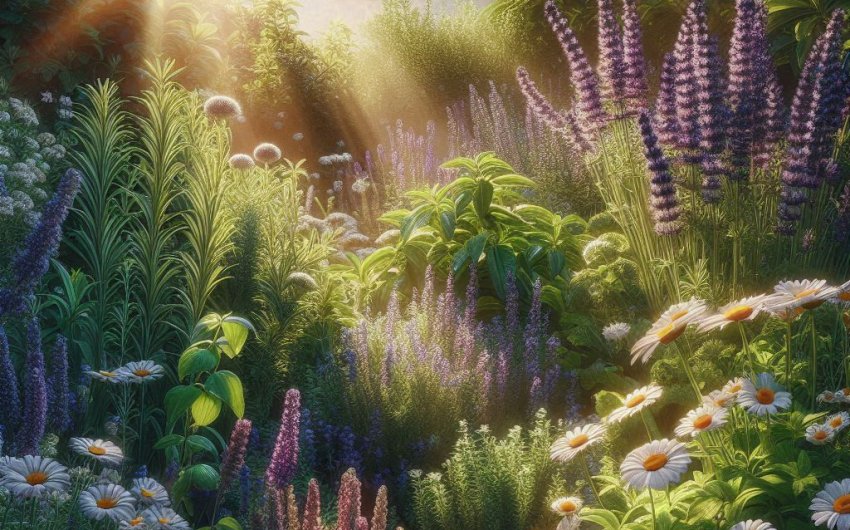
Growing medicinal herbs in your garden is a rewarding way to cultivate natural remedies that have been used for centuries. Whether you're looking to boost your health, create homemade remedies, or simply enjoy the benefits of fresh herbs, starting your own medicinal herb garden is a great choice. Many herbs are easy to grow, require minimal maintenance, and can be harvested for teas, tinctures, salves, and more.
In this guide, we’ll explore how to grow medicinal herbs, what tools and materials you need, and tips for harvesting them. From chamomile to lavender, you’ll learn how to create a thriving medicinal herb garden right at home.
Benefits of Growing Medicinal Herbs
There are many advantages to growing your own medicinal herbs. Here are just a few reasons why they’re a great addition to your garden:
- Natural remedies: Medicinal herbs can be used for a variety of home remedies, such as easing digestion, promoting relaxation, or soothing minor wounds.
- Cost-effective: Once established, growing your own herbs can save you money on purchasing dried herbs, teas, and supplements.
- Eco-friendly: By growing your herbs, you reduce waste and packaging while controlling the use of pesticides or chemicals.
- Health benefits: Many medicinal herbs contain vitamins, antioxidants, and compounds that can improve your overall wellness.
With so many benefits, it’s no wonder more people are turning to medicinal herb gardening.
Choosing the Right Location for Your Herb Garden
Before planting your medicinal herbs, choose the right spot in your garden. Most herbs thrive in full sun, requiring at least six hours of sunlight per day. If you have a shady area, don’t worry—some medicinal herbs like mint and lemon balm can tolerate partial shade.
If you're short on outdoor space, you can still grow medicinal herbs in containers or even indoors. Herbs like basil, thyme, and oregano are perfect for pots and windowsills. Raised beds are also a great option for keeping your herbs organized and making them easier to maintain.
Find high-quality plant containers (available for $15–$40) to grow your herbs indoors or on your patio.
Essential Tools for Starting Your Medicinal Herb Garden
To start growing your medicinal herbs, you don’t need a lot of fancy equipment. Here are a few basic tools and materials that will make the process easier:
- Garden trowel: This small hand shovel is perfect for digging small holes for planting herbs.
- Pruning shears: Use these to trim and harvest your herbs regularly.
- Watering can or hose: Herbs need consistent watering, especially when first planted.
- Garden gloves: Protect your hands from dirt and prickly plants like echinacea or thistle.
Shop for affordable gardening tools (available for $15–$50) to get started with your medicinal herb garden.
Soil and Fertilizer for Medicinal Herbs
Herbs thrive in well-drained soil, so it’s important to ensure your garden or container has good drainage. Most medicinal herbs prefer slightly alkaline soil with a pH of 6.0-7.0. You can test your soil using a soil test kit and amend it with compost or garden lime if necessary.
Avoid over-fertilizing your herbs, as too much fertilizer can make them less potent. Instead, add organic matter like compost or aged manure to enrich the soil naturally.
Choose a soil test kit (available for $10–$20) to ensure your soil is right for growing herbs.
Best Medicinal Herbs to Grow
There are many medicinal herbs to choose from, each with its own benefits and uses. Below are some of the best medicinal herbs for beginners, along with tips for planting and caring for them.
1. Chamomile (Matricaria chamomilla)
Chamomile is known for its calming properties and is often used to make herbal teas that help with sleep and digestion. It’s an easy-to-grow herb that prefers full sun and well-drained soil. Chamomile can be grown from seed and typically blooms in late spring to early summer.
Harvest the flowers when they’re fully open and dry them to make tea. The plant itself is hardy and can be grown in containers or directly in the garden.
Order chamomile seeds (available for $5–$15) to start growing this soothing herb in your garden.
2. Lavender (Lavandula angustifolia)
Lavender is widely known for its soothing scent and ability to reduce stress. It’s also used in essential oils, lotions, and even as a sleep aid. This perennial herb loves full sun and well-drained soil. Lavender is drought-tolerant, making it a low-maintenance addition to your garden.
Plant lavender in raised beds or containers if you live in a region with heavy rainfall, as too much moisture can cause root rot. Harvest the flowers when they begin to bloom, and use them for teas, sachets, or oils.
Find lavender seeds or plants (available for $10–$30) to bring this fragrant herb into your garden.
3. Echinacea (Echinacea purpurea)
Echinacea, or purple coneflower, is an immune-boosting herb that’s often used to help ward off colds and infections. It’s a beautiful perennial plant that thrives in full sun and is incredibly easy to grow. Echinacea can tolerate poor soil and drought conditions, making it a resilient choice for medicinal gardens.
To harvest echinacea, you can use the flowers, leaves, and roots to make teas, tinctures, or capsules. It’s also a great plant for attracting pollinators like bees and butterflies to your garden.
Purchase echinacea seeds or roots (available for $7–$20) to add this immune-boosting herb to your garden.
4. Peppermint (Mentha piperita)
Peppermint is a fast-growing herb known for its cooling and refreshing properties. It’s often used to soothe digestive issues and headaches. While peppermint thrives in full sun, it can also tolerate partial shade, making it a versatile choice for any garden.
Keep in mind that peppermint spreads quickly, so it’s best grown in containers to control its growth. You can harvest the leaves at any time and use them fresh or dried in teas, salves, and other remedies.
Choose peppermint plants (available for $5–$15) to grow this refreshing herb in your garden.
5. Lemon Balm (Melissa officinalis)
Lemon balm is a lemon-scented herb that’s excellent for reducing stress and anxiety. It’s a member of the mint family and grows best in full sun or partial shade. Lemon balm can be grown in containers or directly in the garden, and it’s relatively low-maintenance.
Harvest lemon balm by cutting the stems and leaves, which can be used fresh or dried for teas, tinctures, and topical creams. Its mild citrus flavor makes it a popular herb for calming teas and other soothing remedies.
Find lemon balm plants (available for $10–$20) to grow this calming herb in your garden.
6. Rosemary (Rosmarinus officinalis)
Rosemary is a popular herb known for its stimulating effects on memory and concentration. It’s also used in cooking, making it a versatile addition to any garden. Rosemary prefers full sun and well-drained soil. It can be grown in the ground or in containers, and it’s drought-tolerant once established.
Harvest rosemary by cutting the stems and drying the leaves for use in teas, oils, and culinary dishes. This herb can grow quite large, so be sure to give it plenty of space or prune it regularly.
Order rosemary plants (available for $7–$25) to enjoy its aroma and health benefits in your garden.
7. Sage (Salvia officinalis)
Sage is another versatile herb, commonly used to aid digestion and reduce inflammation. It’s also a key ingredient in culinary dishes like stuffing and sauces. Sage loves full sun and well-drained soil, making it an ideal herb for gardens in dry climates.
To harvest sage, cut the stems and use the leaves fresh or dried. You can use it in teas, tinctures, or cooking. It’s also a popular herb for cleansing rituals and smudging.
Choose sage plants (available for $5–$15) to grow this ancient herb in your garden.
8. Thyme (Thymus vulgaris)
Thyme is a small, aromatic herb known for its antiseptic and antibacterial properties. It’s also commonly used in cooking, particularly in Mediterranean dishes. Thyme prefers full sun and can be grown in containers, raised beds, or directly in the ground.
You can harvest thyme by cutting the stems and drying them for use in teas, tinctures, and oils. This hardy herb is drought-tolerant and requires little maintenance once established.
Find thyme seeds or plants (available for $5–$15) to enjoy this medicinal herb in your home garden.
9. Calendula (Calendula officinalis)
Calendula, also known as pot marigold, is famous for its skin-soothing properties. It’s used in salves, creams, and oils to treat burns, cuts, and skin irritations. Calendula grows best in full sun, and its bright orange and yellow flowers add a splash of color to any garden.
You can harvest calendula flowers when they’re in full bloom. Dry the petals and use them in teas, oils, or infused into balms for topical use.
Purchase calendula seeds or plants (available for $6–$20) to grow this healing herb in your garden.
10. Holy Basil (Ocimum tenuiflorum)
Holy basil, also known as Tulsi, is revered for its medicinal properties and is often used to reduce stress, improve immune function, and support respiratory health. Holy basil grows well in full sun and needs regular watering. It’s a fast-growing herb that can be grown in containers or garden beds.
Harvest the leaves regularly to encourage new growth and use them fresh or dried in teas, tinctures, or oils.
Choose holy basil seeds (available for $5–$15) to start growing this sacred herb in your garden.
Harvesting and Storing Medicinal Herbs
Once your medicinal herbs are thriving, it’s important to know how to harvest and store them properly to preserve their potency.
Harvesting Tips
- Timing: Harvest herbs in the morning after the dew has dried but before the sun gets too hot. This helps retain their essential oils and nutrients.
- Cutting: Use sharp pruning shears to trim the herbs. For leafy herbs like basil or mint, cut just above a leaf node to encourage new growth.
- Flowers: For herbs like calendula or chamomile, harvest the flowers when they’re fully open, but before they start to wilt.
Find sharp pruning shears (available for $10–$25) to harvest your herbs cleanly and effectively.
Drying and Storing
Drying your herbs is the best way to preserve them for long-term use. You can air-dry them by hanging bundles upside down in a warm, dry place, or use a dehydrator for faster results.
Once dried, store your herbs in airtight containers away from direct sunlight and moisture. This helps retain their medicinal properties for months.
Order a herb dehydrator (available for $40–$100) to dry your herbs quickly and efficiently.
With these tips, you’ll be well on your way to growing a thriving medicinal herb garden that provides natural remedies right at your fingertips!