
Building a Mini Greenhouse: Extend the Growing Season on Your Mini Farm
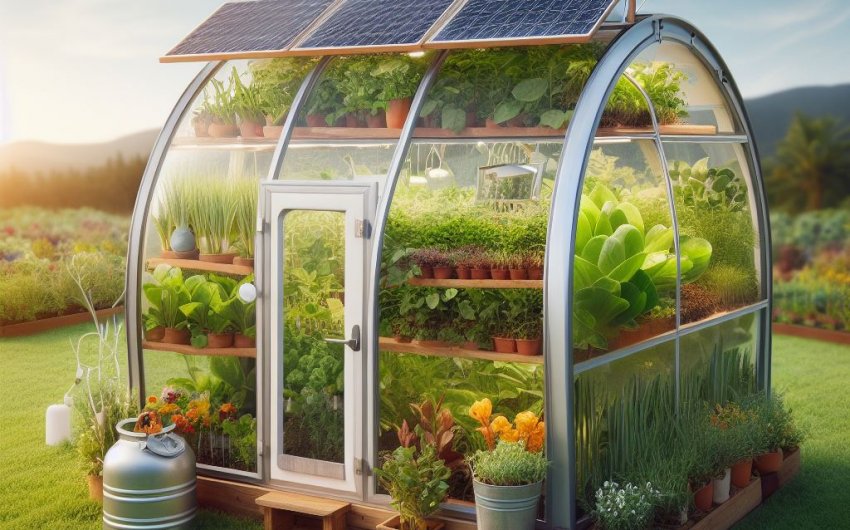
Building a mini greenhouse for your mini farm is an excellent way to extend the growing season by trapping solar heat, protecting plants from frost, and providing a controlled environment. This allows for earlier spring planting, longer fall harvests, and even year-round cultivation of certain crops, significantly boosting your farm's productivity regardless of your regional climate.
Why is a mini greenhouse a game-changer for extending the growing season?
A mini greenhouse acts as a vital tool for any mini farm, transforming how and when you can grow food. By creating a protected, warmer microclimate, it effectively extends your growing season by several weeks or even months on both ends, allowing you to start earlier in spring and harvest later (or even year-round) in fall and winter. This small structure is a game-changer for maximizing yield and variety in limited spaces.
What are the main benefits of a mini greenhouse for a mini farm?
- Season extension: Allows you to start seeds earlier in spring, grow heat-loving plants longer into fall, and cultivate cold-hardy crops through winter.
- Frost protection: Shields tender plants from unexpected late spring or early fall frosts.
- Pest and disease control: Can act as a barrier against some flying insects and reduce certain disease pressures by controlling humidity.
- Climate control: Provides a warmer, more stable environment for sensitive plants, enhancing growth.
- Increased yield: More planting cycles and better plant health lead to a significantly higher overall harvest from your mini farm.
- Protection from harsh weather: Shields plants from heavy rain, strong winds, or hail.
- Acclimation (hardening off): Provides an ideal intermediate step for hardening off seedlings grown indoors before transplanting outdoors.
What are the different types of mini greenhouses?
Mini greenhouses come in various forms, from simple temporary structures to more permanent setups:
- Cold Frames: Simple, low-lying boxes with a transparent lid, placed directly over a garden bed. Excellent for overwintering hardy crops or starting early seeds.
- Hoop Houses (Mini/Portable): Arch-shaped frames covered with plastic sheeting, offering more height and space than a cold frame.
- Small walk-in greenhouses: More permanent structures, often with shelving, allowing you to work inside.
- Lean-to greenhouses: Attached to a wall of a house or shed, benefiting from its warmth.
- Mini pop-up greenhouses: Very portable and easy to set up for temporary use.
How do you plan and site your mini greenhouse correctly?
Proper planning and siting are crucial for the effectiveness and longevity of your mini greenhouse. The right location maximizes solar gain and minimizes exposure to harsh elements.
What are key considerations for mini greenhouse placement?
- Sunlight: The most critical factor. Site your mini greenhouse to receive maximum full sun exposure, especially during the cooler months. A south-facing orientation is usually ideal.
- Wind protection: Shield your greenhouse from strong prevailing winds, which can strip away heat and damage the structure. A fence, hedge, or building wall can serve as a windbreak.
- Drainage: Ensure the site has good drainage to prevent water accumulation around the foundation, which can lead to rot or structural issues.
- Level ground: The foundation should be level for stability.
- Accessibility: Easy access for watering, ventilation, and tending to plants. Consider proximity to a water source and electricity (if needed for heating/ventilation).
- Proximity to house/shed: A lean-to design can benefit from the stored heat of an adjacent building.
How do you choose the right size and type of mini greenhouse for your needs?
- Garden size/space: Assess the available space on your mini farm.
- Budget: Costs vary widely from DIY cold frames to commercial walk-in models.
- Desired use:
- Seed starting/Hardening off: A simple cold frame or small pop-up might suffice.
- Season extension: A hoop house or small walk-in is better.
- Year-round growing: Requires a more robust, possibly heated, structure.
- Portability: Do you need to move it seasonally or is a permanent structure preferred?
- Local regulations: Check for permits or setback requirements.
What materials are best for building a mini greenhouse?
The choice of materials impacts the greenhouse's durability, insulation, light transmission, and cost. A combination of sturdy framing and appropriate glazing is essential.
What framing materials are suitable for mini greenhouses?
- Wood: Attractive, relatively easy to work with (e.g., cedar, redwood, or pressure-treated lumber for longevity). Can be prone to rot if not treated. You can find wood for garden beds and structures.
- PVC pipe: Inexpensive, lightweight, and easy to bend into hoops for hoop houses. Less durable than metal or wood.
- Metal (galvanized steel/aluminum): Very durable, strong, and long-lasting. Often used for commercial kits. More expensive.
- Recycled materials: Pallets, old windows (for cold frames).
What glazing materials provide optimal light and insulation?
- Polycarbonate panels: Durable, lightweight, good insulation (especially twin-wall or multi-wall), diffuses light well, less prone to shattering than glass. Available as twin-wall polycarbonate sheets.
- Polyethylene film (Greenhouse Plastic): Inexpensive, widely available, flexible, easy to install for hoop houses. Needs to be replaced every few years as it degrades from UV.
- Glass: Excellent light transmission and aesthetics, but heavy, expensive, and fragile. Best for permanent, high-end structures.
- Fiberglass: Durable and diffuses light well, but can yellow over time.
How do you build a simple DIY cold frame?
A DIY cold frame is one of the easiest and most effective mini greenhouses to build, perfect for beginners looking to extend their growing season.
What materials do you need for a basic DIY cold frame?
- Frame material: Four pieces of lumber (e.g., 2x10 or 2x12 pressure-treated wood, cedar, or composite) to form a box.
- Lid material: An old window pane, a piece of polycarbonate, or clear plastic sheeting stretched over a simple wood frame.
- Hinges: To attach the lid, allowing it to be opened for ventilation.
- Screws/nails: For assembly.
- Optional: A small prop to hold the lid open.
What are the steps for building a DIY cold frame?
- Cut lumber: Cut two longer pieces for the sides and two shorter pieces for the front/back. The back piece should be taller than the front to create a sloped lid for better solar gain and water runoff.
- Assemble the frame: Screw or nail the four lumber pieces together to form a bottomless box.
- Prepare the lid: Build a simple frame for your lid material, ensuring it's slightly larger than the top of the box. Secure the glazing material (e.g., polycarbonate or plastic) to this frame.
- Attach the lid: Attach the lid to the back of the cold frame using hinges.
- Place in garden: Position the cold frame directly over your garden bed, ensuring the sloped side faces south for maximum sun exposure.
- Seal edges: Heap soil or mulch around the base of the frame to seal it and prevent drafts.
How do you build a simple DIY mini hoop house?
A DIY mini hoop house offers more space and height than a cold frame, making it suitable for larger plants or multiple rows, and can be relatively inexpensive to build.
What materials do you need for a basic DIY mini hoop house?
- Base frame: Lumber (e.g., 2x4s or 4x4s) to create a rectangular base.
- Hoops: Flexible PVC pipe or flexible metal conduit, cut to length.
- Rebar/Stakes: For anchoring the hoops into the ground or base frame.
- Greenhouse plastic: A roll of UV-stabilized greenhouse plastic film.
- Clamps/Clips: To secure the plastic to the hoops.
- Optional: Rope, twine, or strapping for additional stability.
What are the steps for building a DIY mini hoop house?
- Build the base: Construct a rectangular base frame from lumber. This provides a sturdy foundation.
- Install rebar/stakes: Drive short pieces of rebar (12-18 inches) into the ground just inside the corners of the base frame, and every 4-6 feet along the long sides. Leave 6-12 inches exposed.
- Bend and insert hoops: Bend your flexible pipe/conduit into arches and insert the ends over the exposed rebar pieces. This forms the hoop structure.
- Secure hoops (optional): For added stability, you can run a ridge pole (another piece of pipe or lumber) along the top center of the hoops and secure it with clamps or ties.
- Drape plastic: Carefully drape the greenhouse plastic over the hoops, ensuring it covers all sides and extends to the ground.
- Secure plastic: Use clamps, clips, or heavy objects (rocks, sandbags) to secure the plastic firmly to the base frame and ground. Ensure there are no large gaps for wind or pests. You may want to leave one end easy to open for ventilation.
- Ventilation: Plan for ventilation. You'll need to open sides or ends on warm, sunny days to prevent overheating.
How do you manage temperature and ventilation in a mini greenhouse?
Effective temperature and ventilation management are crucial for preventing plants from overheating or getting too cold, ensuring healthy growth within your mini greenhouse.
How do you regulate temperature in a mini greenhouse?
- Ventilation: The most important tool. Open vents, windows, or doors on warm, sunny days to release excess heat. On cold but sunny days, close them to trap heat.
- Thermal mass: Water barrels, dark-colored rocks, or bricks inside the greenhouse can absorb solar heat during the day and slowly release it at night, helping to stabilize temperatures.
- Insulation: In colder climates, add extra insulation (bubble wrap, blankets) to the inside walls at night or during extreme cold snaps.
- Heaters (optional): For true year-round growing in very cold climates, a small electric heater (with thermostat) may be necessary, but this adds to energy costs.
Why is ventilation so critical?
Ventilation is critical for:
- Preventing overheating: On sunny days, temperatures inside a greenhouse can rapidly soar to lethal levels.
- Reducing humidity: High humidity promotes fungal diseases. Ventilation allows moist air to escape.
- Providing fresh air: Essential for photosynthesis and plant respiration.
- Pollination: Important for naturally pollinated crops.
How do you ensure good ventilation?
- Manual vents: Cold frames require manual propping of the lid. Hoop houses may need sides rolled up or end walls opened.
- Automatic vents: Some commercial greenhouses have automatic vent openers that open and close based on temperature.
- Fans: In larger mini greenhouses, a small fan can improve air circulation.
What crops thrive in a mini greenhouse for season extension?
A mini greenhouse allows you to grow a wider variety of crops beyond your outdoor season, focusing on cool-season crops for winter and giving heat-lovers an early start.
What crops are ideal for early spring starts?
- Seedlings: Start warm-season crops like tomatoes, peppers, eggplants, and cucumbers 6-8 weeks before your last frost date.
- Cool-season greens: Plant direct-sown lettuce, spinach, kale, arugula, radishes, and peas several weeks earlier than outdoor planting.
- Hardening off: Use the greenhouse to gradually acclimate indoor-grown seedlings to outdoor conditions.
What crops are best for late fall and winter harvests?
- Hardy leafy greens: Kale, spinach, collards, Swiss chard, Mache, arugula. These can often be harvested throughout winter in a cold frame or unheated greenhouse.
- Root vegetables: Carrots, beets, radishes can be sown in late summer for fall/winter harvest or overwintered in cold frames.
- Broccoli raab, mustard greens, pac choi: Cold-tolerant Asian greens.
- Herbs: Parsley, cilantro (can be kept producing longer).
What heat-loving crops benefit most from a greenhouse?
- Tomatoes, peppers, eggplants: Get a much longer, more productive season.
- Cucumbers (parthenocarpic varieties): Can be grown year-round in a heated greenhouse.
- Melons: Can be given a significant head start.
What are common mini greenhouse problems and how to troubleshoot them?
Even with careful management, mini greenhouses can encounter issues. Understanding common problems and their solutions ensures your plants stay healthy and productive.
Why are my greenhouse plants suffering from pests?
Enclosed environments can sometimes create ideal breeding grounds for certain pests.
- Common pests: Aphids, spider mites, whiteflies, fungus gnats.
- Cause: Often introduced on new plants, or thrive in warm, stagnant conditions.
- Solution:
- Vigilance: Inspect plants regularly.
- Quarantine new plants: Always isolate new plants before introducing them.
- Ventilation: Improve air circulation to deter spider mites and fungal gnats.
- Organic sprays: Use insecticidal soap or neem oil for outbreaks.
- Beneficial insects: Introduce ladybugs or predatory mites.
Why are my greenhouse plants suffering from diseases?
High humidity and lack of airflow can promote fungal diseases.
- Common diseases: Powdery mildew, botrytis (gray mold), damping-off (for seedlings).
- Cause: High humidity, poor ventilation, prolonged leaf wetness.
- Solution:
- Ventilation: Ensure excellent airflow, especially on sunny days.
- Water correctly: Water at the base of plants; avoid overhead watering.
- Spacing: Don't overcrowd plants.
- Sanitation: Remove diseased plant material immediately.
- Fungicides: Organic greenhouse fungicides (e.g., copper-based, sulfur) may be used as a last resort.
Why are my greenhouse plants overheating or getting too cold?
- Overheating:
- Cause: Insufficient ventilation on sunny days.
- Solution: Open vents, windows, doors, or roll up sides to increase airflow. Use shade cloth if needed.
- Too Cold:
- Cause: Lack of insulation, insufficient thermal mass, extreme external temperatures.
- Solution: Add insulation (bubble wrap), use thermal mass (water barrels), or a small heater if absolutely necessary. Ensure any gaps are sealed.
Building a mini greenhouse is an invaluable addition to any mini farm, offering an effective way to extend your growing season and significantly boost your year-round yield. By carefully planning its site, choosing appropriate materials, diligently managing temperature and ventilation, and selecting crops suited for its protected environment, you can transform your mini farm into a continuous source of fresh, healthy produce, regardless of the outdoor climate.