
Pest Control on a Mini Farm: Organic Solutions That Work
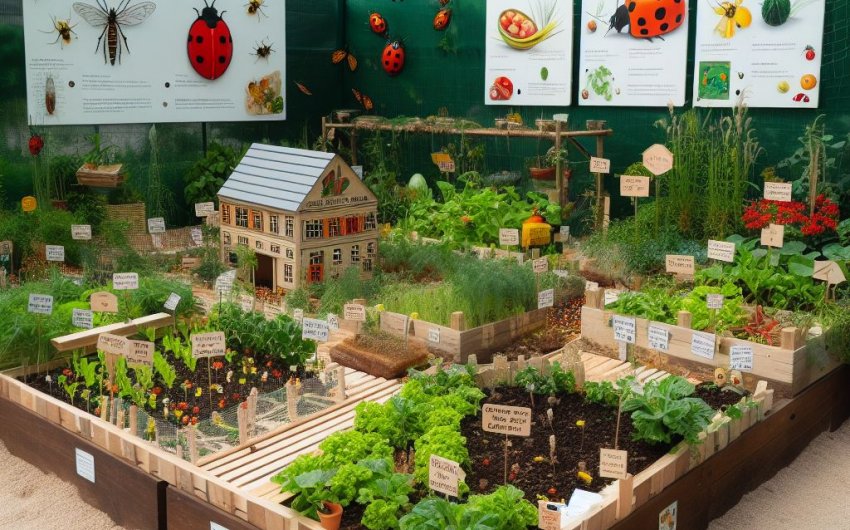
Effective pest control on a mini farm relies heavily on organic solutions that work with nature, prioritizing prevention, attracting beneficial insects, and employing physical barriers and homemade remedies before resorting to targeted biological or organic sprays. The goal is to create a balanced ecosystem where pests are managed, not eradicated, ensuring a healthy and productive farm.
Why is organic pest control crucial for a mini farm?
Organic pest control is crucial for a mini farm because it prioritizes the health of your soil, plants, family, and the wider environment. Unlike conventional methods that often rely on synthetic pesticides, organic solutions focus on building a resilient ecosystem that naturally deters pests and supports beneficial organisms. This approach leads to healthier produce, minimizes harmful chemical exposure, and fosters a more sustainable farming practice in a limited space.
What are the dangers of chemical pest control on a mini farm?
- Harm to beneficials: Broad-spectrum chemical pesticides kill not only target pests but also beneficial insects (pollinators, predators) that help keep pest populations in check.
- Health risks: Exposure to synthetic chemicals can pose risks to gardeners, children, pets, and consumers of your produce.
- Environmental pollution: Runoff can contaminate soil and water sources.
- Pest resistance: Overuse of chemicals can lead to pests developing resistance, making them harder to control in the long run.
- Soil degradation: Some chemicals can harm the beneficial microbial life in the soil, which is vital for plant health.
What are the benefits of organic pest control?
- Safe for family and pets: No harmful residues on your food or in your yard.
- Healthy soil and plants: Promotes a thriving soil ecosystem and resilient plants.
- Environmental protection: Preserves biodiversity and protects water sources.
- Sustainable practice: Works with nature's cycles, building a long-term healthy farm.
- Balanced ecosystem: Encourages a diverse array of insects, creating natural pest suppression.
What are the foundational strategies for organic pest prevention?
The best pest control is prevention. Implementing foundational organic strategies creates an environment where pests struggle to thrive, significantly reducing the need for active intervention on your mini farm.
How does healthy soil deter pests?
Healthy, living soil is the cornerstone of pest prevention.
- Vigorous plants: Plants growing in nutrient-rich, biologically active soil are stronger and more resilient, better able to fend off pests and diseases.
- Balanced nutrients: Prevents nutrient deficiencies or excesses that can stress plants and make them more attractive to certain pests.
- Beneficial microbes: A diverse soil microbiome can sometimes even produce compounds that deter soil-dwelling pests.
What role does diversity play in pest prevention?
- Polycultures (mixed planting): Instead of monoculture (single crop rows), planting a variety of crops together confuses pests, making it harder for them to locate their target plants. It also creates diverse habitats for beneficial insects.
- Crop rotation: Rotating different plant families to different beds annually breaks pest life cycles and prevents pests from building up in the soil.
- Companion planting: Strategically placing specific plants together that benefit each other (e.g., marigolds deter nematodes, basil deters flies from tomatoes).
How do cleanliness and sanitation prevent pests?
- Remove diseased/infested plants: Promptly remove and destroy any heavily infested or diseased plant material. Do not compost them, as this can spread problems.
- Clear debris: Remove fallen leaves, spent fruit, and garden debris where pests can hide or overwinter.
- Sterilize tools: Use clean, sharp pruning shears and tools, sterilizing them between cuts (especially for diseased plants) to prevent pathogen spread.
What physical barriers offer effective organic pest control?
Physical barriers are an excellent non-chemical way to protect your plants from various pests, creating a physical shield that pests cannot cross.
How do row covers protect plants?
Floating row covers are lightweight, permeable fabrics placed over plants, forming a barrier against flying insects (like cabbage moths, cucumber beetles, squash bugs).
- Benefits: Protects from pests without chemicals, allows light and water to pass through, provides some frost protection.
- Method: Drape the floating row cover fabric over plants and secure the edges to the ground with soil, rocks, or hoops to prevent pests from crawling underneath.
- Considerations: Remove covers during flowering for crops that require insect pollination (unless using parthenocarpic varieties).
What other physical barriers are useful?
- Netting: Fine mesh netting can protect fruit trees, berry bushes, or entire vegetable patches from birds, squirrels, and other larger animal pests.
- Fences: For larger animals like deer, rabbits, or groundhogs.
- Copper tape: Around the rims of raised beds or pots to deter slugs and snails (they get a mild electric shock).
- Collars: Place cardboard or metal collars around the base of young seedlings to protect them from cutworms.
- Traps: Pheromone traps for specific pests (monitoring, not usually eradication), sticky traps for flying insects, beer traps for slugs.
How do you encourage and attract beneficial insects?
Attracting and supporting beneficial insects is a cornerstone of organic pest control. These "good bugs" act as natural predators and parasites of pest insects, helping to keep populations in check.
What are common beneficial insects?
- Ladybugs (Ladybeetles): Larvae and adults voraciously eat aphids, mealybugs, and spider mites.
- Lacewings: Larvae (aphid lions) are fierce predators of aphids, thrips, mites, and small caterpillars.
- Hoverflies (Syrphid Flies): Larvae feed on aphids; adults are important pollinators.
- Parasitic Wasps: Tiny wasps that lay their eggs inside or on pest insects (like aphids or caterpillars), effectively killing them.
- Praying Mantises: Generalist predators that eat a wide range of insects.
How do you attract beneficial insects to your mini farm?
- Plant diverse flowers: Especially small-flowered plants with accessible nectar and pollen.
- Good choices: Dill, cilantro, fennel, parsley (let them flower!), cosmos, zinnia, marigolds, sweet alyssum. You can find beneficial insect attracting seed mixes online.
- Provide shelter: Leave small piles of brush, rock piles, or un-mulched areas for overwintering and resting.
- Avoid broad-spectrum pesticides: These kill beneficials along with pests.
- Provide water: A shallow dish with pebbles for landing can attract insects.
- Tolerate some pests: A small population of pests is necessary to sustain beneficial insects.
Can you buy beneficial insects?
Yes, you can purchase beneficial insects (like ladybugs, lacewing larvae, parasitic wasps) from garden suppliers.
- Considerations: Release them in the evening or when temperatures are cool. Ensure you have food (pests) for them and haven't sprayed pesticides recently. Best for enclosed spaces or as a supplementary measure.
What organic sprays and homemade remedies are effective for pests?
When prevention and beneficial insects aren't enough, targeted organic sprays and homemade remedies can help control pest outbreaks without harming the environment.
What are effective organic insecticidal sprays?
- Insecticidal soap: Works by suffocating soft-bodied insects (aphids, mealybugs, spider mites). Mix according to instructions or use a ready-to-use organic insecticidal soap spray. Requires direct contact. Repeat every 5-7 days.
- Neem oil: A natural botanical insecticide/repellent that disrupts insect feeding, growth, and reproduction. Effective against a wide range of pests. Mix neem oil concentrate with water and a few drops of mild soap. Apply as a foliar spray.
- Horticultural oil: A refined petroleum product that suffocates insects and their eggs. Use a light horticultural oil (safe for plants) and follow instructions.
- Garlic/Pepper sprays: Homemade sprays can have repellent properties. Steep chopped garlic or hot peppers in water, strain, and spray. Effectiveness varies.
How do you apply organic sprays safely and effectively?
- Test first: Apply to a small section of the plant to check for adverse reactions before full application.
- Spray thoroughly: Ensure complete coverage of all plant surfaces, especially undersides of leaves where pests hide.
- Timing: Apply in the early morning or late afternoon to avoid direct sun, which can cause leaf burn.
- Repeat: Most organic sprays require repeat applications at specific intervals to break pest life cycles.
- Wear protective gear: Even organic sprays require gloves and eye protection.
What is IPM and how does it apply to mini farm pest control?
Integrated Pest Management (IPM) is a holistic, common-sense approach to pest control that combines various strategies to manage pests sustainably. It's about using the least toxic methods first and only escalating when necessary, always focusing on long-term prevention.
What are the steps of an IPM approach for a mini farm?
- Prevention: The most important step. Implement all the foundational strategies (healthy soil, diversity, sanitation).
- Monitoring: Regularly inspect plants for pests. Use yellow sticky traps to monitor flying insects.
- Identification: Correctly identify the pest. Knowing your enemy helps choose the right strategy.
- Thresholds: Understand how many pests you can tolerate before intervention is needed. A few aphids often attract ladybugs; a full infestation might need intervention.
- Intervention:
- Cultural controls: Improve plant health, change watering habits.
- Physical/Mechanical controls: Hand-picking, row covers, traps.
- Biological controls: Introduce or encourage beneficial insects.
- Organic chemical controls: Insecticidal soap, neem oil (as a last resort).
- Evaluation: Monitor the effectiveness of your interventions and adjust your strategy as needed.
Effective pest control on a mini farm hinges on implementing organic solutions that work with nature. By prioritizing comprehensive prevention through healthy soil, plant diversity, and garden cleanliness, fostering robust populations of beneficial insects, and employing physical barriers or targeted organic sprays when necessary, you can successfully manage pests. This integrated, sustainable approach ensures a thriving, productive mini farm that yields abundant, healthy food without relying on harmful chemicals.