
How to Create a Butterfly Haven on Your Porch with Flowering Plants
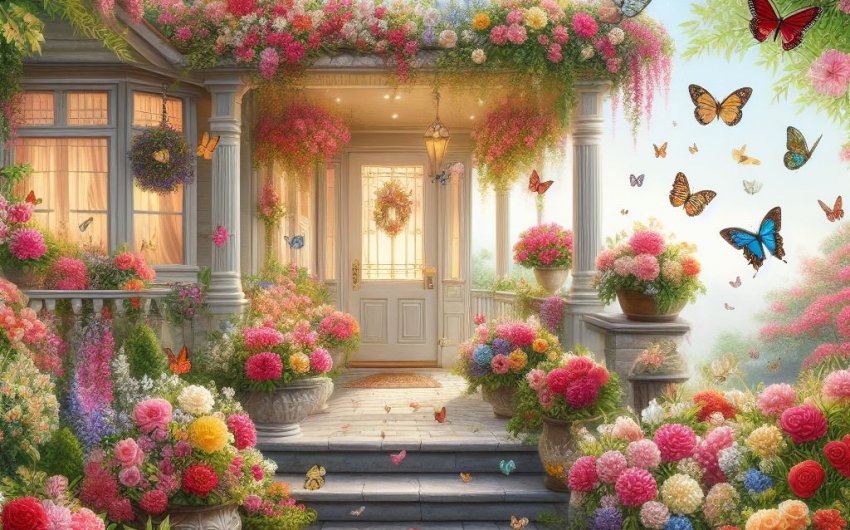
To create a butterfly haven on your porch with flowering plants, select nectar-rich flowers in various colors and bloom times, and crucially, include host plants for butterfly larvae. Ensure a sunny, sheltered location with shallow water sources and avoid pesticides to attract and sustain a vibrant butterfly population.
Why is a porch butterfly haven beneficial for you and pollinators?
Creating a butterfly haven on your porch transforms a small outdoor space into a vibrant, living ecosystem, bringing the beauty of fluttering wings and the vital work of pollination directly to your doorstep. Far from being just an aesthetic choice, a porch butterfly garden offers profound benefits, supporting struggling pollinator populations while providing an engaging and educational spectacle for you and your family.
What are the compelling benefits of a porch butterfly haven?
A butterfly haven offers a unique blend of personal enjoyment and ecological contribution.
- Supports Pollinator Health: Butterflies are crucial pollinators, vital for the reproduction of many plants (including fruits and vegetables). Creating a haven, even a small one, directly contributes to supporting declining pollinator populations and local biodiversity.
- Beauty and Delight: The vibrant colors and graceful flight of butterflies bring immense joy and a sense of wonder to your porch, turning it into a dynamic, ever-changing tableau of nature.
- Educational Opportunity: It's a fantastic, hands-on way to teach children (or yourself!) about insect life cycles (from egg to caterpillar to chrysalis to butterfly), pollination, and ecosystem interdependence.
- Relaxation and Well-being: Observing butterflies in your garden can be incredibly calming and meditative, enhancing your connection to nature and reducing stress.
- Air Quality and Aesthetics: Plants naturally improve local air quality, and a porch filled with flowering plants creates a lush, inviting, and fragrant outdoor living space.
- Easy to Maintain (Comparatively): A small porch haven is generally easier to manage than a large garden bed, making it accessible for beginners or those with limited time.
- Attracts Beneficial Insects: While focused on butterflies, a diverse flowering porch also attracts other beneficial insects like bees and predatory insects that help with pest control.
- Personal Connection to Nature: Provides a tangible way to make a positive environmental impact, fostering a sense of contribution and stewardship.
What do butterflies need to thrive in your porch haven?
Butterflies have specific needs throughout their life cycle to thrive.
- Nectar Plants (Food for Adults): Adult butterflies primarily feed on nectar from flowers, which provides them with energy. They are attracted to specific flower colors, shapes, and scents.
- Host Plants (Food for Larvae): This is absolutely crucial and often overlooked. Female butterflies lay their eggs on specific host plants, which then provide the exclusive food source for their hungry caterpillars. Without host plants, you cannot have a sustainable butterfly population.
- Sunlight: Butterflies are cold-blooded and need sunlight to warm their bodies for flight. Your porch haven needs ample sun.
- Shelter: Protection from strong winds and heavy rain provides a safe place to rest and lay eggs.
- Water Source: Shallow water or damp areas provide a place for butterflies to drink and "puddle" (absorb minerals).
- No Pesticides: Absolutely vital. Pesticides, even organic ones, can harm or kill butterflies and their larvae.
By understanding these compelling benefits and essential needs, you can strategically design your porch butterfly haven to be a vibrant, supportive ecosystem for these delicate pollinators.
How do I choose the best flowering plants for a porch butterfly haven?
Choosing the right flowering plants is the cornerstone of a successful porch butterfly haven. It's not just about pretty blooms; it's about selecting species that provide both vital nectar for adult butterflies and crucial host foliage for their hungry larvae, ensuring a complete life cycle and a continuous spectacle.
What characteristics should I look for in butterfly-attracting flowers?
Adult butterflies are attracted to specific flower traits that signal a rich nectar source.
- Nectar-Rich Flowers:
- DO: Choose plants known for producing abundant nectar. Flat-topped clusters, umbels, or tubular flowers are often good indicators.
- Why: Provides the energy source adult butterflies need for flight and reproduction.
- Bright Colors:
- DO: Butterflies are particularly attracted to bright, vibrant colors like purple, pink, red, orange, and yellow.
- Why: These colors are highly visible to butterflies.
- Flower Shape:
- DO: Opt for flowers with simple, open shapes (e.g., daisies, coneflowers) where nectar is easily accessible, or tubular shapes (e.g., salvia, pentas) that match their long proboscises (feeding tubes).
- Variety of Bloom Times:
- DO: Select plants that bloom sequentially throughout the growing season (spring, summer, fall).
- Why: Ensures a continuous nectar supply from early spring migrants to late fall residents.
- Plant in Clumps:
- DO: Plant flowers in clusters or "drifts" of the same species and color rather than scattering individual plants.
- Why: Large patches of color are more easily spotted by butterflies.
- Single-Petal Flowers:
- DO: Choose single-petal varieties over highly hybridized double-petal flowers.
- Why: Double flowers often have less accessible nectar and pollen.
What are essential nectar plants for adult butterflies on a porch?
These plants are magnets for adult butterflies seeking energy.
- Pentas (Pentas lanceolata - Egyptian Starcluster):
- Colors: Pink, red, lavender, white.
- Benefits: Prolific bloomer, tubular flowers are perfect for butterflies, loves sun and heat.
- A common option is Pentas lanceolata plants.
- Lantana (Lantana camara):
- Colors: Red, orange, yellow, pink (often multi-colored clusters).
- Benefits: Drought-tolerant, heat-loving, continuous blooms, attracts many butterfly species.
- Zinnia (Zinnia elegans):
- Colors: Every color imaginable.
- Benefits: Easy to grow from seed, long-lasting blooms, attracts butterflies with its open centers.
- Coneflower (Echinacea purpurea):
- Colors: Purple, pink, white, yellow.
- Benefits: North American native, attracts many pollinators, very hardy.
- Cosmos (Cosmos bipinnatus):
- Colors: Pink, purple, white, yellow, orange.
- Benefits: Easy to grow from seed, delicate, airy look, attracts butterflies with its open flowers.
- *Salvia (Salvia spp.):*
- Colors: Red, blue, purple, pink.
- Benefits: Many varieties have tubular flowers perfect for long proboscises, drought-tolerant, long bloom time.
- Milkweed (Asclepias spp. - Butterfly Weed, Swamp Milkweed):
- Colors: Orange, pink, white.
- Benefits: Crucial nectar source AND host plant for Monarch Butterflies. A must-have!
What are essential host plants for butterfly larvae (caterpillars)?
This is the most critical and often overlooked component of a true butterfly haven. Without host plants, you won't complete the life cycle.
- *Milkweed (Asclepias spp.):*
- Host For: Monarch Butterflies.
- Must Have: If you want Monarchs, you must have milkweed. Caterpillars exclusively feed on milkweed leaves.
- Fennel/Dill/Parsley (Foeniculum vulgare, Anethum graveolens, Petroselinum crispum):
- Host For: Black Swallowtail Butterflies.
- Benefits: You can grow these culinary herbs for your kitchen and for the caterpillars! Be prepared for munching.
- *Passionflower (Passiflora spp.):*
- Host For: Gulf Fritillary, Zebra Longwing, Julia.
- Benefits: Beautiful, exotic flowers.
- Snapdragon (Antirrhinum majus):
- Host For: Common Buckeye.
- Sunflowers (Helianthus annuus):
- Host For: Painted Lady.
- Small Trees/Shrubs (if space allows):
- *Willow (Salix spp.):* Mourning Cloak.
- Spicebush (Lindera benzoin): Spicebush Swallowtail.
Key Considerations for Porch Plants:
- Container-Friendly: Ensure all chosen plants thrive in pots.
- Full Sun: Most butterfly plants need full sun.
- Drought Tolerance: Consider drought-tolerant options for easier porch care.
- Native Plants: Prioritize native butterfly plants for your region; they are best adapted and most attractive to local butterfly species.
By thoughtfully selecting both nectar-rich flowers and essential host plants, you create a complete and supportive ecosystem for butterflies on your porch, ensuring a continuous cycle of life and beauty.
How do I design and set up my porch butterfly haven?
Designing and setting up your porch butterfly haven involves careful planning to maximize available space, provide optimal growing conditions for your plants, and create an inviting environment that caters to all stages of a butterfly's life cycle. Even small porches can become vibrant havens with strategic design.
1. Assess your porch's environmental conditions.
Understanding your porch's specific microclimate is crucial for plant success.
- Sunlight (Most Critical):
- DO: Observe your porch throughout the day to determine how many hours of direct sunlight it receives. Most butterfly-attracting plants need full sun (6+ hours).
- Orientation: Is it South, East, West, or North facing?
- Shadows: Account for shadows from your house, railings, or neighboring buildings.
- DON'T: Guess. Butterflies need sun to warm up.
- Wind Exposure:
- DO: Note if your porch is exposed to strong, consistent winds.
- Why: Strong winds can damage plants and make it difficult for butterflies to fly and land.
- Solution: Use taller plants, decorative screens, or even clear acrylic panels to create a windbreak.
- Space and Layout:
- DO: Measure your usable porch area. Sketch out a plan for where containers, vertical planters, and any seating will go.
- Why: Prevents overcrowding and ensures accessibility.
- Weight Restrictions:
- DO: Be mindful of your porch's weight limits, especially for older structures. Heavy soil and watered containers add up.
- Solution: Use lightweight potting mixes and fabric grow bags for larger plants.
2. Choose the right containers and vertical solutions.
Containers are the foundation of your porch garden, influencing plant health and space utilization.
- Drainage Holes are Essential:
- DO: Every container must have drainage holes at the bottom to prevent root rot.
- DON'T: Use containers without drainage unless you are an expert at creating false bottoms and managing moisture.
- Size Matters:
- DO: Choose the largest pots you can accommodate. Larger pots hold more soil, dry out slower, and provide more room for root growth, leading to healthier, more productive plants.
- Minimums: Aim for 10-12 inch diameter pots for smaller nectar plants, and 15-20 inch diameter pots (5-10 gallon) for larger host plants like milkweed or butterfly bush.
- Material:
- Plastic/Fabric Grow Bags: Lightweight, retain moisture well. A good option is VIVOSUN 20-Pack 5 Gallon Grow Bags.
- Terra Cotta: Classic, breathable, but heavy and dries out quickly.
- Ceramic/Glazed: Heavy, decorative, retains moisture well.
- Vertical Solutions:
- DO: Utilize hanging baskets for smaller nectar plants (e.g., petunias, verbena) or trailing strawberries.
- DO: Use vertical wall planters or tiered planters for herbs and smaller flowers.
- DO: Incorporate trellises, stakes, or obelisks for vining host plants (e.g., passionflower) or nectar plants. A vertical garden planter wall mount can maximize space.
3. Choose a high-quality potting mix and amendments.
Container plants rely entirely on you for their growing medium.
- DO: Use a high-quality, sterile potting mix designed for containers.
- Why: It's lightweight, well-draining, yet retains moisture, and is free of soil-borne pests.
- Amend with Compost:
- DO: Mix in generous amounts of finished compost or worm castings (1 part compost to 3-4 parts potting mix) to enrich the soil.
- Why: Compost adds valuable slow-release nutrients and boosts microbial life.
- Perlite for Drainage:
- DO: If your mix feels too heavy, add perlite for extra drainage.
4. Create a butterfly-friendly layout.
Design for their needs and your enjoyment.
- Clumps of Color:
- DO: Plant groups or "drifts" of the same color/species of nectar plants together.
- Why: Large patches of color are more easily spotted by butterflies.
- Succession Planting:
- DO: Choose plants with staggered bloom times to ensure a continuous nectar supply from spring to fall.
- Provide Shelter:
- DO: Place taller plants, a small screen, or even decorative furniture to create a sheltered, wind-protected area where butterflies can rest.
- Puddling Station:
- DO: Create a puddling station. Place a shallow dish or saucer in a sunny spot on the porch. Fill it with sand and add just enough water to keep the sand moist (not a deep pool). You can also add a few flat rocks.
- Why: Butterflies absorb water and essential minerals from damp sand or mud.
- Flat Stones for Basking:
- DO: Place a few flat, dark-colored stones in sunny spots.
- Why: Butterflies are cold-blooded and need to bask in the sun to warm their wing muscles for flight.
By meticulously assessing your porch's conditions, selecting appropriate containers and plants, and designing a layout that supports butterfly needs, you can effectively set up a vibrant and thriving porch butterfly haven.
How do I care for my porch butterfly haven throughout the season?
Consistent and diligent care is absolutely crucial for maintaining a thriving porch butterfly haven. Container plants have higher demands than in-ground gardens, and a butterfly garden specifically requires practices that support the entire butterfly life cycle without harming them. Attentive care ensures continuous blooms and a vibrant ecosystem.
1. Watering: The most critical daily task for container plants.
Container plants dry out much faster, especially when exposed to sun and wind.
- Frequent and Consistent:
- DO: Be prepared to water your porch garden daily, and sometimes twice daily during hot, sunny, or windy weather.
- Why: Limited soil volume means pots dry out quickly. Inconsistent watering stresses plants, reduces bloom production, and can impact nectar quality.
- DON'T: Water on a rigid schedule. Always check soil moisture first.
- "Soak and Dry" Method:
- DO: Water thoroughly until water drains from the bottom of the pot.
- DO: For most flowering plants, allow the top 1-2 inches of soil to dry out before watering again. Host plants (especially milkweed) might need more consistent moisture.
- Why: Encourages strong root growth and prevents root rot.
- Monitor Moisture:
- DO: Use your finger to feel the soil, or invest in a soil moisture meter for accurate readings, especially in larger pots.
- Empty Saucers:
- DO: Always empty any excess water from the saucers after about 15-30 minutes. Standing water leads to root rot.
- Water in the Early Morning:
- DO: Water in the early morning to reduce evaporation and allow foliage to dry before nightfall, which helps prevent fungal diseases.
2. Fertilization: Gentle feeding for continuous blooms.
Container plants rely entirely on you for nutrients.
- Frequent Feeding:
- DO: Fertilize your porch plants regularly throughout their active growing and blooming season (spring through fall).
- Why: Nutrients in potting mix are quickly used up or leached out with frequent watering.
- DON'T: Neglect fertilization, or your plants will have fewer blooms and less nectar.
- Balanced Liquid Fertilizer (Diluted):
- DO: Use a balanced liquid flowering plant fertilizer (e.g., slightly higher in phosphorus and potassium) diluted to half strength.
- Frequency: Apply every 1-2 weeks.
- Organic Options: Fish emulsion, kelp meal, compost tea are excellent organic liquid feeds.
- Compost Boost:
- DO: Top-dress with a thin layer of worm castings or finished compost every 4-6 weeks for a slow, gentle nutrient release.
- Avoid Over-Fertilizing:
- DON'T: Use too much fertilizer, as this can burn roots. Always water thoroughly before applying liquid fertilizer.
3. Deadheading and Pruning: Maximizing blooms and plant health.
These practices keep plants productive and attractive.
- Deadheading:
- DO: Remove spent or faded flowers regularly.
- Why: Encourages the plant to produce more blooms instead of diverting energy to seed production.
- DON'T: Deadhead host plants (like milkweed) until later in the season, or if you specifically want to save seeds.
- Pruning:
- DO: Pinch back leggy plants to encourage bushier growth.
- DO: Remove any yellowing, dead, or diseased leaves immediately.
- Support for Vining Plants:
- DO: Provide stakes, cages, or trellises for vining host plants (e.g., passionflower).
- Why: Supports growth, improves air circulation.
4. Pest and Disease Management (Crucial - No Pesticides!).
Protecting your plants without harming butterflies is paramount.
- NO PESTICIDES (Organic or Synthetic):
- DO NOT: Use any form of pesticide (insecticides, herbicides, fungicides unless strictly organic/targeted for specific issues) in your butterfly haven.
- Why: Even organic pesticides can kill butterfly eggs, caterpillars, and adult butterflies, defeating the purpose of your haven. Herbicides kill host plants.
- Manual Control:
- DO: Inspect plants daily for pests. Hand-pick larger pests (e.g., hornworms if not a desired butterfly larva) and drop them in soapy water.
- DO: Blast aphids with a strong stream of water.
- Promote Beneficial Insects:
- DO: The diversity of your flowering plants will attract beneficial insects like ladybugs and lacewings, which naturally control pests.
- Tolerate Minor Damage:
- DO: Be prepared to tolerate some chewing on host plants, as this is a sign your caterpillars are feeding!
- Disease Prevention:
- DO: Ensure good air circulation. Remove diseased leaves promptly.
By diligently adhering to these care practices, focusing on consistent moisture, gentle feeding, regular maintenance, and a strict no-pesticide policy, your porch butterfly haven will thrive, providing a continuous cycle of life and beauty throughout the growing season.
How do I maintain a welcoming habitat for butterflies year-round?
Maintaining a welcoming habitat for butterflies extends beyond just the growing season, involving year-round considerations to support their life cycle and ensure they return to your porch haven. From providing winter refuge to planning for the next spring, continuous effort fosters a resilient and vibrant butterfly ecosystem.
1. Provide Winter Habitat and Shelter.
Butterflies and their larvae need safe places to overwinter.
- Leave Plant Stems:
- DO: Instead of aggressive fall cleanup, leave some hollow or sturdy plant stems (e.g., coneflower stalks, zinnia stems) standing through winter.
- Why: Many butterflies and other beneficial insects overwinter as eggs, larvae, or pupae inside these hollow stems or attached to dead plant material.
- Leaf Litter:
- DO: If possible in discreet corners of your porch or nearby garden beds, allow a small amount of leaf litter to remain.
- Why: Provides insulation and shelter for overwintering insects.
- Brush Piles (if space allows):
- DO: In a tucked-away corner, a small brush pile can provide shelter for insects and other small wildlife.
- Butterfly Houses (with caution):
- DO: While often marketed for butterflies, many commercially available "butterfly houses" are not effectively used by most species. If you choose one, ensure it's well-ventilated and weather-proof.
- Don't Clean Too Early:
- DO: Wait until spring, when temperatures are consistently above 50°F (10°C), before doing a major garden cleanup.
2. Plan for Continuous Blooms and Host Plants.
A successful haven offers resources throughout the active season.
- Succession Planting:
- DO: Plan to sow seeds or plant new plants in succession (e.g., every 2-3 weeks for annuals like zinnias, cosmos, or cilantro/dill) to ensure a continuous supply of nectar and host foliage from spring to fall.
- Why: Provides food for early migrants and late-season residents.
- Perennial Choices:
- DO: Incorporate hardy perennial nectar plants (e.g., coneflower, salvia) and host plants (e.g., milkweed, passionflower) that will return year after year.
- Expand Host Plants:
- DO: Grow a variety of host plants to attract a wider range of butterfly species.
- Why: Different butterfly species have different host plant requirements.
- Consider Container Size:
- DO: Ensure containers are large enough for mature plants (especially host plants) to support hungry caterpillars without being completely defoliated too quickly.
3. Maintain Water Sources and Basking Spots.
Ensure these vital resources are always available.
- Puddling Station:
- DO: Keep your shallow puddling station consistently moist (filled with sand and water).
- Why: Provides essential water and minerals for adult butterflies.
- Basking Stones:
- DO: Ensure flat, dark stones are always available in sunny spots on your porch.
- Why: Butterflies need to warm their bodies in the sun to fly.
- Avoid Pesticides (Year-Round):
- DO NOT: Use any pesticides or herbicides in your porch haven. Even dormant applications can impact insect populations later.
- Why: Crucial for the survival of eggs, larvae, pupae, and adult butterflies.
4. Continuous Learning and Observation.
Your porch haven is a dynamic ecosystem; understanding it helps optimize it.
- Observe Life Cycles:
- DO: Spend time observing your plants for butterfly eggs, caterpillars, and chrysalises. Learn to identify the different stages of life.
- Why: This is incredibly rewarding and teaches you about your specific butterfly visitors.
- Keep Notes:
- DO: Jot down which plants are most popular with butterflies, when specific species visit, and what worked (or didn't work) in your haven.
- Why: Helps you refine your plant choices and strategies for future seasons.
- Identify Local Species:
- DO: Research the common butterfly species in your region and their specific host and nectar plant preferences.
- Why: Tailoring your haven to local species will be most effective.
By consistently providing diverse nectar and host plants, maintaining crucial resources, and observing the rich life your haven supports, you ensure your porch remains a vibrant and welcoming habitat for butterflies year-round, contributing significantly to local biodiversity and your own enjoyment.