
Porch Flower Care 101: Tips for Keeping Your Blooms Fresh and Vibrant
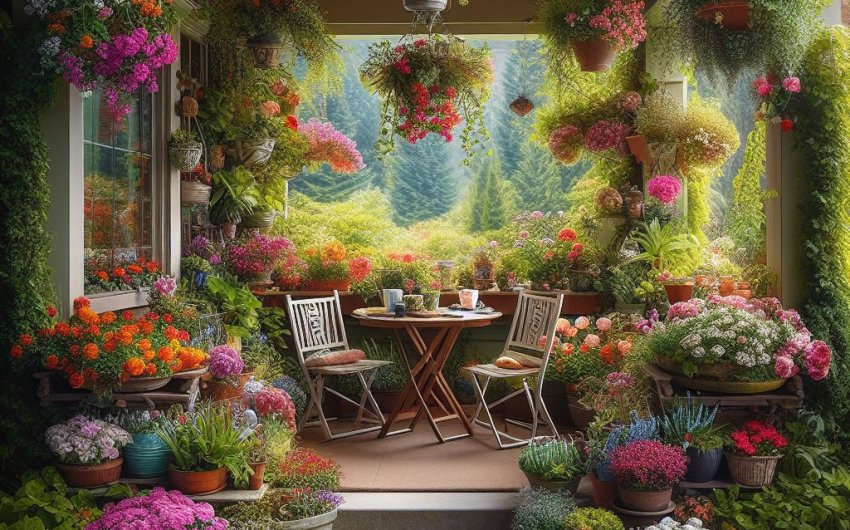
Effective porch flower care is essential for keeping your blooms fresh and vibrant all season long. The key tips involve diligent watering, proper fertilization, consistent deadheading, and strategic pest management, all tailored to the specific needs of your plants and your porch's environment.
Why do porch flowers need more attention than garden beds?
Porch flowers in containers require significantly more attention than plants grown directly in garden beds. Their confined environment makes them more susceptible to rapid changes in moisture, nutrients, and temperature, necessitating diligent porch flower care to keep them fresh and vibrant.
Reasons why container plants need extra care:
- Limited soil volume: Containers hold a finite amount of soil, which means limited space for roots, nutrients, and water.
- Rapid drying: Containers (especially terracotta or smaller ones) heat up faster and expose more surface area to evaporation, causing soil to dry out much more quickly than in-ground beds.
- Nutrient depletion: Nutrients leach out of potting mix more rapidly with frequent watering, requiring more consistent fertilization.
- Temperature extremes: Container soil heats up more in summer and cools down faster in winter, subjecting roots to greater temperature fluctuations.
- Crowding: Plants in containers often grow very close together, leading to competition for resources.
- Exposure: Elevated on a porch, they are more exposed to wind and direct sun, which can accelerate dehydration.
What is the most important care tip for porch flowers?
The single most important porch flower care tip for keeping your blooms fresh and vibrant is consistent and correct watering. More container plants die from improper watering (especially under or overwatering) than from any other factor.
The art of watering porch flowers:
- Check soil moisture, don't just follow a schedule:
- Finger test: Stick your finger 1-2 inches into the soil. If it feels dry, it's time to water. If it feels moist, wait.
- Lifting the pot: A dry pot feels significantly lighter than a watered one.
- Tools: A soil moisture meter provides accurate readings deeper in the pot.
- Water thoroughly until it drains:
- When you water, apply water slowly and deeply until you see it flowing out of the drainage holes at the bottom of the pot. This ensures the entire root ball is hydrated.
- Discard excess water:
- Never let your containers sit in standing water in their saucers for more than 30 minutes. This can lead to root rot.
- Frequency varies:
- Summer heat/full sun/wind: You might need to water daily, or even twice a day.
- Cooler weather/shade: Watering every 2-3 days, or even less frequently, might be sufficient.
- Basket type: Smaller pots and terracotta pots dry out fastest. Plastic pots retain moisture better. Self-watering planters significantly extend the time between waterings.
- Water early in the day:
- This allows foliage to dry before nightfall, reducing the risk of fungal diseases. It also prepares plants for the day's heat.
How do I properly fertilize porch flowers for continuous blooms?
Proper fertilization is a vital component of porch flower care, providing the necessary nutrients for continuous, vibrant blooms. Since container plants have limited soil volume and nutrients leach out quickly, regular feeding is essential for vigorous growth and abundant flowers.
Fertilization essentials for continuous blooms:
- Start with nutrient-rich potting mix:
- Begin with a high-quality potting mix that often includes a starter dose of fertilizer.
- Choose the right fertilizer type:
- Slow-release granular fertilizer: This is a busy gardener's best friend. Mix it into the potting mix at planting. It releases nutrients gradually over several weeks or months, greatly reducing the need for frequent liquid feeding. Look for slow-release fertilizer for flowering plants.
- Liquid soluble fertilizer: Provides a quick boost of nutrients. Ideal for supplementing slow-release or for plants that are heavy feeders.
- Fertilizer N-P-K ratios:
- Balanced (e.g., 10-10-10 or 20-20-20): Good for overall growth.
- Higher Phosphorus (P) (e.g., 10-20-10): Encourages more blooms.
- Fertilize during the growing season:
- Most annuals and actively growing perennials need feeding from spring through late summer/early fall.
- Reduce or stop fertilizing in fall and winter when growth slows.
- Frequency:
- Slow-release: Follow product instructions (often every 2-4 months).
- Liquid: Every 1-2 weeks for heavy feeders (e.g., Petunias, Million Bells). Every 3-4 weeks for moderate feeders (e.g., Geraniums, Impatiens).
- Always dilute liquid fertilizer:
- Follow manufacturer's instructions, and often use at half strength to prevent fertilizer burn.
- Fertilize moist soil:
- Never apply fertilizer to dry soil, as this can severely damage roots. Water your plants first, then fertilize.
What is deadheading and why is it crucial for vibrant porch flowers?
Deadheading is the practice of removing spent or faded flowers, and it's a non-negotiable step in effective porch flower care for many plants. This simple technique is crucial for redirecting the plant's energy and ensuring a continuous display of fresh, vibrant blooms throughout the growing season.
Why deadheading is crucial:
- Promotes reblooming: A plant's primary goal is to produce seeds for reproduction. When flowers fade, the plant invests energy into developing those seeds. By removing the spent flower, you trick the plant into thinking it hasn't successfully reproduced yet, prompting it to produce more flowers.
- Improves appearance: Faded, browning flowers can make an arrangement look messy and old. Deadheading keeps your porch flowers looking fresh and vibrant.
- Redirects energy: Energy that would have gone into seed production is redirected into vegetative growth (more leaves, stronger stems) or new flower production.
- Prevents self-seeding (if undesired): For plants that aggressively self-seed, deadheading can prevent unwanted spreading.
How to deadhead effectively:
- Identify spent blooms: Look for flowers that have faded, wilted, or started to brown.
- Locate the right spot:
- For single flowers: Pinch or snip off the flower stem just below the faded bloom, above the first set of healthy leaves or a new side shoot.
- For clusters: Remove the entire flower cluster once most of the individual flowers have faded. For some plants (e.g., Geraniums), you remove the entire flower stalk down to the base.
- Self-cleaning varieties: Many modern annuals (e.g., Wave Petunias, Calibrachoa, Lantana) are "self-cleaning" and naturally drop their faded blooms, requiring little to no deadheading.
- Use sharp tools: For larger plants or tougher stems, use clean, sharp garden snips to make clean cuts. For smaller, softer stems, a gentle pinch with your fingers works.
- Frequency: Deadhead regularly, ideally every few days or weekly, especially during peak blooming periods.
What is pinching and pruning, and how do they benefit porch flowers?
Pinching and pruning are essential shaping techniques in porch flower care that go beyond just removing spent blooms. These methods actively encourage bushier growth, more flowers, and a healthier plant structure, leading to more vibrant and aesthetically pleasing arrangements.
Pinching for bushiness:
- What it is: Pinching involves removing the very tip of a stem, typically the terminal bud (the topmost growth point).
- Why it helps: When the terminal bud is removed, it signals the plant to produce lateral (side) shoots. This results in a plant that is much bushier, more compact, and produces more flowers, as each new side shoot can develop its own blooms.
- How to do it: Use your thumb and forefinger (or small snips) to pinch off the top 1/2 to 1 inch of a stem, just above a set of leaves or a node.
- When to do it:
- Young plants: Pinch back young plants after they have established a few sets of true leaves to encourage bushiness from the start.
- Leggy plants: Pinch back plants that are becoming "leggy" (long, spindly stems with sparse foliage/flowers).
- Examples: Petunias, Coleus, Marigolds, Basil.
Pruning for health and shape:
- What it is: Pruning involves removing larger sections of stems, branches, or entire parts of a plant.
- Why it helps:
- Removes dead/diseased/damaged parts: Crucial for plant health and preventing the spread of disease.
- Maintains desired shape and size: Prevents plants from becoming overgrown or unruly in containers.
- Rejuvenates: Cutting back significantly can stimulate a flush of new growth.
- Improves airflow: Reduces density, which can help prevent fungal issues.
- How to do it: Use clean, sharp pruning shears to make clean cuts. Cut just above a leaf node or a side branch.
- When to do it:
- Throughout the season for maintenance (e.g., removing yellowing leaves).
- Mid-season for rejuvenation (e.g., cutting back leggy petunias by up to a third).
- At the end of the season for overwintering perennials.
- Examples: Geraniums (to remove entire spent flower stalks), Rosemary, Coleus.
How do I manage pests and diseases on my porch flowers?
Managing pests and diseases is an important aspect of porch flower care to keep your blooms fresh and vibrant. While container plants can be somewhat isolated, regular monitoring and quick intervention are key to preventing minor issues from becoming major problems.
Key strategies for pest and disease management:
- Regular Inspection:
- Frequency: Make it a habit to inspect your plants every few days.
- Where to look: Check the tops and undersides of leaves, along stems, and at the soil line. Look for tiny insects, sticky residue, holes in leaves, or unusual spots/discoloration.
- Tools: A magnifying loupe can help spot tiny pests.
- Identify the Problem:
- Know your common pests: aphids, spider mites, whiteflies, mealybugs, fungus gnats.
- Know common diseases: powdery mildew, botrytis (gray mold), root rot (often due to overwatering).
- Quarantine New Plants:
- Always isolate any new plant for 1-2 weeks before introducing it to your existing collection to ensure it's pest- and disease-free.
- Physical Removal:
- Hand-picking: For larger pests like caterpillars (less common on porch flowers).
- Strong water spray: A strong blast of water from a hose (especially from underneath) can dislodge aphids and spider mites.
- Wipe: For mealybugs, use a cotton swab dipped in rubbing alcohol to dab them directly.
- Organic Pest Control:
- Insecticidal Soap: Effective against soft-bodied pests (aphids, spider mites, whiteflies, mealybugs). Spray thoroughly, covering all plant surfaces. Look for insecticidal soap for plants.
- Neem Oil: A natural pesticide and fungicide that disrupts insect feeding/reproduction and can help with some fungal issues. Mix according to instructions and spray. Cold-pressed neem oil is preferred.
- Sticky Traps: Yellow sticky traps are great for catching flying pests like fungus gnats and whiteflies, helping to monitor and reduce populations.
- Disease Prevention:
- Good airflow: Proper spacing between plants helps.
- Avoid overhead watering: Water at the base of the plant to keep foliage dry.
- Remove diseased parts: Promptly remove and discard any infected leaves or stems.
- Sterilize tools: Clean garden snips with rubbing alcohol between plants.
How do I prepare my porch flowers for seasonal changes?
Preparing your porch flowers for seasonal changes is a proactive approach to porch flower care that ensures continuous beauty and maximizes the longevity of your plants. This involves different strategies for transitioning from warm to cold weather and back again.
Seasonal preparation strategies:
- Spring Preparation (Transitioning from Winter/Starting Fresh):
- Clean out: Remove any winter debris, spent annuals, or old potting mix.
- Inspect containers: Check for damage, clean thoroughly, ensure drainage holes are clear.
- Fresh potting mix: Always start with new, high-quality potting mix.
- Acclimation: "Harden off" new plants by gradually exposing them to outdoor conditions over 7-10 days before permanent placement.
- Frost protection: Keep an eye on late frosts; cover tender plants with a frost blanket or bring them indoors overnight.
- Summer Maintenance (Managing Heat and Growth):
- Increase watering: Daily or twice daily watering may be needed in extreme heat.
- Boost fertilization: Plants are actively growing and flowering, so increase feeding frequency.
- Deadhead/Prune: Stay on top of deadheading and pinch back leggy growth to maintain shape and encourage more blooms.
- Shade protection: Move shade-loving plants to deeper shade, or consider temporary shading solutions for sun-lovers during extreme heatwaves.
- Fall Preparation (Transitioning to Cooler Weather):
- Evaluate plants: Decide which plants are annuals (to be replaced) and which perennials you want to try to overwinter.
- Replace annuals: Swap out tired summer annuals for cool-season fall annuals like mums, pansies, or ornamental kale.
- Reduce watering/fertilizing: As temperatures drop, plants' needs decrease.
- Clean up: Remove any spent summer growth to prevent pests and diseases over winter.
- Winter Protection (For Perennials and Shrubs in Pots):
- Insulation: Plants in containers are more vulnerable to freezing than in-ground plants.
- Move indoors: Bring tender perennials or small shrubs into an unheated garage, shed, or cool basement.
- Insulate pots: Wrap pots with burlap, bubble wrap, or place them inside larger, decorative pots for an insulating air gap.
- Group pots: Cluster pots together against a warm wall.
- Elevate: Keep pots off cold ground to prevent roots from freezing solid.
- Dormant watering: Water sparingly throughout winter, only enough to prevent the soil from drying out completely.
- Insulation: Plants in containers are more vulnerable to freezing than in-ground plants.
Mastering porch flower care is about understanding the unique demands of container gardening and adapting your approach throughout the year. By consistently providing proper watering, fertilization, deadheading, and strategic seasonal preparation, you can keep your blooms fresh and vibrant, ensuring your porch remains a beautiful and welcoming space for all seasons.