
Blue Star Elegance: Celestial Beauty in Your Garden
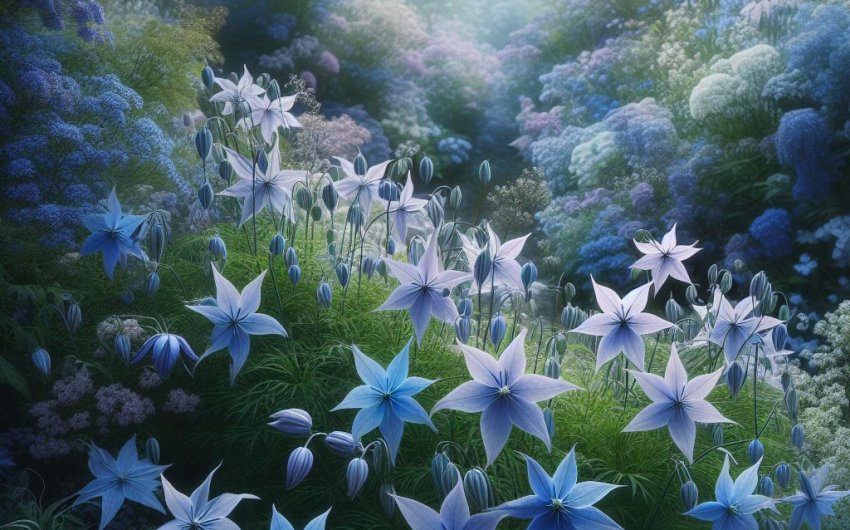
Blue Star (Amsonia tabernaemontana and related species) is a captivating perennial renowned for its delicate, star-shaped blue flowers that bring celestial beauty in your garden. These elegant and low-maintenance plants offer a unique blend of soft spring blooms, attractive summer foliage, and stunning fall color, making them versatile additions to any landscape. This guide explores their characteristics, planting, care, and best uses for a truly ethereal display.
Why is Blue Star Such a Celestial Beauty in Your Garden?
Blue Star (Amsonia species) is truly captivating, embodying celestial beauty in your garden with its delicate, star-shaped blue flowers and elegant, airy presence. It offers a unique four-season appeal, providing soft spring blooms, lush summer foliage, and brilliant fall color, making it a standout perennial. Understanding why Blue Star is such a celestial beauty reveals its profound impact on garden aesthetics and long-term interest.
What are the Defining Characteristics That Make Amsonia So Special?
The defining characteristics that make Amsonia so special revolve around its clusters of star-shaped blue flowers, fine-textured foliage, and remarkable multi-season appeal. These unique traits offer a blend of delicate beauty and robust resilience, cementing its place as an elegant and celestial beauty in your garden. Understanding these features deepens your appreciation for these versatile perennials.
Here are the defining characteristics that make Amsonia so special:
- Delicate, Star-Shaped Blue Flowers (The Signature Feature):
- Characteristic: In late spring to early summer, Amsonia produces airy clusters of small, star-shaped flowers, predominantly in shades of soft, sky blue.
- Impact: Adds a serene, ethereal, and often coveted blue hue to the garden, creating a cooling effect and pairing beautifully with a wide range of other colors. The individual flowers are delicate, but the mass of blooms creates a striking visual.
- Fine-Textured, Willow-Like Foliage:
- Characteristic: Throughout summer, after the blooms fade, the plant maintains a dense, fine-textured mound of narrow, willow-like green leaves.
- Impact: Provides attractive foliage that adds a soft, feathery texture to the garden, serving as an excellent "filler" plant that looks good all season.
- Spectacular Golden Fall Color:
- Characteristic: In autumn, the green foliage transforms into a brilliant, often glowing, golden yellow. This is a major highlight of the plant.
- Impact: Offers significant late-season interest, providing a stunning burst of color when many other perennials are fading.
- Low Maintenance Perennial:
- Characteristic: Once established, Blue Star is incredibly hardy, long-lived, and generally free from serious pests or diseases. It's relatively drought-tolerant and adaptable.
- Impact: Easy to care for, making it a good choice for busy gardeners and sustainable landscapes.
- Multi-Season Interest:
- Characteristic: Provides interest in spring (flowers), summer (foliage), and fall (foliage color).
- Impact: A truly versatile plant that performs well for an extended period, earning its place in any garden.
- Native to North America:
- Characteristic: Most Amsonia species are native wildflowers of North America.
- Impact: Naturally well-adapted to local climates and soils, making them ecologically beneficial for native wildlife.
- Deer and Rabbit Resistant (Generally):
- Characteristic: While not entirely immune, Amsonia is generally not a preferred food source for deer or rabbits, due to the milky sap found in its stems.
- Impact: Reduces wildlife damage in susceptible areas.
- Good Cut Flower (for some species):
- Characteristic: The airy sprays of blue flowers can make delicate additions to cut flower arrangements.
- Impact: Brings the garden's ethereal beauty indoors.
What Role Do Blue Star Plants Play in Adding "Celestial Beauty in Your Garden"?
Blue Star plants play a nuanced yet impactful role in adding celestial beauty to your garden, contributing a unique blend of delicate charm, serene color, and multi-season elegance. Their ethereal blooms and graceful presence elevate diverse landscapes, making them stand out as understated yet powerful features. Understanding this contribution highlights why they are such a captivating choice for creating garden bliss.
Here's what role Blue Star plants play in adding "Celestial Beauty in Your Garden":
- Ethereal Blue Hues and Starry Form:
- Celestial Beauty Contribution: The soft, sky-blue color of the star-shaped flowers evokes images of a clear spring sky or distant constellations. It's a coveted color that creates a sense of calm and depth.
- Impact: Adds a serene, cooling effect to the garden palette, particularly harmonious when paired with yellows or pinks.
- Fine Texture and Airy Presence:
- Celestial Beauty Contribution: Its delicate, narrow foliage and airy clusters of blooms create a soft, cloud-like, or hazy effect, especially when swaying gently in a breeze.
- Impact: Adds a sophisticated textural element that contrasts beautifully with bolder-leaved plants, creating depth and movement.
- Elegant Form and Structure:
- Celestial Beauty Contribution: Blue Star maintains a refined, mounded, or upright vase-like habit that rarely sprawls or becomes messy, even after blooming.
- Impact: Provides subtle yet effective structure to the garden border, contributing to a tidy and organized appearance without being rigid.
- Multi-Season Appeal:
- Celestial Beauty Contribution: It delivers beauty in spring (flowers), summer (lush foliage), and fall (glowing golden color). This extended period of interest ensures the garden always has a graceful presence.
- Impact: Offers enduring charm, ensuring the garden remains captivating throughout the growing season.
- Versatility for Diverse Design Roles:
- Celestial Beauty Contribution: Suitable for various garden settings: perennial borders, mass plantings, cottage gardens, native plant gardens, or even rain gardens.
- Impact: Its adaptability allows for seamless integration into diverse design styles, always contributing a touch of understated elegance.
- Natural Pairing with Other Garden Staples:
- Celestial Beauty Contribution: Its blue blooms and fine texture pair harmoniously with a wide range of other perennials, enhancing the overall composition.
- Impact: Integrates into existing garden elegance, creating a richer, more diverse floral tapestry.
- Subtle Yet Impactful:
- Celestial Beauty Contribution: Unlike plants with overtly showy blooms, Amsonia provides a more refined, subtle kind of beauty that reveals itself over time and through the seasons.
- Impact: It’s a plant that grows on you, constantly offering new delights.
How Do You Plant Blue Star for a Captivating Garden?
To ensure your garden showcases these elegant perennials, knowing how to plant Blue Star for a captivating garden is essential. Proper site selection, soil preparation, and planting technique lay the groundwork for healthy, long-lived plants that reliably add unique beauty and multi-seasonal interest. Following these steps maximizes their ethereal show as true celestial beauty in your garden.
What are the Ideal Soil and Sunlight Requirements for Amsonia?
For Amsonia species to truly flourish and provide abundant, beautiful blooms, understanding their ideal soil and sunlight requirements is paramount. These conditions ensure vigorous growth, prolific flowering, and resilience against common issues. Meeting these basic needs is crucial for successfully planting Blue Star for a captivating garden that brightens your landscape.
Ideal Sunlight Requirements for Amsonia:
- Full Sun to Partial Shade (Highly Adaptable):
- Ideal: Blue Star performs best in full sun (at least 6 hours of direct sunlight per day). This promotes the most abundant blooms, densest foliage, and the strongest fall color.
- Tolerance: It is remarkably adaptable and can tolerate partial shade (4-6 hours of direct sun, especially afternoon shade). In shadier conditions, it might be slightly taller, have fewer flowers, and less vibrant fall color, but it generally still performs well.
- Avoid: Deep shade, as this will significantly reduce flowering, lead to very leggy growth, and diminish fall color.
Ideal Soil Requirements for Amsonia:
- Well-Draining Soil (CRITICAL!):
- Why it's crucial: While tolerant of various soil types, Amsonia does best in well-draining soil. It can tolerate some moisture, but it does not like consistently soggy or waterlogged conditions, which can lead to root rot.
- Ideal: Loamy soil is ideal. It performs well in average garden soil.
- Action: If you have heavy clay soil, amend it generously with ample organic compost, coarse sand, or grit to improve drainage and aeration.
- Avoid: Areas where water consistently pools.
- Average to Moderately Fertile:
- Why it's beneficial: Blue Star is not a heavy feeder and thrives in average to moderately fertile soil. Overly rich soil can sometimes promote lush, soft growth that might cause it to flop, especially if grown in too much shade.
- Action: Incorporating compost at planting time provides a good slow-release nutrient boost, which is usually sufficient.
- pH Level:
- Ideal: Amsonia is quite adaptable but generally prefers a slightly acidic to neutral soil pH, typically between 6.0 and 7.0.
- Action: If your soil pH is significantly outside this range (confirmed by a soil pH test kit), amend it accordingly (lime to raise, sulfur to lower) well before planting.
- Moisture:
- Consideration: They prefer consistently moist soil during establishment. Once established, they are quite drought-tolerant and can handle drier conditions, though they'll look best with moderate, consistent moisture.
Step-by-Step Guide to Planting Blue Star from Seeds or Transplants
To successfully establish these elegant perennials in your garden, following this step-by-step guide to planting Blue Star is essential. Whether starting from tiny seeds or young plants, careful technique ensures they root robustly and reliably add celestial beauty to your landscape. This meticulous process is key for a truly captivating garden.
Planting Blue Star Seeds:
- Timing:
- Direct Sow: Best sown outdoors in late fall (after soil temperatures have cooled but before freezing) for natural cold stratification and early spring germination. Can also be sown in early spring.
- Indoors (Optional for earlier blooms): Start seeds indoors 8-10 weeks before your last anticipated spring frost date. Amsonia seeds require 60-90 days of cold stratification (refrigeration) before indoor sowing for good germination.
- Seed Starting Mix: Use a sterile, fine seed-starting mix in trays or small pots if starting indoors.
- Sowing:
- Action: Press the tiny seeds gently onto the surface of the moistened soil or seed-starting mix. Cover them with a very thin layer (1/8 inch) of soil or fine vermiculite.
- Why: Good seed-to-soil contact is key for germination.
- Germination Conditions: Keep consistently moist (use a spray bottle or bottom watering) until germination, which can take 20-30 days or more. Provide bright, indirect light if starting indoors. Keep soil around 65-75°F (18-24°C).
- Thinning: Once seedlings have a few sets of true leaves, thin them to their recommended final spacing (18-24 inches apart for most varieties). Crowded plants can lead to weaker growth.
- Hardening Off: Before transplanting outdoor-started seedlings, gradually acclimate them to outdoor conditions for 7-10 days.
Planting Blue Star Transplants (Started Indoors or Purchased):
- Timing:
- Action: Transplant outdoors in spring to early summer, after all danger of frost has passed.
- Why: Ensures moderate temperatures for establishment.
- Prepare the Soil:
- Action: Loosen the soil to a depth of 10-12 inches. Amend with 1-2 inches of organic compost to improve drainage and fertility.
- Dig Holes:
- Spacing: Space plants 18-24 inches apart for most varieties (e.g., A. tabernaemontana, A. hubrichtii). They form dense clumps.
- Depth: Dig holes slightly larger than the root ball of your transplant.
- Plant Gently:
- Action: Gently remove the Blue Star from its container. Place it in the hole so the top of the root ball is level with the surrounding soil. Avoid planting too deep.
- Backfill: Gently backfill with soil, lightly firming around the base.
- Water Thoroughly:
- Action: Water immediately and deeply after planting to settle the soil and reduce transplant shock.
- Apply Mulch:
- Action: Apply a 1-2 inch layer of organic mulch (e.g., shredded leaves, wood chips) around the base of the plant.
- Why: Helps retain moisture, suppress weeds, and moderate soil temperature. Keep mulch a few inches from the stem.
How Do You Care for Blue Star for Enduring Beauty?
To ensure your Blue Star consistently graces your garden with its ethereal charm and multi-season appeal, knowing how to care for it for enduring beauty is essential. These resilient perennials reward minimal, yet consistent, attention with their unique display. Understanding these maintenance practices is crucial for cultivating true celestial beauty in your garden year after year.
What are the Best Watering and Fertilizing Practices for Healthy Amsonia?
To promote vigorous growth and a profusion of flowers, understanding the best watering and fertilizing practices for healthy Amsonia is key. While renowned for being tough and adaptable, these elegant perennials benefit from consistent moisture during establishment and minimal, appropriate nutrients, ensuring they continuously add celestial beauty in your garden. Balancing these inputs correctly maximizes their blooming potential and resilience.
1. Best Watering Practices for Healthy Amsonia:
- Establishment Period:
- Action: Keep the soil consistently moist (but not soggy) for the first few weeks after planting until they are well established.
- Why: Essential for root development.
- Established Plants (Drought Tolerant):
- Action: Once established, Blue Star is quite drought-tolerant and can handle periods of dryness. However, for the most lush foliage and best fall color, provide deep, infrequent watering during prolonged dry spells, especially during peak summer heat. Provide about 1 inch of water every 1-2 weeks if rainfall is scarce.
- Why: Consistent moisture fuels robust growth and vibrancy. Overwatering is more detrimental than underwatering.
- Check Soil: Allow the top 2-3 inches of soil to dry out between waterings. Use a soil moisture meter for accuracy.
- Water at the Base:
- Action: Water the soil directly at the base of the plants, avoiding overhead watering if possible.
- Why: Wet foliage, especially for prolonged periods, can increase the risk of fungal diseases.
- Equipment: A soaker hose or drip irrigation is ideal.
- Avoid Overwatering:
- Action: Ensure excellent drainage (as established at planting) and do not let plants sit in standing water.
- Why: Still susceptible to root rot in waterlogged conditions.
2. Best Fertilizing Practices for Healthy Amsonia:
- Prepare the Soil (Minimal!): If you amended your soil lightly with compost at planting time, Blue Star typically needs very little, if any, additional fertilization. They thrive in average to lean conditions.
- Avoid Fertilizing Rich Soils:
- Action: If your soil is already moderately fertile, or you amended it with compost, skip additional fertilization entirely.
- Why: Over-fertilizing, especially with nitrogen, promotes lush, soft, leafy growth at the expense of its strong, mounded habit. This can lead to flopping, particularly in shadier conditions.
- Light Annual Feeding (If Soil is Very Lean):
- Action: In early spring, as new growth emerges, you can apply a very light application of a balanced, slow-release granular fertilizer (e.g., 5-10-5 or 10-10-10) around the base of the plant, or simply topdress with a thin (1/2 inch) layer of organic compost.
- Why: Provides just enough essential nutrients to fuel new growth and flower production without encouraging excessive foliage.
How Do Pruning, Division, and Winter Care Maximize Multi-Season Interest?
To maximize their unique multi-season display, pruning, division, and proper winter care are essential for Blue Star. These specific maintenance practices prolong their beauty, maintain their elegant form, and prepare them for a robust return. Understanding these actions is crucial for cultivating true celestial beauty in your garden year after year.
1. Pruning (for Shape and Fall Color):
- "The Chelsea Chop" (Optional, for Bushier Plants & Delayed Bloom):
- Action: For some varieties (e.g., A. tabernaemontana), if you want a shorter, bushier plant that is less prone to flopping, you can cut back the stems by about one-third to one-half their height in late spring/early summer (around late May or early June).
- Why it's important: Encourages side branching, making the plant denser and more compact. It will delay the bloom time slightly (by a few weeks) and might result in slightly smaller flowers, but it ensures a tidier plant with better fall color (as it produces more leaves).
- Post-Flowering Pruning (for Tidiness):
- Action: After the blue flowers fade in early summer, you can cut back the spent flower stems to improve the plant's appearance. You can shear the entire plant back by about one-third at this time.
- Why: Tidies up the plant, encourages new, fresh foliage, and promotes denser growth for a better fall foliage display.
- No Fall Cutback (Crucial!):
- Action: Do NOT cut back the foliage in fall, even after it turns golden.
- Why: The stunning golden fall foliage is a major ornamental feature. It also provides insulation for the crown and root system over winter.
- Spring Cutback:
- Action: Cut the previous year's dead stems back to about 2-4 inches above the ground in early spring, just as new growth emerges.
- Why: Tidies up the plant and makes way for fresh growth.
2. Division:
- Why it's important: Blue Star is a long-lived perennial and generally does not require frequent division. It develops a deep, woody taproot that dislikes disturbance. Only divide when clumps become very large, show reduced vigor, or you want to propagate new plants.
- When to Divide: Every 5-10+ years. Do this in early spring as new growth emerges, or in early fall (though spring is generally less stressful).
- How to Divide (Simplified): Dig up the clump carefully, using a sharp spade to cut through the woody root mass. Replant the sections promptly.
3. Winter Care:
- Leave Foliage Over Winter (CRITICAL!):
- Action: As mentioned, do NOT cut back the foliage in fall. Enjoy its beautiful golden color.
- Why: Provides winter interest, offers insulation for the crown, and protects from freeze-thaw cycles.
- Apply Mulch (Optional):
- Action: In very cold climates (Zone 3-4) or for young plants, a light 1-2 inch layer of organic mulch (shredded leaves, straw) can be applied over the crown of the plant after the ground has frozen.
- Why: Provides extra insulation against extreme cold and protects from freeze-thaw heaving.
- Caution: Remove in early spring to prevent smothering new growth.
What are Common Problems and Companion Plants for Blue Star?
Even these resilient and elegant perennials can encounter common problems, while thoughtful selection of companion plants can enhance their beauty, resilience, and multi-seasonal appeal. Addressing potential issues proactively and designing harmonious pairings ensures your Blue Star thrives. Understanding these aspects is crucial for integrating celestial beauty in your garden with minimal fuss and maximum impact.
What are Typical Pests and Diseases That Affect Amsonia?
While generally known for its robust health, Amsonia species can still be susceptible to a few typical pests and diseases that gardeners should be aware of. Early identification and appropriate action are key to addressing these issues and ensuring your Blue Star remains healthy and continues to add celestial beauty in your garden. Proactive monitoring helps prevent widespread problems.
Typical Pests That Affect Blue Star:
- Aphids:
- Problem: Small, soft-bodied insects that cluster on new growth, sucking plant sap. Can cause distorted growth and sticky honeydew.
- Prevention/Treatment:
- Water Blast: Strong spray of water.
- Insecticidal Soap/Neem Oil: Apply insecticidal soap spray or neem oil spray.
- Beneficial Insects: Encourage ladybugs and lacewings.
- Spider Mites:
- Problem: Tiny arachnids that cause fine stippling (tiny dots) on leaves, leading to yellowing, and in severe cases, fine webbing on the undersides. Thrive in hot, dry conditions.
- Prevention/Treatment:
- Water Blast: Strong spray of water.
- Insecticidal Soap/Neem Oil: Apply.
- Increase Humidity: Mist plants regularly in very dry weather.
- Leaf Beetles (Occasional):
- Problem: Some species of beetles may occasionally feed on Amsonia foliage, causing holes or chewed edges.
- Prevention/Treatment:
- Hand-Pick: For small numbers.
- Neem Oil: Can deter feeding.
- Deer and Rabbits:
- Problem: Blue Star is generally considered deer and rabbit resistant due to its milky sap, but very hungry animals may occasionally sample it.
- Prevention: Repellents, fencing, or companion plants they dislike.
Typical Diseases That Affect Blue Star:
- Powdery Mildew:
- Problem: White or grayish, powdery coating on leaves.
- Cause: Fungal. Favored by high humidity, moderate temperatures, and poor air circulation. More likely in shady conditions.
- Prevention/Treatment:
- Good Air Circulation: Proper spacing, prune for airflow.
- Water at Base: Avoid overhead watering.
- Organic Sprays: Neem oil, baking soda solution. A powdery mildew organic spray can help.
- Rust:
- Problem: Small, powdery, orange-yellow to reddish-brown pustules on the undersides of leaves.
- Cause: Fungal. Favored by cool to moderate temperatures and prolonged leaf wetness/high humidity.
- Prevention/Treatment:
- Sanitation: Remove infected foliage.
- Air Circulation: Improve airflow.
- Water at Base: Avoid overhead watering.
- Organic Sprays: Neem oil, sulfur-based fungicides.
- Leaf Spot (Various Fungi):
- Problem: Dark spots or lesions on leaves, often with yellow halos. Can cause leaves to yellow and drop prematurely.
- Cause: Fungal. Favored by prolonged leaf wetness and humidity.
- Prevention/Treatment:
- Sanitation: Remove infected foliage.
- Water at Base: Avoid overhead watering.
- Air Circulation: Improve airflow.
- Root Rot:
- Problem: Wilting, yellowing, stunted growth, despite adequate moisture. Roots are soft and brown/black.
- Cause: Consistently waterlogged soil (primary cause).
- Prevention: CRITICAL: Ensure well-draining soil. Avoid overwatering.
What are the Best Companion Plants for Blue Star?
To create a visually harmonious and thriving garden, selecting the best companion plants for Blue Star is a smart strategy. These pairings enhance its ethereal beauty, complement its unique multi-season appeal, and often share similar growing conditions. Understanding these combinations is crucial for integrating celestial beauty in your garden with minimal fuss and maximum impact.
Here are the best companion plants for Blue Star:
- Coneflowers (Echinacea purpurea):
- Why they're great: Their sturdy, daisy-like flowers in purples, pinks, whites, and yellows bloom mid-summer, providing a beautiful textural and color contrast to Blue Star's fine foliage. Both are tough and attract pollinators.
- Vibe: Naturalistic meadow, pollinator magnet.
- Daisies (e.g., Shasta Daisy, Oxeye Daisy):
- Why they're great: The bright white or yellow daisy-like flowers provide a crisp, cheerful contrast to Blue Star's soft blue blooms and fine foliage.
- Vibe: Classic cottage garden, bright and airy.
- Garden Phlox (Phlox paniculata):
- Why they're great: Offer large clusters of fragrant flowers in mid to late summer, complementing Blue Star's summer foliage and providing a burst of color (pinks, purples, whites).
- Vibe: Classic cottage garden.
- Yarrow (Achillea millefolium):
- Why they're great: Flat-topped clusters of flowers in yellows, oranges, and reds that bloom throughout summer. Both are incredibly tough and drought-tolerant. The fine texture of Yarrow's foliage contrasts with Amsonia's fine texture subtly.
- Vibe: Wildflower, attracts beneficial insects, adds fine texture.
- Sedum (Autumn Joy, Stonecrop):
- Why they're great: Their succulent foliage provides textural contrast, and their late summer/fall blooms (often pink or rosy red) extend interest. The fall color of Sedum also pairs well with Blue Star's golden hues.
- Vibe: Architectural, drought-tolerant, adds late-season color.
- Ornamental Grasses (e.g., Little Bluestem, Prairie Dropseed):
- Why they're great: Provide fine texture, movement, and a naturalistic backdrop for Blue Star's blooms and foliage. Many are native, drought-tolerant, and complement the fall color.
- Vibe: Modern, naturalistic, adds airy elegance and fall/winter interest.
- Lavender (Lavandula species):
- Why they're great: The soft purple spires and silvery foliage of lavender create a beautiful color and textural harmony with Blue Star's blue blooms and green foliage. Both are drought-tolerant.
- Vibe: Fragrant, Mediterranean, pollinator haven.
- Russian Sage (Perovskia atriplicifolia):
- Why it's great: Its airy, silvery foliage and purple flower spikes bloom throughout summer, creating a haze of color that perfectly complements Blue Star. Both are drought-tolerant.
- Vibe: Mediterranean, drought-tolerant, adds texture.
- Baptisia (False Indigo):
- Why they're great: Offers similar blue flower spikes (though earlier and bolder) and a similar long-lived, tough nature. Their foliage is distinct, but they complement each other as strong, native perennials.
- Vibe: Native, strong structural element.
- Daylilies (Hemerocallis species):
- Why they're great: Offer bold foliage and a wide range of flower colors and bloom times, many coinciding with Blue Star's summer foliage.
- Vibe: Hardy, reliable, adds a splash of vibrant color and texture.
By understanding the unique charm and resilient nature of Blue Star, meticulously planning their placement, and diligently providing optimal care, you can ensure these elegant perennials consistently deliver their captivating presence. From choosing the best companion plants to preventing common problems, this guide empowers you to effectively grow Amsonia, making them truly celestial beauty in your garden for years to come.