
Heartfelt Charm: Bleeding Hearts in the Garden
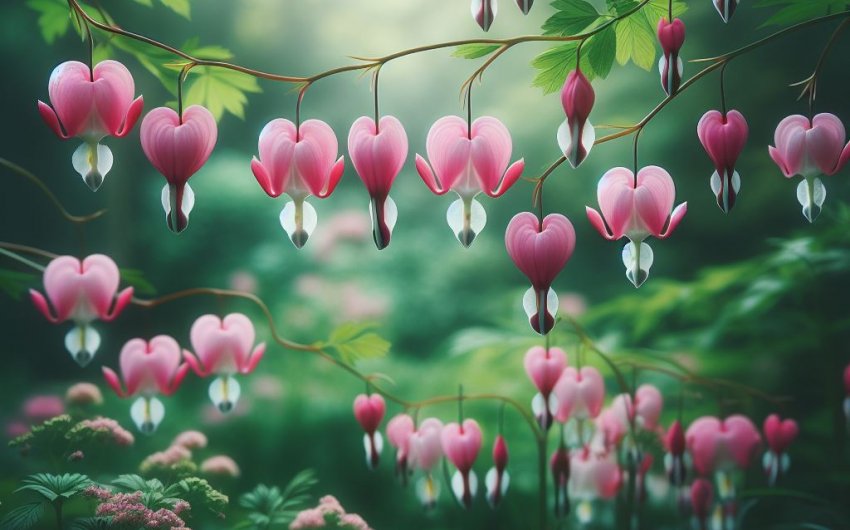
Bleeding hearts (Dicentra spectabilis and related species) are enchanting perennials renowned for their distinctive, heart-shaped flowers that bring heartfelt charm to the garden. These graceful spring bloomers offer a unique visual appeal and delicate beauty, perfect for shady or woodland gardens. This guide explores their characteristics, planting, care, and best uses for a stunning, romantic landscape.
Why are Bleeding Hearts Such a Heartfelt Charm in the Garden?
Bleeding hearts (Dicentra species) are truly captivating, embodying heartfelt charm in the garden with their uniquely shaped, pendulous blooms and elegant foliage. They evoke a sense of old-fashioned romance and gentle beauty, making them cherished additions to diverse garden landscapes, particularly in shaded spots. Understanding why bleeding hearts are such a heartfelt charm reveals their enduring appeal and profound impact on garden aesthetics.
What are the Defining Characteristics That Make Bleeding Hearts Special?
The defining characteristics that make bleeding hearts special revolve around their iconic heart-shaped flowers, graceful arching stems, and delicate fern-like foliage. These unique traits offer both whimsical beauty and a touch of vintage elegance, cementing their place as enchanting additions for heartfelt charm in the garden. Understanding these features deepens your appreciation for these versatile perennials.
Here are the defining characteristics that make Bleeding Hearts special:
- Iconic Heart-Shaped Flowers (The Signature Feature):
- Characteristic: The most recognizable trait. Each flower is a perfect heart shape, often with a tiny "drop" at the bottom (giving it the "bleeding" effect). They typically hang in rows along arching stems.
- Colors: Most commonly vibrant pink, white, or red.
- Impact: Adds a whimsical, romantic, and highly distinctive visual appeal to the garden, evoking feelings of love and delicate beauty.
- Graceful, Arching Stems:
- Characteristic: The flower stems arch gracefully, presenting the heart-shaped blooms in a lovely, pendulous display.
- Impact: Contributes to their overall elegance and adds a delicate, flowing element to the garden.
- Delicate, Fern-Like Foliage:
- Characteristic: The leaves are finely cut, often blue-green or light green, and have a soft, fern-like texture.
- Impact: Provides attractive foliage that complements the flowers and adds texture to shady garden beds. Some varieties (e.g., 'Gold Heart') have bright yellow foliage, adding extra color.
- Early to Mid-Spring Bloomers:
- Characteristic: Bleeding hearts are among the first perennials to bloom in spring, often appearing alongside daffodils and tulips. Their peak bloom is in mid-spring.
- Impact: Provides much-needed color and cheer after winter, when many other perennials are just starting to emerge.
- Shade Lovers:
- Characteristic: Unlike many sun-loving perennials, bleeding hearts thrive in partial to full shade, making them invaluable for brightening up darker garden areas.
- Impact: Perfect for woodland gardens, under deciduous trees, or on the north side of buildings.
- Low Maintenance Perennial:
- Characteristic: Once established, most bleeding hearts are hardy, long-lived, and generally free from serious pests or diseases.
- Impact: Easy to care for, making them a good choice for busy gardeners.
- Foliage Disappearance (for Old-Fashioned Varieties):
- Characteristic: The classic Dicentra spectabilis (Old-Fashioned Bleeding Heart) goes dormant and its foliage completely disappears by mid-summer, especially in hot climates. Newer cultivars or Dicentra formosa (Fringed Bleeding Heart) often hold their foliage longer.
- Impact: Requires planning to fill the gap with later-emerging perennials.
- Deer and Rabbit Resistant (Generally):
- Characteristic: While not entirely immune, bleeding hearts are generally not a preferred food source for deer or rabbits.
- Impact: Reduces wildlife damage in susceptible areas.
What Role Do Bleeding Hearts Play in Adding "Heartfelt Charm to the Garden"?
Bleeding hearts play a distinct and cherished role in adding heartfelt charm to the garden, infusing landscapes with their unique romantic symbolism and delicate beauty. Their distinctive blooms and graceful presence make them standout features that evoke emotion and classic elegance. Understanding this contribution highlights why they are such beloved and charming additions to your garden.
Here's what role Bleeding Hearts play in adding "Heartfelt Charm to the Garden":
- Unique and Endearing Flower Symbolism:
- Heartfelt Charm: The iconic heart shape of their flowers makes them instant symbols of love, romance, and compassion. This intrinsic symbolism evokes deep emotional connection.
- Impact: Creates a sentimental and romantic atmosphere, perfect for quiet garden nooks or areas dedicated to reflection.
- Graceful, Elegant Presence:
- Heartfelt Charm: Their arching stems laden with pendulous, delicate blooms offer a sense of understated elegance and fluid movement in the garden.
- Impact: Adds a refined beauty that blends seamlessly into cottage gardens, woodland settings, or more formal shaded areas.
- Early Spring Color in Shady Areas:
- Heartfelt Charm: As one of the earliest perennials to bloom in spring, they bring a vibrant burst of color to traditionally darker, shaded parts of the garden.
- Impact: Transforms gloomy corners into lively, charming spaces, extending the season of interest.
- Delicate Foliage Texture:
- Heartfelt Charm: The fine, fern-like texture of their blue-green leaves provides a soft contrast to broader-leaved shade plants, adding depth and visual interest.
- Impact: Enhances the overall textural richness of the garden.
- Sense of Nostalgia and Old-Fashioned Gardens:
- Heartfelt Charm: Bleeding hearts are classic cottage garden plants, evoking a sense of history, tradition, and simpler times.
- Impact: Connects gardeners to beloved garden styles of the past, creating a comforting and familiar ambiance.
- Pairs Beautifully with Other Spring Bloomers:
- Heartfelt Charm: Their colors (pinks, whites, reds) and forms pair wonderfully with spring bulbs (tulips, daffodils) and other early-blooming shade perennials.
- Impact: Creates harmonious compositions that enhance the overall spring display.
- Provides a Moment of Surprise and Delight:
- Heartfelt Charm: Discovering the intricate heart shape of each bloom up close brings a quiet moment of delight and appreciation for nature's artistry.
- Impact: Fosters a deeper, more intimate connection with the individual plants in the garden.
How Do You Plant Bleeding Hearts for a Charming Display?
To ensure your garden showcases these captivating perennials, knowing how to plant bleeding hearts for a charming display is essential. Proper site selection, soil preparation, and planting technique lay the groundwork for healthy, long-lived flowers that reliably add their unique beauty to your landscape. Following these steps maximizes their enchanting show as true heartfelt charm in the garden.
What are the Ideal Soil and Sunlight Requirements for Dicentra?
For Dicentra species to truly flourish and provide abundant, beautiful blooms, understanding their ideal soil and sunlight requirements is paramount. These conditions ensure vigorous growth, prolific flowering, and resilience against common issues. Meeting these basic needs is crucial for successfully planting bleeding hearts for a charming display that brightens your shaded garden.
Ideal Sunlight Requirements for Dicentra:
- Partial to Full Shade (CRITICAL!):
- Ideal: Bleeding hearts perform best in partial shade (2-4 hours of morning sun or dappled light throughout the day) to full shade (less than 2 hours of direct sun).
- Why it's crucial: They are woodland plants by nature. Intense afternoon sun will scorch their delicate foliage, causing it to yellow, brown, and go dormant prematurely, shortening the bloom season.
- Consideration: In cooler climates, they can tolerate slightly more morning sun.
- Avoid: Full, direct sun, especially in hot climates.
Ideal Soil Requirements for Dicentra:
- Rich, Well-Draining Soil (CRITICAL!):
- Why it's crucial: Bleeding hearts thrive in consistently moist, but not soggy, soil that is rich in organic matter. While they like moisture, they are susceptible to root rot in waterlogged conditions.
- Ideal: Loamy soil with plenty of organic matter.
- Action: Amend heavy clay soil generously with ample organic compost or shredded leaves to improve drainage, aeration, and water retention. For sandy soils, compost will improve water-holding capacity.
- Avoid: Areas where water consistently pools.
- Consistently Moist (But Not Wet):
- Why it's beneficial: They prefer soil that is reliably moist, especially during their spring growth and bloom period. They don't like to dry out completely.
- Action: Ensure the soil can hold moisture but drains freely.
- pH Level:
- Ideal: Bleeding hearts prefer a slightly acidic to neutral soil pH, typically between 6.0 and 7.0.
- Action: If your soil pH is significantly outside this range (confirmed by a soil pH test kit), amend it accordingly (lime to raise, sulfur to lower) well before planting.
Step-by-Step Guide to Planting Bleeding Hearts from Roots or Transplants
To successfully establish these enchanting perennials in your garden, following this step-by-step guide to planting bleeding hearts is essential. Whether starting from bare roots or young plants, careful technique ensures they root robustly and reliably add heartfelt charm to your landscape. This meticulous process is key for a truly charming display.
Planting Bleeding Heart Bare Roots:
- Timing:
- Action: Plant bare root bleeding hearts in early spring, as soon as the soil can be worked.
- Why: Allows them to establish roots before the heat of summer.
- Preparation:
- Action: Before planting, soak the bare root clump in a bucket of room-temperature water for 1-2 hours.
- Why: Rehydrates the roots.
- Dig Hole: Dig a hole twice as wide as the root spread and deep enough so the crown (where stems meet roots) is at soil level.
- Plant: Create a small mound of soil in the center of the hole. Spread the roots over the mound. Position the crown at or slightly below the soil line.
- Backfill and Water: Cover with soil, gently firming. Water thoroughly.
Planting Bleeding Heart Transplants (Potted Plants):
- Timing:
- Action: Transplant outdoors in spring to early summer, after all danger of frost has passed.
- Why: Ensures moderate temperatures for establishment.
- Prepare the Soil:
- Action: Loosen the soil to a depth of 10-12 inches. Amend generously with 2-3 inches of organic compost or aged leaf mold.
- Dig Holes:
- Spacing: Space plants 24-36 inches apart for the common Dicentra spectabilis (Old-Fashioned Bleeding Heart), as they can grow quite wide. Smaller varieties like Dicentra formosa (Fringed Bleeding Heart) can be 12-18 inches apart.
- Depth: Dig holes slightly larger than the root ball of your transplant.
- Plant Gently:
- Action: Gently remove the bleeding heart from its container. Place it in the hole so the top of the root ball is level with the surrounding soil.
- Backfill: Gently backfill with soil, lightly firming around the base.
- Water Thoroughly:
- Action: Water immediately and deeply after planting to settle the soil and reduce transplant shock.
- Apply Mulch:
- Action: Apply a 2-3 inch layer of organic mulch (e.g., shredded leaves, wood chips, pine needles) around the base of the plant.
- Why: Helps retain consistent moisture, suppress weeds, and moderate soil temperature. Keep mulch a few inches from the stem.
How Do You Care for Bleeding Hearts for Enduring Charm?
To ensure your bleeding hearts consistently grace your garden with their captivating presence, knowing how to care for them for enduring charm is essential. These resilient perennials respond well to specific maintenance practices that maximize their floral display and keep them healthy. Understanding these actions is crucial for cultivating true heartfelt charm in the garden.
What are the Best Watering and Fertilizing Practices for Healthy Dicentra?
To promote vigorous growth and a profusion of flowers, understanding the best watering and fertilizing practices for healthy Dicentra is key. These charming perennials thrive with consistent moisture and appropriate nutrients, ensuring they continuously add heartfelt charm in the garden. Balancing these inputs correctly maximizes their blooming potential and resilience.
1. Best Watering Practices for Healthy Dicentra:
- Establishment Period:
- Action: Keep the soil consistently moist (but not soggy) for the first few weeks after planting until they are well established.
- Why: Essential for root development.
- Established Plants (Moisture Lovers):
- Action: Bleeding hearts prefer consistently moist soil, especially during their spring growth and bloom period. Provide about 1 inch of water per week (from rain or irrigation) during dry spells.
- Why: Consistent moisture fuels robust growth and abundant flowering. Drought stress can cause early dormancy.
- Check Soil: Allow the top inch of soil to dry out between waterings. Use a soil moisture meter for accuracy.
- Water at the Base:
- Action: Water the soil directly at the base of the plants, avoiding overhead watering if possible.
- Why: Wet foliage, especially for prolonged periods, increases the risk of fungal diseases.
- Equipment: A soaker hose or drip irrigation is ideal.
- Avoid Overwatering:
- Action: Ensure well-draining soil (as established at planting) and do not let plants sit in standing water.
- Why: Highly susceptible to root rot in waterlogged conditions.
2. Best Fertilizing Practices for Healthy Dicentra:
- Prepare the Soil: If you amended your soil generously with good quality compost at planting time, bleeding hearts may not need much additional fertilization, especially if your soil is already rich.
- Light Annual Feeding:
- Action: In early spring, as new growth emerges, apply a light application of a balanced, slow-release granular fertilizer (e.g., 5-10-5 or 10-10-10) around the base of the plant. Or, simply topdress with a 1-2 inch layer of organic compost.
- Why: Provides essential nutrients to fuel new growth and flower production. Compost continuously enriches the soil and improves its structure.
- Avoid Excessive Nitrogen:
- Action: Do not over-fertilize with nitrogen (the first number in N-P-K).
- Why: Too much nitrogen can promote lush, leafy growth at the expense of flower production, or encourage early dormancy in hot climates.
- Liquid Feed (Optional, During Bloom):
- Action: For an extra boost during peak blooming, you can apply a balanced liquid flower fertilizer at half strength every 4-6 weeks.
- Why: Replenishes nutrients used during flower production.
How Do Deadheading, Pruning, and Winter Care Maximize Bloom Display?
To maximize their enchanting display, deadheading, pruning, and proper winter care are essential for bleeding hearts. These specific maintenance practices prolong their vibrant show, manage foliage, and prepare them for a robust return. Understanding these actions is crucial for showcasing the heartfelt charm in your garden year after year.
1. Deadheading (for Fringed Varieties/Prolonged Bloom):
- What it is: The process of removing spent or faded flowers from the plant.
- Action: For longer-blooming Fringed Bleeding Hearts (Dicentra formosa and cultivars), snip off faded blooms just below the flowerhead. For Old-Fashioned Bleeding Hearts (Dicentra spectabilis), deadheading is often not necessary as their bloom period is shorter, and the entire plant goes dormant soon after.
- Why it's important: Prevents the plant from expending energy on setting seed and can encourage a few more blooms. Improves overall appearance.
2. Pruning and Managing Dormancy:
- Fading Foliage (Old-Fashioned Bleeding Hearts - CRITICAL):
- Action: The foliage of Dicentra spectabilis (Old-Fashioned Bleeding Heart) naturally begins to yellow and die back by mid-summer, especially in hot climates. Do NOT cut back this foliage until it is completely yellowed and withered.
- Why: The leaves are still photosynthesizing and sending energy down to the roots for next year's growth. Premature removal weakens the plant.
- Solution for Gaps: Plant later-emerging perennials (e.g., Hostas, Ferns, Astilbe) around them to fill the space.
- Pruning for Tidiness:
- Action: Once the foliage has completely died back (usually mid-summer to fall), cut the entire plant stems down to the ground.
- Why: Tidies up the garden.
- For Fringed Varieties (Dicentra formosa): These often hold their foliage longer and may even rebloom if deadheaded. Cut back only when foliage starts to yellow.
3. Division:
- Why it's important: Bleeding hearts do not typically require frequent division and dislike root disturbance. Only divide when clumps become overcrowded (after 5-10+ years) and show reduced vigor.
- When to Divide: Do this in early fall after the foliage has died back, or early spring as new growth emerges.
- How to Divide (Simplified): Dig up the clump carefully, gently separate it into smaller sections, and replant.
4. Winter Care:
- Cut Back Foliage (After Frost):
- Action: After the first hard frost in fall, when the foliage has completely died back, cut the stems down to the ground.
- Why: Removes old foliage and tidies up the garden for winter.
- Apply Mulch (Optional):
- Action: In very cold climates (Zone 2-3) or for young plants, a light 2-3 inch layer of organic mulch (shredded leaves, straw) can be applied over the crown of the plant after the ground has frozen.
- Why: Provides extra insulation against extreme cold and protects from freeze-thaw heaving.
- Caution: Remove in early spring to prevent smothering new growth.
- Mark the Spot:
- Action: Because bleeding hearts are one of the first plants to emerge in spring, it's a good idea to mark their location with a small stake, especially if they disappear entirely in summer.
- Why: Prevents accidental digging or damage while you're working in the garden before they sprout.
What are Common Problems and Companion Plants for Bleeding Hearts?
Even these enchanting perennials can encounter common problems, while thoughtful selection of companion plants can enhance their beauty, resilience, and seasonal interest. Addressing potential issues proactively and designing harmonious pairings ensures your bleeding hearts thrive. Understanding these aspects is crucial for integrating heartfelt charm in the garden with minimal fuss and maximum impact.
What are Typical Pests and Diseases That Affect Dicentra?
While generally robust and easy to grow, Dicentra species can still be susceptible to a few typical pests and diseases that gardeners should be aware of. Early identification and appropriate action are key to addressing these issues and ensuring your bleeding hearts remain healthy and continue to add heartfelt charm to the garden. Proactive monitoring helps prevent widespread problems.
Typical Pests That Affect Bleeding Hearts:
- Aphids:
- Problem: Small, soft-bodied insects that cluster on new growth and undersides of leaves, sucking plant sap. Can cause distorted growth and sticky honeydew.
- Prevention/Treatment:
- Water Blast: Strong spray of water.
- Insecticidal Soap/Neem Oil: Apply insecticidal soap spray or neem oil spray.
- Beneficial Insects: Encourage ladybugs and lacewings.
- Slugs and Snails:
- Problem: Especially problematic on tender new growth in spring. You'll see irregular holes in leaves, often with silvery slime trails.
- Prevention/Treatment: Remove debris, hand-pick, use organic slug bait.
- Note: Shade-loving plants can be more susceptible to slugs/snails.
- Leaf Miners:
- Problem: Larvae tunnel within the leaves, creating distinctive winding trails or "mines."
- Prevention/Treatment:
- Remove Affected Leaves: Prune and destroy leaves with tunnels.
- Neem Oil: Can deter egg-laying.
- Deer and Rabbits:
- Problem: While generally considered resistant, very hungry deer or rabbits may occasionally sample bleeding hearts, especially new growth.
- Prevention: Repellents, fencing, or companion plants they dislike.
Typical Diseases That Affect Bleeding Hearts:
- Root Rot:
- Problem: Wilting, yellowing, stunted growth, despite adequate moisture. Roots are soft and brown/black.
- Cause: Consistently waterlogged soil (primary cause).
- Prevention: CRITICAL: Ensure well-draining soil. Avoid overwatering. Plant in raised beds if drainage is poor.
- Powdery Mildew:
- Problem: White or grayish, powdery coating on leaves.
- Cause: Fungal. Favored by high humidity, moderate temperatures, and poor air circulation. Less common on Dicentra spectabilis if it goes dormant early. More common on species that retain foliage longer.
- Prevention/Treatment:
- Good Air Circulation: Proper spacing, thin dense foliage.
- Water at Base: Avoid overhead watering.
- Organic Sprays: Neem oil, baking soda solution. A powdery mildew organic spray can help.
- Leaf Spot (Various Fungi):
- Problem: Dark spots or lesions on leaves, often with yellow halos. Can cause leaves to yellow and drop prematurely.
- Cause: Fungal. Favored by prolonged leaf wetness and humidity.
- Prevention/Treatment:
- Sanitation: Remove infected foliage.
- Water at Base: Avoid overhead watering.
- Air Circulation: Improve airflow.
- Verticillium Wilt:
- Problem: Sudden wilting and yellowing of leaves on one side of the plant, often progressing to the whole plant. Vascular tissue may appear discolored (brown/black streaks) when stems are cut.
- Cause: Fungal. Soil-borne pathogen.
- Prevention/Treatment: No cure. Remove and destroy infected plants. Do not replant susceptible plants in the same area. Improve soil health.
What are the Best Companion Plants for Bleeding Hearts?
To create a visually harmonious and thriving garden, selecting the best companion plants for bleeding hearts is a smart strategy. These pairings enhance their beauty, complement their unique charm, and often share similar growing conditions while filling in gaps left by summer dormancy. Understanding these combinations is crucial for integrating heartfelt charm in the garden with minimal fuss and maximum impact.
Here are the best companion plants for Bleeding Hearts:
- Hostas (Hosta species):
- Why they're great: Their broad, often variegated foliage emerges as bleeding hearts are blooming and grows to fill the space after Dicentra spectabilis goes dormant. Both are shade lovers.
- Vibe: Classic, lush, creates a serene base. A Hosta plant mix offers diverse foliage.
- Ferns (Various types, e.g., Lady Fern, Japanese Painted Fern):
- Why they're great: Their delicate, lacy fronds provide an exquisite textural contrast to the heart-shaped blooms and fill the space after dormancy. Both thrive in shade and moist soil.
- Vibe: Woodland, ethereal, adds fine texture. A mixed shade fern pack provides variety.
- Astilbe (Astilbe species):
- Why they're great: Offer feathery plumes of pink, red, or white flowers in early to mid-summer, picking up the bloom season after bleeding hearts fade. Both prefer shade and moist soil.
- Vibe: Romantic, adds delicate texture and color.
- Hellebore (Helleborus species, Lenten Rose):
- Why they're great: Blooms in late winter to early spring, overlapping with the emergence of bleeding hearts, providing very early color in the shade.
- Vibe: Elegant, sophisticated, offers very early blooms.
- Lungwort (Pulmonaria species):
- Why they're great: Offers clusters of blue, pink, or white flowers in early spring and attractive, often spotted or variegated foliage that provides long-season interest.
- Vibe: Charming, unique foliage, early color.
- Foamflower (Tiarella cordifolia):
- Why they're great: Delicate white, foamy flower spikes in spring, with beautiful, lobed foliage that makes a great groundcover in shade.
- Vibe: Woodland, delicate, adds fine texture.
- Spring Bulbs (Daffodils, Scilla, Hyacinths):
- Why they're great: Their vibrant blooms coincide perfectly with the emergence of bleeding hearts, creating a spectacular early spring display. Daffodil foliage also dies back around the same time as D. spectabilis.
- Vibe: Classic spring exuberance. A spring flowering bulb mix can create layers of color.
- Coral Bells (Heuchera species):
- Why they're great: Grown primarily for their colorful, ruffled foliage (in shades of green, purple, orange, red) that provides year-round interest and texture in shade. Their delicate flower spikes often appear later.
- Vibe: Versatile, adds rich foliage color.
- Primrose (Primula species):
- Why they're great: Offer charming, early spring blooms in a wide range of colors, perfect for dotting around the base of bleeding hearts.
- Vibe: Cheerful, cottage garden, early spring color.
By understanding the unique charm and specific needs of bleeding hearts, meticulously planning their placement, and diligently providing optimal care, you can ensure these enchanting perennials consistently deliver their captivating presence. From choosing the best companion plants to preventing common problems, this guide empowers you to effectively grow Dicentra, making them truly heartfelt charm in the garden for years to come.