
From Chaos to Calm: Transforming Your Backyard into an Oasis
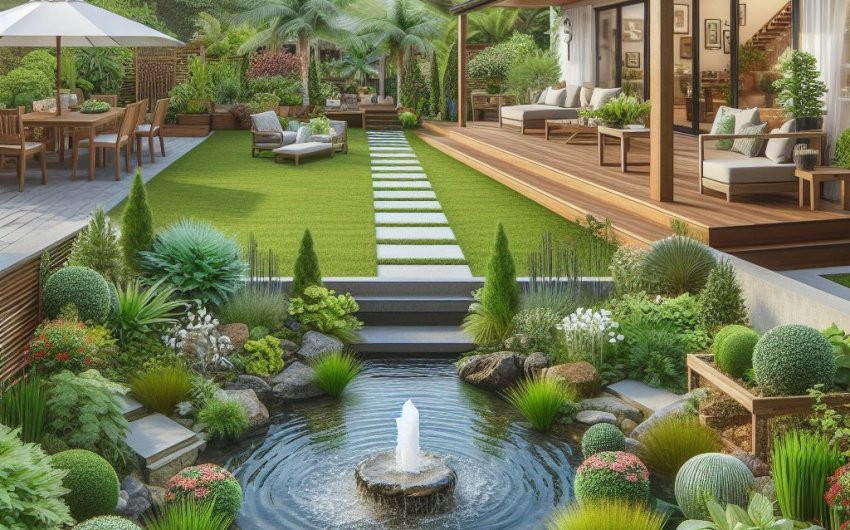
To embark on the journey from chaos to calm and successfully transforming your backyard into an oasis, begin by defining your vision for a tranquil retreat and systematically addressing existing clutter, assessing your space, and planning for essential elements like privacy, comfortable seating, and soothing aesthetics. This guide provides a step-by-step roadmap to create your peaceful outdoor sanctuary.
Why is Transforming Your Backyard So Important?
Transforming your backyard is incredibly important because it elevates your outdoor space from a mere plot of land to a functional extension of your home, directly impacting your well-being, property value, and connection to nature. It’s about creating an oasis from chaos to calm.
How Does a Backyard Oasis Enhance Well-being and Reduce Stress?
A backyard oasis significantly enhances well-being and reduces stress by providing a readily accessible sanctuary for relaxation, mindfulness, and rejuvenation. It leverages the therapeutic benefits of nature to create a calming personal retreat.
- Stress Reduction: Spending time in a green, peaceful environment has been shown to lower cortisol levels (the stress hormone), reduce anxiety, and promote feelings of calm. The visual presence of plants, water, and natural elements is inherently soothing.
- Mood Enhancement: Exposure to natural light, fresh air, and engaging with nature (even observing plants) can improve mood, combat fatigue, and alleviate symptoms of depression.
- Physical Activity: Gentle gardening, such as tending to your oasis, encourages light physical activity, beneficial for overall health without being overly strenuous.
- Improved Focus and Cognitive Function: Engaging with the natural world can restore directed attention, helping to reduce mental fatigue and improve concentration.
- Connection to Nature: For those in urban or busy environments, a backyard oasis provides a vital, daily connection to the natural world, fostering a sense of peace and groundedness.
- Private Retreat: A well-designed oasis offers a sense of seclusion and privacy, allowing for undisturbed relaxation and introspection.
- Social Hub: A beautiful outdoor space can also serve as an inviting area for connecting with family and friends in a relaxed atmosphere.
By nurturing your backyard, you are actively investing in your mental and physical health.
How Can an Oasis Increase Your Home's Value and Appeal?
An oasis can significantly increase your home's value and appeal, transforming it into a more desirable property for both living and selling. Thoughtful landscaping and a well-designed outdoor space are often key differentiators.
- Enhanced Curb Appeal: A beautiful, well-maintained backyard oasis creates a stunning first impression, dramatically improving your home's curb appeal.
- Extended Living Space: It effectively adds functional "outdoor rooms" to your home, increasing usable living area for relaxation, dining, and entertainment without costly indoor renovations.
- Higher Resale Value: Professionally designed and landscaped outdoor spaces are highly sought after by homebuyers and often command a higher sale price.
- Desirability: A tranquil, inviting backyard makes a home more attractive and memorable to potential buyers, creating an emotional connection.
- Perceived Quality of Life: Buyers often associate a beautiful outdoor oasis with a higher quality of life, which translates into increased property value.
- Energy Efficiency (some elements): Strategic tree placement can provide shade, reducing cooling costs, and some plants can act as windbreaks.
Investing in your backyard oasis is an investment that yields both personal enjoyment and financial return.
What are the Environmental Benefits of an Oasis?
An oasis offers numerous environmental benefits, contributing to local ecosystems, reducing your carbon footprint, and promoting sustainable practices. It transforms a simple backyard into a green, thriving space.
- Supports Biodiversity: A diverse planting of flowers, shrubs, and trees (especially natives) provides food and habitat for pollinators (bees, butterflies), beneficial insects, birds, and other local wildlife.
- Improved Air Quality: Plants naturally absorb carbon dioxide and release oxygen. Some also filter airborne pollutants.
- Water Conservation: Sustainable practices like mulching, efficient irrigation, and healthy soil (rich in organic matter) reduce water runoff and conserve precious water resources.
- Soil Health: Amending soil with organic compost (made from your garden and kitchen waste) improves soil structure, fertility, and supports a thriving soil food web.
- Reduced Urban Heat Island Effect: Extensive greenery helps cool down paved surfaces and surrounding areas, mitigating the "urban heat island effect."
- Stormwater Management: Permeable pathways, healthy soil, and abundant plantings help absorb rainwater, reducing runoff and preventing erosion.
- Reduced Chemical Use: A healthy, balanced ecosystem often requires less intervention with synthetic pesticides and fertilizers.
By creating your backyard oasis, you're not just enhancing your home; you're contributing to a healthier, more sustainable local environment.
How Do You Plan Your Backyard Oasis Transformation?
Planning your backyard oasis transformation is the most crucial step, guiding you from chaos to calm with a clear vision, realistic assessment, and a strategic roadmap. A well-thought-out plan prevents costly mistakes and ensures a successful outcome.
What are the First Steps to Defining Your Vision?
The first steps to defining your vision are essential for creating a truly personalized backyard oasis that reflects your unique needs and desires for tranquility. This initial brainstorming sets the direction for your entire design.
- Reflect on "Calm": What feeling do you want your oasis to evoke? Peaceful, energizing, contemplative, restorative, cozy?
- Identify Your Needs and Activities:
- Functionality: What do you want to do in this space? (Read, meditate, dine, entertain, garden gently, exercise, nap, observe wildlife?)
- Key Elements: What features are non-negotiable for your ideal oasis? (A water feature, specific seating, a fire pit, a lush planting area, a shaded spot?)
- Aesthetic Style: Do you prefer a modern minimalist look, a lush tropical escape, a rustic cottage feel, a serene Zen garden, or a Mediterranean vibe?
- Gather Inspiration:
- Visuals: Collect images from magazines, Pinterest, gardening websites (garden design ideas books). Pay attention to colors, textures, materials, and overall mood.
- Visit Gardens: Explore local botanical gardens, nurseries, or public parks that feature elements or styles you admire.
- Create a Mood Board: Compile your collected images, preferred colors, and desired material samples into a physical or digital mood board. This visual reference will help keep your design cohesive and on track.
- Prioritize and Budget: You likely won't be able to incorporate every idea. Prioritize the elements most central to your vision and consider your budget for each.
A clear vision acts as your compass throughout the entire transformation.
How Do You Assess Your Existing Backyard (From Chaos)?
Assessing your existing backyard (from chaos to calm) is a critical practical step before any transformation begins. This thorough analysis reveals limitations, identifies assets, and guides realistic design decisions.
- Measure and Map:
- Draw a Detailed Sketch: Create a scaled drawing of your backyard, including all existing features: house, fence lines, shed, trees, large shrubs, patios, pathways, utility boxes, retaining walls, etc.
- Measure Dimensions: Accurately measure the dimensions of the entire area.
- Observe Sun Exposure:
- Track Sunlight: Over several days, observe and mark areas of full sun (6+ hours), partial sun (4-6 hours), and full shade (less than 4 hours). Note how light changes with seasons.
- Impact: This dictates plant selection and placement of seating/activity zones.
- Evaluate Drainage:
- Water Test: After a heavy rain or by watering a section, observe how quickly water drains. Identify any perpetually soggy or excessively dry areas.
- Solution: Note areas that might need improved drainage (e.g., adding raised beds, amending soil, or creating swales).
- Analyze Soil Type:
- Simple Test: Dig a small hole (1 foot deep) and examine the soil. Is it sandy, silty, or heavy clay?
- Soil Test (Recommended): A garden soil test kit provides precise pH and nutrient levels, guiding necessary amendments.
- Identify Existing Assets and Liabilities:
- Assets: What can you keep or incorporate? (Mature trees for shade, an existing patio, a sturdy fence, interesting boulders).
- Liabilities: What needs to be removed, screened, or repaired? (Old shed, broken concrete, unsightly utility boxes, noisy AC unit).
- Consider Utilities and Restrictions: Mark the location of buried utility lines (call 811 before digging). Check HOA rules or local ordinances for restrictions on fences, structures, or tree removal.
This comprehensive assessment turns chaos into concrete information for your design.
How Do You Establish Zones and Flow in Your Backyard?
Establishing zones and flow in your backyard is a crucial design principle when transforming it into an oasis, creating functional "rooms" and guiding movement seamlessly through the space. This brings order from chaos to calm.
- Define Zones (Outdoor "Rooms"): Break down your backyard into distinct areas, each with a specific purpose.
- Relaxation Zone: Cozy seating, perhaps a hammock or lounge chairs, water feature.
- Dining Zone: Outdoor table and chairs, maybe near a grill.
- Gardening Zone: Raised beds, potting bench, compost bin.
- Entertainment Zone: Fire pit, larger seating area.
- Transition Zones: Pathways connecting different areas.
- Consider Primary Use: Your primary vision (e.g., a quiet retreat vs. entertaining) will determine how many zones and which types are prioritized.
- Create Flow with Pathways:
- Purpose: Pathways guide visitors through the garden, connecting different zones and inviting exploration.
- Materials: Choose natural materials like pavers, gravel, brick, or flagstone.
- Design: Use gentle curves or meandering lines for an inviting, less formal feel. Ensure paths are wide enough (at least 3 feet / 0.9m) for comfortable passage.
- Visual Cues for Transition: Use changes in planting height, different hardscaping materials, or small arbors/pergolas to signal a transition from one zone to another.
- Focal Points: Strategically place focal points (a statue, a specimen tree, a beautiful water feature) at the end of a pathway or in a key zone to draw the eye and create interest.
- Consider Sightlines: From key viewing points (e.g., house windows, patio door, primary seating), ensure pleasant views and avoid unsightly areas.
Establishing zones and clear flow creates a highly functional and aesthetically pleasing backyard oasis.
What Are Essential Elements for Your Backyard Oasis?
To truly transform your backyard into an oasis and ensure it delivers from chaos to calm, incorporating essential elements that address sensory experience, comfort, and privacy is paramount. These features are fundamental to a tranquil retreat.
How Do You Create Privacy and Enclosure?
Creating privacy and enclosure is one of the most essential steps when transforming your backyard into an oasis, as a sense of seclusion is fundamental to feeling relaxed and undisturbed. It establishes your personal tranquil retreat.
- Why it's Essential:
- Stress Reduction: Allows you to fully relax without feeling observed, promoting deeper tranquility.
- Blocks Undesirable Views: Screens neighbors, busy streets, or unattractive utility areas.
- Sound Mitigation: Dense barriers can absorb or deflect unwanted noise.
- Intimacy: Creates a cozy, intimate "outdoor room."
- Defines Space: Clearly marks your oasis as a distinct, dedicated area.
- Strategies for Privacy and Enclosure:
- Living Walls (Planting):
- Tall Shrubs/Hedges: Plant fast-growing evergreen shrubs (e.g., arborvitae, clumping bamboo, privet) for year-round screening.
- Climbing Vines: Train vigorous vines (e.g., climbing roses, jasmine, wisteria, clematis) over arbors, pergolas, or trellises to create leafy screens.
- Layered Planting: Combine different heights of shrubs and perennials to create visual depth and block views.
- Container Plants: Use large, tall decorative outdoor planters with dense plants for movable screening.
- Fencing and Walls:
- Solid Fencing: Install privacy fences (wood, composite) or enhance existing fences with extensions.
- Decorative Panels: Use attractive decorative privacy screens made from wood, metal, or bamboo.
- Stone/Brick Walls: Provide sturdy, permanent enclosure.
- Overhead Structures: Arbors and pergolas, especially when covered with vining plants, create a sense of overhead enclosure.
- Living Walls (Planting):
Prioritizing privacy ensures your backyard oasis is a truly secluded and peaceful escape.
How Do You Incorporate Water Features for Serenity?
Incorporating water features is a highly effective way to create serenity when transforming your backyard into an oasis, adding soothing sounds, visual beauty, and attracting wildlife. The presence of water is inherently calming and a cornerstone of a tranquil retreat.
- Why Water Features are Essential:
- Soothing Sounds: The gentle murmur of bubbling, dripping, or cascading water can effectively mask unwanted noises (traffic, neighbors) and create a relaxing auditory backdrop.
- Visual Appeal: Water adds a dynamic, reflective element to the garden, reflecting light and surrounding plants.
- Attracts Wildlife: Bird baths, ponds, and fountains attract birds, butterflies, and other beneficial creatures, adding life and movement.
- Increased Humidity: Can slightly increase localized humidity, beneficial for some plants.
- Focal Point: A well-placed water feature can serve as a beautiful focal point, drawing the eye and defining a zone.
- Types of Water Features:
- Bubbling Fountains: A simple bubbling fountain is perfect for small spaces, providing a gentle gurgle.
- Cascading Waterfalls: For a more naturalistic look, water gently falling over rocks.
- Bird Baths: A bird bath with a dripper kit adds the sound of dripping water and attracts birds.
- Small Ponds: Can create a natural habitat for fish and aquatic plants, offering a tranquil ecosystem.
- Pondless Waterfalls: Provide the sound and look of a waterfall without a visible body of water at the bottom, reducing maintenance.
- Placement: Place water features close to seating areas so their sounds are easily heard. Ensure it's level and has access to electricity for pumps (if not solar-powered). A solar powered water feature is an eco-friendly option.
Integrating a water feature is a powerful way to inject tranquility and natural beauty into your backyard oasis.
How Do You Choose Comfortable Seating and Relaxation Zones?
Choosing comfortable seating and defining dedicated relaxation zones is paramount for a tranquil retreat, ensuring your backyard oasis is an inviting and usable space for unwinding. Comfort is the foundation of true serenity.
- Prioritize Comfort:
- Ergonomics: Select outdoor furniture that is genuinely comfortable, with good back support, appropriate height, and ergonomic design.
- Cushions and Fabric: Invest in plush, weather-resistant outdoor cushions and durable, quick-drying outdoor fabrics.
- Accessories: Add outdoor throw pillows, blankets, and small side tables for drinks or books. A weather-resistant outdoor seating set with cushions is a great starting point.
- Variety of Seating Options:
- Cozy Nook: A single comfortable armchair, an egg chair, or a small bench tucked into a private corner for quiet reading or meditation.
- Lounge Area: A larger outdoor sofa, daybed, or chaise lounges for extended relaxation or napping.
- Dining Space: A small, intimate table and chairs for outdoor meals.
- Hammock: A garden hammock with stand offers ultimate relaxation.
- Strategic Placement of Zones:
- Privacy: Position seating in areas that feel private and sheltered, away from direct views of neighbors or busy areas.
- Views: Orient seating to enjoy the best views of your garden, a water feature, or a sunset.
- Shade: Ensure seating areas have adequate shade (pergola, umbrella, trees) during the hottest parts of the day. A patio umbrella with base is a flexible option.
- Proximity to Elements: Place seating near fragrant plants or water features to maximize sensory enjoyment.
- Defining the Zone: Use outdoor rugs, low planter boxes, or subtle changes in paving to delineate distinct relaxation areas.
Comfortable and strategically placed seating ensures your backyard oasis is truly an inviting retreat.
What Are Practical Steps for Building Your Oasis?
To successfully transform your backyard into an oasis and ensure its long-term functionality, several practical steps for building your oasis are essential, from preparing the ground to implementing key structural elements. These actions bring your vision to life.
How Do You Clear and Prepare the Ground?
Clearing and preparing the ground is the crucial first practical step when transforming your backyard from chaos to calm, providing a clean slate and the necessary foundation for all subsequent design elements. This sets the stage for success.
- Clear Existing Debris: Remove any unwanted elements: old furniture, broken planters, children's toys, construction scraps, or general clutter. Be ruthless.
- Remove Unwanted Vegetation:
- Weeds: Remove all weeds, especially perennial weeds with deep root systems. Digging them out manually or using organic weed killers are options.
- Old Plants/Shrubs: Remove any plants that are unhealthy, overgrown, or don't fit your new vision.
- Lawn Removal (if changing layout): If you're converting lawn into garden beds or patios, you'll need to remove the turf. Methods include digging, solarization (covering with clear plastic in sun), or sheet mulching.
- Leveling and Grading:
- Slope for Drainage: Ensure the ground slopes gently away from your house (a minimum of 1/4 inch per foot) to prevent water from collecting near the foundation.
- Create Level Areas: Level any areas designated for patios, seating, or structures. Use a long spirit level and rake for this.
- Amend Soil (for Planting Areas): For areas designated for garden beds, dig or till the soil to a depth of 8-12 inches. Incorporate generous amounts of organic compost to improve structure, drainage, and fertility.
- Identify Utilities: Mark the location of buried utility lines (e.g., water, gas, electricity, cable). Always call 811 before you dig deeply.
Thorough ground preparation is the invisible but essential work that underpins the beauty and functionality of your backyard oasis.
How Do You Build Pathways and Hardscaping Elements?
Building pathways and hardscaping elements is a key practical step for transforming your backyard into an oasis, providing structure, defining zones, and creating functional, aesthetically pleasing routes and surfaces. These elements bring order from chaos to calm.
- Pathways:
- Purpose: Guide movement through the garden, connect different zones, and invite exploration.
- Materials: Choose natural materials like pavers, gravel, brick, or flagstone. Consider pea gravel for a soft, permeable path.
- Design: Use gentle curves or meandering lines for an inviting, less formal feel.
- Installation:
- Outline: Mark the path with spray paint or string.
- Excavate: Dig down 4-6 inches.
- Base: Lay a layer of compacted crushed rock (road base) for stability.
- Edging (Optional): Install garden edging to contain gravel or define the path.
- Weed Barrier: Lay down landscape fabric to suppress weeds.
- Top Layer: Apply your chosen finish material (gravel, sand for pavers).
- Patios/Seating Areas:
- Purpose: Create durable, level surfaces for outdoor furniture and activities.
- Materials: Poured concrete, concrete pavers, brick, flagstone, or wood decking.
- Installation: Requires a stable, level base, proper drainage, and professional installation for complex projects.
- Other Hardscaping:
- Raised Beds: For gardening zones, construct raised garden beds from wood, stone, or metal.
- Retaining Walls: If your yard has slopes, small retaining walls can create level terraces.
- Fencing/Screens: For privacy, install or enhance fencing.
Hardscaping provides the permanent structure, bringing order and definition to your backyard oasis.
How Do You Plant Your Oasis for Lush Greenery and Blooms?
Planting your oasis for lush greenery and abundant blooms is the joyful practical step that truly brings your backyard to life, transforming it into a vibrant and inviting retreat. Strategic plant selection and placement are key.
- Planting Zones: Follow your established zones (e.g., relaxation, dining, gardening).
- "Right Plant, Right Place": Match plants to your site conditions (sun/shade, soil type, climate zone). Use a garden thermometer to monitor temperatures.
- Layered Planting: Create depth by planting in layers:
- Groundcovers: Low-growing plants at the front or along paths.
- Mid-Height: Perennials, small shrubs, taller annuals in the middle.
- Tall/Back: Taller shrubs, trees, climbing vines on trellises or arbors at the back.
- Diversity: Plant a wide variety of flowers, shrubs, and trees (including natives) to provide continuous bloom, diverse textures, and attract pollinators and beneficial insects.
- Color Palette: Choose a calming color scheme (blues, greens, whites, purples) for serene areas. Use bolder colors for accents.
- Fragrance: Incorporate fragrant plants (roses, lavender, jasmine) near seating areas.
- Container Plants: Use decorative outdoor planters to add pops of color, seasonal interest, or architectural elements.
- Planting Techniques:
- Dig holes twice as wide as the root ball.
- Amend soil in planting holes with organic compost.
- Water thoroughly after planting.
- Apply a layer of organic mulch (wood chips, shredded leaves).
Planting brings the vision of your backyard oasis to vibrant life.
What Are Final Touches and Long-Term Maintenance for Your Oasis?
To complete the transformation from chaos to calm and ensure your backyard remains a true oasis, final touches and thoughtful long-term maintenance are essential. These details add personality and sustain its tranquility.
How Do You Add Decorative Elements and Personal Touches?
Adding decorative elements and personal touches is the final, delightful step in transforming your backyard into an oasis, infusing it with character and reflecting your unique personality. These details solidify its identity as a tranquil retreat.
- Garden Art and Sculptures: Incorporate outdoor garden art and sculptures that resonate with your style – a graceful birdbath, a whimsical gnome, a colourful ceramic piece, or a metal trellis with interesting patterns.
- Wind Chimes: Choose melodious wind chimes (e.g., bamboo, tuned metal) for a soothing auditory element.
- Repurposed/Vintage Items: Integrate antique or repurposed items (e.g., an old watering can, a rustic wooden ladder used as a plant stand, a vintage birdcage filled with succulents) to add charm and a sense of history.
- Decorative Planters: Use unique, handmade, or brightly colored decorative outdoor planters that complement your plants and decor.
- Outdoor Rugs and Textiles: Define seating areas with an outdoor rug, and add weather-resistant throw pillows and blankets for comfort and color.
- String Lights/Lanterns: Drape outdoor string lights through pergolas or trees, or place solar lanterns for enchanting evening ambiance.
- Mirrors: A strategically placed outdoor mirror can create an illusion of more space and reflect greenery.
- Bird Feeders/Houses: Attract birds with decorative bird feeders or houses to bring life and song to your oasis.
These personal touches make your backyard oasis truly unique and reflective of your vision.
What are Essential Maintenance Tips for Long-Term Tranquility?
Essential maintenance tips are crucial for long-term tranquility in your backyard oasis, ensuring it remains a source of peace and enjoyment rather than a source of stress. Prioritizing low-stress care keeps your oasis thriving.
- Embrace Low-Maintenance Design: Stick to plant choices and design elements that don't demand excessive fuss. Choose low-maintenance perennials, shrubs, and groundcovers.
- Regular, Simple Chores:
- Weeding: Consistently hand-weed small areas to prevent weeds from taking over. Mulching helps immensely.
- Watering: Utilize automated drip irrigation or water deeply only when needed (using a soil moisture meter).
- Pruning/Deadheading: Perform light pruning to maintain plant shape and deadhead spent blooms to encourage more flowering.
- Cleanup: Periodically clear fallen leaves and debris, especially from paths and seating areas.
- Annual Refresh: Top-dress garden beds with fresh organic compost in spring to replenish nutrients and build soil health.
- Proactive Pest and Disease Management: A healthy garden is more resistant. Use organic pest control methods and maintain good air circulation.
- Consider Delegation: If your garden grows larger than your available time, consider hiring help for heavier tasks or sharing responsibilities with family.
- Enjoyment First: Remember the ultimate purpose of your oasis is relaxation. Schedule time to simply sit, observe, and enjoy your tranquil retreat without feeling obligated to work.
Consistent, low-stress maintenance ensures your backyard oasis remains a continuous source of calm and beauty.
How Does the Oasis Evolve with Seasonal Changes?
Your backyard oasis evolves beautifully with seasonal changes, offering continuous visual interest and a dynamic experience throughout the year. Planning for this evolution ensures your tranquil retreat maintains its charm in every season.
- Spring Awakening: Witness the first tender shoots of perennials emerging, the vibrant colors of spring-flowering bulbs (tulips, daffodils, crocus), and the fresh green of new foliage.
- Summer Lushness: Your oasis bursts into full glory, with abundant blooms, dense greenery, and peak activity for pollinators and birds. Enjoy long evenings outdoors.
- Fall Colors and Textures: Observe the rich tapestry of fall foliage, late-season blooms (asters, sedum), and the structural beauty of drying seed heads and ornamental grasses.
- Winter Structure and Calm: Even in winter, your oasis provides beauty with evergreen shrubs and conifers, interesting bark (dogwood, birch), and the stark, sculptural forms of deciduous trees. Hardscaping elements become more prominent.
- Continuous Planning: Use each season to observe what worked well and what could be improved for the next year. Plan for new plantings or adjustments based on your seasonal observations.
- Adapting Features: Enjoy your fire pit in cooler months, shift to shaded seating in summer, and utilize indoor plants to bring some greenery indoors during winter.
By understanding and embracing its natural evolution, your backyard oasis becomes a source of continuous joy and seasonal splendor, truly transforming your outdoor space from chaos to calm.