
Backyard Bliss: Incorporating Water Features into Your Oasis
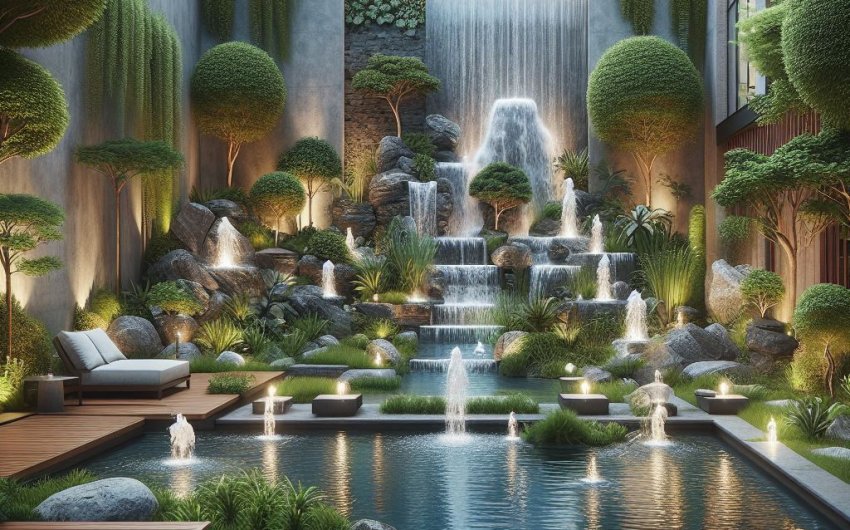
To cultivate true backyard bliss and infuse your outdoor space with unparalleled tranquility, incorporating water features into your oasis is one of the most transformative design choices. The soothing sounds, visual appeal, and natural life brought by water elements create a serene and rejuvenating sanctuary, elevating your backyard to a new level of peaceful escape.
Why Are Water Features Essential for Backyard Bliss?
Water features are essential for backyard bliss because they engage multiple senses, profoundly enhancing the atmosphere of peace, relaxation, and connection with nature in your outdoor oasis. Their presence elevates a garden into a truly tranquil retreat.
How Do Water Features Create Soothing Sounds?
Water features inherently create soothing sounds, which is one of their most powerful contributions to backyard bliss. The gentle murmur, gurgle, or splash of water can effectively mask unwanted noise and promote deep relaxation, creating auditory serenity.
- Masking Noise: The consistent, gentle white noise produced by moving water (e.g., a bubbling fountain, a small waterfall) can effectively camouflage or reduce the perception of jarring external sounds like traffic, distant conversations, or noisy neighbors.
- Promoting Relaxation: Natural sounds, particularly those of water, are scientifically proven to reduce stress, lower heart rate, and induce a state of calm. They connect us to a primal, peaceful auditory landscape.
- Enhancing Ambiance: The sound of water adds a dynamic, living element to the garden's soundscape, contributing significantly to its overall tranquil atmosphere.
- Mindfulness: The rhythmic sound of water can encourage mindfulness and meditation, helping to clear the mind and promote present-moment awareness.
By engaging the sense of hearing, water features transform your outdoor space into a truly serene and rejuvenating retreat.
How Do Water Elements Enhance Visual Appeal?
Water elements profoundly enhance visual appeal in an outdoor oasis, adding dynamic movement, reflective qualities, and a sense of freshness and life. Their presence introduces a captivating focal point to your backyard bliss.
- Dynamic Movement: Moving water (cascades, ripples, bubbles) adds a mesmerizing, ever-changing visual element that captures attention and adds life to the garden.
- Reflective Qualities: Still or gently rippling water surfaces reflect light, surrounding plants, and the sky, creating stunning visual effects and making the space feel larger and brighter.
- Focal Point: A well-designed water feature naturally becomes a focal point, drawing the eye and defining a specific area within the garden. Its beauty can be admired from various vantage points.
- Texture and Contrast: Water introduces a unique texture (liquid, flowing) that contrasts beautifully with the rough textures of stone, smooth surfaces of patios, or soft textures of plants.
- Adds Freshness and Vitality: The sparkling appearance of water conveys a sense of coolness, cleanliness, and vitality, especially on a hot day.
- Aesthetic Versatility: Water features come in countless styles, from modern minimalist to rustic naturalistic, allowing them to integrate seamlessly with any garden design.
Water features are visually captivating, transforming your backyard into a truly enchanting and dynamic oasis.
What Role Do Water Features Play in Attracting Wildlife?
Water features play a crucial role in attracting wildlife to your backyard oasis, turning your garden into a vibrant hub of natural activity. Providing a water source is one of the most effective ways to invite birds, butterflies, and other beneficial creatures, significantly contributing to backyard bliss.
- Essential Resource: Water is a fundamental requirement for all living things. Providing a fresh, accessible water source is often the quickest way to attract a variety of wildlife.
- Attracts Birds: Birds need water for drinking and bathing. A bird bath or a pond provides essential hydration and encourages a diverse range of species to visit your garden. The sight and sound of birds add to the tranquility.
- Supports Pollinators: Butterflies and bees also need water. Shallow areas in bird baths or a designated "bee bath" (shallow dish with pebbles) provide a safe drinking spot for these crucial garden helpers.
- Amphibian Habitat: Small ponds can create a suitable habitat for frogs and toads, which are natural pest controllers.
- Insect Life: Water features can support a diversity of harmless aquatic insects, which can in turn become food for birds.
- Ecological Balance: By attracting wildlife, your garden becomes a more balanced and resilient ecosystem, as these creatures contribute to natural pest control and pollination.
Integrating a water feature transforms your backyard into a living, breathing ecosystem, bustling with the sights and sounds of nature.
What Are the Different Types of Water Features for a Backyard Oasis?
To truly achieve backyard bliss, understanding the different types of water features available is essential, as each offers unique aesthetic, auditory, and maintenance characteristics. Choosing the right one depends on your space, budget, and desired effect.
What are Popular Choices for Small Fountains?
Small fountains are popular choices for incorporating water features into an oasis, particularly for compact spaces, offering soothing sounds and visual charm without requiring extensive installation or maintenance. They are perfect for achieving instant backyard bliss.
- Description: Self-contained units that recirculate water from a basin through a pump to create bubbling, trickling, or cascading effects. They come in countless styles, materials, and sizes.
- Pros:
- Compact: Ideal for small patios, balconies, courtyards, or tucked into garden beds.
- Easy Installation: Many are plug-and-play, requiring little more than an outlet and filling with water.
- Versatile: Available in various materials (ceramic, stone, resin, metal) and designs (bubblers, tiered, wall-mounted).
- Soothing Sound: Provide immediate tranquil sounds.
- Relatively Low Maintenance: Requires regular refilling (due to evaporation) and occasional cleaning.
- Cons:
- Limited Visual Impact: May not be as dramatic as larger features.
- Noise from Pump: Some cheaper pumps can be noisy, so choose quality.
- Popular Styles:
- Bubblers: Water gently bubbles up from a hidden source, often stone. A garden bubbler fountain is subtle.
- Tiered Fountains: Water cascades from one level to the next, creating a gentle trickling sound.
- Wall Fountains: Mounts directly on a wall, conserving space while adding elegance. A wall-mounted outdoor fountain is charming.
- Urn Fountains: Water flows over the edge of a decorative urn.
Small fountains are an accessible and effective way to introduce the tranquility of water into any backyard oasis.
How Do Ponds and Water Gardens Create a Natural Ecosystem?
Ponds and water gardens create a natural ecosystem, transforming your backyard into a vibrant, living oasis that supports diverse aquatic life and contributes to profound backyard bliss. These features are more involved but offer unparalleled natural beauty.
- Description: Larger, excavated basins lined with impermeable material (rubber liner) and filled with water. They often include aquatic plants, fish, and sometimes a small waterfall or stream.
- Pros:
- Creates a Micro-Ecosystem: Supports fish (koi, goldfish), frogs, dragonflies, and a wide variety of aquatic plants.
- Highest Visual Impact: Can be incredibly beautiful, naturalistic, and a constant source of fascination.
- Relaxing Sounds: Waterfalls and streams provide dynamic, soothing sounds.
- Attracts Diverse Wildlife: A magnet for birds, insects, and amphibians.
- Adds Value: Can significantly enhance property value and aesthetic appeal.
- Cons:
- Complex Installation: Requires significant excavation, lining, pump installation, and careful balancing of the ecosystem.
- Higher Maintenance: Requires regular cleaning (skimming debris), monitoring water quality, managing algae, and winterization.
- Higher Cost: Can be a significant investment in materials and labor.
- Key Components:
- Pond Liner: A durable pond liner is essential.
- Pump and Filter: To circulate and clean the water.
- Aquatic Plants: Water lilies, submerged oxygenators, marginal plants.
- Fish (Optional): Add movement and can help with insect control.
For those seeking a deeply immersive natural experience, a pond or water garden creates an ultimate backyard oasis.
What are the Benefits of Pondless Waterfalls or Streams?
Pondless waterfalls or streams offer many benefits of moving water without the complexities of a traditional pond, making them an increasingly popular choice for an oasis seeking soothing sounds and natural beauty with reduced maintenance. They are perfect for backyard bliss.
- Description: Water cascades over rocks and gravel (creating a waterfall or stream effect) and then disappears into an underground reservoir, rather than a visible pond. A pump recirculates the water.
- Pros:
- Safety: No standing water, making them much safer for children and pets.
- Low Maintenance: Less prone to algae buildup (no direct sunlight on a large body of water) and doesn't require fish care or extensive pond cleaning.
- Space-Saving: Can be built in smaller areas where a full pond wouldn't fit.
- Versatile Design: Can be naturalistic streams or dramatic waterfalls.
- Soothing Sounds: Provides all the relaxing sounds of moving water.
- Attracts Wildlife: Still attracts birds and other small creatures for drinking.
- Cons:
- Still Requires Installation: Involves excavation, liner, pump, and rock placement.
- Initial Cost: Can still be a significant investment.
- Water Evaporation: Requires occasional refilling due to evaporation.
- Key Components: A durable pond liner, a submersible pump, a reservoir (often a large plastic basin buried underground), and plenty of rocks/gravel.
Pondless waterfalls provide the auditory and visual benefits of water with significantly reduced maintenance, making them an excellent choice for a low-fuss backyard oasis.
How Can Bird Baths and Bee Baths Add Simple Water Elements?
Bird baths and bee baths add simple, charming water elements to an outdoor oasis, offering vital resources for wildlife with minimal investment and maintenance, significantly contributing to backyard bliss. These small features make a big impact.
- Bird Baths:
- Description: Shallow basins, typically elevated on a pedestal, that hold water for birds to drink and bathe.
- Pros:
- Inexpensive: Very affordable and widely available.
- Easy Installation: Just place it in the garden.
- Low Maintenance: Requires daily refilling with fresh water and weekly cleaning.
- Attracts Birds: One of the easiest ways to bring feathered friends (and their songs) into your garden.
- Aesthetic: Can be decorative and serve as a subtle focal point.
- Key Feature: A bird bath with a dripper kit adds the soothing sound of dripping water, which is highly attractive to birds.
- Bee Baths:
- Description: A very shallow dish or saucer filled with water and pebbles, marbles, or small stones.
- Pros:
- Crucial for Pollinators: Provides a safe, shallow drinking spot for bees, butterflies, and other beneficial insects without risk of drowning.
- DIY Potential: Can be made from any shallow dish.
- Very Low Maintenance: Just requires regular refilling and occasional cleaning.
- Key Feature: The stones provide landing spots for insects. A bee watering station is an important pollinator support.
- Placement: Place both in open areas where wildlife feels safe from predators, away from dense foliage, but near other pollinator-friendly plants.
These simple water elements are accessible and highly effective ways to bring the joy of wildlife to your backyard oasis.
How Do You Plan and Integrate Water Features into Your Oasis Design?
To ensure backyard bliss, planning and integrating water features into your oasis design requires thoughtful consideration of placement, style, and scale. A well-integrated feature enhances, rather than overwhelms, the overall tranquil aesthetic.
What is the Best Placement for Maximum Impact and Enjoyment?
The best placement for maximum impact and enjoyment of water features is crucial when incorporating them into your oasis design. Strategic positioning optimizes their visual and auditory contributions to backyard bliss.
- Proximity to Seating Areas:
- Auditory Impact: Place fountains or waterfalls close enough to your patio, deck, or seating areas so their soothing sounds are easily heard and can mask external noise. This enhances the sense of a tranquil retreat.
- Visual Enjoyment: Position so the water feature is clearly visible from your favorite relaxation spots.
- Focal Point:
- A water feature naturally draws the eye. Consider placing it as a focal point at the end of a pathway, in the center of a patio, or framed by lush plantings.
- Visibility from Indoors: If possible, position the water feature so it can be seen and heard from inside your home (e.g., through a living room window or patio door). This extends enjoyment year-round.
- Sunlight Exposure:
- Minimize Algae: For ponds or features with standing water, a location with partial shade can help minimize algae growth (but some sun is needed for aquatic plants).
- Maximize Reflection: Position to catch sunlight for sparkling reflections.
- Power/Water Access: Ensure the chosen location has easy access to an electrical outlet (for pumps) and a water source (for refilling). Consider a solar-powered water feature to reduce electrical needs.
- Level Ground: Ensure the ground is level to prevent uneven water distribution or instability.
Thoughtful placement enhances the sensory experience and aesthetic appeal of your water feature.
How Do You Match Water Feature Style to Your Garden Aesthetic?
Matching water feature style to your garden aesthetic is vital for creating a cohesive and harmonious backyard oasis, ensuring the feature enhances, rather than clashes with, your overall design vision for backyard bliss.
- Modern/Minimalist:
- Features: Sleek, geometric shapes. Clean lines. Smooth materials like polished stone, stainless steel, glass, or concrete. Sheer descent waterfalls.
- Example: A rectilinear fountain bubbling up from a bed of smooth river stones.
- Rustic/Naturalistic:
- Features: Irregular shapes, rough textures. Natural rock (boulders, river rock), aged wood. Waterfalls or streams that mimic nature.
- Example: A pondless waterfall with moss-covered rocks and native plants.
- Classic/Formal:
- Features: Symmetrical designs, sculpted figures, tiered structures, classical urns, intricate detailing. Materials like cast iron, terracotta, or carved stone.
- Example: A multi-tiered bird bath fountain or a formal wall fountain.
- Asian/Zen:
- Features: Simple, clean lines. Natural stone, bamboo, often with a slow, deliberate drip or subtle flow. Often incorporates a bamboo water spout for visual and auditory impact.
- Example: A bamboo water spout filling a stone basin.
- Cottage Garden:
- Features: Whimsical, informal, charming. Repurposed elements, natural stone, antique bird baths.
- Example: A small, whimsical fountain tucked amidst overflowing flowers.
By consciously selecting a style that complements your garden's existing or desired aesthetic, your water feature becomes an integrated, beautiful component of your tranquil retreat.
What Scale and Size are Appropriate for Your Space?
Choosing the appropriate scale and size of a water feature for your space is crucial for successful integration into your backyard oasis, ensuring it enhances without overwhelming or being lost within the landscape. This creates visual harmony and balance.
- Small Spaces (Patios, Balconies, Courtyards):
- Appropriate Features: Small, self-contained fountains (bubblers, tiered tabletop fountains, wall fountains). Small bird baths or bee baths.
- Why: These are proportionate to the space, provide sound and visual interest without taking up too much room.
- A tabletop water fountain is perfect for very tiny areas.
- Medium-Sized Yards:
- Appropriate Features: Medium-sized bubbling fountains, a modest pondless waterfall or short stream, a small pond, or a more prominent bird bath.
- Why: These can serve as a focal point without dominating the entire yard.
- Large Yards:
- Appropriate Features: Larger ponds, extensive streams and waterfalls, grander fountains, multiple water features to define different zones.
- Why: A larger feature is needed to maintain visual impact and auditory presence in an expansive space.
- Consider Plantings: Ensure the water feature is large enough to stand out against surrounding plantings, but not so large that it makes plants around it seem insignificant.
- Sound Projection: Larger water features generally have a louder sound. Consider how far you want the sound to project to mask noise or create tranquility.
- Maintenance: Larger features often require more maintenance, so consider your time commitment.
By selecting the right scale, your water feature becomes a harmonious and impactful element of your backyard oasis.
How Do You Install and Maintain Water Features for Long-Term Enjoyment?
To ensure backyard bliss and long-term enjoyment, installing and maintaining water features correctly is paramount. Proper setup and consistent care prevent common problems and keep your water element functioning beautifully in your oasis.
What are the Key Steps for DIY Fountain or Pond Installation?
The key steps for DIY fountain or pond installation involve careful planning, excavation, proper lining, and pump setup. While the complexity varies, these foundational stages are crucial for a functional and beautiful water feature.
- For Small Self-Contained Fountains (Easiest DIY):
- Choose Location: Place on a level, stable surface near an outdoor power outlet (or in a sunny spot for solar).
- Assemble: Follow manufacturer's instructions for pump and feature assembly.
- Fill with Water: Add water, ensuring the pump is fully submerged.
- Plug In: Connect to power and test.
- Refill: Regularly refill due to evaporation.
- For Pondless Waterfalls/Streams (Intermediate DIY):
- Plan and Design: Sketch your waterfall/stream path. Determine reservoir size.
- Excavation: Dig the trench for the stream/waterfall and the hole for the underground reservoir. Ensure reservoir hole is level.
- Install Underlayment and Liner: Line the excavated areas (stream path and reservoir) with underlayment fabric (to protect liner) and then a durable EPDM pond liner. Ensure plenty of overlap.
- Place Pump and Plumbing: Install the submersible pump in the reservoir. Run tubing up the waterfall path.
- Add Rocks and Gravel: Carefully place large boulders and smaller rocks to create the waterfall/stream structure. Fill the reservoir area with gravel (ensuring pump access).
- Edge and Fill: Trim excess liner. Fill with water. Test. Make final adjustments to rocks for optimal flow.
- For Ponds (Most Complex DIY): Similar to pondless, but requires careful pond excavation, shelving for plants, filtration systems, and often a skimmer and biofilter in addition to the pump. A pond construction kit can guide you.
For more complex features, consult guides, watch videos, or consider hiring a professional.
How Do You Maintain Water Quality and Prevent Algae?
Maintaining water quality and preventing algae are crucial aspects of long-term enjoyment for any water feature, ensuring it remains clean, clear, and healthy in your backyard oasis. Consistent effort minimizes problems.
- Regular Refilling (Evaporation):
- Problem: Water evaporates, especially in hot, sunny, or windy conditions. This can lower water levels and over-concentrate nutrients.
- Solution: Regularly top off your water feature with fresh, non-chlorinated water.
- Cleaning Debris (Leaves, Dust):
- Problem: Fallen leaves, dust, and other organic debris break down in the water, adding nutrients that fuel algae growth.
- Solution: Skim debris regularly with a pond skimmer net. For ponds, use a skimmer box.
- Algae Control:
- Problem: Algae makes water green and unsightly.
- Solutions:
- Minimize Sunlight: Shade ponds with aquatic plants (water lilies) or overhead shade structures.
- Beneficial Bacteria: Add beneficial bacteria for ponds to outcompete algae for nutrients.
- Barley Straw: Bundles of barley straw can release compounds that inhibit algae.
- Algaecides (Last Resort): Use commercial algaecides sparingly and as a last resort, ensuring they are safe for any fish or plants.
- Water Quality Testing: For ponds, consider a pond water test kit to monitor pH, ammonia, nitrites, and nitrates.
- Pump and Filter Maintenance:
- Problem: Clogged pumps and filters reduce water circulation and clarity.
- Solution: Regularly clean pump pre-filters and inspect filtration media. Replace worn-out components.
Consistent attention to water quality keeps your water feature sparkling and serene.
What is Winterization and General Longevity Tips?
Winterization and general longevity tips are essential for protecting your water feature and ensuring its long-term enjoyment in your backyard oasis. Proper seasonal care prevents damage and costly repairs.
- Winterization (for Freezing Climates):
- Drain Small Features: For small fountains or bird baths, drain all water and bring the pump and entire unit indoors to prevent cracking from freezing water.
- Ponds/Pondless Waterfalls:
- Remove Pumps: Remove submersible pumps and bring them indoors. Store them in a bucket of water to keep seals hydrated.
- Trim Plants: Trim back dead aquatic plant foliage.
- Maintain Oxygen (for ponds with fish): Use a pond de-icer or aerator to keep a small hole in the ice for gas exchange if you have fish.
- Nets: Place a net over the pond in fall to catch falling leaves.
- General Longevity Tips:
- Use Quality Components: Invest in durable pumps, liners, and other components.
- Regular Cleaning: Prevents mineral buildup and blockages.
- Protect from Debris: Prune overhanging branches that drop leaves.
- Address Leaks Promptly: Fix any leaks in liners or seals immediately to prevent water loss and potential damage.
- Professional Check-ups: For large or complex features, consider an annual check-up by a pond professional.
By following these installation and maintenance guidelines, your water feature will continue to bring backyard bliss to your oasis for many years, making incorporating water features into your oasis a truly lasting investment in tranquility.