
Maximizing Small Spaces: Tips for Crafting a Cozy Backyard Oasis
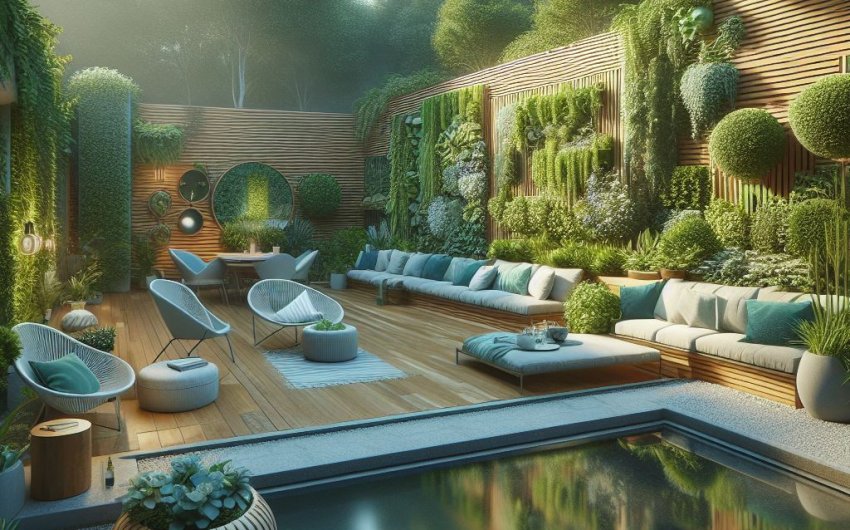
To successfully begin maximizing small spaces and crafting a cozy backyard oasis, focus on strategic planning that prioritizes vertical gardening, multi-functional elements, and clever optical illusions. This guide provides essential tips for crafting a cozy backyard oasis, transforming even the most compact outdoor area into a functional, beautiful, and tranquil retreat.
Why is Maximizing Small Spaces Crucial for Backyard Oases?
Maximizing small spaces is crucial for backyard oases because it allows you to create a functional, beautiful, and serene outdoor retreat, even with limited square footage. Strategic design turns constraints into creative opportunities, transforming a small plot into a personal sanctuary.
How Does Strategic Design Transform a Compact Area?
Strategic design profoundly transforms a compact area by making it feel larger, more functional, and visually appealing, even when space is limited. It's the art of illusion and efficiency, essential for maximizing small spaces.
- Illusion of Space: Clever design techniques (e.g., reflective surfaces, vertical lines, light color palettes) can make a small area appear more expansive than it is, creating a sense of openness.
- Enhanced Functionality: Strategic planning allows you to integrate multiple desired functions (e.g., seating, dining, gardening) into a compact footprint through multi-purpose furniture and clever zoning.
- Visual Interest and Depth: Layered plantings, vertical gardens, and focal points add depth and intrigue, drawing the eye upwards and outwards, preventing the space from feeling flat or cramped.
- Reduced Clutter: Intentional design prioritizes only essential elements, preventing clutter and ensuring a clean, peaceful aesthetic.
- Defined Zones: Even small spaces can be divided into distinct "rooms" (e.g., a reading nook, a tiny dining area) through subtle barriers or changes in surfacing.
- Cohesive Aesthetic: Strategic design ensures all elements work together harmoniously, creating a unified and inviting atmosphere.
By applying strategic design principles, a small, often overlooked, area can become a vibrant and functional cozy backyard oasis.
What are the Benefits of a Cozy Backyard Oasis in a Small Space?
The benefits of a cozy backyard oasis in a small space are significant, offering a private sanctuary for relaxation, stress reduction, and connection with nature, even in urban environments. It proves that tranquility doesn't require vast acreage.
- Accessible Retreat: Provides an immediate escape from daily stresses, right outside your door, offering a convenient place to relax and recharge.
- Stress Reduction and Well-being: Like larger oases, even compact green spaces reduce stress, improve mood, and foster a vital connection to nature.
- Increased Property Value: A well-designed, functional outdoor space can significantly enhance the appeal and value of a small home or apartment.
- Expanded Living Area: Effectively extends your indoor living space outwards, providing an "outdoor room" for enjoyment, dining, or entertaining.
- Personalized Sanctuary: Offers a private, intimate space tailored to your specific needs for peace and quiet.
- Ease of Maintenance: Smaller spaces often translate to less gardening work, making maintenance more manageable and less stressful.
- Year-Round Enjoyment: With strategic planning (e.g., weatherproof elements, subtle lighting), a cozy oasis can be enjoyed in multiple seasons.
These profound benefits highlight why investing in a cozy backyard oasis is a valuable endeavor, regardless of its size.
How Can Space Constraints Drive Creative Solutions?
Space constraints are not limitations but powerful drivers for creative solutions when maximizing small spaces for a backyard oasis. They force ingenuity, leading to innovative designs that are efficient, multi-functional, and visually impactful.
- Necessity is the Mother of Invention: Limited space pushes designers to think vertically, integrate multiple functions into single elements, and employ optical illusions.
- Vertical Gardening: The most obvious creative solution. When you can't go out, you go up! This leads to stunning wall gardens, hanging planters, and trellises.
- Multi-Functional Furniture: Leads to pieces that serve multiple purposes, like benches with built-in storage, or ottomans that double as tables.
- Clever Storage: Necessitates smart, concealed storage solutions to prevent clutter.
- Optical Illusions: Encourages the use of mirrors, strategic sightlines, and specific color palettes to make the space feel larger.
- Focused Design: Forces a clear definition of purpose for each area, leading to highly intentional and efficient design.
- Intimate Scale: Small spaces naturally foster a sense of coziness and intimacy, which can be beautifully enhanced with thoughtful design.
Embracing space constraints unlocks a wealth of innovative and charming design ideas for your cozy backyard oasis.
What Are Essential Design Strategies for Small Backyards?
To master maximizing small spaces and truly craft a cozy backyard oasis, essential design strategies focus on creating illusions of grandeur, embracing verticality, and ensuring multi-functionality. These are the core tips for crafting a cozy backyard oasis.
How Do You Create Illusions of Greater Space?
Creating illusions of greater space is a key design strategy for maximizing small spaces, making your backyard oasis feel larger, more expansive, and less confined. Clever visual tricks can dramatically alter perception.
- Diagonal Lines: Lay pavers, decking, or create pathways on a diagonal rather than parallel or perpendicular to the house. Diagonal lines lead the eye across the longest dimension, making the space feel wider.
- Mirrors: Strategically place outdoor mirrors on a wall or fence. They reflect light and greenery, creating the illusion of more depth and an extended garden.
- Receding Colors: Use cooler colors (blues, greens, purples) for plants and elements at the far end of the garden. These colors appear to recede, making the space feel longer. Use brighter, warmer colors closer to the viewer.
- Visual Distances: Create a subtle focal point at the far end of the garden (a small statue, a specimen plant, a trellis). This draws the eye through the space.
- Layered Planting (Delicate to Bold): Place fine-textured, delicate plants (e.g., ferns, ornamental grasses) at the back, and larger-leafed, bolder plants closer to the foreground. This creates an optical illusion of depth.
- Large-Format Pavers: Using larger pavers for a patio or pathway reduces the number of grout lines, creating a less busy and more expansive feel.
- Hidden Corners: Design subtle curves in pathways or use low screens to suggest hidden areas, implying more space beyond what's immediately visible.
These optical illusions are powerful tips for crafting a cozy backyard oasis that feels generously sized.
What Role Does Vertical Gardening Play in Small Spaces?
Vertical gardening plays an indispensable role in maximizing small spaces for a backyard oasis, allowing you to expand your planting area upwards and utilize previously underutilized wall space. It's the ultimate solution for growing more in a compact footprint.
- Expands Planting Area: When horizontal space is limited, vertical gardens (wall garden planters) allow you to grow flowers, herbs, and even small vegetables on walls, fences, or trellises.
- Adds Visual Interest: Transforms bare walls into lush, living art. Vertical layers add depth and a dynamic element to the garden.
- Privacy Screening: Dense vertical plantings can also serve as effective privacy screens, softening hard boundaries and blocking unwanted views.
- Shade Creation: Taller vertical elements or vining plants can create much-needed shade in sunny areas.
- Climbing Plants: Utilize climbing roses, clematis, jasmine, or edible vines (e.g., runner beans) on trellises, arbors, or pergolas.
- Hanging Gardens: Install hanging baskets, macrame hangers, or tiered hanging planters from pergolas, hooks, or sturdy tree branches.
- Tiered Planters/Shelves: Use tiered plant stands or shelving units to stack plants vertically.
- DIY Options: Repurpose old pallets, wooden crates, or PVC pipes to create custom vertical planters.
Vertical gardening is a creative and efficient strategy for bringing abundant plant life to your cozy backyard oasis.
How Do Multi-Functional Elements Optimize Small Backyards?
Multi-functional elements are key to optimizing small backyards when maximizing small spaces, ensuring every item serves more than one purpose to enhance both functionality and aesthetics without adding clutter. This intelligent design is a top tip for crafting a cozy backyard oasis.
- Storage Benches: A bench with built-in storage provides seating while discreetly stashing away cushions, gardening tools, or small outdoor essentials. A patio storage bench is perfect.
- Planter Benches/Walls: Integrate planters directly into benches or low walls. The planter provides greenery, and the structure offers seating.
- Folding Furniture: Outdoor tables and chairs that can fold up and be stored away when not in use free up precious space.
- Outdoor Ottomans: Can serve as extra seating, a footrest, or a side table.
- Water Feature/Planter Combo: A small fountain that incorporates a planter adds both soothing sounds and plant life in one compact unit.
- Grill Stations with Storage: Choose compact grills that have integrated shelving or storage.
- Movable Elements: Utilize furniture or planters with wheels so they can be easily rearranged to adapt to different activities or sun conditions.
- Decking with Integrated Seating: Custom-built decking can incorporate benches around its perimeter, saving space.
By selecting versatile elements, you maximize the utility and comfort of your small outdoor area, creating a highly efficient cozy backyard oasis.
What Are Plant Selection Strategies for Small Space Oases?
To truly succeed at maximizing small spaces and creating a cozy backyard oasis, intelligent plant selection strategies are paramount. Choosing plants that are proportionate to the area and offer continuous interest ensures lushness without overwhelming the space.
Which Compact Plants Provide Lush Greenery?
Compact plants that provide lush greenery are essential for maximizing small spaces, creating a dense, abundant feel without overwhelming the area. These carefully chosen plants contribute significantly to the serene aesthetic of a cozy backyard oasis.
- Dwarf Conifers: Offer year-round structure and texture without growing too large. Varieties like 'Dwarf Blue Spruce' or 'Dwarf Mugo Pine'.
- Compact Shrubs: Choose slow-growing, smaller varieties of popular shrubs (e.g., dwarf boxwood, miniature rhododendrons, dwarf hydrangeas).
- Vertical Growers:
- Columnar Trees/Shrubs: Varieties that grow tall and narrow (e.g., 'Sky Pencil' Holly) provide height without width.
- Vining Plants: Clematis, jasmine, or small climbing roses can grow vertically on trellises, adding lushness without taking up floor space.
- Ferns: Many ferns (e.g., Maidenhair Fern, Japanese Painted Fern) offer delicate texture and thrive in shady, moist corners.
- Hostas (Dwarf/Medium varieties): Provide lush, bold foliage in shady spots.
- Ornamental Grasses (Compact varieties): Offer texture, movement, and a sense of wildness without aggressive spreading. Look for dwarf fountain grass or 'Little Bluestem'.
- Succulents: Many varieties remain compact and offer unique forms and colors, ideal for container groupings.
- Groundcovers: Creeping thyme, sedum, or ajuga can fill gaps beautifully, reducing weeding.
By carefully selecting compact and appropriately sized plants, you can achieve a dense, lush feel even in the smallest of backyards.
How Do You Choose Flowers for Continuous Bloom in Small Spaces?
Choosing flowers for continuous bloom in small spaces is crucial for ensuring a vibrant and cheerful cozy backyard oasis throughout the growing season. Prioritizing long-blooming or re-blooming varieties maximizes color without requiring frequent replanting.
- Long-Blooming Annuals:
- Geraniums (Pelargoniums): Consistent bloomers in vibrant colors, great for pots.
- Petunias: Trailing varieties are excellent for hanging baskets or spilling over edges.
- Impatiens: Perfect for shady spots, offering continuous color.
- Begonias (Wax or Tuberous): Provide reliable color in sun or shade.
- Calibrachoa (Million Bells): Small, petunia-like flowers that bloom profusely in hanging baskets.
- Zinnias (Dwarf varieties): Smaller, compact zinnias offer continuous color with deadheading.
- Repeat-Blooming Perennials:
- Daylilies (Reblooming varieties): Offer multiple flushes of blooms.
- Echinacea (Coneflower): Long-lasting blooms from mid-summer to fall.
- Lavender: Blooms in early summer and can often re-bloom with deadheading.
- Salvia: Many varieties offer long-lasting spikes of blue/purple.
- Dianthus: Small, cheerful, often repeat-blooming.
- Bulbs for Succession: Plant different spring-flowering bulbs (crocus, daffodils, tulips) for staggered blooms.
- Deadheading is Key: For most flowering plants, regular deadheading (removing spent blooms) will encourage the plant to produce more flowers rather than go to seed. Use small pruning snips.
By focusing on plants with extended bloom times and practicing diligent deadheading, you can ensure your small space remains bursting with color.
What is the Importance of Container Gardening in Small Oases?
Container gardening is of paramount importance in maximizing small spaces for a cozy backyard oasis, offering incredible flexibility, aesthetic appeal, and control over plant placement and growing conditions. It's an indispensable technique for compact areas.
- Flexibility and Mobility: Pots can be easily moved to:
- Chase sunlight or seek shade.
- Rearrange displays for a fresh look.
- Bring tender plants indoors for winter protection.
- Create temporary privacy screens.
- Space Optimization: Containers allow you to plant in areas where in-ground gardening isn't possible (patios, decks, balconies) or to fill awkward gaps.
- Vertical Dimension: Stacked containers, hanging baskets, and wall-mounted pots add vertical interest.
- Control Over Growing Conditions: You have complete control over the potting mix, making it ideal for plants with specific soil needs. This also helps with drainage.
- Pest and Disease Management: Easier to isolate and treat individual plants if they get pests or diseases.
- Aesthetic Appeal: Choose decorative outdoor planters in various materials (ceramic, terracotta, metal, self-watering) and colors to enhance your decor.
- Edibles Integration: Grow herbs, small vegetables, or berry plants in containers for fresh, accessible food.
Container gardening is a versatile and essential tool for creating a lush and productive cozy backyard oasis in any small space.
What Are Essential Elements for Ambiance and Relaxation?
To truly craft a cozy backyard oasis that promotes relaxation and a tranquil atmosphere, focusing on essential elements for ambiance and relaxation is paramount. These sensory details transform the space from chaos to calm.
How Do You Create Privacy and Seclusion?
Creating privacy and seclusion is a foundational element for a truly cozy backyard oasis, allowing you to unwind without feeling observed or disturbed. A sense of enclosure defines your personal tranquil retreat.
- Living Screens:
- Tall Shrubs/Hedges: Plant fast-growing evergreen shrubs (e.g., arborvitae, clumping bamboo) for year-round, dense screening.
- Climbing Vines: Train vigorous vines (e.g., climbing roses, jasmine, wisteria) over arbors, pergolas, or trellises.
- Tall Ornamental Grasses: Provide seasonal screening and movement.
- Container Plants: Use large, tall container plants (e.g., bamboo in pots, large ornamental grasses) for movable privacy screens.
- Hardscape Barriers:
- Fencing: Install a solid privacy fence (wood, composite) or enhance an existing fence with extensions.
- Decorative Panels: Use attractive decorative privacy screens made from wood, metal, or bamboo.
- Pergolas/Gazebos: Overhead structures create a sense of enclosure.
- Strategic Placement:
- Position seating areas against a solid wall, fence, or dense planting to enhance the feeling of being nestled and private.
- Use multiple layers of screening (e.g., a fence with a hedge in front) for maximum effect.
- Sound Mitigation: Dense plantings and water features can help absorb or mask unwanted noise, further enhancing seclusion.
By establishing a clear sense of privacy, your small backyard truly becomes a hidden tranquil retreat.
How Do Water Features and Lighting Enhance Tranquility?
Water features and lighting dramatically enhance tranquility in a cozy backyard oasis, engaging the senses and transforming the space into a soothing haven, especially after sunset. These elements are key tips for crafting a cozy backyard oasis.
- Water Features (Soothing Sounds & Visuals):
- Sound: The gentle murmur of bubbling, trickling, or dripping water can effectively mask urban noise and induce relaxation.
- Visual Appeal: Water adds a dynamic, reflective element that catches light and reflects surrounding greenery.
- Types for Small Spaces: Opt for compact, self-contained small bubbling fountains, a small bird bath with a dripper, or a tabletop water feature.
- Placement: Position close to seating areas so the sound is easily heard.
- Ambient Lighting (Evening Ambiance):
- Warm Glow: Use subtle, warm-toned LED lights (2700K-3000K) to create a cozy, inviting atmosphere.
- Layered Lighting: Combine different types:
- Path Lighting: Solar path lights for safety and soft illumination.
- Accent Lighting: Uplight a specimen plant or water feature with small spotlights.
- String/Fairy Lights: Drape outdoor string lights through plants or over a pergola for a magical glow.
- Safety: Ensure all lighting is outdoor-rated and safely installed.
- Timers: Use outdoor lighting timers for convenience.
Thoughtful integration of water and light transforms your small space into a truly captivating retreat.
What are Essential Elements for Comfort and Personalization?
Essential elements for comfort and personalization are crucial for transforming a small backyard into a truly cozy oasis, inviting you to relax and reflecting your unique style. These details make the space feel genuinely yours.
- Comfortable Seating:
- Prioritize Plush: Choose ergonomic outdoor furniture with deep cushions and supportive backrests. A compact patio bistro set or a single comfortable outdoor armchair works well.
- Accessories: Add outdoor throw pillows, blankets, or an outdoor rug to define the space and add softness.
- Personal Touches:
- Garden Art: Incorporate small garden art pieces that resonate with you (e.g., a whimsical sculpture, a decorative plaque).
- Repurposed Items: Add character with unique upcycled elements (e.g., old watering cans as planters, vintage lanterns).
- Candles/Lanterns: Use outdoor lanterns with LED candles for a warm, flickering glow.
- Scented Plants: Plant fragrant herbs (lavender, mint, rosemary) or flowers (jasmine, roses) near seating areas.
- Functional Comfort:
- Side Tables: Small side tables are essential for drinks, books, or snacks.
- Shade: Ensure your seating area has shade during the hottest parts of the day with a small patio umbrella or a shade sail.
- Organization: Incorporate discreet storage (e.g., storage bench) to keep the space tidy and clutter-free, which is essential for tranquility.
These thoughtful elements create an inviting, functional, and deeply personal tranquil retreat.
What Are Final Touches and Long-Term Maintenance Tips?
To complete the journey of maximizing small spaces and maintain your cozy backyard oasis, final touches and thoughtful long-term maintenance tips are essential. These details ensure your tranquil retreat remains beautiful, functional, and easy to enjoy for years to come.
How Do You Sustain Lushness with Minimal Maintenance?
To sustain lushness with minimal maintenance in your cozy backyard oasis, you need to implement smart gardening practices that reduce your workload while keeping plants thriving. This ensures your oasis remains a source of calm, not chore.
- Choose the Right Plants (Low Maintenance): Select plants specifically known for being low-maintenance perennials, shrubs, and groundcovers that thrive in your climate. Avoid plants that require constant deadheading, pruning, or specific conditions.
- Mulching: Apply a thick layer (2-4 inches) of organic mulch (wood chips, shredded leaves, compost) around all plants. This suppresses weeds (reducing weeding time), conserves soil moisture (reducing watering frequency), and moderates soil temperature.
- Efficient Irrigation: Install a drip irrigation system with a timer. This automates watering, delivers water precisely to roots, and is far more efficient than hand-watering. Use a soil moisture meter to confirm watering needs.
- Build Healthy Soil: Regularly amend your soil with organic compost. Healthy soil requires less intervention (fertilizing, pest control) because plants are stronger.
- Strategic Container Choices: Use self-watering planters or group containers together to simplify watering.
- Hardscaping Elements: Incorporate more pathways, patios, and raised beds (which reduce planting area) to minimize soil areas that need intense care.
- Pruning for Shape (Not Constant Fussy Trimming): Perform light, strategic pruning to maintain the shape of shrubs and perennials, but avoid plants that need constant, intricate trimming.
- Accept Some "Wildness": Embrace a slightly informal, natural look characteristic of an oasis, rather than striving for rigid perfection.
By building in these low-maintenance strategies, your backyard oasis remains lush and beautiful without becoming a burden.
How Do You Plan for Seasonal Transition and Year-Round Enjoyment?
Planning for seasonal transition and year-round enjoyment is essential for maximizing small spaces into a cozy backyard oasis that remains engaging regardless of the month. This ensures continuous interest and delight.
- Four-Season Plantings: Select plants that offer interest in multiple seasons:
- Spring: Early bulbs (crocus, daffodils), emerging perennials.
- Summer: Peak blooms (roses, lavender, hydrangeas), lush foliage.
- Fall: Plants with attractive fall foliage (e.g., Japanese maples in pots), late-season blooms (asters, sedum), and interesting seed heads.
- Winter: Evergreens (dwarf conifers, boxwood), plants with interesting bark (dogwood, birch), and dried ornamental grasses.
- Hardscaping as Anchors: Pathways, patios, and structures (pergolas, fences) provide year-round architectural interest, especially when plants are dormant.
- Container Versatility: Use container plants that can be rotated seasonally: bring tender plants indoors for winter, or swap out annuals for seasonal color.
- Weather-Proof Elements: Ensure your outdoor furniture, cushions, and decorative elements are weather-resistant so they can remain outdoors (or easily stored) for extended use.
- Lighting for Evening Use: Outdoor string lights and lanterns allow enjoyment of the space after dark, even in cooler weather.
- Fire Features (for Cooler Months): A small fire pit (gas or wood-burning) provides warmth and ambiance, extending the usability of your oasis into cooler evenings.
By thoughtfully designing for each season, your backyard oasis offers continuous beauty and enjoyment throughout the year.
What are Final Considerations for Your Completed Oasis?
As you complete maximizing small spaces and finish crafting a cozy backyard oasis, a few final considerations will ensure its ongoing tranquility, safety, and personal resonance. These details polish your retreat from chaos to calm.
- Safety First:
- Lighting: Ensure all pathways and steps are adequately lit for safe navigation in the dark.
- Electrical: All outdoor electrical outlets and lighting should be rated for outdoor use and installed correctly.
- Water Features: Ensure any water features are designed with safety in mind, especially if children or pets are present.
- Pesticides: If using any pest control, opt for organic, pet-safe options.
- Personalization and Comfort:
- Soundscapes: Fine-tune your chosen sound elements (water feature, wind chimes) to achieve the perfect level of auditory serenity.
- Fragrance: Add fragrant container plants near seating areas for an aromatic boost.
- Art and Decor: Integrate small pieces of garden art or decorative accents that speak to you.
- Consider Future Growth: Even compact plants will grow. Periodically assess if any plants are becoming too large or aggressive and plan for pruning or replacement.
- Enjoyment is the Goal: Remember the ultimate purpose of your oasis is relaxation. Schedule time to simply sit, observe, and enjoy your tranquil retreat without feeling obligated to work.
By integrating strategic design, thoughtful plant selection, and mindful maintenance, you can truly transform any compact outdoor area into a functional, beautiful, and deeply personal sanctuary, maximizing small spaces and crafting a cozy backyard oasis that brings calm and joy for years to come.