
10 Shade-Loving Plants That Thrive in Your Garden Oasis
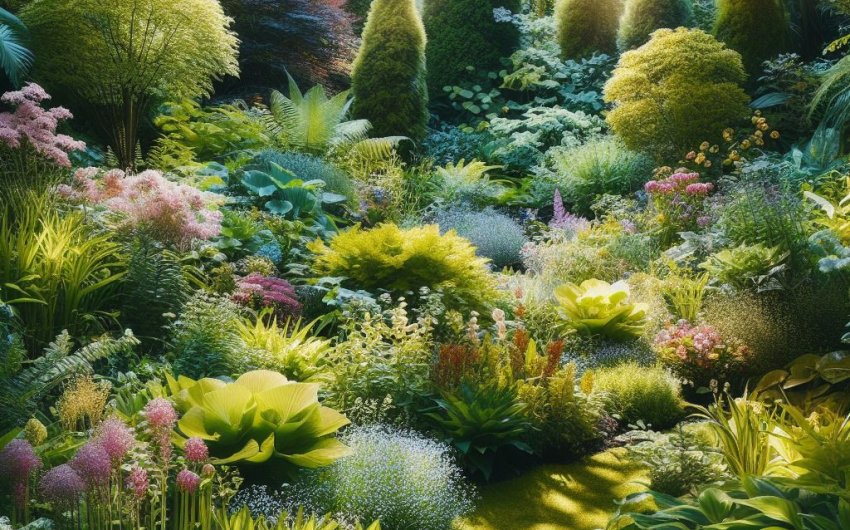
To truly unlock the potential of your garden and transform shadier spots into lush sanctuaries, embrace 10 shade-loving plants that thrive in your garden oasis. These versatile and beautiful selections provide vibrant foliage, delicate blooms, and captivating textures, proving that a lack of direct sun doesn't mean a lack of beauty.
What is "Shade" and Why Do Some Plants Prefer It?
To successfully cultivate 10 shade-loving plants that thrive in your garden oasis, it's essential to understand what "shade" truly means in horticultural terms and why certain plants have evolved to prefer these less sunny environments. Not all shade is created equal.
What are the Different Types of Shade in a Garden?
Understanding the different types of shade in a garden is crucial for selecting the right plants and ensuring their success. What one plant considers shade, another might find too dark.
- Full Sun: 6 or more hours of direct sunlight per day. (Most vegetables and many flowering plants).
- Partial Sun / Partial Shade: 4 to 6 hours of direct sunlight per day.
- Partial Sun: Tends towards the 6-hour mark, often with afternoon sun.
- Partial Shade: Tends towards the 4-hour mark, often with morning sun and afternoon shade (ideal for many shade-lovers as it protects from intense heat).
- Dappled Shade: Sunlight filtered through the leaves of deciduous trees, creating a shifting pattern of sun and shadow. This mimics a woodland understory and is often ideal for many shade-loving plants.
- Full Shade / Deep Shade: Less than 4 hours of direct sunlight per day, or dappled light for much of the day. It can also mean bright ambient light but no direct sun.
- Heavy Shade: Almost no direct light, often under dense tree canopies or on the north side of buildings. This is the most challenging for plants.
Observe how light patterns shift in your garden throughout the day and across seasons (especially once deciduous trees fully leaf out). This assessment is vital for success.
Why Do Some Plants Thrive in Shade?
Some plants thrive in shade because they have evolved specific adaptations to efficiently utilize the limited light available in their natural habitats, often the understory of forests. These adaptations allow them to grow vigorously where sun-lovers would struggle.
- Efficient Photosynthesis: Shade-loving plants (often called sciophytes) have developed highly efficient chlorophyll and leaf structures that can capture and process even low levels of sunlight. Their leaves are often darker green, thinner, and broader to maximize light absorption.
- Protection from Intense Sun: In their native environments, direct, intense sunlight would scorch their delicate leaves and stress them. Shade provides crucial protection.
- Moisture Retention: Shady areas typically have cooler temperatures and higher humidity, which helps these plants retain moisture and reduces the risk of dehydration. Many shade plants are native to moist woodland floors.
- Competition: In sunny areas, these plants would be outcompeted by sun-loving plants. Shade provides them with a niche where they can dominate.
- Root Systems: Many have shallower root systems, adapted to the top layers of forest soil rich in organic matter.
By understanding these adaptations, you can better select and care for the 10 shade-loving plants that thrive in your garden oasis.
What are the Challenges of Gardening in Shade?
While rewarding, gardening in shade presents unique challenges that need to be addressed for success. Understanding these obstacles is key to choosing the right shade-loving plants and implementing effective care strategies.
- Limited Light: The most obvious challenge. Too little light leads to leggy growth, poor flowering, and weak plants.
- Dry Shade: Often occurs under mature trees, where dense roots aggressively compete for water and nutrients, making the area very dry and difficult to plant in.
- Dense Tree Roots: Tree roots not only compete for water and nutrients but also make digging and planting extremely difficult.
- Increased Humidity/Poor Air Circulation: Shady spots, especially with dense plantings, can have higher humidity and less airflow, creating conditions ripe for fungal diseases (e.g., powdery mildew, slugs/snails).
- Limited Flowering: Many traditional flowering plants require full sun. Finding shade-tolerant bloomers can be a challenge, making foliage plants particularly valuable.
- Pest Pressure: Damp, shady conditions can sometimes favor pests like slugs, snails, and certain insect larvae.
- Slower Growth: Plants generally grow slower in shade compared to their sun-loving counterparts.
Overcoming these challenges requires strategic plant selection and thoughtful garden design, making it possible to create a beautiful garden oasis even in the shade.
What Are the Top 10 Shade-Loving Plants That Thrive?
To truly transform your shadier areas into a vibrant garden oasis, here are 10 shade-loving plants that thrive and bring exceptional beauty, texture, and reliable performance. This curated list focuses on plants that will truly flourish where the sun is scarce.
1. Hosta: The King of Shade Foliage
Hosta is the undisputed king of shade foliage, making it an indispensable plant for any garden oasis that lacks direct sun. Revered for its incredible diversity in leaf shape, size, and color, it brings lushness and structure to shady spots.
- Why it Thrives in Shade: Tolerates various shade levels, from partial to deep shade. Its broad leaves are efficient at capturing diffuse light.
- Key Features:
- Foliage Focus: Prized for its leaves – from tiny, heart-shaped to large, architectural paddles.
- Color & Texture: Available in shades of green, blue-green, chartreuse, gold, and a myriad of variegated patterns. Leaf textures range from smooth and glossy to heavily textured and corrugated.
- Low Maintenance: Generally easy to grow and long-lived once established.
- Versatile: Perfect for mass plantings, borders, containers, or as specimen plants.
- Best Varieties: 'Patriot', 'Halycon', 'Sum and Substance', 'Guacamole', 'Blue Angel'.
- Care Tip: Needs consistently moist, well-drained soil. Protect from slugs and snails (especially variegated varieties). You can buy various hosta plants for shade online.
Hostas are foundational for creating lush, visually interesting shade gardens.
2. Ferns (Various Species): Elegant Texture and Grace
Ferns (various species) provide elegant texture and graceful forms, making them essential shade-loving plants that thrive in a garden oasis. Their delicate fronds bring a lush, woodland feel and a timeless beauty to darker areas.
- Why it Thrives in Shade: Naturally grows in the understory of forests, adapted to low light and high humidity.
- Key Features:
- Textural Diversity: From the fine, lacy fronds of Maidenhair fern to the bold, architectural fronds of Ostrich fern.
- Color Variety: Mostly green, but some offer unique colors (e.g., Japanese Painted Fern with silver, burgundy, and green hues).
- Adds Movement: Delicate fronds sway gently in the breeze.
- Low Maintenance: Generally pest and disease-free once established.
- Best Varieties:
- *Japanese Painted Fern (Athyrium niponicum 'Pictum'):* Stunning color.
- Lady Fern (Athyrium filix-femina): Lacy, delicate.
- Autumn Fern (Dryopteris erythrosora): Bronze new growth.
- Ostrich Fern (Matteuccia struthiopteris): Tall, architectural.
- Maidenhair Fern (Adiantum pedatum): Very delicate, requires consistent moisture.
- Care Tip: Needs consistently moist, well-drained soil rich in organic matter. Provide high humidity. You can find live fern plants for shade at nurseries.
Ferns are indispensable for creating a tranquil, verdant, and deeply naturalistic shade garden.
3. Hellebore (Lenten Rose): Early Blooms and Evergreen Interest
Hellebore (Lenten Rose) is a remarkable shade-loving plant that thrives, offering exquisite early blooms and evergreen interest, making it an invaluable addition to any garden oasis that seeks beauty during late winter and early spring.
- Why it Thrives in Shade: Naturally grows in woodland settings. Tolerates deep shade, especially in warmer climates.
- Key Features:
- Early Bloomer: One of the first plants to bloom, often pushing through snow in late winter/early spring.
- Long-Lasting Flowers: Blooms can last for months, often in shades of white, pink, purple, green, and speckled varieties.
- Evergreen Foliage: Leathery, dark green leaves provide year-round interest and structure.
- Deer Resistant: Generally ignored by deer.
- Low Maintenance: Very hardy and long-lived once established.
- Best Varieties: Helleborus orientalis hybrids (Lenten Rose), Helleborus niger (Christmas Rose).
- Care Tip: Needs consistently moist, well-drained soil rich in organic matter. Mulch annually. Remove old, tattered leaves in late winter before new blooms emerge. Look for hellebore plants for shade.
Hellebores provide much-needed color and life when other plants are dormant, truly achieving perennial perfection.
4. Heuchera (Coral Bells): Vibrant Foliage Color
Heuchera (Coral Bells) is a vibrant foliage plant that thrives in shade, offering an astonishing array of leaf colors, making it an essential addition to any garden oasis seeking continuous visual interest and textural contrast.
- Why it Thrives in Shade: Prefers partial shade, where its leaf colors are often most intense without scorching.
- Key Features:
- Foliage Color: Available in an incredible spectrum: lime green, amber, orange, peach, red, deep purple, nearly black, and variegated forms.
- Year-Round Interest: Many varieties are evergreen or semi-evergreen, providing color even in winter.
- Delicate Flowers: Produces delicate wands of tiny, bell-shaped flowers in spring/early summer, attractive to hummingbirds.
- Compact: Forms neat clumps, great for borders, containers, or mass planting.
- Best Varieties: 'Palace Purple', 'Caramel', 'Lime Rickey', 'Obsidian', 'Marmalade'.
- Care Tip: Needs consistently moist, well-drained soil. Mulch annually. Divide every few years. You can buy various heuchera plants for shade for vibrant hues.
Heuchera provides continuous, non-floral color and texture, making it a favorite among shade-loving plants.
5. Astilbe: Feathery Blooms and Lush Foliage
Astilbe offers spectacular feathery plumes of flowers and lush, fern-like foliage, making it a graceful and indispensable plant for any garden oasis that seeks vibrant summer blooms in shady, moist conditions.
- Why it Thrives in Shade: Naturally grows in moist, woodland settings. Prefers partial to full shade with consistent moisture.
- Key Features:
- Feathery Blooms: Produces airy plumes of tiny flowers in shades of pink, red, purple, and white, often in early to mid-summer.
- Lush Foliage: Dark green, fern-like foliage provides a beautiful backdrop. Some varieties have bronze or reddish new growth.
- Adds Texture: Unique texture from both its flowers and leaves.
- Low Maintenance: Generally pest and disease-free.
- Best Varieties: 'Fanal' (red), 'Rheinland' (pink), 'Deutschland' (white), 'Visions in Pink'.
- Care Tip: Needs consistently moist soil, especially during dry spells. Incorporate plenty of organic compost to maintain moisture. You can find astilbe plants for shade to add to your oasis.
Astilbe brings delicate beauty and vibrant color to the shadier parts of your garden.
6. Brunnera (Siberian Bugloss): Blue Flowers and Silver Foliage
Brunnera (Siberian Bugloss) is a charming shade-loving plant that thrives, offering delicate blue flowers and often stunning silver-variegated foliage, making it an elegant choice for any garden oasis.
- Why it Thrives in Shade: Prefers partial to full shade with consistently moist soil.
- Key Features:
- Forget-Me-Not Flowers: Produces dainty clusters of sky-blue flowers in spring, resembling forget-me-nots.
- Beautiful Foliage: Heart-shaped leaves are often heavily variegated with silver, providing year-round interest. 'Jack Frost' is particularly stunning.
- Low Maintenance: Generally pest and disease-free.
- Deer Resistant: A good option where deer are a problem.
- Best Varieties: 'Jack Frost', 'Silver Heart', 'Looking Glass'.
- Care Tip: Needs consistently moist soil. Mulch annually to retain moisture. You can buy brunnera plants for shade for unique foliage.
Brunnera combines delicate blooms with striking foliage, a standout among shade-loving plants.
7. Hydrangea (Bigleaf/Oakleaf): Large Blooms and Lushness
Hydrangea, particularly Bigleaf (H. macrophylla) and Oakleaf (H. quercifolia) varieties, provides large, lush blooms and beautiful foliage, making it an essential shrub for a garden oasis in partial shade, especially in hotter climates.
- Why it Thrives in Shade: Many hydrangeas prefer partial shade (especially afternoon shade) to protect their blooms and foliage from scorching, thriving in dappled light.
- Key Features:
- Spectacular Blooms: Large, often long-lasting flower clusters (globes, cones, lacecaps) in white, pink, blue, or red.
- Lush Foliage: Large, green leaves provide a dense backdrop. Oakleaf hydrangea has distinct, deeply lobed leaves and stunning crimson-purple fall color.
- Architectural Structure: Provides a substantial presence in the garden.
- Best Varieties: 'Endless Summer' (reblooming Bigleaf), 'Annabelle' (smooth Hydrangea), 'Snowflake' (Oakleaf).
- Care Tip: Needs consistently moist, well-drained soil. Protect from extreme heat. Prune Bigleaf varieties after flowering. Hydrangea plants for shade offer year-round interest.
Hydrangeas bring bold, beautiful blooms and significant visual weight to shady areas.
8. Bleeding Heart: Romantic Spring Blooms
Bleeding Heart (Dicentra spectabilis) offers romantic, heart-shaped spring blooms, making it a charming and classic plant for any garden oasis that seeks delicate beauty in partial to full shade.
- Why it Thrives in Shade: Naturally found in woodlands, preferring cool, moist, shady conditions.
- Key Features:
- Unique Flowers: Arching stems adorned with distinctive, heart-shaped pink or white flowers in spring.
- Lacy Foliage: Delicate, fern-like foliage that adds texture.
- Early Bloomer: Provides lovely color before many other plants emerge.
- Authentic Varieties: Dicentra spectabilis (classic pink), 'Alba' (white), 'Gold Heart' (yellow foliage).
- Care Tip: Needs consistently moist, well-drained soil. Often goes dormant in mid-summer, so plant companions to fill the gap. Look for bleeding heart plants for shade.
Bleeding Heart is perfect for a touch of early spring romance in your shade garden.
9. Lungwort (Pulmonaria): Spotted Foliage and Early Flowers
Lungwort (Pulmonaria) is a versatile shade-loving plant that thrives, cherished for its attractive spotted or variegated foliage and early spring flowers, making it an excellent groundcover or border plant for a garden oasis.
- Why it Thrives in Shade: Prefers partial to full shade and moist soil.
- Key Features:
- Striking Foliage: Oval leaves often marked with silver spots or splashes, providing year-round visual interest.
- Early Flowers: Clusters of bell-shaped flowers in shades of pink, blue, or white appear in early spring.
- Groundcover: Forms neat clumps, excellent for filling spaces.
- Deer and Rabbit Resistant: Generally ignored by wildlife.
- Authentic Varieties: 'Raspberry Splash', 'Diana Clare', 'Silver Shimmers'.
- Care Tip: Needs consistently moist soil. Divide every few years to maintain vigor. Find pulmonaria plants for shade to add unique patterns.
Lungwort offers both early spring color and captivating foliage, a true asset for shade.
10. Foamflower (Tiarella): Delicate Flowers and Groundcover
Foamflower (Tiarella) is a delicate and charming shade-loving plant that thrives, offering airy spikes of white or pinkish flowers and attractive, often textured foliage, making it a wonderful groundcover for a garden oasis.
- Why it Thrives in Shade: Naturally grows on forest floors, preferring partial to full shade and moist, rich soil.
- Key Features:
- Delicate Flowers: Airy, foamy spikes of white or pinkish flowers appear in spring.
- Textured Foliage: Often deeply lobed or heart-shaped leaves, sometimes with burgundy markings, providing year-round interest.
- Groundcover: Spreads gently to form a beautiful carpet.
- Native Appeal: Many species are native to North America.
- Authentic Varieties: Tiarella cordifolia (Heartleaf Foamflower), 'Crow Feather'.
- Care Tip: Needs consistently moist, well-drained soil rich in organic matter. You can buy tiarella plants for shade to add fine texture.
Foamflower provides subtle beauty and a lush groundcover layer, completing the perennial perfection of a shade garden.
How Do You Design and Maintain a Thriving Shade Oasis?
To successfully cultivate 10 shade-loving plants that thrive in your garden oasis, designing and maintaining it properly are crucial. Strategic planting, thoughtful soil management, and appropriate watering ensure these plants flourish.
How Do You Prepare Soil for Shade-Loving Plants?
Preparing soil for shade-loving plants is essential because these plants often prefer moist, rich, and well-drained conditions that mimic their native woodland environments. Amending the soil sets them up for success in your garden oasis.
- Improve Drainage (if needed):
- Problem: Shady areas, especially under trees, can have compacted soil or heavy clay, leading to poor drainage.
- Solution: Incorporate generous amounts of organic compost, well-rotted leaf mold, or other organic matter. This physically loosens the soil.
- Raised Beds: For severe drainage issues, consider raised beds.
- Increase Organic Matter:
- Why: Shade plants thrive in soil rich in humus, which improves structure, aeration, and dramatically increases water retention while preventing waterlogging.
- Method: Mix in 2-4 inches of finished compost or leaf mold into the top 8-12 inches of existing soil.
- Address Tree Root Competition:
- Problem: Under mature trees, tree roots will aggressively compete for water and nutrients.
- Solution: Create pockets of amended soil for planting, or use root barriers (vertical only) with caution. Deep irrigation can help.
- pH Level: Most woodland plants prefer a slightly acidic to neutral pH (5.5-6.5). A soil test kit can confirm your soil's pH.
- Avoid Over-Fertilizing: Shade plants generally have lower nutrient needs than sun-lovers. Rely on compost for slow-release nutrients.
Proper soil preparation ensures your shade-loving plants have the best chance to flourish.
How Do You Water and Fertilize Shade-Loving Plants?
Watering and fertilizing shade-loving plants correctly are essential for their health, accommodating their preference for consistent moisture and often lower nutrient demands. This prevents root rot and promotes vigorous growth.
- Watering:
- Consistent Moisture is Key: Most shade-loving plants prefer consistently moist, but not soggy, soil. They are not typically drought-tolerant.
- Regular Checks: Use a soil moisture meter to check soil dampness before watering. Aim for the "moist" range, not "wet."
- Deep Watering: When watering, water deeply at the base of the plant to encourage deep root growth.
- Morning Water: Water in the early morning to allow any moisture on foliage to dry, helping to prevent fungal diseases.
- Mulch: A thick layer of organic mulch (shredded leaves, wood chips) is crucial for retaining soil moisture and reducing watering frequency.
- Fertilizing:
- Less is More: Shade plants generally have lower nutrient demands than sun-loving, heavy-blooming plants.
- Compost is Primary: Rely primarily on an annual top-dressing of organic compost in spring. This provides slow-release, balanced nutrients and feeds the soil food web.
- Minimal Synthetic Fertilizer: If supplemental fertilizer is needed (e.g., for very heavy feeders or very poor soil, indicated by a soil test), use a balanced organic granular fertilizer at half strength in spring. Avoid excessive nitrogen, which can lead to leggy, weak growth.
- Avoid Fertilizing Late Season: Do not fertilize in late summer or fall, as this can encourage new growth that is vulnerable to winter damage.
Proper watering and conservative fertilization are key to the perennial perfection of shade-loving plants.
How Do You Manage Pests and Diseases in a Shade Garden?
Managing pests and diseases in a shade garden requires specific strategies due to the unique conditions (higher humidity, less direct sun) that can sometimes favor certain issues. Integrated Pest Management (IPM) is key to protecting your garden oasis.
- Disease Prevention (Focus on Fungi):
- Good Air Circulation: Space plants adequately. Prune dense foliage to allow air to flow through the plant canopy, preventing conditions ripe for fungal diseases like powdery mildew, black spot, or rust.
- Water Correctly: Water at the base of the plant in the morning. Avoid overhead watering that keeps leaves wet.
- Sanitation: Promptly remove and discard (do not compost diseased material) any diseased foliage or spent blooms from the garden.
- Choose Resistant Varieties: Select shade-loving plants known for their disease resistance.
- Pest Management:
- Slugs and Snails: These pests thrive in damp, shady conditions.
- Solutions: Hand-pick at dawn/dusk. Use beer traps. Apply food-grade diatomaceous earth (when dry). Use organic slug and snail bait (iron phosphate-based). Reduce dense groundcover near susceptible plants.
- Aphids, Spider Mites (less common in shade, but still occur):
- Solutions: Strong water spray. Insecticidal soap or neem oil spray.
- Deer/Rabbits: Some shade plants are deer resistant (e.g., Hellebore). Use physical barriers or repellents for others.
- Slugs and Snails: These pests thrive in damp, shady conditions.
- Attract Beneficials: A diverse, healthy shade garden will naturally attract beneficial insects and other wildlife that help control pests.
Proactive prevention and targeted organic solutions are essential for managing pests and diseases in your shade garden.
What Are Design Tips for a Stunning Shade Oasis?
To create a truly stunning shade oasis with your 10 shade-loving plants that thrive, strategic design tips focus on maximizing visual interest through texture, color, and structure, transforming a challenging area into a captivating retreat.
How Do You Use Foliage for Year-Round Interest?
Using foliage for year-round interest is paramount in a stunning shade oasis, as it provides continuous color, texture, and form even when flowers are not in bloom. Foliage plants become the backbone of the design, ensuring seasonal splendor regardless of the season.
- Color Palette (Foliage):
- Greens: Utilize the vast range of greens (lime, chartreuse, dark forest green, blue-green) from plants like Hostas, Ferns, and Heucheras.
- Variegation: Incorporate variegated foliage (white, cream, gold patterns on leaves) from Hostas, Brunnera, or Lungwort for brightness.
- Unique Hues: Seek out plants with purple, burgundy, bronze, or silver foliage (e.g., Heuchera 'Palace Purple', Japanese Painted Fern, Brunnera 'Jack Frost').
- Textural Contrast: Combine plants with different leaf textures to create visual depth and excitement:
- Bold/Large: Hostas with large, corrugated leaves.
- Delicate/Lacy: Ferns, Astilbe foliage.
- Smooth/Glossy: Some perennial leaves.
- Fine/Grassy: Ornamental grasses (compact shade varieties).
- Layering Foliage: Plant in multiple vertical layers, ensuring there's interesting foliage at every height, from groundcovers to taller shrubs.
- Evergreen Structure: Incorporate evergreen shrubs (dwarf conifers, boxwood, hellebores) for year-round green and architectural anchors.
- Winter Interest: Choose plants whose foliage persists through winter (e.g., Hellebore, Heuchera) or whose dried forms (e.g., ornamental grasses) provide winter texture.
Foliage is the key to maintaining dynamic beauty in your shade oasis throughout the entire year.
How Do You Incorporate Shade-Tolerant Blooms for Color?
Incorporating shade-tolerant blooms for pops of color is essential for a stunning shade oasis, transforming areas of lush foliage into vibrant focal points. While many shade plants are known for foliage, several offer delightful floral displays.
- Early Spring Brightness:
- Hellebores: White, pink, purple, green blooms in late winter/early spring.
- Bleeding Heart: Classic pink or white heart-shaped flowers in spring.
- Primroses: Cheerful, low-growing bursts of color.
- Spring/Early Summer Delicacy:
- Astilbe: Feathery plumes in pink, red, purple, white.
- Foxglove: Tall spikes of bell-shaped flowers.
- Brunnera: Delicate blue forget-me-not like flowers.
- Campanula: Blue, purple, white bellflowers.
- Mid-to-Late Summer Impact:
- Hydrangeas (Bigleaf/Oakleaf): Large, lush blooms (white, pink, blue, purple) that prefer partial shade.
- Impatiens (Annual): A go-to for continuous, vibrant color in shade.
- Hostas (Flowering varieties): Some hostas produce attractive lavender or white flower spikes.
- Utilize Bulbs: Fall-planted bulbs like certain hardy cyclamen or early spring bulbs can add pops of color.
- Layer Bloom Times: As with foliage, layer your blooming plants so that as one finishes, another begins, ensuring continuous color transitions.
- Embrace Color through Foliage: Remember that plants like Heuchera offer continuous "bloom" through their vibrant leaves.
Thoughtful selection of shade-tolerant bloomers ensures your oasis is filled with continuous bursts of color and seasonal splendor.
What Role Do Pathways, Features, and Lighting Play in Ambiance?
Pathways, features, and lighting play a crucial role in enhancing the ambiance of a stunning shade oasis, creating structure, drawing the eye, and transforming the space into a truly captivating retreat that can be enjoyed day and night.
- Pathways:
- Design: Use winding or gently curving paths of natural stone pavers, flagstone, or gravel. These invite exploration and add a sense of mystery.
- Blurring Edges: Allow foliage to spill over path edges to soften lines and enhance the naturalistic feel.
- Water Features:
- Sound: A small bubbling fountain or a gentle cascade provides soothing sounds that mask unwanted noise and promote relaxation.
- Visual Appeal: Water adds a dynamic, reflective element that brightens shady spots.
- Attracts Wildlife: Draws birds, whose songs enhance the ambiance.
- Placement: Place near seating areas for maximum sensory impact.
- Seating Areas:
- Cozy Nooks: Tuck a rustic bench or comfortable chair into a secluded corner, partially hidden by lush plantings, inviting contemplation.
- Materials: Use natural materials for benches (wood, stone) that blend seamlessly.
- Lighting (Evening Magic):
- Subtle Accent Lighting: Use solar path lights along paths for safety.
- Uplighting: Place small spotlights at the base of specimen trees or a beautiful fern to highlight their forms and create dramatic shadows.
- Fairy Lights: Weave delicate solar fairy lights through dense foliage for a magical, ethereal glow.
- Garden Art/Features: Discreetly place garden statues or whimsical elements that add personality and focal points.
By thoughtfully integrating these elements, your shade garden transforms into a truly captivating and tranquil oasis, celebrating the unique beauty of the shade and creating a peaceful retreat with your 10 shade-loving plants that thrive.