
How often should I check for slug activity in my cucumber garden?
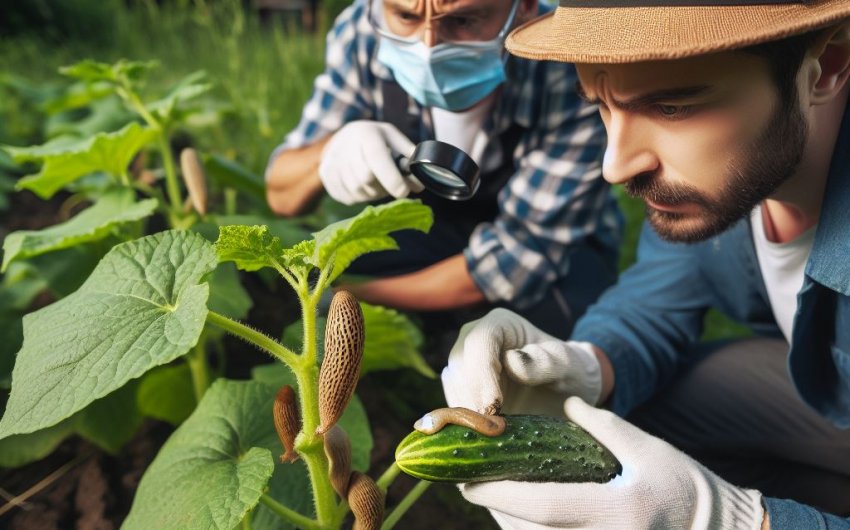
Few things are more frustrating for a gardener than discovering their crisp, developing cucumber fruits and tender leaves have been munched on overnight by unseen culprits. If you've ever seen ragged holes in your cucumber foliage, or slimy trails crisscrossing your garden bed, chances are you've got slugs or snails on your hands. These common garden pests can cause significant damage to a wide variety of vegetable crops, and cucumbers, with their juicy leaves and low-lying fruits, are often a prime target.
Understanding the habits of slugs and knowing how to effectively monitor for their activity is crucial for protecting your harvest. While they might be most active under the cover of darkness, signs of their presence are often left behind for the observant gardener to find. This guide will delve into the critical question of how often should I check for slug activity in my cucumber garden, providing practical advice on inspection routines, identification of damage, and early intervention strategies to ensure your cucumber plants remain healthy and productive throughout the growing season.
Why Are Slugs a Problem for Cucumbers?
How Do Slugs Damage Cucumber Plants?
Slugs (and snails) can cause significant and often frustrating damage to cucumber plants (and many other vegetable crops). Their feeding habits can weaken plants and reduce harvests.
- Irregular Holes in Leaves: The most common and recognizable sign of slug damage is the presence of irregular, ragged holes in the leaves of cucumber plants. Unlike caterpillars that might leave more defined or skeletonized holes, slugs leave chewn areas that often look more random and uneven.
- Chewing on Stems and Fruits: Slugs don't just limit themselves to leaves. They will also chew on young, tender stems, potentially girdling (eating all the way around) and killing seedlings. They are particularly fond of the developing cucumber fruits, especially those touching the ground. They will rasp away at the skin of the cucumbers, leaving behind unsightly shallow holes or trails, making the fruit unappealing or even susceptible to rot.
- Preference for Young Plants and Seedlings: Slugs are especially problematic for young cucumber seedlings. Their tender new growth is a favorite food source, and a few slugs can completely destroy a young plant overnight.
- Sap Loss and Weakening: While not sap-suckers like aphids, the chewing damage compromises the plant's integrity, leading to sap loss and general weakening, making the cucumber plant more vulnerable to other stresses or diseases.
The characteristic slime trails they leave behind are often the definitive proof of their destructive activity.
What Conditions Do Slugs Prefer?
Understanding the conditions slugs prefer is key to effective monitoring and prevention. These mollusks are highly dependent on moisture and moderate temperatures.
- Moisture and Humidity: Slugs require a moist environment to survive. They lose water rapidly from their soft bodies and will die if they dry out. They thrive in damp, humid conditions.
- Activity after rain: They become much more active immediately after rainfall or during periods of high humidity.
- Overhead watering: Practices like overhead watering that keep foliage and soil surface wet for extended periods create ideal conditions for them.
- Shade and Cool Temperatures: While they can tolerate some sun, slugs are primarily nocturnal (active at night). During the day, they seek out cool, dark, damp hiding spots to avoid drying out.
- Daytime hiding spots: Under rocks, logs, pots, thick mulch layers, dense foliage, garden debris, or even deep cracks in the soil.
- Organic Matter and Debris: Areas with abundant decaying organic matter, thick layers of leaf litter, or dense groundcover provide excellent shelter and food sources for slugs.
- Mild Climates: They are most problematic in mild, temperate climates with consistent moisture. Extreme heat or prolonged freezing temperatures will reduce their populations.
Knowing these preferences helps you predict their activity and focus your monitoring efforts.
How Does Slug Activity Affect Cucumber Harvest?
Slug activity can significantly impact your cucumber harvest, both in quantity and quality.
- Reduced Yield:
- Seedling destruction: As mentioned, slugs can completely consume young cucumber seedlings, meaning fewer plants survive to produce fruit.
- Damage to flowers and young fruit: Chewing on flowers can prevent proper pollination and fruit set. Damage to very young fruits can cause them to abort or become severely deformed.
- Lower Quality Fruit:
- Unsightly damage: Even if the fruit isn't completely destroyed, slugs leave behind unsightly holes and trails on the skin of mature cucumbers. While these can often be cut off, they reduce the marketability and visual appeal of the harvest.
- Entry points for rot: The wounds created by slug feeding can serve as entry points for bacterial and fungal diseases, causing the cucumbers to rot prematurely on the vine, especially if they are touching moist soil.
- Plant Stress: Constant feeding damage weakens the cucumber plants, making them more susceptible to other pests and diseases and less able to put energy into robust fruit production.
To ensure a bountiful and blemish-free cucumber harvest, proactive slug management is essential.
How Often Should I Check for Slug Activity?
What Is the Best Time of Day to Check?
The best time of day to check for slug activity is when they are most active:
- Late Evening (After Dusk): This is when slugs typically emerge from their daytime hiding spots to feed. About an hour or two after sunset is prime time.
- Early Morning (Before Sunrise): Slugs will often still be out feeding or slowly making their way back to their hiding spots just before dawn.
- During Cloudy or Rainy Days: On overcast, damp days, slugs may be active throughout the day, so check during these conditions too.
Checking during these times increases your chances of directly observing the slugs themselves, which is the most definitive proof of their presence and helps you gauge their population size. Shine a flashlight into the dark, damp areas around your cucumber plants for best results.
How Often Should I Visually Inspect Plants?
Visually inspecting plants for slug activity should be a regular part of your cucumber garden routine.
- Daily for seedlings/young plants: When cucumber plants are young and most vulnerable (from germination through their first few sets of true leaves), daily visual inspection is highly recommended. A few slugs can decimate seedlings overnight.
- Every 2-3 days for established plants: Once cucumber plants are larger and more established, checking every 2-3 days is usually sufficient, adjusting to more frequent checks if conditions are consistently wet or you've noticed recent damage.
- Focus on key areas: Always check the undersides of leaves, especially those close to the ground. Look inside curled leaves or under large leaves that create dark, damp hiding spots. Inspect stems and any developing fruit touching the soil.
- Look for slime trails: Even if you don't see the slugs, look for their characteristic silvery slime trails on leaves, stems, or the ground. Fresh, glistening trails mean recent activity.
Consistent visual inspection is your earliest warning system.
How Often to Check Traps (Beer Traps, Boards)?
If you're using slug traps as part of your monitoring and control strategy, the frequency of checking depends on the trap type.
- Beer traps (or yeast solution traps): These are highly effective for luring and drowning slugs.
- Check daily: For optimal effectiveness, check and empty beer traps every 1-2 days, especially when slug activity is high. The beer can become diluted or less attractive over time, and a trap full of dead slugs won't attract new ones as effectively.
- Replenish beer: Replenish the beer or yeast solution as needed.
- Trap boards/pots (hiding place traps): These involve placing flat boards, overturned grapefruit rinds, or pots near plants. Slugs will crawl under them during the day to seek shelter.
- Check daily: Lift these traps in the morning or early evening. Collect and dispose of any slugs found hiding underneath. This method requires consistent effort.
Regularly checking and emptying traps ensures they remain effective tools for slug control. A Slug and Snail Trap can be a simple solution.
What Are Signs of Increased Slug Pressure?
Recognizing signs of increased slug pressure tells you when to ramp up your monitoring and control efforts.
- More frequent or widespread damage: If you start seeing new holes in leaves every day, or if the damage is appearing on more plants or across a larger area, your slug population is growing.
- Visible slime trails: More numerous or fresher-looking slime trails are a clear indicator of increased activity.
- Seeing slugs directly (even a few): If you start seeing one or two slugs during your regular daytime inspections (especially during overcast days), it means their population is quite high, and they are being forced out of their hiding spots due to competition for food.
- New plants being attacked: If newly emerged seedlings or transplants are immediately getting chewed on, you have a significant slug presence.
- Seasonal/weather patterns: Increased slug pressure is very common during prolonged periods of wet, mild weather (e.g., a rainy spring or humid summer).
When you see these signs, it's time to intensify your slug management strategies.
What Are Prevention Strategies Against Slugs?
How Does Garden Cleanliness Deter Slugs?
Garden cleanliness is a simple yet highly effective prevention strategy against slugs. Slugs love clutter and decaying organic matter, which provide ideal hiding spots and food sources.
- Remove garden debris: Regularly clear away fallen leaves, spent plant material, old mulch, and any other decaying organic matter from around your cucumber plants. These are prime daytime hiding spots for slugs.
- Weed regularly: Weeds, especially dense ones, provide excellent shelter and moisture for slugs. Keeping garden beds weed-free reduces their habitat.
- Trim lower leaves: For cucumber plants, consider gently trimming some of the lower leaves that are touching the ground, especially if they are not actively producing. This improves air circulation and reduces damp, shady spots directly on the soil surface where slugs hide.
- Elevate plants/fruit: Use trellises or supports to keep cucumber plants and their developing fruit off the ground. This not only keeps the fruit clean but also makes it harder for slugs to reach.
- Clean tools and pots: Keep your gardening tools and empty pots clean and stored away. Piles of unused items can become slug hotels.
A tidy garden is much less appealing to slugs, forcing them to seek shelter elsewhere.
Why Is Proper Watering Technique Important?
Proper watering technique is crucial for slug prevention because it minimizes the moist conditions that slugs adore.
- Water in the morning: Always water your cucumber plants in the early morning. This allows the foliage and the soil surface to dry completely before evening when slugs become active. Avoid watering in the evening, as this leaves the garden damp overnight, creating a perfect environment for slugs to forage.
- Water at the base of plants: Use a soaker hose or drip irrigation system to deliver water directly to the root zone of your cucumber plants. This keeps the foliage and the surrounding soil surface relatively dry, reducing humidity and making it less attractive to slugs. Overhead watering wets everything and increases surface humidity.
- Deep and infrequent watering: While cucumbers are thirsty, aim for deep, thorough watering that encourages strong root growth. This means you won't need to water as frequently, allowing the top layer of soil to dry out a bit between waterings, which helps deter slugs.
By controlling moisture, you directly reduce the habitat that slugs need to thrive. A Drip Irrigation Kit for Vegetables can be a wise investment for a cucumber patch.
How Can Mulching Practices Affect Slugs?
The effect of mulching practices on slug populations can be a double-edged sword. While mulch offers many benefits to garden beds, certain types can also provide ideal slug habitat.
- Problematic Mulches: Thick, constantly damp organic mulches like wood chips, shredded bark, or straw can create perfect cool, moist hiding places for slugs during the day. If your slug problem is severe, you might need to reconsider very thick organic mulches directly around cucumber plants.
- Beneficial Mulches (used with caution):
- Coarser materials: If you must use organic mulch, opt for coarser materials like pine bark nuggets that dry out more quickly on the surface, or very thin layers.
- Inorganic mulches: In areas with severe slug issues, consider inorganic mulches like pea gravel, crushed eggshells (said to be sharp and irritating to slugs), or sharp sand directly around the base of vulnerable plants. These are less inviting for slugs.
- Clear a ring: Even with organic mulches, always leave a ring of bare soil (a few inches wide) directly around the base of your cucumber plants. This creates a drier buffer zone that slugs may be reluctant to cross.
Monitor your mulch choice and its impact on slug activity.
What Are Natural Barriers and Deterrents?
Natural barriers and deterrents provide physical or irritating obstacles that slugs prefer not to cross.
- Copper tape: Place a band of copper tape around the rim of raised beds or large pots containing cucumber plants. When a slug crawls over copper, it reacts with their slime to create a mild electric shock, deterring them. A Copper Slug Barrier Tape can be effective.
- Diatomaceous earth (DE): Sprinkle a fine, unbroken line of food-grade diatomaceous earth around the base of your cucumber plants. DE is abrasive and dehydrates slugs on contact. It becomes ineffective when wet, so reapply after rain or watering. Wear a mask when applying to avoid inhaling the dust.
- Crushed eggshells: A ring of coarsely crushed eggshells around plants is sometimes said to deter slugs due to their sharp edges. Effectiveness varies.
- Sand or rough grit: A band of coarse sand, sharp grit, or even coffee grounds around plants can create a less inviting surface for slugs.
- Raised beds: Planting cucumbers in raised beds provides a physical barrier and often has better drainage, making the environment less appealing to slugs.
These barriers provide a line of defense for your precious cucumber plants.
What Are Effective Organic Control Methods?
How to Use Hand-Picking and Traps?
Hand-picking and traps are direct and highly effective organic control methods for reducing slug populations.
- Hand-picking: This is the most straightforward method.
- When: Do this during their peak activity times: late evening, early morning, or during damp, cloudy days. Use a flashlight to spot them.
- How: Simply pick them off the plants (wear gloves if you prefer) and drop them into a bucket of soapy water to drown them, or place them far away from your garden if you prefer.
- Frequency: Consistent hand-picking can significantly reduce populations over time.
- Beer Traps: A classic slug trap.
- How: Bury a shallow dish (like a tuna can or plastic container) so its rim is at soil level near your cucumber plants. Fill it with stale beer, a yeast and sugar solution (1 tsp yeast, 1 tsp sugar, 1 cup water), or fruit juice.
- Attraction: Slugs are attracted to the fermentation smell, crawl in, and drown.
- Maintenance: Check and empty daily, replenishing the liquid as needed.
- Hiding Place Traps:
- How: Place flat boards, large leaves (like cabbage leaves), or overturned citrus rinds (grapefruit halves are great) on the soil near your cucumber plants.
- Attraction: Slugs will crawl underneath these during the day for shelter.
- Maintenance: In the morning, simply lift the traps, collect the hiding slugs, and dispose of them.
These methods are highly effective with consistent effort. A simple Plastic Slug Trap can be used for the beer method.
How Do Organic Slug Baits Work?
Organic slug baits offer a convenient and targeted control method that is safer than older, chemical-based baits.
- Active Ingredient: Most effective organic slug baits use iron phosphate as their active ingredient.
- How it works: Slugs are attracted to the bait, consume it, and the iron phosphate interferes with their digestive system, causing them to stop feeding and eventually die. It is generally safe for pets, wildlife, and beneficial insects when used as directed.
- Application:
- Sprinkle the granules evenly around the base of your cucumber plants, or in areas where slug activity is noticed. Do not pile it up.
- Apply when the weather is mild and damp (when slugs are active) but not immediately before heavy rain, which can wash it away.
- Reapply as needed, especially after rain or if you still see signs of slug activity.
- Safety: Always read and follow the label instructions precisely. While generally safe, minimize direct contact.
An iron phosphate-based product like Sluggo Organic Slug & Snail Bait is a widely recommended choice for vegetable gardens.
Can Beneficial Nematodes Control Slugs?
Yes, beneficial nematodes are a highly effective and eco-friendly biological control method for slugs (specifically, Phasmarhabditis hermaphrodita).
- How they work: These are microscopic, naturally occurring roundworms that are parasitic to slugs. When applied to the soil, the nematodes seek out slugs, enter their bodies, and release bacteria that kill the slug. They then reproduce inside the dead slug, and new nematodes emerge to find more hosts.
- Application: Beneficial nematodes come in a moist powder or sponge form that you mix with water and apply to the soil using a watering can or sprayer.
- Timing: Apply when soil temperatures are between (50^\circ\text{F}) and (70^\circ\text{F}) ((10^\circ\text{C}) and (21^\circ\text{C})) and the soil is moist. Apply in the evening or on a cloudy day, as UV light can harm them.
- Follow instructions: Use them shortly after purchase, as they are living organisms.
- Benefits: Highly targeted (safe for other garden creatures, pets, and humans), long-lasting (they can reproduce in the soil), and effective for larger areas.
Beneficial nematodes are an excellent long-term solution for serious slug problems, especially in humid areas. You can purchase Beneficial Nematodes for Slugs from specialty suppliers.
What Are Other Tips for a Slug-Free Cucumber Garden?
How Does Encouraging Natural Predators Help?
Encouraging natural predators is a cornerstone of Integrated Pest Management (IPM) and a great way to reduce slug populations naturally. Many animals consider slugs a tasty meal.
- Birds: Thrushes, robins, starlings, and blackbirds are excellent slug eaters. Attract them by providing a water source (bird bath), native plants for shelter, and avoiding pesticides.
- Toads and Frogs: These amphibians are voracious slug eaters. Create a welcoming habitat for them with a small pond, damp hiding spots (like logs or overturned pots), and dense groundcover in quiet corners of your garden.
- Ground Beetles: Many species of ground beetles are nocturnal predators of slugs and their eggs. Encourage them by providing mulched areas, rocks, and logs for shelter, and avoiding soil disturbance (tilling).
- Snakes: Some garter snake species eat slugs. While not everyone wants snakes in their garden, they are a sign of a healthy ecosystem.
- Hedgehogs: Where present, hedgehogs are fantastic slug controllers. Create a safe haven for them.
- Ducks: If you have the space and ability to keep ducks (like Indian Runner ducks), they are highly effective slug eaters.
By creating a diverse and welcoming garden ecosystem, you build a natural army to fight your slug problems. A Bird Bath for Garden can attract feathered friends.
Why Is Good Air Circulation Important for Cucumbers?
Good air circulation is vital for cucumber plants for several reasons, including making them less attractive to slugs and reducing fungal diseases that can weaken them.
- Deters slugs: Slugs prefer damp, stagnant conditions. Good air circulation helps dry out foliage and the soil surface more quickly, creating a less hospitable environment for slugs.
- Prevents fungal diseases: Cucumbers are prone to fungal diseases like powdery mildew and downy mildew, which thrive in humid, still air. Good air circulation helps keep leaves dry, significantly reducing disease risk. Healthy plants are also more resilient to slug damage.
Promotes overall plant health: Proper airflow ensures healthy photosynthesis and reduces stress, leading to stronger, more productive cucumber plants.
How to ensure good air circulation:
- Proper spacing: Plant cucumber seeds or seedlings according to recommended spacing guidelines (check your seed packet or plant tag). Avoid overcrowding.
- Trellising: Train vining cucumber varieties to grow vertically on a trellis or cage. This lifts the foliage off the ground, improves air circulation, and keeps fruit clean and off-limits to ground-dwelling slugs.
- Pruning: For very dense cucumber plants, judiciously prune some of the lower, older leaves that are blocking airflow or touching the ground.
Trellising is a game-changer for cucumbers and slug control. A sturdy Garden Trellis for Cucumbers is a great investment.
How Does Crop Rotation Influence Slug Populations?
Crop rotation is a long-term strategy that primarily addresses soil-borne diseases and specific pests that overwinter in the soil. While slugs are more generalist feeders and mobile, crop rotation can still have an indirect positive influence.
- Breaks pest cycles: By not planting the same vegetable crop (or related plant family) in the same spot year after year, you can help break the life cycles of some pests that are specific to that crop and overwinter in the soil. While slugs are mobile, consistently planting their favorite food in the same spot can encourage higher populations over time.
- Improves soil health: Crop rotation generally leads to healthier soil by improving nutrient balance and structure. Healthy soil supports vigorous plants, and vigorous cucumber plants are more resilient to slug damage.
- Reduces disease build-up: Since slugs can create entry points for diseases, anything that reduces overall disease pressure (like crop rotation) helps.
While not a direct slug control measure, crop rotation is an important part of an overall Integrated Pest Management (IPM) strategy for a healthy, resilient vegetable garden.