
What are the best slug traps for protecting cucumber plants?
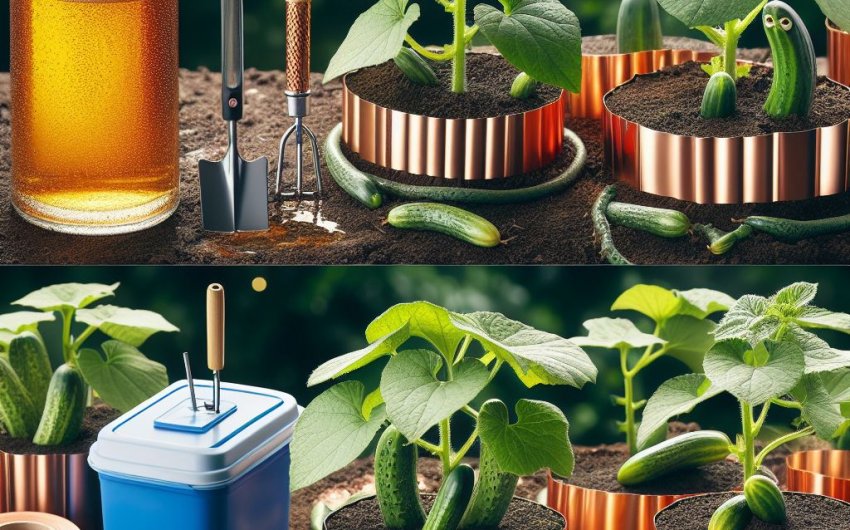
There's little more frustrating for a gardener than watching your precious cucumber plants thrive, only to discover their leaves are suddenly riddled with holes or, even worse, entire seedlings have vanished overnight. Often, the culprits behind this garden sabotage are slugs. These slimy, nocturnal pests can wreak havoc on a variety of plants, and cucumber plants, with their tender leaves and juicy fruits, are unfortunately a favorite target. They munch their way through foliage, leaving tell-tale slime trails as evidence of their destructive feast.
Dealing with slugs in the garden requires a bit of strategy, especially if you prefer organic pest control methods that are safe for your plants, family, and beneficial wildlife. While there are many ways to deter slugs, one of the most effective and low-effort solutions is using slug traps. These traps offer a way to capture and remove slugs without resorting to harsh chemicals. Understanding how different traps work and which ones are most effective can save your cucumber harvest and keep your garden looking its best. Let's explore the best slug trap options to protect your vibrant cucumber plants.
Why Are Slugs Such a Problem for Cucumber Plants?
Slugs are notorious garden pests for several reasons, and cucumber plants are particularly vulnerable to their munching habits.
Tender Foliage and Fruits
- Easy to Eat: Cucumber leaves are relatively soft and succulent, especially when young. This makes them an easy and appealing meal for slugs, whose rasping mouthparts (radulae) are perfectly suited for scraping plant tissue.
- Juicy Produce: As the cucumber fruits develop, their moist, tender skins and flesh also become prime targets for slugs, leading to unsightly holes and damage that can ruin the harvest.
Preferred Environment
- Moisture Lovers: Slugs thrive in moist, damp conditions. Cucumber plants, which often require consistent watering and can create a humid microclimate near the soil due to their broad leaves, provide exactly the kind of environment slugs love.
- Shady Hiding Spots: The large leaves and sprawling habit of cucumber plants offer ample shade and hiding spots during the day, protecting slugs from sun and predators. Mulch, while beneficial for cucumbers, can also inadvertently create more hiding places for slugs.
Nocturnal Habits
- Nighttime Feasting: Slugs are primarily nocturnal. They come out to feed at night, making it difficult for gardeners to spot them in action. You might only discover the damage the next morning, often after the slugs have retreated to their daytime hiding spots.
- Rapid Damage: A few slugs can cause significant damage in a single night, especially to young, vulnerable cucumber seedlings.
Reproductive Rate
- Prolific Breeders: Slugs can lay hundreds of eggs in a season, leading to rapid population growth if not controlled. A small problem can quickly become a major infestation.
What Are the Best DIY Slug Traps for Cucumbers?
Many effective slug traps can be made using simple household items, making them an economical and eco-friendly choice for cucumber plant protection.
Beer Traps: The Classic Choice
Beer traps are perhaps the most famous and widely used DIY slug trap. Slugs are highly attracted to the yeast and fermenting sugars in beer.
- How it Works: Slugs are lured into a container filled with beer, fall in, and drown.
- How to Make It:
- Choose a Container: Use a shallow container, like an empty tuna can, yogurt cup, or a plastic takeaway container.
- Bury It: Dig a small hole near your cucumber plants so that the rim of the container is level with the soil surface. This allows slugs to easily crawl in.
- Fill with Beer: Pour in about 1-2 inches of inexpensive beer. Any type of lager or ale works well; you don't need fancy craft beer.
- Placement: Place multiple traps around your cucumber patch, especially near areas where you've seen slug damage or slime trails.
- Maintenance: Check the traps daily, especially in the morning. Empty drowned slugs and refill with fresh beer every 2-3 days, or more often if it rains or evaporates quickly.
- Pros: Highly effective, uses common household items, non-toxic to plants and soil.
- Cons: Needs frequent refilling, rain can dilute the beer, might attract other beneficial insects if not buried correctly.
Yeast and Sugar Traps: Beer's Alcohol-Free Cousin
If you don't want to use beer, a simple mixture of yeast, sugar, and water can be just as appealing to slugs.
- How it Works: Similar to beer, the fermenting yeast produces an odor that attracts slugs, leading them to fall into the liquid and drown.
- How to Make It:
- Mix Ingredients: In a shallow container (like a plastic bottle cut in half or a jar), mix 1 teaspoon of active dry yeast, 1 teaspoon of sugar, and 1 cup of warm water. Stir until dissolved.
- Bury It: Bury the container so the rim is level with the soil.
- Pour Solution: Pour the yeast solution into the buried container.
- Placement and Maintenance: Same as beer traps.
- Pros: Effective, doesn't require beer, cheap to make.
- Cons: Needs frequent refilling, can be diluted by rain.
Melon Rind Traps: A Simple Bait-and-Collect Method
Slugs are also attracted to decaying organic matter, and melon rinds provide an irresistible invitation.
- How it Works: The sweet, decaying scent of melon attracts slugs, who then congregate underneath the rind. You then collect and dispose of them.
- How to Make It:
- Gather Rinds: Use rinds from cantaloupe, watermelon, or honeydew melons.
- Place Rind: Place the rind, cut-side down, on the soil near your cucumber plants. You can slightly elevate one edge with a small stick to make it easier for slugs to crawl under.
- Placement: Place several rinds throughout your garden where slugs are a problem.
- Maintenance: In the early morning, lift the rind. Slugs will be hiding underneath. Collect them and dispose of them (e.g., drop them in a bucket of soapy water, feed them to chickens, or place them far away from your garden). Replace rinds every day or two.
- Pros: Uses food waste, non-toxic, allows for humane relocation if desired.
- Cons: Requires daily collection, rinds need to be replaced often.
Board or Tile Traps: Daytime Hideouts
Slugs seek out cool, dark, moist places to hide during the day. You can use this behavior to your advantage.
- How it Works: You provide an attractive daytime shelter for slugs, then collect them in the morning.
- How to Make It:
- Choose Material: Use a piece of wood (e.g., a spare plank, plywood), a large flat stone, or an old tile.
- Place Flat: Lay the chosen material flat on the soil surface near your cucumber plants.
- Placement: Position the traps in shaded, slightly moist areas within your garden.
- Maintenance: Every morning, lift the board or tile. Slugs will be clustered on the underside. Scrape them off and dispose of them.
- Pros: Uses readily available materials, no liquid to spill or evaporate, non-toxic.
- Cons: Requires daily collection, less appealing than bait traps.
What Are the Best Commercial Slug Traps for Cucumbers?
For those who prefer a ready-made solution, there are several effective commercial slug traps available that are safe for use around edible plants.
Beer-Based Commercial Traps
Many companies sell variations of the beer trap concept, often with improved designs.
- How it Works: These typically consist of a plastic dome or lidded container with small entry holes at the base. You add beer or a special slug attractant solution. Slugs crawl in and drown.
- Examples: Brands like Tempting Slug Traps or Nippon Slug & Snail Traps offer these types of solutions.
- Pros: Often more durable and reusable than DIY options, some designs protect the bait from rain, less messy to handle than open containers.
- Cons: Requires purchasing the trap and attractant (if not using beer), still needs regular emptying and refilling.
Iron Phosphate Pellets: A Safer Bait Option (Not a Trap in the Traditional Sense)
While not a "trap" in the sense of capturing slugs, iron phosphate baits are an important organic slug control method often used in conjunction with or instead of traditional traps. They are considered very safe for gardens where pets and children might be present.
- How it Works: Slugs eat the iron phosphate pellets, which interfere with their digestive system, causing them to stop feeding and eventually die, often underground, so you don't see dead slugs.
- Examples: Products like Sluggo Slug & Snail Bait or Corry's Slug & Snail Killer use iron phosphate.
- Pros: Highly effective, safe for pets and wildlife (iron phosphate breaks down into iron and phosphate, which are plant nutrients), easy to sprinkle around plants, rain-resistant.
- Cons: Not a physical "trap," so you don't see the slugs you've eliminated, more expensive than DIY traps, needs to be reapplied periodically.
How Do You Maximize the Effectiveness of Slug Traps?
Simply placing a trap isn't always enough. A few strategic considerations can greatly increase your success in protecting your cucumber plants.
Placement is Key
- Near Damage: Place traps directly where you see slug damage on your cucumber plants, or where you've noticed slime trails. This is where slugs are actively feeding.
- Shady, Moist Areas: Slugs prefer cool, damp spots. Place traps in shaded areas, under the leaves of your cucumbers, or near the base of the plants where moisture tends to linger.
- Multiple Traps: Don't rely on just one trap. Use several traps spaced every few feet around the perimeter of your cucumber patch or throughout the affected area.
Timing is Important
- Set Traps in the Evening: Slugs are nocturnal, so set out or refresh your traps just before dusk. This ensures the bait is fresh and most appealing when slugs become active.
- Check in the Morning: Collect and dispose of captured slugs early in the morning before they retreat for the day.
- Consistency: Regularly check and refill/reset traps, especially after rain, which can dilute liquid baits. Consistent effort will yield the best results.
Combine with Other Slug Control Methods
Traps are a great tool, but a multi-pronged approach is often most effective for slug control.
- Hand-Picking: Go out at night with a flashlight and hand-pick slugs. Drop them into a bucket of soapy water. This can quickly reduce numbers.
- Diatomaceous Earth: This is a fine powder made from fossilized algae. It acts as a physical deterrent, dehydrating slugs when they crawl over it. Sprinkle a ring of food-grade diatomaceous earth around your cucumber plants. It needs to be reapplied after rain.
- Copper Barriers: Copper reacts with slug slime, creating an unpleasant electric shock for them. Place copper tape around the base of raised beds or containers where you grow cucumbers. You can find copper slug tape.
- Garden Cleanliness: Remove excess debris, leaf litter, and weeds around your cucumber plants. These provide perfect hiding spots for slugs during the day.
- Watering Practices: Water your cucumber plants in the morning instead of the evening. This allows the soil surface and foliage to dry out before nightfall, making the environment less appealing to slugs.
- Encourage Predators: Attract natural slug predators to your garden, such as ground beetles, frogs, toads, birds, and even garter snakes. Create habitats for them.
What Are Some Common Mistakes to Avoid When Using Slug Traps?
To get the most out of your slug traps and avoid frustration, steer clear of these common pitfalls.
Not Burying Traps Level with the Soil
- The Problem: If your beer or yeast traps are sitting on top of the soil, slugs will have to crawl up and over a lip to get in. While some determined slugs might make it, many will just turn around.
- The Solution: Always dig a small hole so the rim of your liquid traps is flush with the ground. This creates an easy entry point.
Allowing Traps to Dry Out or Become Diluted
- The Problem: Liquid baits lose their effectiveness if they dry out or if rainwater dilutes them. The attractive scent diminishes, and slugs won't be as interested.
- The Solution: Check liquid traps daily. Refill them with fresh bait every 2-3 days, or immediately after a heavy rain.
Using Just One Trap for a Large Area
- The Problem: A single slug trap will only draw slugs from a very limited area. If you have a widespread slug problem, one trap won't make a dent.
- The Solution: Use multiple traps, especially for an entire cucumber patch. Space them out strategically to cover the affected area.
Not Disposing of Slugs Properly
- The Problem: Leaving drowned slugs in the trap for too long can create unpleasant odors and may not be the most effective disposal method. Some slugs might even escape if they don't fully drown.
- The Solution: Empty traps daily. Drowned slugs can be disposed of in a sealed bag in the trash, added to a hot compost pile (though some prefer not to due to potential eggs), or if you have chickens, they might enjoy them.
Relying Solely on Traps for Severe Infestations
- The Problem: While traps are effective, for very heavy slug populations, they might not be enough to control the problem on their own.
- The Solution: Combine traps with other organic slug control methods, such as hand-picking, barrier methods (diatomaceous earth or copper tape), and removing slug hiding spots. A holistic approach is often the key to long-term success in protecting your cucumber plants.