
Can companion planting help deter slugs from attacking my cucumber plants?
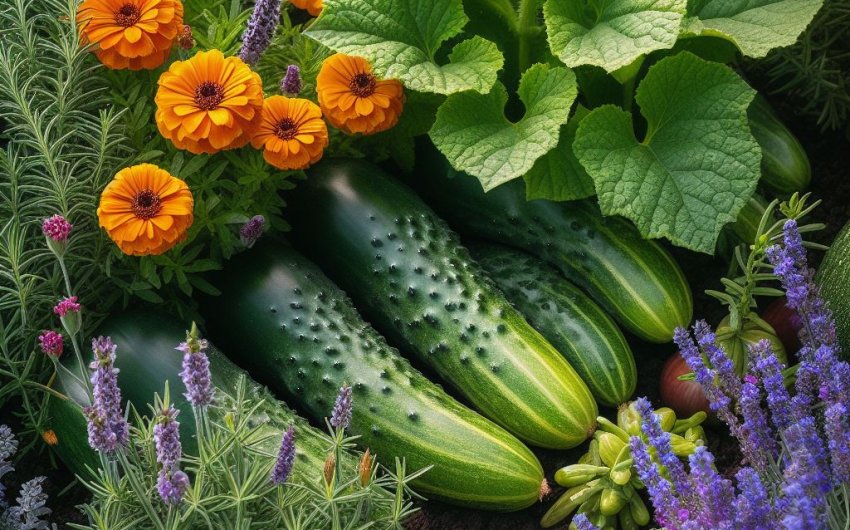
There's nothing quite as frustrating for a gardener as seeing young, tender plants succumb to pests. You nurture your cucumber plants from tiny seeds, watch them sprout, and envision juicy harvests. Then, one morning, you step into the garden and find holes chewed in the leaves, or even entire seedlings gone. This heartbreaking damage is often the work of slugs, those slimy, nocturnal munchers that can decimate a garden overnight. Dealing with them can feel like a constant battle, especially if you prefer natural pest control methods.
Many gardeners turn to organic solutions to protect their precious plants. Among these, companion planting stands out as a promising, eco-friendly strategy. It’s the idea of growing certain plants together because they benefit each other, whether by improving growth, attracting beneficial insects, or deterring pests. But can this age-old wisdom actually help deter slugs from attacking cucumber plants? We'll dive deep into the world of companion planting, exploring specific plant pairings and other natural strategies to keep those slimy pests away from your cucumbers and ensure a bountiful, hole-free harvest.
What is Companion Planting?
Companion planting is an age-old gardening practice that involves strategically planting different types of plants next to or near each other because they are believed to provide mutual benefits. It's about creating a harmonious ecosystem in your garden where plants work together.
What are the Principles Behind Companion Planting?
The benefits of companion planting can be diverse, and while some are scientifically proven, others are based on anecdotal evidence passed down through generations of gardeners.
- Pest Deterrence: This is one of the most common goals. Certain plants can repel pests through their scent, chemicals they release into the soil, or by attracting predatory insects.
- Attracting Beneficial Insects: Some plants produce nectar or pollen that attracts insects that prey on garden pests (e.g., ladybugs, lacewings, parasitic wasps) or act as pollinators.
- Improved Growth and Flavor: Some plant pairings are thought to improve the growth, vigor, or even the flavor of nearby plants, possibly through nutrient sharing, altering soil conditions, or providing microclimates.
- Weed Suppression: Densely planted companion plants can shade the soil, suppressing weed growth.
- Soil Improvement: Certain plants (like legumes) can fix nitrogen from the air into the soil, benefiting nearby plants. Others have deep roots that bring up nutrients from lower soil layers.
- Physical Support: Tall, sturdy plants can provide natural trellises or shade for shorter, more delicate plants.
Is Companion Planting Scientific?
- Some Scientific Backing: Some aspects of companion planting, particularly pest deterrence through strong scents or attracting beneficial insects, have scientific evidence. For example, the use of marigolds to deter nematodes or herbs to mask odors.
- Traditional Knowledge: Many other claims are based on generations of traditional gardening knowledge and observation. While not all are scientifically proven, many gardeners swear by them through practical experience.
For the purpose of deterring slugs from attacking cucumber plants, we'll focus on plants believed to actively repel slugs or interfere with their ability to find host plants. It's a natural, eco-friendly approach that adds diversity and beauty to your garden.
What Are Slugs and Why Do They Attack Cucumber Plants?
To effectively deter slugs from attacking your cucumber plants, it helps to understand who these slimy pests are and why your cucumbers are on their menu.
What are Slugs?
Slugs are gastropods, related to snails but without an external shell. They are nocturnal (active at night) and prefer moist, cool environments.
- Appearance: They are soft-bodied, slimy, and range in color from gray, brown, black, to yellowish. They leave behind a tell-tale silvery slime trail.
- Activity: They hide during the day in cool, damp places (under leaves, mulch, rocks, pots, garden debris) and emerge at night or on cloudy, wet days to feed.
- Diet: Slugs are voracious eaters. They feed on a wide variety of plant material, including leaves, stems, flowers, and fruits, often chewing irregular holes.
Why Do Slugs Love Cucumber Plants?
Cucumber plants are particularly vulnerable to slug damage for several reasons:
- Tender Foliage: Young cucumber seedlings and newly expanded leaves are very tender and succulent, making them an easy and appealing meal for slugs. Slugs prefer soft, young growth.
- Low-Growing Habit: Many cucumber plants initially have a sprawling, low-growing habit (before trellising). This keeps their foliage close to the ground, providing easy access for ground-dwelling slugs.
- Moist Environment: The large leaves of cucumber plants can create shaded, humid conditions at the soil level, which is exactly the kind of moist environment that slugs love to hide and thrive in during the day. This makes the area around your cucumbers a perfect slug habitat.
- Irregular Holes: The damage slugs cause is typically irregular holes in leaves, or chewed edges. For young seedlings, they can sometimes completely consume them down to the stem.
Understanding these reasons helps us realize that preventing slugs from attacking cucumber plants needs a multi-pronged approach, and companion planting is one valuable tool.
What Companion Plants Can Help Deter Slugs from Cucumbers?
Companion planting for slug deterrence relies on two main strategies: plants that slugs dislike (repellents) and plants that attract slugs away from your prized cucumber plants (trap crops).
What are Slug-Repelling Companion Plants?
These plants are thought to deter slugs through their strong scents or compounds that slugs find irritating or unappetizing.
- Herbs with Strong Aromas: Many aromatic herbs are believed to confuse or repel slugs by masking the scent of desirable plants like cucumbers.
- Mint (Mentha spp.): Slugs generally dislike the strong scent of mint. Plant mint around the perimeter of your cucumber patch, but be aware that mint is very aggressive and will spread rapidly. It's best to plant it in pots placed around your cucumbers or in an area with physical barriers to contain its roots. You can find Mint Plant Live.
- Rosemary (Rosmarinus officinalis): Its woody stems and pungent aroma are often disliked by slugs.
- Thyme (Thymus vulgaris): Similar to rosemary, its strong scent and somewhat woody texture can deter slugs.
- Sage (Salvia officinalis): Another aromatic herb with properties believed to deter slugs.
- Chives (Allium schoenoprasum) and Garlic (Allium sativum): Plants from the Allium family are often said to repel slugs due to their sulfurous compounds. Planting a border of chives around your cucumber plants might help. You can buy Garlic Chives Seeds.
- Plants with Rough or Hairy Leaves: Slugs prefer smooth, tender leaves that are easy to rasp. Plants with rough or hairy textures can make locomotion and feeding difficult for them.
- Borage (Borago officinalis): Known for its hairy leaves and beautiful blue flowers. It's often recommended as a companion plant for cucumbers for many reasons, including potentially deterring slugs due to its bristly texture.
- Foxglove (Digitalis purpurea): While poisonous if ingested (keep away from pets/children), its rough leaves are generally not appealing to slugs. (More for ornamental beds than veggie gardens).
- Other Repellents:
- Lavender (Lavandula spp.): The strong, fragrant oils in lavender are often disliked by slugs.
- Marigolds (French Marigolds, Tagetes patula): While mostly known for deterring nematodes, some gardeners claim their strong scent can deter slugs too.
What are Trap Crops?
Trap crops are plants that are more attractive to slugs than your main crop (cucumbers). The idea is to plant them slightly away from your cucumbers to draw the slugs to them instead. You then manage the slugs on the trap crop.
- Lettuce (especially Romaine or leafy varieties): Slugs absolutely love tender lettuce leaves.
- Method: Plant a row of lettuce a few feet away from your cucumber plants. Check the lettuce daily and pick off any slugs you find, or apply slug bait to the lettuce, not your cucumbers.
- Marigolds (African Marigolds, Tagetes erecta): Some large-flowered marigolds are very attractive to slugs.
- Clover: Some types of clover can act as a trap crop, though they can also attract other pests or become a weed.
When implementing companion planting, remember that effectiveness can vary, and it's best used as part of a larger integrated pest management (IPM) strategy.
What Are Other Natural Strategies to Deter Slugs from Cucumbers?
While companion planting is a valuable tool, it's most effective when combined with other natural, non-toxic methods to create a comprehensive slug deterrence plan for your cucumber plants.
How Do You Manage Moisture and Habitat?
Slugs thrive in moist, cool, dark conditions. Reducing these favorable environments is key.
- Water in the Morning: Water your cucumber plants in the early morning instead of evening. This allows the foliage and soil surface to dry out by nightfall when slugs are most active.
- Avoid Overhead Watering: Water at the base of the plant using a soaker hose or Drip Irrigation System. This keeps the leaves and topsoil drier.
- Clear Debris: Remove any fallen leaves, weeds, or other garden debris from around your cucumber plants. These provide perfect hiding spots for slugs during the day.
- Mulch Wisely: While mulch helps retain moisture and suppress weeds, thick, wet layers (especially wood chips or straw) can also be attractive slug habitats. Consider using thinner layers, or mulches that slugs dislike.
What are Physical Barriers?
Creating physical barriers can prevent slugs from reaching your cucumber plants.
- Copper Tape/Wire: Copper reacts with slug slime to create a mild electric shock, deterring them.
- Method: Place a strip of Copper Slug Tape around the rim of containers or around raised beds.
- Limitations: Can be expensive for large areas, and might not work if slugs can bridge over it (e.g., from an overhanging leaf).
- Diatomaceous Earth: A fine powder made from fossilized algae. It works by scratching the waxy coating of slugs and causing them to dehydrate.
- Method: Sprinkle a ring of Diatomaceous Earth (Food Grade)&linkCode=ll2&tag=Diatomaceous+Earth+(Food+Grade)&linkCode=ll2&tag=onlinestorebo-20) around individual plants or the entire bed.
- Limitations: Only effective when dry. Rain or watering washes it away, requiring reapplication. Can also harm beneficial insects if not applied carefully.
- Crushed Eggshells: Some gardeners believe the sharp edges of crushed eggshells deter slugs.
- Method: Create a barrier of crushed eggshells around plants.
- Limitations: Effectiveness is debated, and they can break down quickly.
- Raised Beds: Planting cucumbers in raised beds can make it slightly harder for slugs to access them, especially if the sides of the bed are relatively smooth or protected.
What About Trapping Methods?
- Beer Traps: Slugs are attracted to the yeast in beer.
- Method: Bury shallow dishes (like tuna cans) level with the soil near your cucumber plants. Fill with beer (cheap lager works fine). Slugs crawl in and drown.
- Maintenance: Check and empty traps daily, refilling as needed.
- Overturned Pots/Melon Rinds: Create hiding spots during the day.
- Method: Place overturned flower pots or grapefruit/melon rinds near affected plants. Slugs will hide inside. In the morning, simply lift the trap and collect/dispose of the slugs.
By combining these natural strategies, you create a less appealing environment for slugs, reducing their numbers and protecting your cucumber plants.
What About Hand-Picking and Biological Controls for Slugs?
For a comprehensive natural slug deterrence strategy for your cucumber plants, don't underestimate the effectiveness of direct removal and encouraging natural predators.
How Effective is Hand-Picking Slugs?
This is perhaps the most direct and satisfying method for slug control.
- When: Slugs are nocturnal. Go out at night, especially after rain, with a flashlight. You'll also find them in the early morning.
- Method: Simply pick them off your plants (and from under debris or traps) and drop them into a bucket of soapy water. The soap breaks down their slime coating and drowns them.
- Consistency: Daily hand-picking is surprisingly effective for reducing slug populations, especially in smaller gardens. It’s gross but works!
- Benefits: No chemicals, immediate removal, highly targeted.
What About Encouraging Natural Predators?
Creating a balanced garden ecosystem means welcoming creatures that naturally prey on slugs.
- Birds: Many birds, like thrushes, blackbirds, robins, and starlings, eat slugs.
- How to Encourage: Provide bird feeders (Outdoor Bird Feeders), bird baths, and plant berry-producing shrubs to attract them to your garden.
- Frogs and Toads: These amphibians are voracious slug eaters.
- How to Encourage: Create a shallow pond or a "toad abode" (an overturned pot with a piece broken out for entry) in a damp, shady spot.
- Ground Beetles: These nocturnal beetles are natural predators of slugs and their eggs.
- How to Encourage: Avoid broad-spectrum pesticides that kill them. Provide ground cover, rocks, and logs for shelter.
- Hedgehogs (if applicable in your region): In areas where hedgehogs are native, they are excellent slug control agents.
- How to Encourage: Provide log piles or hedgehog houses for shelter.
- Ducks (Domestic): Certain breeds of ducks (e.g., Khaki Campbell, Indian Runner ducks) are fantastic slug eaters.
- Considerations: Only practical for larger gardens where ducks can be managed and contained. Requires significant commitment.
What About Iron Phosphate Slug Baits?
These are considered safe for pets and wildlife (when used as directed) and are an organic control method for severe slug problems.
- How they Work: The active ingredient, iron phosphate, is naturally occurring. Slugs are attracted to the bait, consume it, and then stop feeding and die within a few days.
- Benefits: Non-toxic to pets, birds, and other wildlife (unlike traditional metaldehyde baits). Breaks down naturally in the soil.
- Method: Sprinkle Iron Phosphate Slug Bait around affected plants or as a perimeter barrier.
- Considerations: Best applied in the evening, as slugs are nocturnal. Reapply after heavy rain.
By combining hand-picking, encouraging natural predators, and using targeted organic baits when necessary, you can achieve effective slug deterrence for your cucumber plants and maintain a healthy, productive garden without resorting to harsh chemicals.
How to Integrate Companion Planting and Other Strategies for Cucumbers?
The most successful approach to protecting your cucumber plants from slugs involves an integrated strategy, combining companion planting with other natural methods.
How to Design Your Cucumber Planting Area?
- Site Selection: Choose a sunny spot for your cucumbers as they need full sun (6-8 hours). This also helps dry the soil surface and foliage faster, which slugs dislike.
- Vertical Growth: Train your cucumber plants to grow vertically on a trellis, cage, or stakes.
- Benefits: Gets the tender leaves and developing fruits off the ground, making them harder for slugs to reach. Improves air circulation around the plants, reducing moisture build-up that slugs love. You can use a sturdy Cucumber Trellis.
- Raised Beds: Planting cucumbers in Raised Garden Beds can offer a slight barrier, especially if you also apply copper tape around the perimeter.
How to Incorporate Companion Planting Effectively?
- Perimeter Planting: Plant slug-repelling herbs like Mint (in contained pots), Chives, or Rosemary around the perimeter of your cucumber patch. The idea is to create a "scent barrier."
- Interplanting: Interplant Borage among your cucumber plants. Borage is not only thought to deter slugs due to its hairy leaves, but it also attracts pollinators and is a good companion for cucumbers in general.
- Trap Crop Zone: Designate a small area a few feet away from your main cucumber plants for a trap crop like lettuce. This will be your sacrificial zone.
- Monitoring: Regularly check this trap zone for slugs. It's easier to manage the slugs when they are concentrated here.
- Management: Hand-pick slugs from the trap crop, or apply a targeted sprinkle of iron phosphate slug bait only on the trap crop.
What About Mulch Choices?
- Avoid Wet Mulches: While mulch is beneficial, avoid very thick, constantly wet organic mulches (like straw or wood chips) directly around young cucumber plants in areas with high slug pressure. These provide ideal slug hiding spots.
- Consider Rougher Mulches: Some gardeners experiment with mulches that slugs dislike moving across, such as sharp gravel, coarse sand, or even coffee grounds (though coffee grounds break down quickly and may need frequent reapplication).
What is the Importance of Sanitation?
- Regular Cleanup: Keep your garden incredibly clean. Remove all fallen leaves, spent plant debris, weeds, and any other hiding spots that slugs might use. This is especially critical around your cucumber plants.
- Evening Checks: During times of active slug pressure, make an evening trip to your garden with a flashlight for a quick inspection and hand-picking session.
By thoughtfully integrating companion planting with smart garden design, moisture management, hand-picking, and other natural controls, you can significantly reduce slug damage and ensure a thriving, productive harvest from your cucumber plants. This holistic approach is the key to natural pest management in your garden.