
Are there natural remedies to control slugs in my cucumber patch?
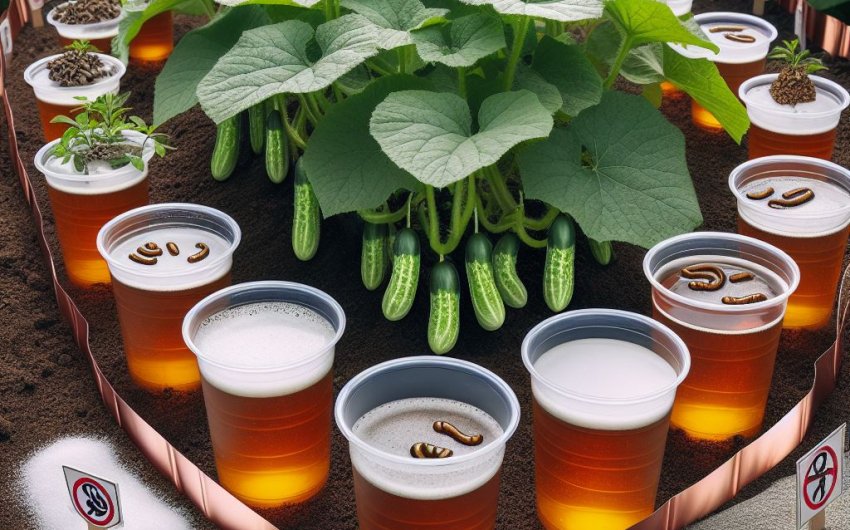
You walk into your garden, eager to check on your growing cucumber patch. The leaves are broad and green, and tiny cucumbers are starting to form. But then, you see them – shiny, slimy trails winding across the leaves and the soil. Your heart sinks as you spot the culprits: slugs. These soft-bodied pests love cool, moist conditions, and your tender cucumber plants are an irresistible feast. They munch on leaves, stems, and even the young fruit, leaving behind ragged holes and a path of destruction. It’s frustrating to see all your hard work threatened by these nocturnal invaders. You want to protect your harvest, but you're hesitant to use harsh chemicals, especially on something you're going to eat. This leads many gardeners to wonder: are there ways to get rid of slugs naturally?
Dealing with slugs doesn't have to mean resorting to synthetic pesticides. There's a whole world of natural remedies that can help you control these garden nuisances, keeping your cucumber plants healthy and your harvest abundant. These methods often work by creating barriers, disrupting their environment, or attracting their predators. The key is to be consistent and to use a combination of strategies. Slugs are persistent, but with a bit of knowledge and effort, you can turn the tide in your garden. Let’s explore some effective and organic slug control methods that are safe for your plants, your family, and the environment.
Do Physical Barriers Really Stop Slugs?
Yes, physical barriers can be quite effective in deterring slugs. Slugs move by gliding on a layer of slime, and anything that makes this movement difficult or uncomfortable can turn them away. Think of it like creating a moat around your precious cucumber plants. These barriers don’t kill the slugs, but they make it harder for them to reach your plants in the first place.
How Can Copper Be Used as a Slug Barrier?
Copper is a fascinating and effective slug deterrent. When a slug touches copper, it creates a small, harmless electrical charge, similar to a tiny static shock. This sensation is unpleasant for the slug, causing it to retreat. You can find copper slug tape that has an adhesive backing, making it easy to apply directly to the rims of raised beds or around the base of individual plants. For instance, you could use Garden Safe Slug & Snail Copper Barrier Tape around your cucumber containers.
You can also use larger pieces of copper sheeting if you have a more extensive area to protect. Just make sure the copper is clean and bright for the best results. Over time, copper can tarnish, so it's a good idea to periodically wipe it clean to ensure it remains effective. This method is especially good for protecting isolated plants or small groups of plants where slugs are a persistent problem. It’s a long-lasting solution once installed properly.
Are Crushed Eggshells Effective Slug Deterrents?
Many gardeners swear by crushed eggshells as a natural slug deterrent. The idea is that the sharp edges of the eggshells are uncomfortable for slugs to crawl over, essentially cutting their soft bodies. To use them, simply collect your eggshells, wash them, let them dry, and then crush them into small pieces. You don't need them to be a fine powder; irregular, sharp bits are best.
Once crushed, sprinkle a generous ring of eggshells around the base of your cucumber plants. Create a barrier that is at least an inch or two wide. The theory is that slugs will encounter this abrasive material and turn back. While some gardeners report great success, others find it less effective, especially in very wet conditions where the sharp edges might soften. It’s a low-cost, readily available option, so it's worth trying, especially since it also adds a bit of calcium to your soil as it breaks down.
Can Diatomaceous Earth Be Used to Control Slugs?
Diatomaceous earth (DE) is another popular natural slug control method. It's a fine powder made from the fossilized remains of tiny aquatic organisms called diatoms. On a microscopic level, DE particles are very sharp and abrasive. When slugs crawl over it, the tiny, sharp edges cut their protective outer layer, causing them to dehydrate and die.
When using diatomaceous earth for slugs, make sure you get food-grade diatomaceous earth, which is safe for use around food crops and pets. Products like Harris Diatomaceous Earth Food Grade are good options. Apply a dry, continuous barrier around your cucumber plants or directly over areas where slugs are active. The key is that the DE needs to remain dry to be effective. Once it gets wet, it loses its abrasive quality and becomes less useful until it dries out again. This means you might need to reapply it after rain or heavy dew. Wear a mask when applying DE to avoid inhaling the fine dust.
What About Sand and Other Sharp Materials?
Similar to eggshells, other sharp, gritty materials are sometimes suggested as slug barriers. Coarse sand or even wood ashes can be sprinkled around plants. The principle is the same: the abrasive texture makes it uncomfortable for slugs to glide across.
Sand can be effective if it’s coarse enough. A fine, play sand won't do much, but a sharper, construction-grade sand might deter them. However, sand can also get washed away by rain, reducing its effectiveness. Wood ashes from a fireplace can also be used, but be careful not to use too much, as they can raise the pH of your soil significantly, which might not be ideal for cucumber plants that prefer slightly acidic to neutral soil. Use wood ash sparingly and monitor your soil pH if you choose this method. All these physical barriers rely on slugs avoiding the unpleasant surface, rather than killing them, making them a good preventative measure.
Do Organic Baits and Traps Work for Slug Control?
While barriers aim to keep slugs out, organic baits and traps are designed to attract and then eliminate them. These methods can be very effective, especially if you have a large slug population or if you want to reduce their numbers quickly.
How Are Beer Traps Used to Catch Slugs?
Beer traps are one of the most classic and widely used natural slug remedies. Slugs are highly attracted to the yeast in beer. They crawl into the trap, fall in, and drown. To make a beer trap, you'll need a shallow container, like an old yogurt cup, tuna can, or a specialized slug beer trap.
Bury the container in the soil near your cucumber plants so that the rim is at ground level. Fill it about halfway with inexpensive beer. Check the traps daily, empty them of drowned slugs, and refill with fresh beer. You might be surprised at how many slugs you catch! For best results, place several traps throughout your cucumber patch. Some gardeners find that flat, stale beer works just as well as fresh beer, and it's a good way to use up leftover brew.
Are There Slug Baits Safe for Organic Gardens?
Yes, there are organic slug baits available that are safe for use in your garden, even around edibles like cucumbers. The most common type of organic slug bait uses iron phosphate as its active ingredient. Iron phosphate is naturally occurring and is a mineral slugs cannot tolerate. When slugs eat bait containing iron phosphate, they stop feeding and die, but it’s harmless to pets, wildlife, and humans.
Look for products labeled as organic slug and snail bait that list iron phosphate as the active ingredient. Examples include Sluggo Plus Slug & Snail Killer. These baits come in pellet form and are sprinkled around the base of your cucumber plants or in areas where slugs are active. It’s important to apply them when the ground is moist but not soaking wet, as moisture can help attract the slugs to the bait. Reapply after heavy rain or after a few weeks to maintain effectiveness.
Can Hand-Picking Slugs Be Effective?
While it might not be the most glamorous task, hand-picking slugs is a surprisingly effective and highly organic method, especially if you have a smaller cucumber patch or a manageable slug problem. Slugs are primarily nocturnal, meaning they are most active at night.
The best time to go slug hunting is after dark, typically an hour or two after sunset, or early in the morning when dew is still on the plants. Arm yourself with a flashlight and a bucket of soapy water or a plastic bag. Simply pick up the slugs and drop them into the soapy water, which will kill them. If you prefer not to touch them directly, you can use gloves or even tongs. Regular hand-picking can significantly reduce the slug population in your garden over time, and it gives you a direct understanding of how severe your slug problem is. It’s labor-intensive but completely free and chemical-free.
Can Companion Planting Help Deter Slugs?
Companion planting is a natural gardening strategy where you grow different plants together for mutual benefit. Some plants can deter pests, attract beneficial insects, or improve soil health. When it comes to slug control, certain plants have properties that slugs dislike, making them good companions for your cucumber plants.
What Plants Deter Slugs from Cucumbers?
Some plants act as natural slug repellents due to their strong scents, bitter taste, or irritating properties. Planting these strategically around your cucumber patch can create a less inviting environment for slugs.
Consider planting herbs like rosemary, mint (be careful, mint can spread aggressively, so consider planting it in a pot near your cucumbers), thyme, and sage. Slugs generally dislike their strong aromatic oils. Garlic and chives are also known to deter slugs. You could plant rows of chives or garlic cloves along the edges of your cucumber beds.
Another group of plants that can deter slugs are those with a rough or hairy texture that slugs find unpleasant to crawl over. Some gardeners report success with plants like lamb's ear. While not directly planted among the cucumbers, a border of these could potentially make slugs think twice before entering the main patch.
Do Aromatic Herbs Really Repel Slugs?
Yes, aromatic herbs can indeed act as natural slug repellents. The strong, often pungent smells emitted by these plants are believed to be off-putting to slugs, making them less likely to venture near your valuable cucumber plants. Slugs navigate and find food largely through smell, so an unpleasant aroma can disrupt their foraging efforts.
For example, planting marigolds (specifically French marigolds) around your cucumber patch is a popular choice. While some research suggests marigolds are more effective against nematodes, many gardeners still use them as a general pest deterrent, and some anecdotal evidence points to their success against slugs. Their strong scent is often cited as the reason. Similarly, fennel and anise are sometimes used for their strong aromas. The key with aromatic herbs is to plant them densely enough to create a strong scent barrier around the area you want to protect. Remember, this isn't a guarantee that every slug will be repelled, but it can significantly reduce their presence.
How Do Beneficial Organisms Control Slugs?
One of the most effective and truly natural slug control methods is to encourage the presence of beneficial organisms in your garden. These are the natural predators of slugs and snails, and by creating a welcoming environment for them, you can let nature do the work for you.
What Are Natural Predators of Slugs?
Many creatures in your garden consider slugs a tasty meal. By attracting and protecting these natural slug predators, you can establish a living defense system for your cucumber plants.
Ground beetles are excellent slug hunters. These dark, fast-moving beetles are nocturnal and will actively search for slugs to eat. Creating habitat for them, such as leaving undisturbed areas or providing flat stones they can hide under, can encourage their presence.
Toads and frogs are also voracious slug eaters. If you have a moist corner in your garden or a small pond, you might attract these amphibians. Providing them with shady, damp hiding spots will encourage them to stick around.
Birds, especially thrushes, blackbirds, and ducks (if you have them free-ranging), will happily feast on slugs. Encouraging birds by providing bird baths and bird feeders (away from your garden plants) can bring them into your yard.
Some species of snakes and even hedgehogs (where present) are also known to eat slugs. Creating a diverse and healthy garden ecosystem is key to attracting a wide range of these beneficial slug predators.
Can Nematodes Be Used for Slug Control?
Yes, beneficial nematodes can be a very effective and organic solution for slug control. These are microscopic, non-segmented worms that are naturally found in soil. Specific types of nematodes, such as Phasmarhabditis hermaphrodita, are parasitic to slugs. When applied to the soil, these nematodes actively seek out slugs, enter their bodies, and release bacteria that kill the slugs. The slugs then decompose, and the nematodes reproduce, continuing to control the slug population.
You can purchase beneficial nematodes for slugs from garden supply stores or online. For example, NemaSlug Slug Killer is a well-known product. They typically come in a sponge or powder form that you mix with water and then apply to the soil using a watering can. It's crucial to apply them in moist soil and when temperatures are mild, as extreme heat or dryness can kill the nematodes. Once applied, they work discreetly underground, targeting the slugs where they live and breed. This method is highly specific to slugs and snails and does not harm other garden inhabitants, pets, or humans. It's a truly natural remedy that leverages the power of nature itself.
How Does Garden Maintenance Influence Slug Populations?
Your regular garden maintenance practices play a huge role in how many slugs you have. Slugs thrive in certain conditions, and by altering those conditions, you can make your cucumber patch a less hospitable place for them.
Does Proper Watering Help Reduce Slugs?
Absolutely, proper watering is critical for slug control. Slugs need moisture to survive and move around. They are most active in damp conditions. If your garden is consistently wet, especially overnight, you'll be creating a perfect environment for them.
To minimize moisture that attracts slugs to your cucumber plants, consider watering in the morning rather than the evening. This allows the sun and air to dry out the leaves and soil surface before nightfall, when slugs are most active. Overhead watering that wets the foliage can also create ideal slug conditions. Instead, try drip irrigation or soaker hoses. These methods deliver water directly to the plant roots, keeping the leaves and the soil surface drier. This not only conserves water but also makes your cucumber patch less appealing to slugs looking for a damp playground. Avoid overwatering your plants, as consistently soggy soil can also attract slugs and contribute to other plant problems.
How Can Removing Debris Affect Slug Numbers?
Removing garden debris is one of the simplest yet most effective natural slug control strategies. Slugs love to hide in cool, damp, dark places during the day, and garden clutter provides exactly that. This includes fallen leaves, weeds, old mulch, discarded pots, and any other organic material lying on the ground.
By regularly cleaning up your garden, especially around your cucumber plants, you eliminate these hiding spots. This forces slugs to seek shelter elsewhere, or it exposes them to drying conditions and predators during the day, making them more vulnerable. Keep the area around the base of your plants clear. If you use mulch (which can provide good slug habitat), consider pulling it back slightly from the plant stems or using a slug-deterring mulch as discussed later. A tidy garden is a less slug-friendly garden.
Does Mulch Type Matter for Slug Control?
Yes, the type of mulch you use can definitely influence slug populations. While mulch is beneficial for retaining soil moisture and suppressing weeds, some mulches can create ideal hiding and breeding grounds for slugs.
Heavy, thick layers of organic mulches like straw or wood chips can hold a lot of moisture, providing slugs with damp, cool shelters during the day. If you have a serious slug problem, you might want to reconsider using these types of mulches directly around your cucumber plants or apply them more thinly.
Alternatively, you can choose mulches that slugs dislike. As mentioned earlier, crushed eggshells or diatomaceous earth can be used as a top layer of mulch. Some gardeners also report success with pine needles, which have a somewhat prickly texture and acidify the soil slightly (which cucumbers generally tolerate well). Others use sharp gravel or coarse sand directly around the plant base as a slug-deterring mulch. If you prefer traditional organic mulches, just ensure the layer isn't excessively thick and consider pulling it back from the immediate base of your plants to create a dry zone. Regularly turning over your mulch can also expose slugs to the sun and predators.
Are There Any Home Remedies or Sprays for Slugs?
Many gardeners look for quick fixes or simple home remedies to combat slugs. While some DIY solutions can offer temporary relief, their effectiveness varies, and consistency is often key.
Can Coffee Grounds Be Used to Deter Slugs?
Coffee grounds are a popular suggestion for natural slug control. The theory is that the caffeine in coffee is toxic to slugs, and the gritty texture of the grounds can also act as a physical barrier. To use them, simply sprinkle a ring of used coffee grounds around the base of your cucumber plants.
Some studies have shown that caffeine can indeed be harmful to slugs, but the concentration in used coffee grounds might not be high enough to be consistently effective at killing them. It's more likely to act as a mild deterrent or a physical barrier, similar to eggshells. The texture might be unpleasant for slugs to crawl over, and the slight acidity might also be off-putting. It’s a free and readily available resource for coffee drinkers, and it adds some nitrogen to the soil as it breaks down, so it's a worthwhile experiment if you have them. Just like diatomaceous earth, coffee grounds will lose some of their effectiveness once they get wet and compacted.
Do Salt or Vinegar Sprays Work on Slugs?
While salt and vinegar are known to kill slugs on contact, they are generally not recommended as slug control methods for your cucumber patch.
Salt dehydrates slugs very quickly, causing them to shrivel and die. However, salt is also very harmful to your plants and your soil. Even a small amount of salt can damage or kill your cucumber plants by drawing water out of their roots, and it can build up in the soil, making it infertile for future plantings. It's a quick kill, but at a high cost to your garden's health.
Vinegar (acetic acid) works similarly, by dissolving the slug's outer protective layer. Like salt, vinegar can significantly alter the soil pH and damage plant tissue. Spraying vinegar directly on your cucumber plants to kill slugs will likely also burn your plant leaves and potentially harm the soil.
These methods are best avoided for general garden use. If you absolutely must use them, only apply them directly onto individual slugs you find away from your plants, and be extremely careful not to get any on your soil or foliage. For natural slug control, stick to the safer methods that won't harm your precious cucumber plants or the long-term health of your garden.
Are Garlic Sprays Effective as Slug Repellents?
Garlic sprays are often cited as a natural slug repellent. The strong odor of garlic is believed to deter slugs. To make a simple garlic spray, you can crush several cloves of garlic, steep them in hot water for a few hours (or overnight), strain out the solids, and then dilute the liquid with more water. You can also add a tiny amount of liquid soap as a "sticker" to help the spray adhere to the plant leaves.
Spray this mixture directly onto your cucumber plant leaves and stems where slugs are feeding. While some gardeners report success with garlic spray as a deterrent, its effectiveness can vary. It primarily acts as a repellent rather than a killer. You will likely need to reapply the spray frequently, especially after rain or heavy watering, as the active compounds can wash away. It’s a safe, non-toxic option to try, especially as part of an integrated approach to natural slug control. The key is consistency in application to maintain a deterrent barrier.