
What are the signs that my cucumber plants are being damaged by slugs?
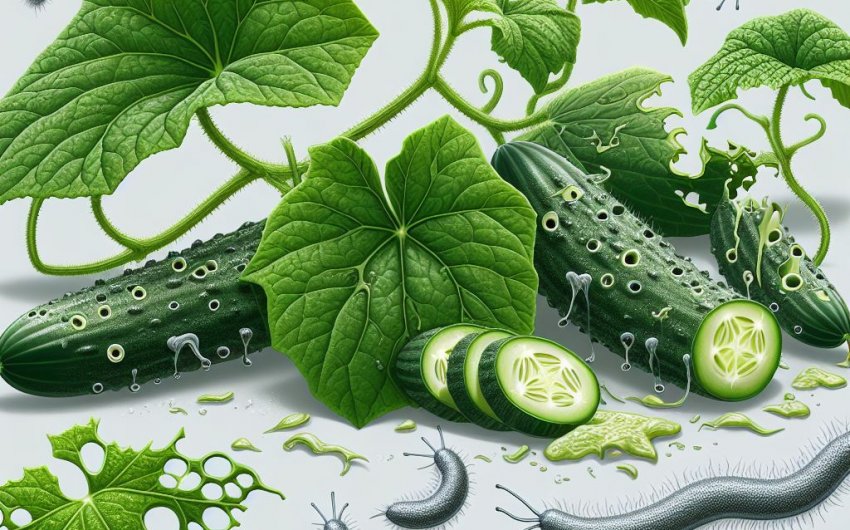
You've nurtured your cucumber plants from tiny seeds, watching them grow into lush vines. You anticipate a summer filled with crisp, refreshing harvests. Then, one morning, you step into your garden and a disheartening sight greets you: leaves with mysterious holes, tender seedlings gone, and sometimes, even damage on the young fruits themselves. You suspect pests, but the culprits are nowhere in sight. The invisible culprits behind this nighttime destruction are often slugs.
Slugs are notorious for their stealthy, nocturnal habits. They feast under the cover of darkness, leaving their tell-tale marks behind as evidence. Knowing precisely what are the signs that my cucumber plants are being damaged by slugs is crucial for early detection and effective intervention. Identifying their specific damage patterns helps you distinguish them from other pests, allowing you to launch targeted control strategies when these slimy invaders are most active.
This guide will demystify the indicators of slug damage in your cucumber garden. We'll provide clear identification tips for their unique feeding patterns and the unmistakable traces they leave behind. Get ready to become a plant detective, accurately diagnose your slug problem, and protect your precious cucumber harvest from these elusive, slimy pests!
Understanding Slugs and Their Preferred Targets
Before we dive into the specific signs of damage, let's quickly review what makes slugs so attracted to your cucumber plants and why their activity tends to be hidden from plain sight. This understanding is key to identifying their impact.
1. Slugs: Moist, Nocturnal Mollusks
- Appearance: Slugs are soft-bodied, shell-less gastropods. They come in various shades of gray, brown, black, or even spotted. They range in size from tiny to several inches long.
- Need for Moisture: Their bodies are mostly water, and they lose moisture rapidly through their skin. This makes them highly dependent on damp environments. They avoid direct sun and dry conditions.
- Nocturnal Habits: This is why you rarely see them during the day. They are primarily active at night or on very overcast, rainy days when conditions are cool and moist. During the day, they hide in damp, dark places.
2. Why Cucumbers Are a Favorite Feast
Cucumber plants are particularly vulnerable to slugs due to several characteristics:
- Tender Foliage: Slugs have a preference for young, soft, and tender plant tissue. Cucumber seedlings and young leaves are very succulent and easy for slugs to rasp and chew.
- Ground-Level Growth: Many cucumber varieties, if not trellised, sprawl along the ground. This keeps their leaves and young fruits in direct contact with the damp soil surface where slugs reside and travel.
- Juicy Fruits: Young, developing cucumber fruits also provide a soft, moist, and appealing food source for slugs.
3. Their Habitat Preferences in the Garden
Slugs thrive in areas that offer consistent moisture and shelter:
- Mulch: A thick layer of organic mulch (straw, leaves, wood chips) around plants can create ideal damp, cool hiding spots.
- Plant Debris: Fallen leaves, spent plant material, and weeds provide excellent cover.
- Rocks and Logs: These offer cool, damp refuges.
- Dense Foliage: Overgrown or overcrowded plants create a humid, shady microclimate perfect for slugs.
Understanding these preferences is crucial. Knowing where slugs hide and why they love your cucumbers will make you a more effective detective in identifying what are the signs that my cucumber plants are being damaged by slugs.
The Tell-Tale Signs: What Slug Damage Looks Like on Cucumber Plants
If you suspect slugs are the culprits in your cucumber garden, look for these distinct and unmistakable signs. These indicators are left behind during their nocturnal feasts.
1. Irregular Holes with Smooth Edges on Leaves
- Appearance: This is the most classic and common sign of slug (and snail) damage. You'll find holes chewed into the leaves of your cucumber plants.
- Key Characteristics:
- Irregular Shape: Unlike caterpillars (which might leave more uniform holes or skeletonize leaves), slug holes are typically random, asymmetrical, and often look like a jagged bite has been taken out.
- Smooth Edges: The edges of these holes will be smooth and clean, not ragged, frayed, or chewed-looking like those left by caterpillars or some beetles. Slugs use a rasping motion with their radula (a ribbon-like structure with teeth).
- Favorite Targets: The damage often appears first on young, tender leaves and especially on the lower leaves closest to the ground. In severe cases, large portions of leaves can be eaten away.
2. Disappearing Seedlings (Especially Overnight)
- Appearance: This is a heartbreaking sign for any gardener. You've just planted small cucumber seedlings or they've just germinated, and then suddenly, entire young plants vanish overnight, seemingly eaten right down to the ground.
- Why it Happens: Slugs are notorious for devouring very tender, succulent seedlings in a single night. Their small size makes them incredibly vulnerable.
- Confirmation: Look for tiny slime trails (see next point) near the vanished seedlings for definitive proof.
3. The Unmistakable Slime Trails (The "Smoking Gun"!)
This is the most definitive and unique sign of slug (or snail) activity. It's the smoking gun that confirms their presence.
- Appearance: Silvery, iridescent, and often dried mucus trails. They look like a shiny, narrow ribbon of dried slime.
- Where to Find Them: Look for these trails on:
- Leaves: Both the top and undersides of leaves.
- Stems: Crawling along the stems of your cucumber plants.
- Soil Surface: On the soil directly around the plants.
- Hardscaping: On the edges of raised beds, on garden paths, rocks, or nearby wooden structures (like trellises).
- Directly on Cucumbers: On the skin of fruits that have been damaged.
- When to Look: They are often most visible in the early morning dew or after a light rain, before the sun has a chance to dry them out completely. A flashlight at night will also reveal fresh, wet trails.
4. Damage to Developing Cucumber Fruits
- Appearance: As the cucumber fruits begin to form and mature, slugs can crawl onto them and rasp or chew shallow, irregular gouges or depressions into the skin.
- Impact: This damage is unsightly, can compromise the fruit's integrity (leading to rot), and makes the fruits unmarketable. This is particularly frustrating after all the effort to grow them.
5. Chewed Edges on Leaves
- Appearance: Instead of holes in the middle, you might see slugs feeding from the edges of leaves, leaving a scalloped or notched appearance along the leaf margins.
6. Presence of Frass (Less Common but Possible)
- While more common with caterpillars, slugs do produce tiny, dark, pellet-like droppings (frass). If you see these along with slime trails and damage, it further confirms slug presence.
By actively looking for these distinctive signs, especially the combination of irregular holes with smooth edges and the undeniable slime trails (checking during their nocturnal peak activity times helps confirm this), you can accurately confirm that your cucumber plants are being damaged by slugs and launch effective control strategies.
Distinguishing Slug Damage from Other Pests on Cucumbers
Knowing what are the signs that my cucumber plants are being damaged by slugs is crucial, but it's equally important to distinguish their damage from that of other common garden pests. Misidentifying the culprit can lead to ineffective control strategies and wasted effort.
1. From Caterpillars (e.g., Cucumber Worms)
- Slug Damage:
- Holes: Irregular holes, smooth edges.
- Location: Often lower leaves first, but can climb.
- Key Sign: SLIME TRAILS (always present).
- Frass: Tiny, often hard, dark pellets (less obvious than caterpillar frass).
- Caterpillar Damage:
- Holes: Irregular holes, but often with ragged, chewed, or serrated edges. Some caterpillars skeletonize leaves (eating green tissue, leaving veins).
- Presence: You'll usually find the caterpillars themselves (ranging in size, various colors) on the leaves or stems, often on the undersides.
- Frass: Larger, more noticeable, cylindrical pellets (caterpillar poop).
- Key Sign: NO SLIME TRAILS.
- Control Difference: Slugs respond to baits and barriers. Caterpillars respond to hand-picking or specific insecticides like Bt (Bacillus thuringiensis).
2. From Grasshoppers
- Slug Damage: (See above)
- Grasshopper Damage:
- Holes: Irregular holes, but often larger and more ragged. Grasshoppers are very messy eaters.
- Location: Can feed anywhere on the plant, often on outer edges of leaves.
- Presence: You'll usually see the grasshoppers themselves, especially in sunny, dry conditions, or hear them jumping away.
- Key Sign: No slime trails.
3. From Flea Beetles
- Slug Damage: (See above)
- Flea Beetle Damage:
- Holes: Very small, shotgun-like holes (pin-prick size), giving leaves a "shothole" or "sieve" appearance.
- Presence: Tiny (1/16 to 1/8 inch), dark, shiny beetles that jump like fleas when disturbed.
- Key Sign: Characteristic tiny holes and jumping behavior; no slime trails.
- Control Difference: Flea beetles respond to row covers or specific insecticidal dusts.
4. From Cucumber Beetles (Spotted and Striped)
- Slug Damage: (See above)
- Cucumber Beetle Damage:
- Holes: Chewed holes in leaves (often similar to slug holes but without slime). Can also chew on young fruits, stems, and flowers.
- Presence: You will see the beetles themselves – yellow with black spots or stripes (about 1/4 inch long).
- Key Sign: The presence of the beetles and no slime trails. They are also carriers of bacterial wilt, a serious disease.
- Control Difference: Beetles respond to hand-picking, row covers, or specific insecticides.
5. From Disease (e.g., Anthracnose, Bacterial Wilt)
- Slug Damage: (See above)
- Disease Symptoms:
- Spots: Often circular or angular spots with distinct margins, discoloration (yellowing, browning) that is part of the leaf tissue itself, not chewed out.
- Wilting: Overall plant wilting, often without visible damage (like bacterial wilt).
- No physical holes from chewing.
- No slime trails.
- Key Sign: Symptoms are systemic (within the plant tissue) rather than physical chewing. No slime trails.
- Control Difference: Diseases respond to fungicides (for fungal diseases), sanitation, and resistant varieties.
By carefully observing the type of holes, the presence or absence of slime trails, and whether you can spot the actual pest during their active times, you can accurately determine if your cucumber plants are being damaged by slugs or another garden invader, leading to more effective and targeted control strategies.
Effective Strategies to Control Slugs on Cucumber Plants
Once you've confirmed that slugs are damaging your cucumber plants, it's time to implement targeted control strategies. The most effective approach is often a combination of methods, designed to capitalize on their nocturnal habits and reduce their appeal to your garden.
1. Nighttime/Early Morning Patrol (The Most Direct Control)
- When to Do It: This is when slugs are most active. Go out about 1-2 hours after sunset with a flashlight, or in the early morning while dew is still present.
- How: Look for slugs on leaves, stems, soil surface, and especially on the undersides of leaves.
- Removal: Pick them off by hand (wearing gardening gloves) and drop them into a bucket of soapy water (they will drown), or place them far away from your garden.
- Frequency: Repeat nightly for several days to significantly reduce populations, then regularly as needed. This is the simplest and most eco-friendly method.
2. Trap Cropping and Lure Traps
- Trap Cropping: Plant other plants that slugs prefer even more than cucumbers nearby, acting as a decoy.
- Examples: Plant a few marigolds (especially French marigolds), lettuce, or cabbage leaves near your cucumbers. Slugs will be drawn to these.
- How to Use: In the morning, check your trap crop and easily hand-pick the slugs congregated there.
- Beer Traps: A classic and effective lure.
- How it Works: Slugs are attracted to the yeast in beer.
- Setup: Bury shallow dishes (like tuna cans or plastic yogurt cups) so their rims are level with the soil surface near your cucumber plants. Fill with cheap beer.
- Maintenance: Place in the evening. Check and empty daily, refilling as needed.
- Overturned Citrus Rinds: Place grapefruit or orange rinds upside down (after eating the fruit) near plants. Slugs will hide underneath during the day. Collect and dispose of in the morning.
- Wet Newspaper/Cardboard: Lay down wet newspaper or cardboard in the evening. Slugs will hide underneath during the day. Collect and dispose of in the morning.
3. Physical Barriers (Protective Rings)
- Copper Tape: Copper tape creates a mild electric shock sensation that slugs don't like to cross.
- Application: Apply 1-inch wide copper tape for slugs around the rims of raised beds or individual pots. Ensure a continuous barrier.
- Diatomaceous Earth (DE): A natural powder that dehydrates slugs.
- How it Works: The microscopic, sharp edges of DE dehydrate and cut slugs as they crawl over it.
- Application: Sprinkle a continuous line of food-grade diatomaceous earth around susceptible plants or the perimeter of your garden.
- Important: DE is only effective when dry. Reapply after rain or heavy dew.
- Crushed Eggshells: A rough barrier of finely crushed eggshells can deter slugs due to their sharp edges. Less effective than DE or copper, but free!
4. Organic Slug Baits (Safe Options)
- Active Ingredient: Iron Phosphate: This is the safe choice. Look for baits like Sluggo or Escar-Go!.
- How it Works: Slugs are attracted to the bait, ingest the iron phosphate, stop feeding, and die within a few days.
- Safety: Iron phosphate baits are safe for pets, wildlife, and humans when used as directed.
- Application: Sprinkle pellets on the soil surface around your cucumber plants, especially in the evening. Reapply as needed or after rain.
- Crucial: Avoid metaldehyde baits! They are highly toxic to pets and wildlife. Always read the label! Make sure you're getting an iron phosphate slug bait.
By combining these targeted control strategies, especially timed with when slugs are most active, you can significantly reduce damage to your cucumber plants and enjoy a more successful harvest.
Long-Term Slug Prevention and a Resilient Cucumber Garden
Beyond immediate fixes, building a garden that naturally deters slugs is the best long-term strategy. These preventative measures focus on creating an environment less appealing to these pests, leading to a more resilient and healthy cucumber garden.
1. Optimize Your Watering Schedule (Crucial for Prevention!)
This is one of the most impactful long-term changes you can make.
- Morning Watering: Always water your cucumber plants in the early morning. This allows the foliage and the top layer of soil to dry completely before the evening, which is when slugs become active. Watering in the evening or at night creates ideal moist conditions for slug activity.
- Water at the Base: Use a soaker hose, drip irrigation, or a watering can to deliver water directly to the soil around the base of your cucumber plants. This minimizes wetting the leaves and the overall soil surface, making it less attractive for slugs to move around. A soaker hose system is highly efficient and slug-unfriendly.
2. Improve Garden Hygiene and Remove Hiding Places
- Clear Debris: Regularly remove and dispose of fallen leaves, plant debris, weeds, and any old mulching material from around your cucumber plants. These provide ideal cool, damp daytime hiding spots for slugs.
- Weed Control: Keep your garden beds weed-free. Weeds create dense canopy and humidity that slugs love.
- Elevate Pots: If growing cucumbers in containers, ensure pots are not sitting directly on damp ground or surfaces where slugs can easily crawl underneath.
3. Enhance Air Circulation
- Proper Spacing: Plant your cucumber plants according to the recommended spacing on the seed packet or plant tag. Overcrowding creates dense, shady, and humid pockets that slugs love.
- Strategic Pruning: As your cucumber plants grow and become bushy, prune some of the older, inner, or lower leaves that are not contributing much to photosynthesis but are trapping humidity. This opens up the plant's canopy, allowing air to circulate freely and helping leaves and soil dry faster.
4. Vertical Growing (Highly Recommended for Cucumbers)
This is a game-changer for cucumber slug control.
- Get Them Off the Ground: Train your cucumbers to grow vertically on a cucumber trellis, cage, or sturdy stakes.
- Benefits:
- Reduced Access: Lifts the tender leaves and developing fruits off the ground, making them significantly less accessible to slugs.
- Improved Airflow: Better air circulation around the entire plant helps foliage dry more quickly, which also deters powdery mildew.
- Cleaner Fruits: Keeps cucumbers off the soil, preventing rot and direct slug damage.
5. Mulch Wisely (and Choose the Right Kind)
While mulch is generally beneficial, it needs careful management for slugs.
- Avoid Very Fine, Damp Mulches: Fine, continuously damp organic mulches (like very moist straw or shredded leaves) close to stems can create prime slug habitat.
- Create a "Dry Zone": If using organic mulches, pull them back a few inches from the base of your cucumber plants to create a dry zone around the stem that slugs are reluctant to cross.
- Alternative Mulches: Some gardeners use dryer, coarser mulches like wood chips (pulled back from stems) or even sand/gravel directly around the plant base to deter slugs.
6. Attract Natural Predators
Cultivating a diverse garden ecosystem helps bring in nature's pest control.
- Birds: Provide a bird bath and varied habitats to attract birds like robins and thrushes, which feed on slugs.
- Frogs and Toads: Create shady, moist hiding spots (like small log piles or inverted pots) for frogs and toads, which are excellent slug eaters.
- Ground Beetles: These nocturnal predators also consume slugs. Provide ground cover and hiding spots for them.
By integrating these long-term preventative measures into your regular cucumber garden care, you can create a thriving environment that naturally deters slugs, minimizing damage and ensuring a healthy, abundant harvest season after season.