
How do I prevent cucumber plants from getting attacked by pests like slugs?
The crisp, cool bite of a fresh cucumber straight from the garden is one of summer's purest joys. Whether sliced for salads, pickled for a tangy treat, or simply enjoyed as a refreshing snack, cucumber plants are a staple in many home vegetable patches. However, the journey from tiny seed to abundant harvest is often fraught with peril, especially from pesky invaders. Few garden foes are as universally loathed as slugs, leaving tell-tale slime trails and ragged holes in leaves, turning promising young plants into tattered remnants overnight. But slugs are just one of many challenges that can plague your cucumber plants.
Protecting your cucumber plants from pests requires a proactive and multifaceted approach. Instead of waiting for an infestation to take hold, the key lies in prevention, fostering a healthy garden ecosystem, and employing natural, organic strategies that deter unwelcome visitors without harming beneficial insects or the environment. By understanding the common threats to cucumber plants and implementing smart gardening practices, you can significantly reduce damage and ensure a bountiful, blemish-free harvest. Let's delve into the art of defending your delicious cucumbers against slugs and other persistent garden adversaries, naturally and effectively.
What Are the Common Pests That Attack Cucumber Plants?
Before we talk about protection, it's good to know who the main enemies are. Cucumber plants are delicious to us, and unfortunately, to a variety of garden pests too.
Who Are Slugs and Snails and What Damage Do They Cause?
Slugs and snails are gastropods (like snails without a shell, or with a very small one). They are most active at night or on damp, cloudy days.
- Damage: They leave irregular holes in leaves, stems, and even the developing cucumber fruit. Young seedlings can be completely eaten overnight. The tell-tale sign is their silvery slime trails.
- Conditions They Like: Moist, shady areas with plenty of hiding spots (under mulch, rocks, debris).
Who Are Cucumber Beetles and What Damage Do They Cause?
There are two main types: striped cucumber beetles (yellow with black stripes) and spotted cucumber beetles (yellow with black spots).
- Damage:
- Adults: Chew holes in leaves and flowers. They also feed on the developing fruit, leaving scars.
- Larvae: Live in the soil and feed on plant roots, weakening the plant.
- Disease Spread: Most importantly, cucumber beetles are major carriers of bacterial wilt disease, which causes entire plants to suddenly wilt and die. They can also spread cucumber mosaic virus.
- Conditions They Like: They are active from spring through fall, and often appear as soon as cucumber plants emerge.
Who Are Aphids and What Damage Do They Cause?
Aphids are small, soft-bodied insects that come in various colors (green, black, yellow). They often cluster on new growth and the undersides of leaves.
- Damage: They suck sap from the plant, causing leaves to curl, distort, or turn yellow. They also excrete a sticky substance called honeydew, which can lead to sooty mold (a black fungal growth) that blocks sunlight.
- Conditions They Like: New, tender growth; crowded plants with poor air circulation. They can multiply very quickly.
Who Are Squash Bugs and What Damage Do They Cause?
Squash bugs are large, grayish-brown, flat-backed insects that resemble stink bugs. Their eggs are metallic bronze and laid in clusters on the undersides of leaves.
- Damage: Both adults and nymphs (young bugs) suck sap from leaves, causing yellow spots that turn brown and crispy. This damage can cause entire leaves to wilt and die. Severe infestations can kill young plants or drastically reduce fruit production.
- Conditions They Like: They are more prevalent later in the season.
Who Are Spider Mites and What Damage Do They Cause?
Spider mites are tiny, almost invisible arachnids (not insects) that are very difficult to see without a magnifying glass.
- Damage: They feed by piercing plant cells, causing tiny yellow or white dots (stippling) on leaves. As populations grow, fine webbing can appear on the undersides of leaves and between stems. Leaves turn bronze, yellow, and may drop.
- Conditions They Like: Hot, dry conditions. They are a common problem in greenhouses or during summer droughts.
How Can I Prevent Pests from Attacking My Cucumber Plants Naturally?
Prevention is the most effective approach to natural pest control. A healthy garden is your best defense.
How Does Good Garden Hygiene Help?
Keeping your garden clean removes hiding spots and breeding grounds for pests.
- Remove Plant Debris: Regularly clear away fallen leaves, spent flowers, and any dead or diseased plant material from around your cucumber plants. This eliminates hiding places for slugs, overwintering sites for squash bugs, and potential sources of fungal diseases.
- Weed Control: Keep your cucumber beds free of weeds. Weeds compete for nutrients and water, weakening your plants. Some weeds can also act as alternative host plants for pests or diseases. Use a garden weeding tool or hand-pull them regularly.
- Clean Tools: Sanitize your gardening tools (pruners, trowels) regularly, especially after working with other potentially infected plants, to prevent accidental spread of diseases. A spray bottle with rubbing alcohol works well.
How Can Healthy Soil and Strong Plants Resist Pests?
Vigorous, well-fed plants are naturally more resilient to pest damage.
- Feed the Soil: Focus on building rich, living soil. Healthy soil contains a diverse community of microorganisms that make nutrients available to plants, improve water retention, and even fight off root diseases.
- Compost: Regularly incorporate organic compost into your soil. This improves soil structure, provides slow-release nutrients, and introduces beneficial microbes.
- Balanced Nutrients: Provide a balanced diet of nutrients. Avoid over-fertilizing with high-nitrogen fertilizers, which can produce lush, soft, sappy growth that is particularly attractive to aphids and other sucking pests.
- Proper Watering: Ensure your cucumber plants get consistent and adequate water. Stressed plants (from drought or overwatering) are more susceptible to pest attacks. Water at the base of the plant to keep foliage dry. A drip irrigation system is excellent for cucumbers.
How Do I Use Crop Rotation and Companion Planting?
These are smart strategies to confuse pests and attract beneficial insects.
- Crop Rotation: Do not plant cucumber plants (or other cucurbits like squash, melons, pumpkins) in the same spot year after year. Rotate them to a different part of the garden to break pest and disease cycles that overwinter in the soil. Aim for a 3-4 year rotation.
- Companion Planting: Grow certain plants near your cucumbers to repel pests or attract their natural enemies.
- Repellents:
- Marigolds: The scent of marigolds (especially French marigolds) can deter nematodes and some other pests.
- Nasturtiums: Can act as a trap crop, drawing aphids away from cucumbers. Inspect nasturtiums regularly and remove heavily infested plants.
- Radishes: Can deter cucumber beetles (plant them around the cucumbers).
- Attract Beneficials:
- Dill, Cilantro, Fennel: Let these herbs flower! Their umbrella-shaped flowers attract predatory wasps (which parasitize aphids and other pests) and hoverflies (whose larvae eat aphids).
- Cosmos, Zinnias, Sweet Alyssum: Provide nectar and pollen for a wide range of beneficial insects. A pollinator seed mix can be beneficial.
- Repellents:
How Do Physical Barriers Protect Cucumber Plants?
Sometimes, a physical shield is the simplest and most effective defense.
- Floating Row Covers: These lightweight fabric covers can be draped over young cucumber plants (or supported by hoops) to physically prevent cucumber beetles, squash bugs, and other flying insects from reaching the plants.
- Crucial Note: Remove row covers when your cucumber plants start flowering! This is essential for pollination. You can find garden row covers.
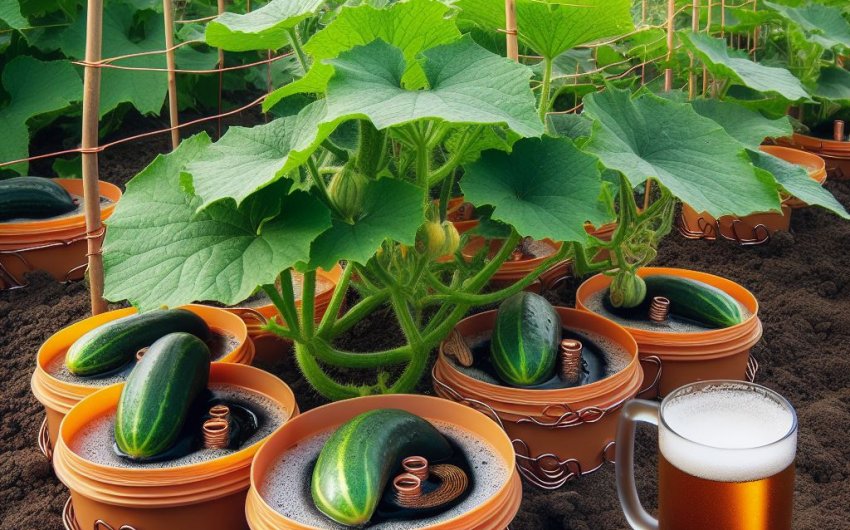
- Copper Tape: For slugs and snails, copper tape creates a mild electrical shock they dislike. Place a band of copper slug tape around the perimeter of raised beds or individual pots.
- Trellising Cucumbers: Growing cucumber plants vertically on a garden trellis has several benefits:
- Improved Air Circulation: Reduces fungal diseases and makes it harder for some pests to hide.
- Keeps Fruit Off Ground: Prevents fruit from being damaged by slugs and snails, and reduces rot.
- Easier Inspection and Harvesting: You can spot pests much more easily.
What Are Natural Treatments for Existing Pest Problems on Cucumbers?
Even with great prevention, pests can sometimes slip through. Here's how to deal with them naturally.
How Do I Use Handpicking and Water Blasting?
These are your first lines of defense for many common pests.
- Handpicking: For larger pests like squash bug adults and egg clusters, cucumber beetles (if you're quick!), and slugs/snails.
- When: Do this early in the morning or late evening when pests are less active.
- How: Wear gloves and drop them into a bucket of soapy water. Check the undersides of leaves for eggs. A headlamp for gardening can be useful for night inspections.
- Water Blasting: For soft-bodied pests like aphids and spider mites.
- How: Use a strong jet of water from your garden hose to dislodge them from the plants.
- When: Do this early in the day so the foliage has time to dry, reducing the risk of fungal issues. Focus on the undersides of leaves.
What are Beneficial Insects and How Do I Attract/Release Them?
Beneficial insects are natural predators or parasites of garden pests. They are a cornerstone of natural pest control.
- Attract Naturally: As mentioned in companion planting, grow a variety of plants with small, open flowers (e.g., dill, fennel, cilantro, sweet alyssum, cosmos, zinnias) to provide nectar and pollen for beneficial insects like ladybugs, lacewings, and predatory wasps.
- Purchase and Release: For a quick boost, you can buy beneficial insects.
- Ladybugs: Adults and larvae are voracious eaters of aphids, spider mites, and small larvae. Release them in the evening when temperatures are cool. You can buy live ladybugs for gardens.
- Green Lacewings: Their larvae are extremely effective predators of aphids, mealybugs, and spider mites.
- Beneficial Nematodes: These microscopic roundworms can be watered into the soil to control soil-dwelling pests like cucumber beetle larvae, grubs, and fungus gnats. Look for beneficial nematodes for cucumber beetles.
What are Natural Sprays for Pest Control?
When infestations are too large for handpicking, these organic sprays can help.
- Insecticidal Soap: Works by smothering soft-bodied insects. It's effective against aphids, spider mites, and whiteflies.
- How to Use: Mix a concentrated insecticidal soap spray with water according to package directions. Spray thoroughly, ensuring you coat the undersides of leaves. It only works on contact, so complete coverage is important. Reapply every 5-7 days as needed.
- Neem Oil: A natural botanical insecticide and fungicide extracted from the neem tree. It acts as an antifeedant, growth disruptor, and repellent. Effective against aphids, whiteflies, spider mites, and young cucumber beetles.
- How to Use: Mix organic neem oil for vegetables concentrate with water and a few drops of mild liquid soap (as an emulsifier). Spray thoroughly on all plant surfaces, including undersides of leaves. Apply in the late evening or early morning to avoid harming beneficial insects (especially pollinators) and prevent leaf burn in strong sun. Reapply every 7-14 days.
- Diatomaceous Earth (DE): A natural powder made from fossilized diatoms. It works by scratching the waxy outer layer of insects, causing them to dehydrate.
- How to Use: Sprinkle food-grade diatomaceous earth for slugs around the base of plants as a barrier against slugs, snails, and crawling insects like cucumber beetles. Avoid using when flowers are open, as it can harm pollinators. It loses effectiveness when wet, so reapply after rain.
What are Trap Crops and Lures?
- Trap Cropping: As mentioned with nasturtiums for aphids, you can plant a small patch of a more preferred host plant a short distance away from your cucumbers. Pests will ideally gravitate to the trap crop, which you can then monitor and treat or destroy.
- Sticky Traps: Yellow sticky traps can attract and capture adult cucumber beetles and whiteflies, helping to monitor and reduce populations. Hang them near plants. You can find yellow sticky traps for cucumber beetles.
What are Specific Natural Solutions for Slugs on Cucumber Plants?
Slugs are particularly annoying for cucumbers because they can damage the fruit directly.
How Can I Create Barriers Against Slugs?
- Diatomaceous Earth (DE): Create a barrier around your cucumber plants or beds. The sharp edges of the DE particles cut into slugs' bodies, causing dehydration. Reapply after rain or heavy watering.
- Copper Tape: Wrap a band of copper tape around the rims of raised beds or individual pots. Slugs get a mild electrical shock when they cross it.
- Rough Materials: A ring of crushed eggshells, coarse sand, or pine needles around plants can deter slugs, as they dislike crawling over rough surfaces.
- Coffee Grounds: Some gardeners report success using coffee grounds sprinkled around plants, as slugs dislike the caffeine.
How Can I Trap and Remove Slugs?
- Beer Traps: Sink shallow dishes (like tuna cans) into the soil so the rim is level with the ground. Fill with beer. Slugs are attracted to the yeast, fall in, and drown. Check and empty traps daily.
- Melon Rind Traps: Place inverted melon rinds or grapefruit halves near affected plants. Slugs will gather underneath them overnight. In the morning, simply collect the slugs and dispose of them.
- Overturned Pots/Boards: Create dark, damp hiding spots by placing overturned flower pots or boards near your cucumber plants. Check underneath them in the morning and collect any slugs.
How Can I Encourage Slug Predators?
- Attract Birds: Birds (especially thrushes, robins) and ground beetles are natural predators of slugs. Encourage them by providing bird baths and native plants.
- Frogs and Toads: Create a frog-friendly environment (e.g., a small pond or sheltered, damp areas) as they are excellent slug eaters. You can even find frog houses for gardens.
- Ducks: If you have the space and ability, ducks are fantastic slug patrol!
What are Organic Slug Baits?
- Iron Phosphate Pellets: These are a safe and effective alternative to traditional slug baits that contain metaldehyde. Iron phosphate is toxic to slugs and snails but safe for pets, wildlife, and beneficial insects.
- How to Use: Sprinkle the pellets around affected plants, following package directions. They are activated by moisture. You can find organic slug and snail bait.
Protecting your cucumber plants from pests naturally is a rewarding endeavor that leads to healthier plants and a more vibrant garden ecosystem. By embracing preventative measures, fostering beneficial insects, and using targeted organic solutions, you can significantly reduce pest damage. This holistic approach ensures a bountiful harvest of crisp, delicious cucumbers, allowing you to enjoy the fruits of your labor without worrying about harmful chemicals.