
What Are Some Tips for Growing Organic Fruits in Your Backyard?
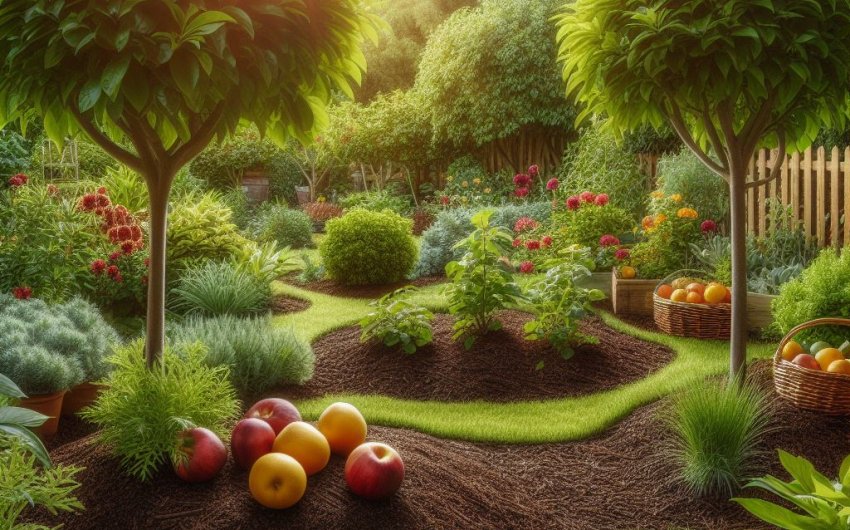
Growing organic fruits in your backyard emphasizes cultivating healthy, abundant harvests using natural methods that support soil health, plant resilience, and environmental well-being, avoiding synthetic pesticides and fertilizers. This approach focuses on creating a balanced ecosystem where fruits can thrive naturally.
Why Grow Organic Fruits in Your Backyard?
Choosing to grow organic fruits in your backyard is a decision that offers numerous benefits, extending beyond just the harvest. It's a commitment to a healthier lifestyle, a more sustainable environment, and a deeper connection to the food you eat.
1. Healthier for You and Your Family
- No Synthetic Pesticides or Herbicides: This is the most direct benefit. When you grow organic fruits, you eliminate the exposure to synthetic chemical residues often found on conventionally grown produce. You have complete control over what goes onto and into your fruit.
- Reduced Chemical Exposure: By not using synthetic chemicals, you reduce your family's (including pets and children) direct exposure during gardening activities.
- No Synthetic Fertilizers: Organic growing avoids chemical fertilizers, which can sometimes lead to nutrient imbalances or build-up of salts in the soil. Instead, you nourish the soil naturally, which in turn nourishes the plant.
- Nutrient Density (Potentially): While research is ongoing, many proponents of organic farming suggest that organically grown produce may have higher levels of certain vitamins, minerals, and antioxidants because the plants are grown in richer, more balanced soil.
2. Better for the Environment
- Soil Health: Organic gardening practices prioritize building healthy, living soil rich in organic matter (compost, mulches). This improves soil structure, water retention, drainage, and supports a thriving community of beneficial microorganisms and earthworms. Healthy soil is the foundation of healthy plants.
- Biodiversity: Avoiding synthetic pesticides creates a welcoming habitat for beneficial insects (pollinators like bees and butterflies, and natural predators of garden pests like ladybugs and lacewings). It also supports local wildlife, from birds to amphibians.
- Water Quality: No synthetic pesticides or fertilizers means no harmful chemical runoff into local waterways, protecting streams, rivers, and groundwater.
- Reduced Carbon Footprint: Organic practices often involve less reliance on fossil fuels (e.g., for manufacturing synthetic chemicals or transporting produce long distances). Growing your own fruit also cuts down on food miles.
- Sustainable Practices: Organic gardening is inherently sustainable, focusing on long-term ecological balance rather than short-term gains at environmental cost.
3. Superior Taste and Freshness
- Peak Ripeness: When you grow your own organic fruits, you can pick them at their absolute peak of ripeness, when their flavor and sweetness are most intense. Store-bought fruit is often picked unripe to withstand shipping.
- Variety: You have access to a much wider array of delicious fruit varieties that may not be available in grocery stores due to their delicate nature or lower commercial yields.
- Unbeatable Freshness: From garden to table in minutes means maximum freshness and flavor.
4. Personal Satisfaction and Learning
- Rewarding Experience: There's immense satisfaction in nurturing a plant from bloom to fruit and then enjoying the literal fruits of your labor.
- Connection to Food: You gain a deeper understanding of where your food comes from and the natural processes involved.
- Skill Development: You'll learn valuable gardening skills and insights into plant biology and local ecosystems.
Growing organic fruits in your backyard is more than a trend; it's a holistic choice that benefits your health, the planet, and provides unmatched culinary delight.
What are the Best Organic Fruit Options for Backyard Growers?
When considering growing organic fruits in your backyard, selecting the right types of fruit is crucial for success. Some fruits are naturally more resilient or easier to grow organically than others, especially for beginners. Focus on varieties well-suited to your climate and those with fewer inherent pest and disease challenges.
1. Berries (Excellent Choices for Organic Growers)
Berries are often the easiest and most rewarding fruits to grow organically in a backyard setting.
- Strawberries:
- Why organic is great: Easy to manage pests organically (e.g., netting for birds). Quick turnaround from planting to harvest (especially everbearing varieties).
- Tips: Plant disease-resistant varieties. Use straw mulch for weed suppression and clean berries. Rotate patches every few years. You can buy Organic Strawberry Plants.
- Blueberries:
- Why organic is great: Relatively few serious organic pest or disease issues once established. Require acidic soil, which can be achieved organically.
- Tips: Ensure highly acidic soil (pH 4.5-5.5) using peat moss, pine needles, or elemental sulfur. Plant at least two different varieties for better cross-pollination and yields. Netting is often needed for birds.
- Raspberries and Blackberries:
- Why organic is great: Highly productive with proper pruning. Many thornless varieties available for easier harvesting.
- Tips: Choose disease-resistant cultivars. Provide sturdy trellises for support. Prune out old fruiting canes annually to improve air circulation and reduce disease. Bird netting is often necessary.
- Currants and Gooseberries:
- Why organic is great: Very hardy and generally low-maintenance. Tolerant of partial shade.
- Tips: Prune to maintain an open structure. Some varieties can be hosts for white pine blister rust, so check local restrictions if you have white pines nearby.
2. Grapes
- Why organic is great: Can be challenging due to fungal diseases, but many native and hybrid varieties offer good disease resistance for organic growing.
- Tips: Select disease-resistant table grape varieties (e.g., 'Concord', 'Niagara', 'Reliance'). Provide strong support (arbor, trellis). Prune diligently for air circulation.
3. Figs
- Why organic is great: Relatively pest and disease-free, especially in warm climates. Fruit directly on new wood.
- Tips: Choose cold-hardy varieties for cooler climates and provide winter protection. Can be grown in containers and moved indoors.
4. Persimmons
- Why organic is great: Generally very tough, long-lived trees with few pest problems.
- Tips: American persimmons are extremely hardy. Asian persimmons prefer milder climates. Astringent varieties must be fully ripe before eating.
5. Pawpaws
- Why organic is great: North American native fruit that is largely pest and disease-free. They have natural compounds that repel insects.
- Tips: Plant at least two varieties for cross-pollination. Prefer moist, rich soil and some shade when young.
6. Cherries (Sour/Tart Cherries)
- Why organic is great: More resilient and less prone to disease than sweet cherries.
- Tips: Choose disease-resistant varieties. Netting is often essential to protect fruit from birds.
7. Apples and Pears (More Challenging, but Possible Organically)
- Why organic is great: These are classic fruits, but they are also highly susceptible to numerous pests and diseases, making them more challenging to grow organically without synthetic sprays.
- Tips for Organic Success:
- Choose Disease-Resistant Varieties: This is paramount for apples (e.g., 'Liberty', 'Freedom', 'Goldrush', 'CrimsonCrisp' are scab-resistant).
- Good Cultural Practices: Excellent air circulation, proper pruning, diligent sanitation (removing fallen leaves/fruit).
- Pest Management: Utilize physical barriers (e.g., bamboo or fruit tree netting like Reusable Fruit Tree Netting), beneficial insects, organic sprays (e.g., Surround WP (kaolin clay) for codling moth, neem oil).
- Patience: Expect some blemishes and lower yields than conventional methods initially.
When growing organic fruits in your backyard, start with the easier berries and figs to build confidence, then gradually expand to more challenging tree fruits with careful selection and diligent organic practices.
What are the Essential Principles for Organic Fruit Growing?
Successfully growing organic fruits in your backyard relies on a set of core principles that prioritize the health of the entire garden ecosystem, rather than just treating individual plant problems. These principles work together to build resilience, prevent issues, and ensure a bountiful, natural harvest.
1. Build Healthy Soil
- Foundation of Health: Healthy soil is the single most important factor for vigorous, disease-resistant plants. Organic soil is a living ecosystem, not just a growing medium.
- Add Organic Matter: Continuously amend your soil with generous amounts of compost and well-rotted manure. This improves soil structure, drainage, water retention, and provides a slow-release source of nutrients.
- Mulch: Apply a 2-4 inch (5-10 cm) layer of organic mulch (straw, wood chips, shredded leaves, aged compost) around fruit plants. This conserves moisture, suppresses weeds, moderates soil temperature, and slowly adds organic matter as it decomposes.
- Avoid Compaction: Minimize walking on garden beds to prevent soil compaction, which inhibits root growth and water penetration.
2. Choose the Right Plants for Your Climate and Conditions
- Right Plant, Right Place: Select fruit varieties that are well-suited to your specific climate zone (USDA Hardiness Zone), sunlight conditions, and soil type.
- Disease-Resistant Cultivars: This is paramount for organic success. Prioritize varieties known for their natural resistance or tolerance to common fruit diseases and pests. Research specific varieties for your region.
- Native Fruits: Consider growing native fruit species that are naturally adapted to your local environment and may have fewer pest and disease issues.
3. Practice Integrated Pest Management (IPM) - Organically
IPM is a holistic approach to pest and disease control that minimizes harm to the environment.
- Monitoring: Regularly inspect your fruit plants for early signs of pests or diseases. Early detection makes control much easier.
- Identify Correctly: Know what pest or disease you're dealing with before taking action.
- Encourage Beneficials: Attract natural predators (ladybugs, lacewings, predatory wasps) and pollinators (bees, butterflies) by planting a diverse array of flowering plants. A Pollinator Attracting Flower Mix can help.
- Physical Barriers: Use row covers, bird netting, or fruit bags to exclude pests.
- Hand-Picking: For larger pests like caterpillars or beetles, hand-picking is effective.
- Least-Toxic Options First: If chemical intervention is necessary, start with organic-approved pesticides (e.g., neem oil, insecticidal soap, Bacillus thuringiensis (Bt) for caterpillars, sulfur, copper) and use them judiciously.
4. Provide Proper Water and Nutrition
- Consistent Watering: Ensure fruit plants receive consistent moisture, especially during flowering and fruit development. Drip irrigation or soaker hoses deliver water directly to the root zone, reducing leaf wetness that promotes disease.
- Nutrient Cycling: Rely on organic matter decomposition (compost, mulches) for continuous nutrient release. Supplement with organic fertilizers (e.g., bone meal for phosphorus, kelp meal for trace minerals, fish emulsion for nitrogen) only when soil tests indicate a need.
5. Ensure Good Air Circulation
- Pruning: Proper pruning of fruit trees and bushes improves air circulation within the plant canopy, which helps leaves dry quickly and reduces the incidence of fungal infections like powdery mildew and black spot.
- Spacing: Plant fruit trees and bushes with adequate spacing to allow for good airflow between plants.
6. Practice Sanitation
- Cleanliness: Remove and dispose of fallen diseased leaves, rotten fruit, and dead branches promptly. Do not compost diseased material.
- Disinfect Tools: Clean and disinfect pruning tools between plants to prevent the spread of diseases.
By diligently following these principles, you create a vibrant, balanced, and sustainable environment where you can truly succeed in growing organic fruits in your backyard.
How Do You Manage Pests Organically in a Fruit Garden?
Managing pests organically when growing organic fruits in your backyard involves a multifaceted approach that prioritizes prevention, encourages natural enemies, and uses targeted, least-toxic interventions only when necessary. The goal isn't to eliminate all pests, but to keep their populations at manageable levels.
1. Encourage Beneficial Insects
- Plant Diversity: Grow a wide variety of flowering plants, especially those with small flowers, to attract beneficial insects. These include:
- Pollinators: Bees and butterflies are crucial for fruit set.
- Predators: Ladybugs (eat aphids), lacewings (eat aphids, mealybugs), predatory mites (eat spider mites), parasitic wasps (parasitize caterpillars, aphids).
- Specific Attractants: Dill, fennel, cilantro, parsley, yarrow, sweet alyssum, calendula, borage, and cosmos are excellent for attracting beneficials.
- Provide Habitat: Create diverse plantings with varying heights and densities to offer shelter for beneficials.
2. Use Physical Barriers
- Bird Netting: This is essential for protecting ripening berries and cherries from birds, often the biggest threat to fruit harvests. Drape lightweight netting over bushes and trees as fruit begins to ripen. A Bird Netting for Fruit Trees is a must-have.
- Floating Row Covers: Lightweight fabric placed over young plants can exclude many insect pests (e.g., cucumber beetles, squash bugs) early in the season. Remove during flowering for pollination.
- Fruit Bags: Individual mesh or paper bags can be placed over developing fruits (e.g., apples, pears, peaches) to protect them from fruit flies, codling moth, and bird damage.
- Trunk Bands: Sticky bands or horticultural barriers applied to tree trunks can trap crawling insects (e.g., ants, some weevils).
- Traps:
- Pheromone Traps: Attract male moths (e.g., codling moth) to monitor populations and sometimes reduce breeding.
- Yellow Sticky Traps: For monitoring and catching flying insects like fruit flies or aphids.
3. Hand-Picking and Pruning
- Regular Inspection: Regularly walk through your fruit garden and inspect leaves, stems, and developing fruit for pests.
- Hand-Picking: For larger pests (e.g., Japanese beetles, caterpillars, stink bugs), simply pick them off and drop them into a bucket of soapy water.
- Pruning: Remove infested leaves, branches, or fruit immediately to reduce pest populations and prevent spread. Burn or discard (don't compost) severely infested material.
4. Organic Sprays (Least Toxic Options)
Use these only when other methods are insufficient, and always follow label instructions precisely.
- Insecticidal Soap:
- How it works: Smothers soft-bodied insects like aphids, spider mites, and whiteflies.
- Application: Must come into direct contact with the pest. Apply thoroughly, especially to undersides of leaves.
- Caution: Can wash off beneficial insects.
- Neem Oil:
- How it works: Acts as an insect growth regulator, repellent, and anti-feedant. Also has some fungicidal properties.
- Application: Spray thoroughly, covering all leaf surfaces.
- Usage: Effective for aphids, whiteflies, spider mites, and some caterpillars.
- Bacillus thuringiensis (Bt):
- How it works: A naturally occurring bacterium that is toxic only to the larvae (caterpillars) of specific insects (e.g., cabbage looper, tomato hornworm, codling moth larvae). It does not harm beneficial insects or other wildlife.
- Application: Must be ingested by the caterpillar.
- Usage: Highly targeted for specific caterpillar pests.
- Horticultural Oils (Dormant or Summer Oil):
- How it works: Smothers overwintering insect eggs and immature stages (dormant oil) or soft-bodied insects (summer oil).
- Application: Dormant oils applied in late winter/early spring before bud break. Summer oils applied at dilute rates during the growing season.
- Caution: Follow instructions carefully; can cause leaf burn if applied in hot weather.
5. Maintain Soil Health
- Strong Plants: Healthy soil fosters strong, vigorous plants that are naturally more resilient to pest infestations.
By combining these organic pest management strategies, you can minimize damage to your organic fruits while maintaining a healthy, balanced backyard ecosystem.
How Do You Manage Fungal Diseases Organically in a Fruit Garden?
Managing fungal diseases organically when growing organic fruits in your backyard requires a proactive and integrated approach, focusing on prevention, good cultural practices, and targeted organic treatments. Fungi thrive in specific conditions, so disrupting those conditions is key to a healthy, productive harvest.
1. Choose Disease-Resistant Varieties (Crucial!)
- Best Defense: This is the most important step for organic disease management. Select fruit varieties that are specifically bred or known for their natural resistance or tolerance to common fungal diseases in your region.
- Examples: Look for apple varieties resistant to apple scab, plum varieties resistant to brown rot, or grape varieties resistant to powdery mildew and black rot.
2. Ensure Excellent Air Circulation
- Fungus Needs Moisture: Most fungal diseases require a film of moisture on plant surfaces for spores to germinate and infect. Good airflow helps foliage dry quickly after rain, dew, or irrigation, reducing this "wetness window."
- Pruning:
- Open Canopy: Prune fruit trees and bushes to create an open canopy structure. Remove crossing branches, suckers, and water sprouts. This allows air and light to penetrate all parts of the plant.
- Elevate Fruit: For strawberries, use straw mulch. For vining fruits like grapes, trellis them to keep them off the ground.
- Spacing: Plant fruit trees and bushes with adequate spacing to allow for good airflow between individual plants.
3. Implement Strict Sanitation
- Remove Infected Material: Promptly remove and discard (do NOT compost!) any leaves, branches, or fruits showing signs of fungal infection. This reduces the amount of disease-causing spores present in the garden.
- Clean Up Fallen Debris: Rake up all fallen leaves, twigs, and rotten fruit, especially in the fall. Many fungal spores overwinter on this debris.
- Disinfect Tools: Clean and disinfect pruning shears and other tools after pruning each plant (especially if disease is present) to prevent cross-contamination. Use a 10% bleach solution or rubbing alcohol.
- Clean Growing Media/Pots: For container-grown fruits, always use clean, sterile potting mix and thoroughly clean and disinfect reused pots.
4. Optimize Watering Techniques
- Water at the Base: Water the soil directly at the base of the plant using drip irrigation or soaker hoses. Avoid overhead watering, which wets the foliage and promotes fungal growth.
- Water in the Morning: If overhead watering is unavoidable, do it in the early morning so leaves have ample time to dry before evening.
- Consistent Moisture: Avoid extreme fluctuations between very dry and very wet soil, which can stress plants and make them more susceptible.
5. Build Healthy Soil (Again!)
- Vigorous Plants: Plants grown in healthy, living soil with plenty of organic matter are naturally more robust and better able to resist disease.
- Beneficial Microbes: A diverse soil microbiome can help suppress harmful soil-borne pathogens.
6. Use Organic-Approved Fungicides (When Needed)
These are generally preventative or for early-stage infections. Always read and follow label instructions precisely, especially for edible crops.
- Sulfur-Based Fungicides:
- How it works: Creates a protective barrier on plant surfaces.
- Usage: Effective for powdery mildew, rust, and some other leaf spots on various fruits (e.g., apples, grapes, berries).
- Caution: Do not apply when temperatures are above 90°F (32°C) or within two weeks of using oil sprays.
- Copper-Based Fungicides (Bordeaux Mix, Copper Soap):
- How it works: Broad-spectrum fungicide that inhibits fungal spore germination.
- Usage: Effective against blights, bacterial canker, peach leaf curl, and some rusts.
- Caution: Can accumulate in soil with overuse. Follow label carefully.
- Neem Oil:
- How it works: Has some fungicidal properties, particularly effective against powdery mildew.
- Usage: Good for mild cases.
- Bacillus subtilis (e.g., Serenade Garden Disease Control):
- How it works: A beneficial bacterium that competes with or produces compounds that inhibit various plant pathogenic fungi.
- Usage: Can be used preventatively against powdery mildew, botrytis, and some blights.
By consistently implementing these organic disease management strategies, you can cultivate healthy, productive fruit trees and bushes, ensuring a clean and delicious harvest of organic fruits in your backyard.
What is the Role of Soil Health in Organic Fruit Growing?
In organic fruit growing, soil health is not just a factor; it's the absolute foundation for success. Unlike conventional methods that often rely on synthetic inputs to feed the plant directly, organic philosophy focuses on feeding the soil. A thriving, living soil ecosystem, in turn, provides all the necessary nutrients and conditions for your organic fruits to flourish and naturally resist pests and diseases.
1. Nutrient Cycling and Availability
- Living Soil Feeds Plants: Healthy soil is teeming with a diverse community of microorganisms (bacteria, fungi, protozoa, nematodes) and macro-organisms (earthworms, insects). These organisms work tirelessly to break down organic matter (compost, decaying plant material), converting complex nutrients into forms that plants can readily absorb through their roots.
- Slow, Steady Release: This natural process provides a slow, steady, and balanced release of nutrients to your fruit trees and bushes, mirroring how plants feed in nature. This contrasts with synthetic fertilizers that provide a quick, often unbalanced, burst of soluble nutrients.
- Improved Nutrient Uptake: Healthy soil structure and microbial activity enhance the plant's ability to take up nutrients and water more efficiently.
2. Enhanced Water Retention and Drainage
- Spongy Texture: Organic matter acts like a sponge, significantly improving the soil's capacity to hold water. This means your organic fruits will be less prone to drought stress, especially during dry spells.
- Improved Drainage: For heavy clay soils, incorporating organic matter creates aggregates and channels, improving drainage and aeration, preventing waterlogging that can lead to root rot.
- Balanced Moisture: This balance of water retention and drainage creates ideal conditions for fruit plant roots.
3. Disease and Pest Suppression
- Beneficial Microbes: A diverse and robust population of beneficial soil microbes can actively suppress disease-causing pathogens. They compete for resources, produce antibiotic compounds, or even parasitize harmful fungi and bacteria.
- Healthy Roots, Healthy Plants: Strong, well-developed root systems (a direct result of healthy soil) make plants more resilient and better able to resist attacks from both root-feeding pests and soil-borne diseases.
- Reduced Stress: Plants grown in ideal soil conditions are less stressed, which naturally makes them less susceptible to pest and disease infestations.
4. Soil Structure and Aeration
- Improved Tilth: Organic matter (especially humus) binds soil particles together, creating a crumbly, well-aerated structure known as good "tilth."
- Oxygen for Roots: Better aeration ensures that fruit plant roots have access to the oxygen they need to grow effectively and respire.
- Easier Root Penetration: Roots can penetrate deeper and spread wider in loose, healthy soil, accessing more water and nutrients.
5. Carbon Sequestration
- Environmental Benefit: Building soil health by continuously adding organic matter helps sequester carbon from the atmosphere into the soil, contributing to climate change mitigation.
How to Build Soil Health for Organic Fruits:
- Compost, Compost, Compost: Incorporate generous amounts of finished compost annually into your fruit garden. Use your own homemade compost or buy certified organic compost. You can use a Outdoor Compost Tumbler for this.
- Mulch Heavily: Apply thick layers of organic mulches (wood chips, straw, shredded leaves, pine needles) around your fruit plants. As these break down, they feed the soil.
- Cover Crops: In empty spaces between fruit bushes or under fruit trees (if not actively planted), grow cover crops (e.g., clover, vetch) over the dormant season. These protect the soil, suppress weeds, and add organic matter when tilled in.
- Avoid Synthetic Chemicals: Pesticides and chemical fertilizers can harm beneficial soil microorganisms.
- Minimize Tillage: Reduce deep tilling, which can disrupt soil structure and microbial networks.
By nurturing your soil, you empower your organic fruits to grow vigorously and produce abundantly, leading to a truly rewarding experience of growing organic fruits in your backyard.
What Are the Best Organic Fertilizers for Fruit Plants?
When growing organic fruits in your backyard, the approach to fertilization shifts from directly feeding the plant to nourishing the soil. Organic fertilizers are designed to break down slowly, improve soil structure, and feed the vast network of microorganisms that, in turn, make nutrients available to your fruit plants. This promotes robust growth and bountiful harvests.
1. Compost (The Gold Standard)
- What it is: Decomposed organic matter from kitchen scraps, yard waste, and other plant material.
- Why it's best: Compost is the ultimate organic soil amendment. It's a balanced, slow-release source of a wide range of nutrients, improves soil structure (drainage in clay, water retention in sand), feeds beneficial microbes, and helps suppress diseases.
- Application: Incorporate into planting holes, or top-dress annually around established fruit trees and bushes (2-4 inches / 5-10 cm deep). Work it lightly into the top few inches of soil or apply as a mulch. You can use Organic Composting Supplies.
2. Well-Rotted Manure
- What it is: Aged animal manure (cow, chicken, horse, sheep). Must be well-aged (at least 6 months, preferably 1 year) to prevent burning plants and introducing weed seeds.
- Why it's good: Excellent source of nitrogen, phosphorus, potassium, and trace minerals. Great for improving soil structure.
- Application: Incorporate into garden beds before planting, or top-dress around established fruit plants in spring.
3. Bone Meal
- What it is: Ground up animal bones.
- Why it's good: Primarily a source of phosphorus (essential for root development, flowering, and fruiting) and calcium. Releases slowly.
- Application: Mix into the soil when planting new fruit trees or bushes, or lightly scratch into the soil around established plants in spring.
4. Blood Meal
- What it is: Dried, powdered animal blood.
- Why it's good: A fast-acting, high-nitrogen organic fertilizer, promoting lush green foliage.
- Application: Use sparingly and only when a nitrogen boost is needed (e.g., for vigorous vegetative growth on young plants). Mix into the soil or top-dress.
- Caution: Too much nitrogen can lead to excessive leafy growth at the expense of fruit production, and can attract pests.
5. Alfalfa Meal
- What it is: Ground alfalfa hay.
- Why it's good: A balanced, slow-release fertilizer containing nitrogen, phosphorus, potassium, and trace minerals. Also contains a natural growth stimulant.
- Application: Incorporate into soil before planting or top-dress around established fruit plants.
6. Kelp Meal (or Liquid Seaweed)
- What it is: Dried, ground seaweed (kelp meal) or liquid extract.
- Why it's good: Rich in trace minerals, hormones, and vitamins that promote overall plant health, stress tolerance, and improved fruit quality. Low in NPK (nitrogen, phosphorus, potassium).
- Application: Kelp meal can be mixed into soil or top-dressed. Liquid seaweed can be used as a foliar spray or soil drench.
7. Fish Emulsion
- What it is: Liquid fertilizer made from decomposed fish.
- Why it's good: A quick-acting, balanced source of nitrogen, phosphorus, and potassium, plus trace elements. Good for a quick boost.
- Application: Dilute with water and apply as a soil drench.
- Caution: Can have a strong odor that dissipates after a day.
8. Greensand
- What it is: A naturally occurring mineral deposit (glauconite).
- Why it's good: Good source of potassium (for fruit development, disease resistance) and trace minerals. Also helps improve water retention in sandy soils.
- Application: Broadcast over the soil and work in lightly.
Tips for Using Organic Fertilizers:
- Soil Test First: Always start with a soil test to understand your soil's existing nutrient levels and pH. This prevents over-application and ensures you apply what's actually needed.
- Slow and Steady: Organic fertilizers work slowly as they break down. Apply them preventatively or proactively, rather than waiting for signs of deficiency.
- Balance: Focus on providing a balanced array of nutrients through compost and a mix of targeted organic amendments.
- Observe Your Plants: Learn to read your plants. Yellowing leaves might indicate nitrogen deficiency; poor fruiting might indicate phosphorus or potassium needs.
By nourishing your soil with these organic fertilizers, you'll create a thriving ecosystem that supports robust, healthy, and productive organic fruits in your backyard.