
How to Protect Fruits from Birds and Other Wildlife?
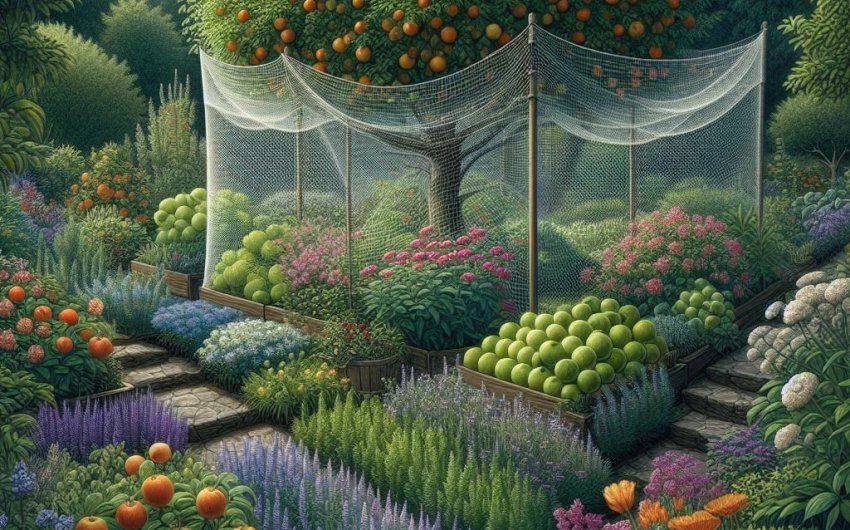
There are few experiences in gardening more rewarding than anticipating a bountiful harvest, watching your fruits ripen on the vine or tree, gradually turning from green to their vibrant, luscious hues. Yet, this joy can quickly turn to frustration when you discover that your juicy berries, plump tomatoes, or crisp apples have become a feast for unwanted guests. Birds, squirrels, deer, raccoons, and other wildlife often view our gardens as an open buffet, making a significant dent in potential yields before we even get a taste.
Protecting your homegrown produce from these natural opportunists is a perennial challenge for fruit growers. While sharing with nature is part of the gardening ethos, losing an entire crop is disheartening. The key to successful fruit protection lies in employing smart, often non-toxic, strategies that deter pests without harming them or the environment. It's about creating effective barriers and dissuasive tactics that encourage wildlife to seek their meals elsewhere. Let's explore practical and ingenious ways to safeguard your harvest and ensure you get to enjoy the sweet rewards of your labor.
What Wildlife Are Most Likely to Damage Fruits?
Before implementing protection strategies, it's helpful to identify the most common culprits. Understanding what wildlife are most likely to damage fruits in your garden allows you to tailor your defenses effectively. Different animals require different deterrents.
Which Birds are Common Fruit Pests?
Many bird species are notorious for feasting on ripening fruits, often pecking at them before they are fully mature, ruining the entire crop.
- Robins: Especially fond of berries (strawberries, blueberries, raspberries) and cherries. They are bold and can quickly decimate a crop.
- Starlings: Highly adaptable and often found in large flocks, starlings can quickly strip fruit trees and berry bushes bare. They love cherries, grapes, and berries.
- Jays (Blue Jays, Steller's Jays): Omnivorous and intelligent, jays will take a wide variety of fruits, nuts, and even larger berries.
- Finches (House Finches, American Goldfinches): Often target softer fruits like berries and small apples.
- Cedar Waxwings: Known for eating large quantities of berries, often in groups.
- Crows: Large and intelligent, crows will target larger fruits like apples, peaches, and grapes, often taking entire pieces.
These bird species are driven by hunger and often by the need for water, particularly during dry spells. Their agility in flight makes them challenging to deter. A wild bird identification guide can help you identify local culprits.
What Mammals Pose a Threat to Fruit Crops?
Beyond birds, several mammals pose a significant threat to fruit crops, from small rodents to larger herbivores. Their methods of damage can vary from nibbling to complete destruction.
- Squirrels (Tree Squirrels, Ground Squirrels): Perhaps the most notorious mammal pests. Squirrels will strip nut trees, but also damage apples, pears, peaches, berries, and even tomatoes. They often take a single bite out of many fruits, ruining them.
- Raccoons: Highly intelligent and dexterous, raccoons will target ripe fruits, especially berries, grapes, corn, and melons. They can climb trees and are nocturnal, making them hard to spot in the act.
- Deer: While typically associated with browsing foliage, deer will readily eat ripe fruits, especially apples, pears, and plums, if they can reach them. They can clear an entire lower branch of fruit overnight.
- Opossums: Opportunistic feeders, opossums will consume fallen fruit and can climb for ripening berries, grapes, and softer tree fruits. They are nocturnal.
- Rabbits: Primarily ground-level feeders, rabbits will target low-hanging berries like strawberries and newly planted fruit saplings.
- Mice and Voles: These small rodents will feed on low-growing fruits, particularly strawberries, often burrowing under mulch to access them.
Each of these mammals requires specific deterrents based on their size, agility, and feeding habits.
What are the Common Ways Wildlife Damage Fruits?
Wildlife damage to fruits can manifest in various ways, helping you identify the specific culprit and determine the best protection strategy.
- Pecking Marks: Small, distinct holes or punctures on ripening fruits, especially berries and tree fruits, are classic signs of bird damage. Birds often peck a fruit multiple times.
- Partial Consumption: Larger bites taken out of fruits, or fruits completely gone from the branch/vine, indicate larger animals like squirrels, raccoons, or deer. Squirrels are notorious for taking one bite and moving to the next.
- Scattering of Fruit/Debris: If you find ripe or semi-ripe fruit scattered on the ground, partially eaten, it often points to nocturnal visitors like raccoons or opossums.
- Chewing/Gnawing on Stems or Branches: This is usually a sign of rabbits or rodents at the base of smaller fruit plants or young trees.
- Footprints/Droppings: Look for animal tracks around your fruit plants or unusual droppings, which can help confirm the presence of specific pests. A wildlife tracking guide can be useful.
- Missing Fruit without Trace: If fruit simply disappears overnight with no other obvious signs, it could be clever mammals or even just very efficient birds.
Understanding the specific damage patterns is the first step in effective wildlife management for fruit protection.
1. Physical Barriers: The Most Effective Defense
When it comes to protecting fruits from birds and other wildlife, physical barriers are almost always the most effective and reliable defense. They work by creating an impenetrable shield that prevents access to your precious harvest.
How Does Bird Netting Protect Berries and Fruit Trees?
Bird netting is a highly effective and widely used physical barrier for protecting berries and fruit trees from birds. It's a simple yet very successful method.
- Mechanism: Fine mesh netting forms a physical barrier that birds cannot fly through or get tangled in (if installed correctly), thereby preventing them from reaching the fruit.
- Application for Berry Bushes: For blueberries, raspberries, or other berry bushes, drape the bird netting over the entire bush, securing it at the base around the trunk or to the ground. Ensure there are no gaps where birds can squeeze underneath. Use stakes or a simple frame to keep the netting from resting directly on the fruit, which makes it harder for birds to peck through.
- Application for Fruit Trees: For smaller fruit trees, drape the netting over the entire canopy, securing it tightly around the trunk. For larger trees, netting individual branches or even just the lower fruit-laden branches might be more practical.
- Timing: Apply the netting when fruits begin to change color (e.g., green to blush) and remove it immediately after harvest to prevent entanglement of beneficial birds.
- Quality: Choose a durable, UV-resistant netting with a small mesh size (around 1/2 inch) to prevent small birds from getting through.
Bird netting is a fundamental tool in the arsenal for fruit protection.
What are Cages and Row Covers for Small Fruits?
For small fruit crops like strawberries, blueberries, or even young fruit trees, cages and row covers provide robust and effective physical protection against a wider range of pests, including both birds and small mammals.
- Cages:
- Construction: Build a simple frame using PVC pipe, wooden stakes, or metal hoops. Cover the frame entirely with bird netting or fine mesh hardware cloth. The cage should be large enough to completely enclose the plants.
- Benefits: Cages are very effective, durable, and can be reused season after season. They offer protection from birds, squirrels, rabbits, and even deer if tall enough. They also allow for easy access for harvesting. A DIY fruit cage kit can provide materials.
- Row Covers:
- Construction: For low-growing crops like strawberries, use floating row covers. These are lightweight fabrics draped directly over the plants or supported by wire hoops.
- Benefits: They protect against birds, insects, and some small mammals. They also help retain moisture and warmth.
- Application: Ensure the edges are securely anchored to the ground with rocks, soil, or fabric landscape staples to prevent pests from crawling underneath.
- Note: For fruit-bearing plants, remove row covers during flowering to allow for pollination.
Both cages and row covers provide excellent, multi-purpose physical protection for your fruit crops.
How Can Fencing Protect Larger Fruit Areas?
For larger fruit tree orchards, extensive berry patches, or mixed fruit gardens, fencing is the most effective and durable physical barrier against larger mammals like deer, rabbits, and raccoons.
- Deer Fencing: Deer can jump surprisingly high. A deer fence needs to be at least 7-8 feet (2.1-2.4 meters) tall to be truly effective. Use strong, woven wire mesh or specialized deer netting. Ensure the fence is taut and extends to the ground or is buried slightly to prevent digging underneath.
- Rabbit Fencing: For rabbits, a fence of at least 2-3 feet (0.6-0.9 meters) tall made of chicken wire or hardware cloth is usually sufficient. Bury the bottom 6-12 inches (15-30 cm) to prevent burrowing.
- Critter-Proof Fencing (for raccoons, opossums): These animals can climb or dig. A fence needs to be sturdy, and for raccoons, it often benefits from an outward-sloping top section or even a single electrified wire to deter climbing. Burying the base is crucial.
- Electric Fencing: For persistent problems with larger mammals, a temporary or permanent electric fence kit can be very effective as a psychological deterrent.
While an investment, a well-built fence provides comprehensive long-term protection for significant fruit planting areas.
2. Visual and Auditory Deterrents: Scaring Them Away
Beyond physical barriers, visual and auditory deterrents can be used to scare away birds and other wildlife from your ripening fruits. These methods rely on frightening or annoying pests, making your garden seem less appealing.
What are Effective Visual Bird Deterrents?
Visual bird deterrents work by startling birds or making them perceive a threat, thus discouraging them from landing on your fruit plants.
- Shiny/Reflective Objects: Birds are wary of flashing lights. Hang old CDs, aluminum foil strips, reflective tape, or specialized bird deterrent reflective tape near fruit plants. The movement and flashes of light can disorient them.
- Mylar Balloons/Predator Eyes: Large Mylar balloons with printed "predator eyes" or inflatable scare-eye balloons can be hung strategically.
- Scarecrows/Decoys: Traditional scarecrows or plastic predator decoys (e.g., owls, hawks, snakes) can work, but their effectiveness often diminishes over time as birds become accustomed to them. Move them frequently to maintain their surprise factor. A realistic owl decoy can be placed near your fruit.
- Holographic/Glittery Streamers: Hang strips of iridescent material that flutter and reflect light.
The key with visual deterrents is movement and novelty. Birds are intelligent and quickly learn when a threat isn't real, so rotate or move deterrents frequently.
How Do Auditory Deterrents Work for Fruit Protection?
Auditory deterrents use sound to frighten or annoy birds and wildlife, making them avoid your fruit-bearing plants.
- Wind Chimes: While pleasant to us, a multitude of wind chimes can create enough noise to make birds uncomfortable.
- Noise Makers (e.g., Pie Plates): Hanging aluminum pie plates or cans that clang in the wind can create irregular sounds that birds dislike.
- Electronic Repellents: These devices can emit distress calls of predatory birds, or ultrasonic frequencies (though effectiveness of ultrasonic on birds is debated). Look for ones designed for fruit protection. A sonic bird repeller might offer varied sounds.
- Radios: Playing a radio (talk radio often works better than music) can create a human presence that deters some wildlife.
- Motion-Activated Sprinklers: These combine auditory and startling visual effects. When motion is detected, they emit a sudden burst of water and a startling sound, which can effectively scare away birds and many mammals.
The most effective auditory deterrents are those with irregular, unpredictable sounds that don't allow pests to habituate easily.
What Are the Limitations of Visual and Auditory Deterrents?
While helpful, visual and auditory deterrents have significant limitations that gardeners should be aware of. They are rarely a standalone solution for serious fruit protection.
- Habituation: The biggest limitation is habituation. Birds and wildlife are intelligent and quickly learn that a scarecrow doesn't move or a sound is just repetitive. Once they realize there's no real threat, they will ignore the deterrents and return to the fruit.
- Limited Range: Most deterrents have a limited effective range. A scarecrow only works close by, and a single set of wind chimes won't protect an entire orchard.
- Inconsistent Effectiveness: What works for one species or in one location might not work for another. Some birds are bolder than others.
- Ethical Concerns (for some): Using loud or constant sounds might be disruptive to neighbors or other non-target wildlife.
- Labor Intensive: To maintain effectiveness, you often need to move, change, or combine deterrents frequently, which can be labor-intensive.
Due to these limitations, visual and auditory deterrents are best used as supplementary methods or for very minor pest issues, often in combination with more robust physical barriers.
3. Repellents and Traps: Deterring and Managing Pests
Beyond physical barriers and scare tactics, repellents can make fruits unpalatable, and traps can be used for managing persistent small mammal pests. These methods offer more direct ways of deterring and managing wildlife near your fruit crops.
How Do Taste and Scent Repellents Work for Mammals?
Taste and scent repellents work by making your fruits or plants unappealing to mammals through unpleasant flavors or odors, without actually harming the animals.
- Capsaicin-Based Repellents: These contain compounds from chili peppers that create a burning sensation when eaten. They can be sprayed directly on fruits (ensure they are thoroughly washed before consumption) or on surrounding foliage to deter squirrels, rabbits, and deer. A capsaicin-based animal repellent spray is often used.
- Predator Urine/Scent Repellents: These mimic the presence of predators. Scents like coyote or fox urine (available commercially) can deter deer, rabbits, and other prey animals. Apply them around the perimeter of your fruit-growing area, not directly on plants.
- Foul-Tasting Sprays: Some repellents use bittering agents or unpleasant flavors that deter animals without causing harm. These are usually contact repellents that need to be reapplied after rain.
- Soap or Hair Products (DIY): Some gardeners use bar soap shavings or human hair clippings tied in sachets near plants. The theory is the strong scent deters animals, though scientific evidence varies.
The effectiveness of repellents can vary depending on the animal's hunger level and how quickly they habituate to the scent or taste. Frequent reapplication, especially after rain, is necessary.
What are Humane Trapping Options for Squirrels and Raccoons?
For persistent problems with squirrels and raccoons that are actively damaging fruit, humane trapping options can be considered, but they require careful planning and often local regulations.
- Live Traps (Cage Traps): These traps are designed to capture the animal without harming it. They are typically baited with appealing food (nuts for squirrels, marshmallows for raccoons) and have a door that closes once the animal enters. A live animal trap can be purchased at hardware stores.
- Relocation: Once an animal is caught, the idea is to relocate it to a suitable natural habitat far away from your property.
- Important Considerations for Trapping:
- Local Regulations: Always check local and state laws regarding trapping and relocating wildlife. Many areas have strict rules, and some animals (like raccoons) cannot be legally relocated due to disease transmission risks.
- Baiting: Use appropriate bait for the target animal.
- Checking Traps Regularly: Traps must be checked frequently (at least every few hours) to prevent captured animals from suffering from stress, exposure, or dehydration.
- Handling: Wear thick gloves when handling traps and animals. Be aware that even trapped animals can bite or scratch.
Humane trapping is a last resort and should be done responsibly and legally.
When are Deer Repellents Effective for Fruit Trees?
Deer repellents are a common strategy for protecting fruit trees and other plants from deer browsing. They are most effective when applied correctly and consistently.
- Taste-Based Repellents: These make the plant unpalatable. They often contain egg solids, thiram, or capsaicin. Apply them directly to the foliage and ripening fruit if labeled safe for edibles (and wash fruit thoroughly before eating). A deer repellent spray is widely available.
- Scent-Based Repellents: These deter deer by mimicking predator scents or generally unpleasant odors (e.g., putrefied egg solids, garlic, hot pepper, or even human hair/soap). These are often applied around the perimeter or on non-edible parts of the plant.
- Timing: Apply repellents before deer start browsing or as soon as you notice damage. Reapply frequently, especially after rain or new growth.
- Rotation: Deer can get used to specific repellents. Rotating between different types (taste vs. scent) can increase long-term effectiveness.
- Limitations: Repellents are usually not effective against highly hungry deer, especially in winter when food is scarce. They are also not a permanent solution and require continuous reapplication.
For consistent deer control for larger fruit trees, a sturdy fence remains the most reliable option, with repellents serving as a valuable supplementary measure.
4. Habitat Modification and Management: Long-Term Prevention
Beyond direct intervention, implementing habitat modification and management strategies can offer long-term prevention of wildlife damage to fruits by making your garden less attractive or accessible to pests in the first place.
How Does Removing Attractants Help?
Removing attractants from your garden and yard is a crucial long-term prevention strategy for discouraging wildlife from damaging your fruits. If there's nothing appealing to them, they're less likely to visit.
- Fallen Fruit: Regularly clean up fallen fruit from under fruit trees and berry bushes. Rotting fruit attracts a wide range of pests, including raccoons, opossums, squirrels, flies, and even wasps. Remove it daily during harvest season.
- Pet Food: Do not leave pet food bowls outdoors, especially overnight. This is a magnet for raccoons, opossums, and rodents.
- Garbage: Secure trash cans with tight-fitting, animal-proof lids. Store garbage cans in a shed or garage if possible.
- Bird Feeders (Strategic Placement): While bird feeders are wonderful, their spilled seeds and concentrated bird activity can also attract rodents. Place feeders away from your fruit plants, and clean up spilled seed regularly. Consider using no-mess bird seed blends. A no-mess bird seed can reduce spills.
- Water Sources: While animals need water, ensuring excessive standing water (e.g., from leaky hoses) isn't near your fruit can reduce attraction, especially for raccoons.
By diligently removing attractants, you make your garden less inviting to fruit-damaging wildlife.
What is the Role of Pruning for Fruit Protection?
Pruning your fruit trees and bushes strategically plays a significant role in fruit protection, making it harder for some animals to access your harvest and improving plant health.
- Lifting Lower Branches: For fruit trees, prune lower branches so that the lowest fruit is at least 4-5 feet off the ground (1.2-1.5 meters). This helps deter ground-dwelling animals like deer, rabbits, and raccoons from easily reaching the fruit.
- Improving Air Circulation: Proper pruning opens up the canopy, improving air circulation. This helps fruit ripen more evenly and reduces fungal diseases that can make fruit less appealing or prone to early rot, which then attracts pests.
- Easier Netting/Harvesting: A well-pruned tree or bush is easier to net and to harvest, making your protection and collection efforts more efficient.
- Reducing Hiding Spots: Removing dense, unnecessary interior growth can reduce hiding spots for small rodents within the plant itself.
Regular, thoughtful pruning is a vital long-term management practice for both fruit production and protection.
How Can Companion Planting Deter Pests?
Companion planting involves growing certain plants together to benefit each other, including deterring pests. While not a foolproof solution for major fruit damage, it can offer a subtle, chemical-free deterrent for some pests.
- Strong Scents: Some plants emit strong scents that are believed to deter certain pests.
- Garlic and Onions: Planting garlic or onions around strawberries might deter slugs, snails, and some small rodents due to their pungent smell.
- Marigolds: Certain varieties of marigolds are known to deter nematodes (microscopic worms) and might have some repellent effect on other pests, though specific evidence for birds/mammals is limited.
- Herbs: Aromatic herbs like mint (in containers, as it spreads aggressively), rosemary, or lavender planted near fruit areas might offer some deterrence due to their strong scents.
- "Trap" Crops: Planting a "trap" crop that pests prefer more than your valuable fruit can sometimes divert their attention. For example, some gardeners plant sacrificial sunflower seeds to feed squirrels away from nut trees.
- Attracting Beneficials: Companion planting can also involve planting flowers that attract beneficial insects, which indirectly helps plant health and resilience.
While companion planting is more of a supportive measure than a primary defense, it contributes to a holistic, chemical-free pest management strategy for your fruit garden.
5. Timing and Harvesting: Smart Strategies for Success
Beyond proactive measures, timing your actions and employing smart harvesting strategies can significantly increase your successful fruit yield and reduce losses to birds and other wildlife.
When is the Best Time to Apply Protection Measures?
The timing of applying protection measures is crucial for their effectiveness. Applying them too early can be a waste of effort, and too late means lost fruit.
- Netting/Cages: Apply bird netting or install cages as soon as fruits begin to change color (e.g., strawberries start to blush, cherries turn pink, grapes soften). Birds will start pecking at fruit even before it's fully ripe. Do not wait until the fruit is red and ripe!
- Repellents: Apply taste and scent repellents before deer or other mammals start browsing, or immediately at the first sign of damage. Reapply after rain or new growth.
- Traps: Set up traps as soon as you notice active damage or signs of the specific pest you're targeting.
- Winter Protection: For de-icing salt, install physical barriers before the first snow or heavy salting.
Being proactive and timely with your protection measures is key to safeguarding your fruit harvest.
How Can Daily Harvesting Maximize Your Yield?
Daily harvesting is a simple yet incredibly effective strategy to maximize your fruit yield and reduce losses to wildlife.
- Reduced Opportunity: Ripe fruit is an invitation. By harvesting your fruit daily (or every other day for fast-ripening berries), you significantly reduce the amount of available food for birds and other animals. If there's less ripe fruit on the plant, there's less for them to find and damage.
- Pest Disruption: Your presence in the garden regularly also acts as a mild deterrent, disrupting the feeding patterns of some wildlife.
- Better Fruit Quality: Picking fruit at its peak ripeness ensures the best flavor and texture for you, and prevents over-ripe fruit from falling to the ground and attracting more pests.
- Stimulates More Production: For some fruit, regular harvesting can actually encourage the plant to produce more, extending your yield.
Making daily harvesting a routine during peak ripening season is a powerful way to secure your fruit for your table, not for the local wildlife.
What is the Benefit of Distracting Wildlife with Alternative Foods?
Sometimes, a creative approach to wildlife protection involves distracting pests with alternative food sources, diverting their attention away from your valuable fruit crops.
- Bird Feeders: While potentially attracting some pests, providing a well-maintained bird feeder with black oil sunflower seeds (a highly preferred food for many birds) away from your fruit plants can give birds an easier, more consistent food source.
- Wildlife-Friendly Plants: Plant a small patch of highly desirable food for the local wildlife in a separate area, far from your fruit crops. This could include berries that ripen earlier or later than yours, nut trees, or seed-bearing plants that they prefer.
- "Sacrificial" Crops: As mentioned in companion planting, you could plant a small patch of a "sacrificial" crop (like nasturtiums for aphids, or cheap corn for raccoons) away from your main fruit garden.
The idea is to provide an easier meal elsewhere, making your ripening fruit less appealing by comparison. This can be a supplementary measure, especially in more naturalistic garden settings, to live in harmony with local wildlife while still enjoying your fruit harvest.