
What Are Some Creative Recipes for Preserving Excess Fruit Harvests?
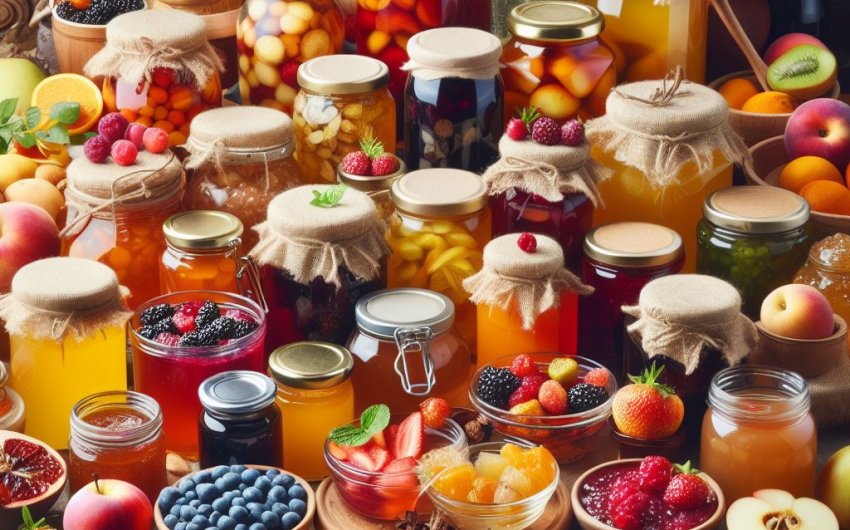
The abundance of a fruitful harvest can be incredibly rewarding, offering a bounty of fresh, delicious produce straight from your garden or local market. However, when you find yourself with more peaches, berries, or apples than you can possibly eat fresh, the challenge shifts to how to capture that seasonal goodness for enjoyment throughout the year. Beyond basic jams and jellies, there are many creative recipes for preserving excess fruit harvests, transforming your surplus into delightful, long-lasting treats.
What Are the Basics of Fruit Preservation and Why Bother?
Understanding the fundamental goals of fruit preservation and its benefits can help you choose the best methods for your excess bounty.
Why Preserve Fruit in the First Place?
Preserving fruit goes beyond simply avoiding waste; it offers numerous advantages.
- Enjoy Seasonal Flavors Year-Round: Imagine savoring the taste of summer peaches in the dead of winter or tart cherries in spring. Preservation allows you to extend the fleeting joy of seasonal fruits.
- Reduce Food Waste: It's an eco-friendly way to use up an abundant harvest, preventing perfectly good fruit from spoiling.
- Cost Savings: If you grow your own fruit or buy in bulk during peak season, preserving it at home is often much cheaper than buying processed fruit products later.
- Control Ingredients: When you preserve at home, you control the amount of sugar, preservatives, and other ingredients, allowing for healthier or allergen-free options.
- Homemade Goodness: Nothing beats the taste and pride of homemade jams, fruit leathers, or canned goods made with your own hands.
- Emergency Preparedness: Having a pantry stocked with preserved foods provides a sense of security and preparedness.
What Are the Main Methods of Fruit Preservation?
Different methods suit different fruits and desired outcomes.
- Canning: Involves sealing fruit in jars and heating them to a temperature that destroys spoilage organisms. This creates a vacuum seal that keeps the food safe and shelf-stable. Most fruits are acidic enough for water bath canning, while low-acid fruits or mixtures require a pressure canner. A water bath canner kit is essential for beginners.
- Freezing: Simple and effective. Freezing halts the growth of microorganisms and slows down enzymatic reactions that cause spoilage. Fruits can be frozen whole, sliced, or pureed.
- Drying/Dehydrating: Removes moisture from the fruit, inhibiting microbial growth. Can be done in a food dehydrator, oven, or even in the sun.
- Fermentation: Uses beneficial microorganisms to convert sugars into acids, alcohol, or gases, which preserves the food. Think fruit wines, vinegars, or kombucha.
- Jellying/Jamming: Involves cooking fruit with sugar and often pectin to create a spreadable gel. The high sugar content and acidity act as preservatives.
- Pickling: Though more common for vegetables, some fruits (like peaches or pears) can be pickled in a vinegar solution for a sweet-sour taste.
What Equipment is Good to Have for Fruit Preservation?
Having the right tools makes the process smoother and safer.
- Jars and Lids: Mason jars specifically designed for canning are essential. Always use new lids for canning.
- Canning Tools: A jar lifter, canning funnel, and headspace tool are invaluable for safe and efficient canning. You can often find a canning tools set.
- Large Pot: For water bath canning, you need a pot large enough to submerge your jars by at least 1 inch of water.
- Food Dehydrator: If you plan on drying a lot of fruit, a food dehydrator offers precise temperature control.
- Freezer Bags/Containers: For freezing, use freezer-safe bags or rigid containers to prevent freezer burn.
- Blender/Food Processor: Useful for pureeing fruits for jams, sauces, or fruit leathers.
- Large Bowls and Utensils: For prepping and mixing.
- Kitchen Scale: For accurate measurements, especially if following recipes that use weight.
What Are Some Creative Canning Recipes for Fruit?
Beyond basic jam, canning offers a world of savory and sweet possibilities.
1. Spiced Fruit Butters (Apple, Pear, Peach)
Fruit butter is a highly concentrated, smooth fruit spread, cooked down until very thick and often spiced. It's less sweet than jam and incredibly rich in flavor.
- Process: Cook pureed fruit with spices (cinnamon, nutmeg, cloves, allspice) and a small amount of sugar until it reduces significantly and becomes very thick, almost spreadable like soft butter. It should hold its shape on a spoon.
- Flavor Boosts: Add a splash of apple cider vinegar for tang, or a touch of vanilla extract at the end. For an extra kick, a small amount of ginger or cardamom can be transformative.
- Canning Method: Water bath can. Process according to specific recipe times (usually 10-15 minutes for half-pint or pint jars).
2. Savory Fruit Chutneys (Peach, Apple, Cherry, Plum)
Chutneys are chunky, savory-sweet condiments with a tangy kick, often including vinegar, sugar, spices, and sometimes onions or peppers. They're excellent with roasted meats, cheese, or curries.
- Process: Combine diced fruit with vinegar, sugar (brown sugar or molasses can add depth), onions, garlic, ginger, and a blend of spices like mustard seeds, cumin, coriander, and chili flakes. Simmer slowly until thick.
- Creative Pairings: Peach chutney with ginger and red pepper flakes; apple chutney with curry powder and raisins; cherry chutney with balsamic vinegar and black pepper.
- Canning Method: Water bath can. Processing times vary by recipe, usually 10-20 minutes for pint jars.
3. Pickled Fruits (Peaches, Pears, Grapes, Cherries)
Pickling fruit offers a unique sweet-and-sour flavor profile, perfect for adding a gourmet touch to charcuterie boards, salads, or alongside rich meats.
- Process: Simmer fruit in a brine made of vinegar (apple cider or white vinegar), water, sugar, and spices (cinnamon sticks, star anise, cloves, peppercorns). Pack hot fruit and brine into jars.
- Unique Uses: Serve pickled peaches with grilled pork, pickled pears with blue cheese, or pickled grapes in a green salad.
- Canning Method: Water bath can. Typically 15-20 minutes for pint jars. Ensure fruit is firm to hold its shape.
4. Fruit Pie Fillings (Apple, Cherry, Berry)
Having ready-to-use canned pie filling saves immense time later when you want to bake.
- Process: Prepare fruit with a thickening agent (like clearjel, a modified cornstarch safe for canning), sugar, and spices. Pack hot into jars.
- Safety Note: Use clearjel, not cornstarch or flour, as they can cause safety issues or separate in canning. Follow a tested recipe precisely.
- Canning Method: Water bath can. Processing times are usually longer (e.g., 20-30 minutes for quart jars) due to density.
5. Fruit Cocktail in Light Syrup
A classic, but homemade version offers far superior taste and control over sweetness.
- Process: Dice a mix of complementary fruits (peaches, pears, grapes, cherries, pineapple). Prepare a light sugar syrup. Pack fruit into jars and cover with hot syrup.
- Variety is Key: Experiment with unusual combinations beyond the traditional mix.
- Canning Method: Water bath can. Usually 20-25 minutes for quart jars.
What Are Some Innovative Freezing Recipes for Fruit?
Freezing is the simplest method, and these ideas go beyond just throwing fruit into a bag.
1. Pre-Portioned Smoothie Packs
Prepare ingredients for quick, healthy breakfasts.
- Process: Combine washed and pre-cut fruit (berries, bananas, mango, pineapple, spinach/kale if desired) into individual freezer-safe bags or containers.
- Customization: Label with the type of smoothie and any additional ingredients needed (e.g., "Add yogurt and almond milk").
- Usage: Just dump the contents into a blender with liquid and blend!
2. Fruit Purees for Sauces and Desserts
Versatile purees can be used in countless ways.
- Process: Wash and cut fruit. Cook lightly until soft (optional), then puree in a blender or food processor until smooth. You can strain for a finer texture. Freeze in ice cube trays for small portions, then transfer to freezer bags.
- Uses: Stir into yogurt, oatmeal, pancake batter, make fruit sauces for ice cream or cheesecake, or use as a base for sorbets. Think silicone ice cube trays with lids for easy portioning.
- Flavor Additions: Add a touch of citrus juice (lemon, lime) to brighten flavor and prevent browning for some fruits.
3. Whole Fruit for Baking
Flash freezing whole or sliced fruit prevents it from clumping, making it easier to use later.
- Process: Wash and pat dry fruit. Arrange in a single layer on a baking sheet lined with parchment paper. Freeze until solid (1-2 hours). Transfer to freezer bags, removing as much air as possible.
- Perfect for: Blueberries, raspberries, cranberries, sliced peaches or apples.
- Usage: Use directly from frozen in pies, crumbles, muffins, or tarts. No need to thaw.
4. Fruit Infused Ice Cubes
Add a touch of elegance and flavor to drinks.
- Process: Place small pieces of fruit (berries, mint leaves, citrus zest) in ice cube trays. Fill with water or juice. Freeze until solid.
- Uses: Drop into water, sparkling water, cocktails, or iced tea for a burst of flavor and visual appeal.
5. Fruit Syrup Concentrates
Concentrated fruit syrup that can be diluted later.
- Process: Simmer fruit with a small amount of water and sugar until soft. Strain the liquid, pressing gently to extract all juice. Reduce the liquid over medium heat until it becomes a thick syrup. Cool and freeze in small containers or ice cube trays.
- Uses: Dilute with sparkling water for homemade soda, drizzle over pancakes, mix into cocktails, or use as a base for glazes.
What Are Some Delicious Dehydrating Recipes for Fruit?
Drying fruit creates chewy, intense flavor bombs that are shelf-stable.
1. Gourmet Fruit Leathers (Fruit Roll-Ups)
A healthy, chewy snack for kids and adults alike.
- Process: Puree fruit (berries, apples, peaches, mango) until smooth. Sweeten lightly if desired. Spread a thin, even layer (about 1/8 inch thick) onto parchment-lined dehydrator trays or silicone fruit leather sheets. Dehydrate at a low temperature (135°F / 57°C) until pliable and no longer sticky.
- Flavor Combinations: Strawberry-banana, apple-cinnamon, mango-ginger.
- Storage: Roll up in parchment paper and store in an airtight container. A food dehydrator with fruit leather trays is ideal.
2. Crispy Fruit Chips (Apple, Pear, Banana, Persimmon)
Thinly sliced and dehydrated, these are satisfyingly crunchy.
- Process: Slice fruit very thinly using a mandoline for evenness. Arrange in a single layer on dehydrator trays. Dehydrate at 135°F (57°C) until crisp.
- Tips for Crispness: Pre-soaking apple/pear slices in lemon water can prevent browning. Flipping slices occasionally helps even drying.
- Uses: A healthy snack on their own, or crumbled over oatmeal and yogurt.
3. DIY Dried Fruit Mixes
Combine various dried fruits for custom trail mixes.
- Process: Dehydrate individual fruits (grapes for raisins, cranberries, cherries, apricots). Once dried, combine with nuts, seeds, and perhaps a few chocolate chips.
- Customization: Create mixes for hiking, school lunches, or just snacking.
- Storage: Store in airtight containers in a cool, dark place.
4. Powdered Fruit for Flavoring
Concentrated fruit powder can be used in baking and drinks.
- Process: Completely dehydrate fruit until brittle. Grind into a fine powder using a coffee grinder or high-speed blender.
- Uses: Add to smoothies, yogurt, pancake mixes, frostings, or as a natural food coloring. Raspberry powder for a delicate pink frosting, for example.
5. Fruit Tea Blends
Combine dried fruit pieces with herbs for flavorful teas.
- Process: Dehydrate small pieces of fruit (berries, apple chunks, orange peel). Combine with dried herbs like mint, lemon verbena, or hibiscus.
- Usage: Steep in hot water for a refreshing and healthy herbal tea.
What Are Some Fermentation and Other Unique Fruit Preservation Ideas?
Step outside the box with these less common but equally rewarding methods.
1. Homemade Fruit Vinegars (Raspberry, Peach, Blackberry)
A flavorful way to use fruit, resulting in a versatile culinary ingredient.
- Process: Combine fruit with raw apple cider vinegar and a little sugar. Let it sit in a clean jar for a few weeks, stirring occasionally, allowing it to ferment slightly and infuse. Strain and bottle.
- Uses: Dressings, marinades, shrubs (drinking vinegars), or as a splash of acidity in cooking.
- Safety Note: Ensure fruit is fully submerged to prevent mold during infusion.
2. Fruit Shrubs (Drinking Vinegars)
A delightful, tangy, and refreshing beverage base.
- Process: Muddle fruit with sugar (this creates a "syrup"). Let sit for a few hours or overnight. Strain the fruit solids. Combine the fruit syrup with apple cider vinegar. Store in the refrigerator.
- Uses: Mix with sparkling water for a refreshing drink, or use as a mixer in cocktails.
- Flavor Combinations: Peach-ginger, blackberry-mint, strawberry-basil.
3. Fruit Kvass (Beetroot, Berry, or Apple)
A fermented, lightly effervescent drink, traditional in Eastern Europe.
- Process: Combine fruit (berries, chopped apples), water, and a starter culture (like whey or a bit of kombucha scoby) or a pinch of salt. Let it ferment for a few days, then strain and chill.
- Benefits: Probiotic-rich and incredibly refreshing.
- Safety Note: Be aware of pressure buildup from fermentation; "burp" jars daily.
4. Candied Fruits and Fruit Peels
A sweet, chewy treat perfect for baking or snacking.
- Process: Simmer fruit pieces or citrus peels in a sugar syrup until translucent. Drain, then toss with granulated sugar until coated. Dry thoroughly.
- Uses: Great for adding to fruitcakes, scones, or as a decorative garnish. Orange, lemon, and grapefruit peels are popular.
5. Homemade Fruit Extracts
Capture intense fruit flavor in an alcohol base.
- Process: Pack fresh, cleaned fruit into a jar and cover completely with high-proof alcohol (like vodka). Seal and let infuse for several weeks or months in a cool, dark place, shaking occasionally. Strain and bottle.
- Uses: Flavoring for baking, desserts, cocktails, or homemade candies. Raspberry, cherry, and citrus extracts are popular.
- Safety Note: Use food-grade alcohol.
What Are Essential Safety and Storage Tips for Preserved Fruits?
No matter how creative your recipe, proper safety and storage are paramount to enjoying your preserved bounty.
What are the Key Canning Safety Rules?
- Use Tested Recipes: Always use recipes from reliable sources (like university extension offices, Ball Blue Book Guide to Preserving, National Center for Home Food Preservation) that are specifically tested for safety. Do NOT invent your own canning recipes.
- Cleanliness is Crucial: Sterilize jars and ensure all equipment is clean.
- New Lids: Always use new canning lids (flats) for proper sealing. Bands can be reused.
- Correct Headspace: Leave the amount of space at the top of the jar (headspace) specified in the recipe. Too little or too much can affect the seal.
- Proper Processing Time: Process jars for the exact time and temperature specified in the recipe for your altitude. Under-processing can lead to spoilage; over-processing can affect quality.
- Check Seals: After jars cool for 12-24 hours, check for a proper seal. The lid should be concave (curved inwards) and not flex when pressed. If a jar doesn't seal, refrigerate and use within a few days or re-process with a new lid.
- Don't Eat if Spoiled: If a jar's lid is bulging, liquid is cloudy, or it smells off, do not taste it. Discard immediately.
How Do You Properly Freeze Fruit?
- Blanching (for some fruits): Some fruits (like peaches and apples) benefit from a quick blanch (briefly dipping in boiling water then immediately in ice water) to prevent browning and preserve quality, though it's optional for many soft fruits used in smoothies or purees.
- Pack Tightly: Remove as much air as possible from freezer bags or containers to prevent freezer burn. A vacuum sealer can be very beneficial.
- Label and Date: Always label containers with the contents and date of freezing.
- Freezer Life: Most frozen fruits are best used within 8-12 months for optimal quality.
What About Drying and Dehydrating Storage?
- Complete Dryness: Ensure fruit is completely dry and leathery (or crisp for chips) before storing. Any remaining moisture can lead to mold.
- Cool Down: Let dried fruit cool completely before packing.
- Airtight Containers: Store in airtight containers (glass jars, vacuum-sealed bags) in a cool, dark place.
- Conditioning (for larger batches): For larger batches, "condition" the fruit by placing it loosely in a container for a week, shaking daily. If moisture appears, return to the dehydrator. This helps distribute any remaining moisture evenly.
General Storage Tips for All Preserved Goods:
- Cool, Dark Place: Store most preserved foods (canned goods, dried goods) in a cool, dark pantry or cellar. Heat and light can degrade quality and shelf life.
- Label Clearly: Always label your preserved goods with the contents and the date it was processed. This helps with inventory and ensures you use older batches first.
- Keep it Organized: An organized pantry makes it easier to find what you need and prevents forgotten jars from languishing.
By embracing these creative recipes for preserving excess fruit harvests, you can transform a seasonal abundance into a year-round pantry of delicious, homemade goodness, reducing waste and enjoying the flavors of the harvest long after the season ends.