
How Do I Choose the Right Fertilizer for My Soil Type?
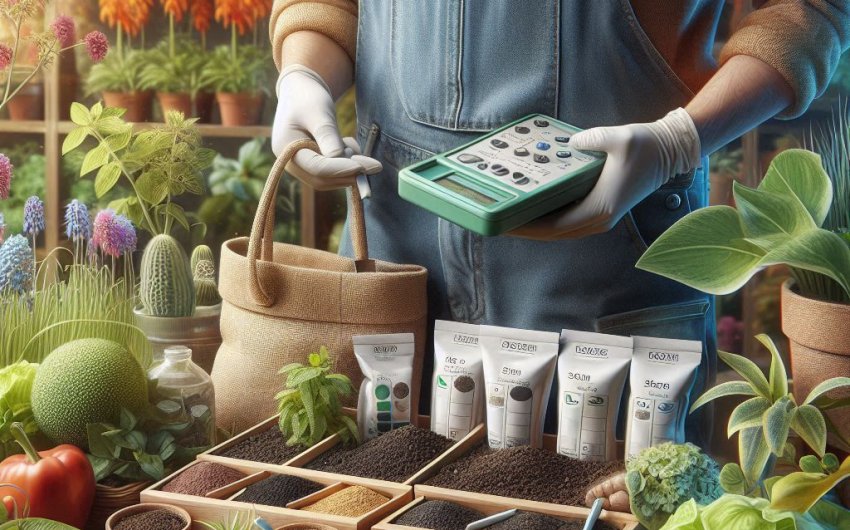
Choosing the right fertilizer can feel like a puzzle. With so many numbers and types on the shelves, it’s easy to get confused. But picking the best fertilizer is key to a healthy garden, lawn, or even potted plants. The secret lies in understanding your soil type and what your plants really need. This guide will walk you through the process, making fertilizer selection simple and effective.
Why is Knowing Your Soil Type Crucial for Fertilizing?
Before you even think about buying fertilizer, you need to understand your soil. Your soil isn't just dirt; it's a complex living system that provides plants with water, air, and most importantly, nutrients. Different soil types hold nutrients and water differently, and they also affect how plants can access those nutrients.
What is a Soil Test and Why Do You Need One?
The absolute best way to know what fertilizer your soil needs is to get a soil test. This is like getting a blood test for your garden. A soil test tells you:
- Nutrient Levels: It shows how much nitrogen (N), phosphorus (P), and potassium (K) are already in your soil, along with important micronutrients.
- pH Level: This is a measure of how acidic or alkaline your soil is. The pH level is super important because it controls how easily plants can take up nutrients. Even if nutrients are present, they might be "locked up" if the pH is wrong. Most plants like a pH between 6.0 and 7.0 (slightly acidic to neutral).
- Organic Matter Content: This tells you how much living and decaying material is in your soil, which is a sign of soil health.
How to get a soil test:
- Contact Your Local Extension Office: This is usually the best place to start. Many university extension offices offer inexpensive soil testing services. They'll give you a kit with instructions on how to collect your soil sample.
- Collect Samples: You'll typically need to take small samples from several spots in your garden, mix them together, and send them in. Make sure to follow their instructions exactly.
- Read the Results: The report will tell you what your soil is missing and recommend specific fertilizer types and amounts. It will also tell you if your pH needs adjusting.
Without a soil test, you're just guessing. You might apply too much of a nutrient your soil already has, which can harm plants or pollute the environment. Or, you might apply the wrong kind of fertilizer that doesn't fix the real problem. You can find simple home soil test kits if a professional test isn't available, but professional tests are usually more detailed.
How Does Soil Texture (Sand, Silt, Clay) Affect Fertilizing?
Beyond nutrients, the physical makeup of your soil matters a lot. This is called soil texture, and it's based on the size of the mineral particles: sand, silt, and clay.
- Sandy Soil:
- Feel: Gritty, loose.
- Drainage: Drains very quickly.
- Nutrient Holding: Poor at holding onto nutrients. Water and nutrients wash away easily (leaching).
- Fertilizing Implications: Needs more frequent, lighter applications of fertilizer, especially slow-release types. Benefits greatly from organic matter to improve nutrient and water retention.
- Silty Soil:
- Feel: Smooth, like flour.
- Drainage: Drains moderately well, holds moisture better than sand.
- Nutrient Holding: Good at holding nutrients.
- Fertilizing Implications: Generally fertile, but can compact easily. Regular additions of organic matter are beneficial.
- Clay Soil:
- Feel: Sticky when wet, hard when dry, can be molded.
- Drainage: Drains very slowly, often gets waterlogged.
- Nutrient Holding: Excellent at holding nutrients, but they can be tightly bound and less available to plants if compacted.
- Fertilizing Implications: Benefits hugely from organic matter to improve drainage and aeration. Less frequent fertilizer applications might be needed, as nutrients stick around. Avoid over-fertilizing, as it can build up salts.
- Loam Soil:
- Feel: Crumbly, ideal.
- Drainage: Drains well but retains enough moisture.
- Nutrient Holding: Good balance, holds nutrients well.
- Fertilizing Implications: The "perfect" soil type. Still benefits from organic matter and balanced fertilizer as needed.
Adding organic matter (like compost, well-rotted manure, or leaf mold) is almost always a good idea, regardless of your soil type. It improves drainage in clay soil, helps sandy soil hold water and nutrients, and boosts overall soil health. You can find high-quality organic compost readily available.
How Does Soil pH Affect Nutrient Availability?
Soil pH is a measure of how acidic or alkaline your soil is, on a scale of 0 to 14. A pH of 7.0 is neutral. Below 7.0 is acidic, and above 7.0 is alkaline (or basic).
Why is pH so critical? Because it directly impacts the availability of nutrients to plants.
- Nutrient Lock-up: Most plant nutrients are most available to plants when the soil pH is slightly acidic to neutral (between 6.0 and 7.0). If the pH is too high or too low, even if a nutrient is present in the soil, the plant might not be able to absorb it. It's like having food in the fridge but not being able to open the door.
- Plant Preferences: Different plants have different pH preferences. Blueberries and azaleas, for example, love acidic soil (low pH), while lavender and clematis prefer slightly alkaline soil (higher pH).
Adjusting pH:
- To raise pH (make it less acidic/more alkaline): Add limestone (calcium carbonate). Dolomitic limestone also adds magnesium.
- To lower pH (make it more acidic): Add elemental sulfur, aluminum sulfate, or peat moss.
- Avoid Quick Fixes: Changing soil pH takes time, especially with limestone or sulfur. Follow soil test recommendations carefully.
If your pH is severely off, correcting it might be more important than applying fertilizer, because until the pH is right, your plants won't be able to use the fertilizer effectively anyway. You can find various soil pH adjusters to help balance your garden's chemistry.
What Do the Numbers on Fertilizer Bags Mean?
Every fertilizer bag has three numbers prominently displayed, like "10-10-10" or "20-5-10." This is called the N-P-K ratio, and it tells you the percentage by weight of the three main macronutrients in the fertilizer.
What Do N-P-K Stand For?
The N-P-K ratio represents the percentage of Nitrogen (N), Phosphorus (P) (as phosphate), and Potassium (K) (as potash). These are the three most important nutrients that plants need in large amounts, hence "macro" nutrients.
- N - Nitrogen:
- Role: Promotes lush, green, leafy growth. Essential for photosynthesis and protein formation.
- Signs of Deficiency: Yellowing leaves (especially older ones), stunted growth, pale green color.
- When to Use: For lawns, leafy vegetables (like lettuce, spinach), or any plant where green growth is desired.
- Too Much: Can lead to excessive leafy growth at the expense of flowers or fruits, weak stems, and increased susceptibility to disease. It can also cause "lawn burn."
- P - Phosphorus:
- Role: Crucial for root development, flowering, fruiting, and seed production. Helps plants transfer energy.
- Signs of Deficiency: Purple or reddish discoloration on leaves (especially underside), poor flowering or fruiting, stunted root growth.
- When to Use: For new plants, transplants, flowering plants, fruit trees, or vegetables (tomatoes, peppers).
- Too Much: Can bind with other nutrients in the soil (like zinc or iron), making them unavailable to plants. Can also contribute to water pollution.
- K - Potassium (Potash):
- Role: Helps plants fight off diseases, tolerate drought and cold, and aids in overall plant strength and vigor. Involved in water regulation and nutrient movement.
- Signs of Deficiency: Yellowing or browning along leaf edges, weak stems, poor fruit quality, increased disease susceptibility.
- When to Use: For overall plant health, especially during stress periods, or for plants needing strong fruiting/flowering.
- Too Much: Usually less harmful than too much N or P, but can sometimes interfere with the uptake of other nutrients like magnesium.
An N-P-K ratio of 10-5-10 means the fertilizer contains 10% Nitrogen, 5% Phosphorus, and 10% Potassium by weight. The rest is filler or other micronutrients.
What are Micronutrients and Why Are They Important?
While N-P-K are the macronutrients (needed in large amounts), plants also need tiny amounts of other nutrients called micronutrients. These include:
- Iron (Fe): Essential for chlorophyll production (green color). Deficiency causes chlorosis (yellowing between leaf veins).
- Manganese (Mn): Involved in photosynthesis and enzyme activity.
- Zinc (Zn): Important for plant growth hormones.
- Copper (Cu): Aids in enzyme activation.
- Boron (B): Important for cell wall formation and pollination.
- Molybdenum (Mo): Needed for nitrogen use.
- Chlorine (Cl): Involved in osmosis and water balance.
Why they are important: Even though plants only need small amounts, a deficiency in any one micronutrient can severely impact plant health. Think of them like vitamins for humans – you only need a little, but they are vital.
When to consider micronutrients:
- Soil Test: A soil test will usually tell you if you have any micronutrient deficiencies.
- Specific Symptoms: If your plants show specific yellowing or stunting that doesn't clear up with N-P-K, a micronutrient deficiency might be the cause.
- Certain Soil Types: Very sandy soils or soils with high pH can sometimes have micronutrient issues.
Many general-purpose fertilizers will include some micronutrients. You can also buy specialized micronutrient supplements if your soil test shows a specific deficiency. A good lawn micronutrient supplement can address specific issues.
What is the Difference Between Granular and Liquid Fertilizers?
Fertilizers come in two main physical forms: granular and liquid. Each has its pros and cons.
- Granular Fertilizers:
- Form: Small, solid pellets or particles.
- Application: Spread over the soil surface using a spreader (broadcast or drop).
- Release: Can be quick-release (dissolve fast, provide quick boost, but can leach or burn) or slow-release (dissolve slowly over weeks or months, provide steady feeding, less risk of burn).
- Pros: Easy to apply, less frequent application needed (especially slow-release), generally cheaper per pound of nutrient.
- Cons: Can be unevenly applied if not careful, quick-release types can cause "burn" if over-applied or not watered in.
- Best For: Lawns, large garden beds, long-term feeding. You can find effective slow release granular fertilizer for consistent feeding.
- Liquid Fertilizers:
- Form: Concentrated liquid that needs to be diluted with water, or a pre-mixed ready-to-spray product.
- Application: Applied with a sprayer directly to the leaves (foliar feeding) or to the soil around the plant.
- Release: Very quick-release; plants absorb nutrients almost immediately.
- Pros: Provides a fast nutrient boost, easy to apply evenly, can be used for foliar feeding, good for delicate plants or quick recovery.
- Cons: Needs more frequent application, generally more expensive per pound of nutrient, doesn't build soil health long-term as much as granular.
- Best For: Potted plants, small gardens, seedlings, quick fixes for nutrient deficiencies, organic gardening (many organic liquids exist). A versatile liquid plant fertilizer for vegetables is great for targeted feeding.
Many gardeners use a combination of both: granular slow-release for overall maintenance and liquid for specific boosts or foliar feeding.
What are the Different Types of Fertilizers?
Beyond N-P-K and form, fertilizers also differ in their origin: are they natural and derived from living things (organic), or are they manufactured (synthetic)?
What are Organic Fertilizers and Their Benefits?
Organic fertilizers are derived from natural sources, usually plant or animal matter. They include things like compost, manure, bone meal, blood meal, fish emulsion, and alfalfa meal.
Benefits of Organic Fertilizers:
- Improve Soil Health: They don't just feed the plant; they feed the soil microbes. These microbes break down the organic matter, releasing nutrients slowly and improving soil structure, drainage, and water retention over time. This creates a healthier, more living soil.
- Slow-Release: Nutrients are released gradually as microbes decompose the material, providing a steady supply of food to plants and reducing the risk of "burn."
- Environmentally Friendly: Less likely to leach into waterways and cause pollution.
- Safe: Generally safer for children, pets, and beneficial insects if applied correctly.
- Contain Micronutrients: Often contain a wider range of micronutrients that may not be listed on the label.
Drawbacks:
- Slower Acting: Not ideal for an immediate nutrient boost.
- Lower N-P-K: Nutrient concentrations are typically lower than synthetic fertilizers, so you might need to apply more volume.
- Smell: Some (like fish emulsion or manure) can have a strong odor.
Examples of popular organic fertilizers:
- Compost: The ultimate soil amendment. Improves everything about your soil.
- Bone Meal: High in Phosphorus (good for roots and blooms).
- Blood Meal: High in Nitrogen (good for leafy growth).
- Fish Emulsion: A liquid organic fertilizer, good for a quick N boost. You can find excellent organic fish emulsion fertilizer for a rapid, natural boost.
- Alfalfa Meal: Provides a balanced array of nutrients and acts as a soil conditioner.
Organic fertilizers are excellent for building long-term soil fertility and creating a robust, sustainable garden ecosystem.
What are Synthetic Fertilizers and Their Benefits?
Synthetic fertilizers, also known as chemical or inorganic fertilizers, are manufactured in factories using chemical processes. They are highly concentrated and precisely formulated.
Benefits of Synthetic Fertilizers:
- Fast-Acting: Nutrients are immediately available to plants, providing a quick boost of growth or color.
- Precise N-P-K Ratio: Easy to know exactly what nutrients you are applying and in what amounts.
- Higher Concentration: Less product is needed to deliver the same amount of nutrients compared to organic fertilizers.
- Cost-Effective (Per Nutrient): Often cheaper per pound of nutrient.
- Odorless: No strong smells, which can be a plus for urban gardens or indoor plants.
Drawbacks:
- Don't Improve Soil Health: They feed the plant directly but don't add organic matter or significantly improve soil structure or microbial life. Over time, they can even deplete soil health.
- Risk of Burn: Easy to over-apply, leading to "fertilizer burn" (yellowing or browning of leaves).
- Leaching: More prone to leaching into groundwater or runoff, potentially polluting waterways.
- Nutrient Imbalance: Can lead to a buildup of salts in the soil over time.
Examples of common synthetic fertilizers:
- Urea (46-0-0): High Nitrogen for green-up.
- Triple Superphosphate (0-45-0): High Phosphorus.
- Muriate of Potash (0-0-60): High Potassium.
- Balanced Fertilizers (e.g., 10-10-10, 20-20-20): Provide equal or near-equal amounts of N-P-K. A widely used all purpose synthetic fertilizer offers a balanced blend.
Synthetic fertilizers are good for quick results or addressing specific, immediate nutrient deficiencies, but they are generally not the best choice for long-term soil building.
When to Use Specialized Fertilizers (e.g., Lawn, Rose, Tomato)?
Beyond general-purpose fertilizers, you'll see many specialized products tailored for specific plants or situations.
- Lawn Fertilizers: Often have a high first number (Nitrogen) to promote green, leafy grass growth (e.g., 20-5-10 or 30-0-4). Some also contain weed control chemicals (weed and feed products). Look for slow-release nitrogen for lawns to prevent surge growth and reduce frequent mowing. A good slow release lawn fertilizer helps keep your lawn consistently green.
- Rose Fertilizers: Tend to have slightly higher Phosphorus and Potassium for abundant blooms and strong roots (e.g., 5-10-5). Often contain micronutrients like iron.
- Tomato Fertilizers: Focus on Phosphorus and Potassium for fruit production, with less Nitrogen (e.g., 5-10-10 or 4-6-8). Excess Nitrogen can lead to leafy plants with few tomatoes. A specific tomato fertilizer can greatly boost your yield.
- Acid-Loving Plant Fertilizers: For plants like azaleas, rhododendrons, blueberries, and hydrangeas that prefer acidic soil. These fertilizers either contain ingredients that lower pH (like ammonium sulfate) or are formulated for use in acidic soil.
- Starter Fertilizers: High in Phosphorus to promote strong root development in new seedlings or transplants (e.g., 5-10-5 or 10-20-10).
- Bloom Boosters: Very high in Phosphorus and Potassium to encourage flowering (e.g., 0-10-10).
While these specialized fertilizers can be helpful, often a balanced general-purpose fertilizer (applied based on your soil test) combined with good soil health practices (like adding compost) is all most plants need. Use specialized fertilizers when your soil test shows a specific deficiency that matches the product's focus, or if you have plants with very specific needs.
How Do You Apply Fertilizer Correctly?
Once you've chosen the right fertilizer, applying it correctly is just as important. Incorrect application can waste product, harm your plants, or even lead to environmental issues.
What is the Correct Spreader for Granular Fertilizer?
For applying granular fertilizers to your lawn or large garden areas, a spreader is essential for even coverage. Trying to spread by hand almost always results in uneven application, leading to patches of over-fertilized, burnt grass next to under-fertilized, pale grass.
- Broadcast Spreader (Rotary Spreader):
- How it Works: Has a hopper for the fertilizer and a rotating plate that throws the granules in a wide arc (like a fan).
- Best For: Large and medium-sized lawns. They are fast and efficient.
- Tips: Walk at a consistent pace. Overlap slightly to ensure complete coverage without doubling up too much. Be careful near hard surfaces (driveways, sidewalks) as granules can scatter. A dependable broadcast lawn spreader is a great investment for homeowners.
- Drop Spreader:
- How it Works: Drops the fertilizer straight down in a precise band directly beneath the hopper.
- Best For: Smaller lawns, irregular shapes, or when you need very precise application, such as seeding or fertilizing near garden beds where you don't want fertilizer to land.
- Tips: Make sure to overlap passes slightly to avoid stripes. You'll need to make more passes than with a broadcast spreader.
Crucial Step: Always read the fertilizer bag and your spreader's instructions for the correct setting. Most fertilizer bags will recommend a setting for various spreader brands. This ensures you apply the correct amount of product per square foot.
How Do You Mix and Apply Liquid Fertilizer?
Liquid fertilizers are great for quick nutrient boosts and can be applied directly to the leaves (foliar feeding) or as a drench to the soil.
- Dilution: Liquid fertilizers are almost always concentrated and must be diluted with water before use. The fertilizer label will give precise dilution ratios (e.g., "mix 1 tablespoon per gallon of water").
- Mixing: Measure the fertilizer and water carefully. Use a dedicated bucket or watering can for mixing.
- Application Methods:
- Watering Can: For small garden beds or individual plants. Mix, then simply pour around the base of the plant.
- Hose-End Sprayer: These attach to your garden hose and automatically mix the concentrate with water as you spray. They are convenient for larger areas like lawns or shrubs. A good hose end fertilizer sprayer makes application easy.
- Pump Sprayer: A handheld or backpack sprayer that you pump to build pressure. Good for foliar feeding or targeted application.
- Foliar Feeding: When spraying leaves, ensure thorough coverage, including the undersides of leaves where some nutrients are absorbed. Avoid spraying in direct hot sun, as it can burn leaves. Early morning or late afternoon is best.
- Soil Drench: Water the soil thoroughly around the plant roots. This is the most common method for houseplants and general garden use.
Always wear gloves and eye protection when mixing and applying liquid fertilizers.
What is Fertilizer Burn and How Do You Avoid It?
Fertilizer burn happens when you apply too much fertilizer, especially synthetic quick-release fertilizers, or apply it incorrectly. The high salt content of the fertilizer draws water out of the plant cells, causing the plant tissue to dehydrate and die.
Signs of Fertilizer Burn:
- Lawn: Irregular brown or yellow patches that look like drought stress, but occur quickly after fertilizing. The tips of the grass blades might look crispy.
- Garden Plants: Brown or yellow leaf tips or edges, stunted growth, wilting despite adequate water.
How to Avoid Fertilizer Burn:
- Always Read the Label: This is the most important rule. Follow the recommended application rates exactly. More is NOT better.
- Calibrate Your Spreader: Ensure your spreader is set correctly for the product you are using.
- Apply to Dry Foliage (for Granular): When applying granular fertilizer to your lawn, the grass should be dry. Then, water the lawn thoroughly immediately after applying. This washes the fertilizer off the grass blades and into the soil, preventing it from sitting on the blades and causing burn.
- Don't Overlap Excessively: With broadcast spreaders, be careful not to apply too much in one spot or overlap passes too heavily.
- Avoid Wet Spots: Don't apply granular fertilizer to areas where water has pooled, as this can concentrate the fertilizer.
- Water In Immediately: This step is crucial for granular fertilizers.
- Dilute Liquid Fertilizers Correctly: Never apply liquid fertilizer at a stronger concentration than recommended.
- Apply at the Right Time: Avoid fertilizing during very hot, dry weather when plants are already stressed.
- Don't Fertilize Dormant Plants: Don't fertilize a dormant lawn or plant; it won't use the nutrients and could get damaged.
If you accidentally over-apply fertilizer, try to immediately water the area heavily to flush the salts deeper into the soil and away from the roots.
When is the Best Time to Fertilize?
Knowing when to fertilize is almost as important as knowing what to use. Timing your fertilizer applications correctly ensures your plants get nutrients when they need them most.
What is the Best Time to Fertilize a Lawn?
The best time to fertilize your lawn depends on your grass type (cool-season or warm-season) and your climate.
- Cool-Season Grasses (e.g., Kentucky Bluegrass, Fescue, Ryegrass):
- Primary Feeding: Fall (September to November) is the most important time. This application helps roots store food for winter and green up quickly in spring. A key fall fertilizer application is important.
- Secondary Feeding: Early spring (March to April) when grass is actively growing. This helps with green-up after winter.
- Optional: A light feeding in late spring/early summer. Avoid heavy feeding in summer, as cool-season grasses go dormant in heat.
- Warm-Season Grasses (e.g., Bermuda, Zoysia, St. Augustine, Centipede):
- Primary Feeding: Late spring (April to June) when the grass has fully emerged from dormancy and is actively growing.
- Secondary Feeding: Mid-summer (June to August) to support strong summer growth.
- Avoid: Do NOT fertilize warm-season grasses in the fall, especially with high nitrogen. This promotes tender new growth that can be damaged by winter cold.
General Lawn Fertilizing Tips:
- Don't Fertilize Dormant Grass: If your lawn is brown and dormant due to heat or cold, don't fertilize it. Wait until it starts actively growing again.
- Mow Before Fertilizing: This allows the fertilizer granules to reach the soil more easily.
- Water After Fertilizing: This is critical, especially for granular fertilizers, to prevent burn and help nutrients get into the soil.
Follow a lawn care schedule by season to ensure your lawn gets nutrients at the optimal times.
When Should You Fertilize Garden Plants (Flowers, Vegetables)?
Timing for garden plants (flowers, vegetables, shrubs) is more varied, as it depends on the plant's growth stage and specific needs.
- Before Planting/At Planting:
- Soil Amendment: Before planting a new bed, amend the soil with compost or other organic matter. This is the best long-term way to improve soil health.
- Starter Fertilizer: For new seedlings or transplants, a starter fertilizer (high in phosphorus) can encourage strong root development. You can find organic starter fertilizer for young plants.
- During Active Growth:
- Most annual flowers and vegetables are heavy feeders and benefit from regular feeding during their active growing and blooming/fruiting periods.
- Monthly/Bi-weekly: Use a balanced liquid fertilizer or a slow-release granular fertilizer according to package directions.
- Specific Needs: Switch to a fertilizer higher in phosphorus and potassium once flowering or fruiting begins (e.g., for tomatoes or blooming annuals).
- Perennials and Shrubs:
- Generally need less frequent feeding than annuals.
- A single application of a balanced slow-release fertilizer in early spring, as new growth emerges, is often sufficient.
- Established, healthy perennials in good soil might not need fertilizer at all.
- Trees:
- Mature trees usually don't need regular fertilizing unless a soil test indicates a specific deficiency or they show signs of stress.
- Young trees benefit from fertilizer during their establishment phase.
General Garden Plant Fertilizing Tips:
- Don't Fertilize Dormant Plants: Just like lawns, do not fertilize plants that are dormant (e.g., deciduous shrubs in winter, or perennials after they die back).
- Water Before Fertilizing: If using a granular fertilizer, water the plant a day before to moisten the soil. This helps prevent root burn.
- Follow Package Directions: Always adhere to the specific application rates and frequencies on the fertilizer label.
- Monitor Your Plants: The best indicator of what your plants need is how they look. Yellowing leaves, stunted growth, or poor flowering can signal a nutrient deficiency (or a pest/disease issue, so investigate first!).