
What Are the Signs of Nutrient Deficiency in Plants?
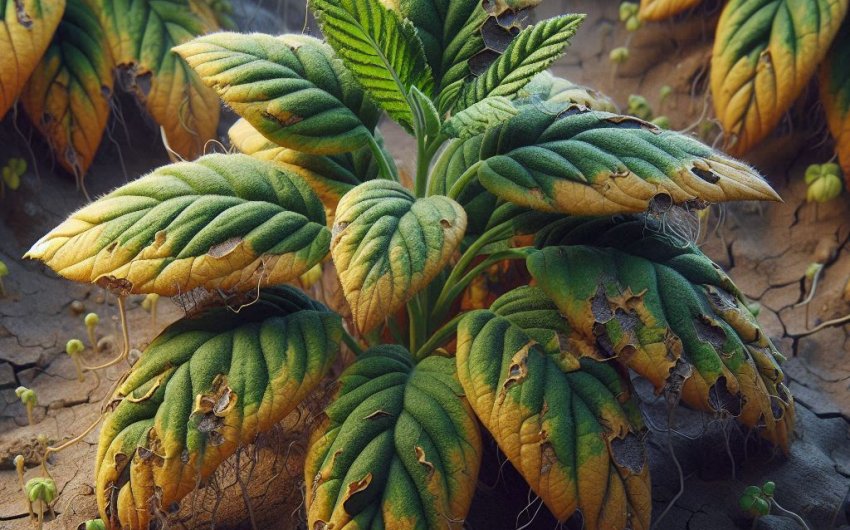
Your plants are telling you a story. Every yellowing leaf, every stunted stem, every strange spot is a message, a quiet plea for something they need. Just like us, plants require a balanced diet to thrive. When they don't get enough of a certain nutrient, they start showing signs of stress. These signs are often subtle at first, then become more pronounced as the deficiency worsens. Learning to "read" your plants is a powerful skill for any gardener, whether you're growing a few herbs on your windowsill or tending to a sprawling vegetable patch. It allows you to catch problems early, before they seriously impact your harvest or the health of your beloved greenery.
Think of it like this: if you feel tired all the time and your skin looks pale, you might need more iron. Plants work in a similar way. Each nutrient plays a specific role in their growth and development. When one is missing, other processes can't happen correctly, leading to visible symptoms. Understanding these roles and recognizing the symptoms is key to becoming a successful plant parent. It's not just about watering and sunlight; it's about providing the complete package for strong, vibrant growth. So, let's explore the common signs your plants are trying to communicate their hunger.
What Are the General Signs of Nutrient Deficiency?
Before diving into specific nutrients, it's helpful to understand some general signs that might point to a nutrient problem. These symptoms often overlap, making it a bit like a detective game, but they give you a starting point.
What Does Stunted Growth Mean?
One of the most common and obvious signs of almost any nutrient deficiency is stunted growth. Your plant simply isn't getting bigger, or it's growing much slower than it should. The leaves might be small, and the stems could be thin and weak. It's like a child who isn't growing well because they're not getting enough to eat. If your plant is normally a fast grower but seems stuck, a nutrient issue is a strong possibility. This can be seen across the entire plant or sometimes concentrated in newer or older growth depending on the nutrient. For instance, a lack of nitrogen or phosphorus often leads to noticeably smaller plants overall.
What Does Discolored Leaves Indicate?
Discolored leaves are perhaps the most frequent red flag. Instead of a healthy green, leaves might turn yellow, purple, brown, or even white. The specific color and where it appears on the leaf (edges, veins, entire leaf) can give you important clues about which nutrient is missing. For example, general yellowing is very common, but the pattern of that yellowing helps narrow down the possibilities.
What Does Unusual Leaf Patterns Look Like?
Beyond simple discoloration, unusual leaf patterns are strong indicators. This might include spots, blotches, or areas where the tissue looks dead or dried out (necrosis). Sometimes, the veins stay green while the tissue between them yellows, a condition known as interveinal chlorosis. These patterns are very specific to certain nutrient deficiencies and are excellent diagnostic tools. Keep an eye out for these unique designs on your plant's foliage.
What Does Poor Flowering or Fruiting Mean?
If your plant is supposed to flower or produce fruit but isn't, or the flowers and fruits are small and deformed, it's often a sign of a nutrient issue. Phosphorus and potassium are especially crucial for flowering and fruiting. Without enough of these, your plant might put all its energy into just staying alive, neglecting the reproductive parts. You might see a lack of buds, flowers that drop off quickly, or fruits that never fully ripen.
What Are the Signs of Macronutrient Deficiency?
Macronutrients are the nutrients plants need in larger quantities. Think of them as the main course of a plant's meal. There are three primary macronutrients, often represented by the N-P-K ratio on fertilizer bags: Nitrogen (N), Phosphorus (P), and Potassium (K). Calcium (Ca), Magnesium (Mg), and Sulfur (S) are also considered macronutrients, though needed in slightly smaller amounts than N, P, or K.
What Are the Signs of Nitrogen (N) Deficiency?
Nitrogen is essential for overall plant growth, especially for creating chlorophyll, the green pigment responsible for photosynthesis. It's like the engine fuel for vegetative growth.
What Does General Yellowing of Older Leaves Mean?
The most common sign of nitrogen deficiency is general yellowing of older leaves, starting at the tips and moving inward. This is called chlorosis. Since nitrogen is a mobile nutrient, the plant can move it from older leaves to newer, more vital growth. So, the old leaves sacrifice themselves for the young ones, turning pale green, then yellow, and eventually browning and falling off. The whole plant might look light green or yellowish rather than a vibrant deep green.
What Does Stunted Growth and Small Leaves Mean?
Along with yellowing, you'll see stunted growth and small leaves. The plant just won't put on new size. Stems might be thin and weak. This is because nitrogen is a building block for proteins and enzymes needed for cell growth and division. If you've been using a low-nitrogen fertilizer or your soil is depleted, this is a likely culprit. Consider a general fertilizer with a good nitrogen component, like Miracle-Gro All-Purpose Plant Food, to boost green growth.
What Are the Signs of Phosphorus (P) Deficiency?
Phosphorus is crucial for energy transfer within the plant, root development, flowering, and fruiting. It's like the plant's energy currency.
What Does Dark Green or Purplish Leaves Indicate?
One of the most striking signs of phosphorus deficiency is that leaves, especially older ones, might turn dark green or even purplish. This purple color is often seen on the undersides of leaves and on the stems. While it might look interesting, it means the plant is struggling to process sugars. In some plants, like corn, the purple can be very obvious.
What Does Stunted Root and Shoot Growth Mean?
Since phosphorus is vital for root development, a deficiency often leads to stunted root and shoot growth. The plant might be small overall, and flowering and fruiting will be poor or absent. If you pull up a struggling plant, you might notice very small, underdeveloped roots. Flowers might not form, or they might drop off prematurely. If you're looking to boost flowering and fruiting, a high-phosphorus fertilizer such as JR Peters Jacks Classic Blossom Booster can be beneficial.
What Are the Signs of Potassium (K) Deficiency?
Potassium helps with water uptake, enzyme activation, and overall plant vigor. It's like the plant's immune system, helping it resist diseases and handle stress.
What Does Yellow or Brown Leaf Edges Mean?
The telltale sign of potassium deficiency is yellowing or browning along the leaf edges, particularly on older leaves. This often looks like a "scorched" or "burnt" margin. The edges might shrivel and die. This happens because potassium helps regulate water movement within the plant, and without enough, the leaf edges dry out first.
What Does Weak Stems and Poor Flowering/Fruiting Mean?
You'll also notice weak stems and poor flowering or fruiting. Plants might be more susceptible to disease and stress. If your tomatoes are struggling to ripen or your fruit trees aren't producing, consider a potassium boost. Look for a fertilizer with a higher potassium number, like Espoma Organic Potash, to strengthen your plants and improve fruit quality.
What Are the Signs of Calcium (Ca) Deficiency?
Calcium is important for cell wall formation, root growth, and fruit development. It helps keep the plant rigid and strong.
What Does Stunted New Growth and Deformed Leaves Mean?
Unlike the mobile nutrients, calcium is an immobile nutrient. This means the plant can't move it from older leaves to newer ones. Therefore, signs of calcium deficiency appear on new growth first. You'll see stunted new growth, with young leaves often appearing deformed, crinkled, or hooked. The growing tips of the plant might die back.
What Does Blossom End Rot in Fruits Mean?
Perhaps the most famous sign of calcium deficiency, especially in tomatoes, peppers, and squash, is blossom end rot. This is a dark, sunken spot that appears on the bottom of the fruit. It's not a disease but a physiological disorder caused by a lack of calcium in the developing fruit. It can be caused by inconsistent watering, which affects calcium uptake, even if calcium is present in the soil. A good way to address this is to ensure consistent watering and use a calcium supplement like Bonide Liquid Calcium.
What Are the Signs of Magnesium (Mg) Deficiency?
Magnesium is a key part of the chlorophyll molecule, essential for photosynthesis.
What Does Interveinal Chlorosis on Older Leaves Mean?
The classic sign of magnesium deficiency is interveinal chlorosis on older leaves. This means the areas between the veins turn yellow, while the veins themselves remain green. It creates a striking "green skeleton" pattern on the leaf. As the deficiency worsens, the yellow areas might turn brown or reddish-brown. Like nitrogen, magnesium is mobile, so the plant moves it from older leaves to newer ones.
What Does Curled or Cupped Leaves Mean?
Leaves might also appear curled or cupped, and in severe cases, they might drop prematurely. Magnesium deficiency is quite common, especially in sandy soils or when using high-potassium fertilizers, which can compete with magnesium uptake. A simple solution is often Epsom salts, which are magnesium sulfate. You can use Epsom Salt for Plants by dissolving them in water and watering your plants or using it as a foliar spray.
What Are the Signs of Sulfur (S) Deficiency?
Sulfur is needed for protein formation and chlorophyll production.
What Does General Yellowing of New Leaves Mean?
Sulfur deficiency can look a lot like nitrogen deficiency, but with a key difference: the yellowing appears on new leaves first, rather than older ones. This is because sulfur is less mobile in the plant than nitrogen. The entire new leaf might turn light green or yellowish.
What Does Stunted Growth and Thin Stems Mean?
Like other nutrient deficiencies, stunted growth and thin stems are also common signs. While sulfur deficiency is less common than N, P, or K issues, it can occur in soils with low organic matter. Adding compost or using a balanced fertilizer that includes sulfur can help.
What Are the Signs of Micronutrient Deficiency?
Micronutrients are nutrients plants need in much smaller quantities, but they are just as vital as macronutrients. Think of them as the spices in a plant's meal. Even a tiny bit missing can throw the whole system off balance. These include Iron (Fe), Manganese (Mn), Zinc (Zn), Boron (B), Copper (Cu), Molybdenum (Mo), and Chlorine (Cl).
What Are the Signs of Iron (Fe) Deficiency?
Iron is essential for chlorophyll production and many enzyme functions.
What Does Interveinal Chlorosis on New Leaves Mean?
Similar to magnesium deficiency, iron deficiency causes interveinal chlorosis, but crucially, it appears on new leaves first. The youngest leaves will show yellowing between the green veins, creating that characteristic "green skeleton" pattern. As the deficiency progresses, the entire leaf might turn yellow, then white, and eventually the leaf tissue can die.
What Does Overall Pale or Whitish Appearance Mean?
In severe cases, the entire plant can take on an overall pale or whitish appearance, especially the new growth. Iron deficiency is often caused by high pH soil, which makes iron unavailable to the plant, even if it's present in the soil. It's not always about lack of iron, but lack of available iron. Lowering the soil pH with an acidifier or using an iron chelate, like Southern Ag Chelated Liquid Iron, can help.
What Are the Signs of Manganese (Mn) Deficiency?
Manganese plays a role in photosynthesis, respiration, and nitrogen metabolism.
What Does Yellowing and Necrotic Spots on New Leaves Mean?
Manganese deficiency also causes interveinal chlorosis on new leaves, similar to iron. However, the yellowing might be less distinct, and often, small necrotic spots (dead spots) or blotches will appear within the yellowed areas. The leaves can also look somewhat mottled or speckled.
What Does Overall Stunted Growth Mean?
Like most deficiencies, overall stunted growth is a symptom. Manganese availability is also affected by soil pH; it becomes less available in alkaline soils. A soil test can confirm a manganese issue.
What Are the Signs of Zinc (Zn) Deficiency?
Zinc is involved in enzyme activity and plant hormone production.
What Does Small, Narrow, or Rosetted Leaves Mean?
A classic sign of zinc deficiency is small, narrow, or deformed leaves, often appearing as a rosette (a cluster of small leaves at the tip of the stem). The internodes (spaces between leaves on the stem) might be very short, making the plant look compressed. Leaves can also show mottled yellowing or light green discoloration.
What Does Stunted Plant Growth and Reduced Fruit Size Mean?
Overall stunted plant growth and reduced fruit size or yield are common. Zinc deficiency is common in sandy soils or high pH soils. A good solution is a general trace element mix, or a specific zinc supplement like Zinc Sulfate Monohydrate if confirmed.
What Are the Signs of Boron (B) Deficiency?
Boron is crucial for cell wall formation, sugar transport, and reproduction.
What Does Death of Growing Tips and Distorted New Growth Mean?
Boron deficiency is another one that affects new growth first. You'll often see death of growing tips (terminal buds), leading to a bushy, branched appearance rather than upright growth. New leaves might be distorted, thickened, or brittle, and might have a leathery texture.
What Does Poor Fruit Set or Deformed Fruits Mean?
Poor fruit set or deformed fruits are also strong indicators, as boron is vital for pollination and seed development. Roots can also be stunted and thickened. Be careful with boron supplements, as too much can be toxic. A balanced micronutrient blend is often a safer approach.
What Are the Signs of Copper (Cu) Deficiency?
Copper is involved in photosynthesis, respiration, and lignin synthesis (which gives plants rigidity).
What Does Wilting of New Growth and Dieback of Shoots Mean?
Copper deficiency can cause wilting of new growth even when the soil is moist, followed by dieback of shoots from the tip downwards. New leaves might be small, dark green, and somewhat distorted, often looking somewhat glossy.
What Does Pale Flowers and Reduced Seed Production Mean?
Flowers can appear pale or discolored, and there's often reduced seed production. Copper deficiency is rare but can occur in organic soils or over-limed soils.
What Are the Signs of Molybdenum (Mo) Deficiency?
Molybdenum is needed for nitrogen fixation in legumes and nitrate reduction in all plants.
What Does Yellowing of Older Leaves and Whiptail in Cauliflower Mean?
Molybdenum deficiency usually shows up as yellowing of older leaves, similar to nitrogen deficiency. However, a very specific sign in brassicas (like cauliflower and broccoli) is "whiptail," where the leaf blades fail to develop properly, leaving only the midrib.
What Does Stunted Growth and Poor Flowering Mean?
Overall stunted growth and poor flowering or seed set can also occur. This deficiency is most common in acidic soils, as molybdenum becomes more available at higher pH. Liming acidic soil can often correct this.
How to Confirm and Address Nutrient Deficiencies?
Recognizing these signs is the first step, but confirming the deficiency and addressing it properly is crucial. It's easy to misdiagnose, as symptoms can overlap.
Why is a Soil Test Important?
The absolute best way to know what's going on in your soil is to get a soil test. This will tell you exactly which nutrients are present and at what levels, as well as your soil's pH. Soil pH is incredibly important because it affects how available nutrients are to your plants. Even if a nutrient is in the soil, if the pH is too high or too low, the plant might not be able to absorb it. A soil test removes the guesswork and tells you exactly what amendments or fertilizers your soil needs. Many local cooperative extension offices offer affordable soil testing services. You can also purchase a soil test kit for a quicker, though sometimes less detailed, analysis at home.
How to Adjust Soil pH?
If your soil test reveals an incorrect pH, you'll need to adjust the soil pH.
- For soil that is too acidic (low pH), you can add agricultural lime to raise the pH.
- For soil that is too alkaline (high pH), you can add elemental sulfur or peat moss to lower the pH. Always follow the recommended application rates based on your soil test results, as too much of either can cause new problems.
What are the Different Types of Fertilizers?
Once you know what's missing, you can choose the right fertilizer.
- Complete fertilizers contain N, P, and K.
- Balanced fertilizers have equal amounts of NPK (e.g., 10-10-10).
- Specialty fertilizers might have higher amounts of specific nutrients, like a "bloom booster" that's high in phosphorus.
- You can also find micronutrient blends if your soil test shows deficiencies in these trace elements.
- Organic fertilizers like compost, aged manure, or bone meal release nutrients slowly over time, while synthetic fertilizers offer a quicker boost. Choose what aligns with your gardening philosophy and your plant's immediate needs. For a good all-around organic option, consider Jobes Organics All-Purpose Fertilizer.
What is Foliar Feeding?
For a rapid response to a deficiency, especially with micronutrients, foliar feeding can be effective. This involves spraying a diluted nutrient solution directly onto the leaves of the plant. The leaves can absorb nutrients quickly this way, providing a fast temporary fix while you work on long-term soil improvements. This is particularly useful for mobile nutrients or when root uptake is impaired by soil conditions. Many liquid fertilizers, like Neptune's Harvest Organic Hydrolized Fish & Seaweed Fertilizer, can be diluted for foliar application.
Why is Consistent Watering Important?
Finally, remember that even with perfect soil, consistent watering is crucial. Water acts as the vehicle that carries nutrients from the soil to the plant roots. If the soil is too dry, nutrients can't dissolve and be absorbed. If it's too wet, roots can't get oxygen, leading to stress and impaired nutrient uptake. Proper watering practices ensure your plants can fully utilize the nutrients available in the soil. Using a soil moisture meter can help you avoid over or under-watering.