
Can I Make My Own Fertilizer at Home?
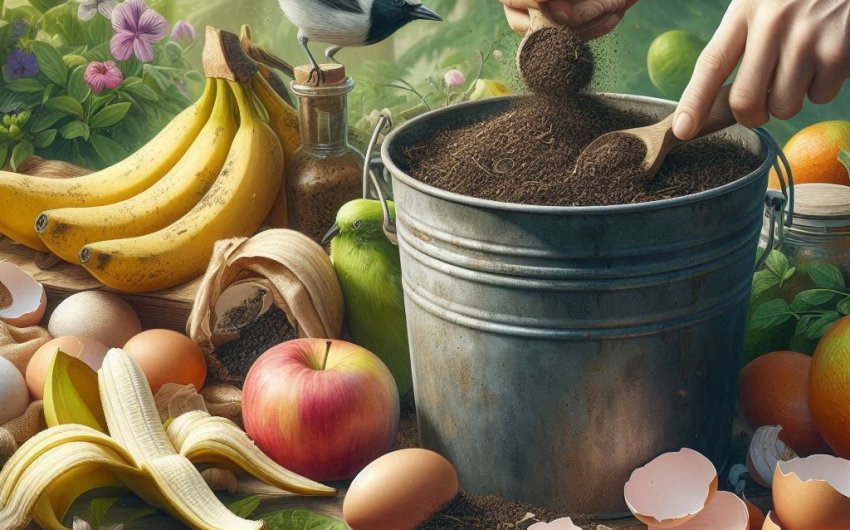
Every gardener knows that healthy plants need good food. Just like us, plants require a balanced diet of essential nutrients to grow strong, produce abundant flowers and fruits, and resist pests and diseases. While store-bought fertilizers are readily available, many gardeners are looking for more natural, sustainable, and cost-effective ways to nourish their green companions. The exciting answer is a resounding yes: you absolutely can make your own fertilizer at home! This practice is not only environmentally friendly but also allows you to recycle kitchen scraps and yard waste, transforming them into valuable plant food.
Creating your own DIY plant food connects you more deeply with the natural cycles of growth and decomposition. It reduces waste, saves money, and gives you complete control over what goes into your garden soil. From simple kitchen concoctions to more involved composting systems, there are numerous ways to concoct nutrient-rich solutions and amendments right in your backyard or even on your kitchen counter. This guide will explore various methods for creating homemade fertilizers, highlighting their benefits and showing you how to feed your plants naturally for a thriving garden.
Why Should I Make My Own Fertilizer at Home?
The decision to make your own fertilizer at home goes beyond just saving a trip to the store. It's a choice that offers significant benefits for your garden, your wallet, and the environment.
What Are the Environmental Benefits of Homemade Fertilizers?
Choosing homemade fertilizers offers a wealth of environmental benefits, making it a cornerstone of sustainable gardening practices.
- Reduces Waste and Landfill Burden: One of the most direct impacts is the reduction of household waste. Instead of sending kitchen scraps (fruit and vegetable peels, coffee grounds, eggshells) and yard waste (grass clippings, leaves) to a landfill, you divert them into a valuable resource. In landfills, organic waste decomposes anaerobically (without oxygen), producing methane, a potent greenhouse gas that contributes significantly to climate change. By composting or creating liquid feeds, you actively reduce these emissions.
- Minimizes Chemical Runoff: Commercial synthetic fertilizers, if over-applied or improperly used, can lead to nutrient runoff into waterways. This excess nitrogen and phosphorus can cause algal blooms that deplete oxygen in lakes and rivers, harming aquatic life (a process called eutrophication). Homemade organic fertilizers release nutrients more slowly and are less prone to leaching, reducing the risk of water pollution.
- Enhances Soil Health Naturally: Organic homemade fertilizers feed the soil first, fostering a thriving soil microbiome (beneficial bacteria, fungi, and earthworms). This improves soil structure, water retention, and nutrient availability naturally, reducing the need for chemical interventions. Healthy soil leads to healthier, more resilient plants, less reliant on external inputs.
- Reduces Carbon Footprint: By reusing materials from your home, you eliminate the energy and resources needed to manufacture, package, and transport synthetic fertilizers. This directly reduces your overall carbon footprint as a gardener.
Embracing eco-friendly gardening through DIY plant food is a powerful step towards a healthier planet, one garden at a time.
How Can Making My Own Fertilizer Save Money?
Saving money is a very tangible and appealing benefit of making your own fertilizer at home. Store-bought fertilizers, especially organic or specialized blends, can be quite expensive, particularly for larger gardens.
- Free Raw Materials: The primary ingredients for most homemade fertilizers – kitchen scraps, yard waste, even rainwater – are usually free byproducts of your daily life. Instead of paying for their disposal (like special trash bags for yard waste), you turn them into a valuable asset.
- Reduced Purchase Costs: By producing your own plant food, you significantly reduce or eliminate the need to purchase bags of synthetic or organic fertilizers from garden centers. This can add up to substantial savings over a growing season, especially if you have a sizable garden or many houseplants.
- Healthier Plants, Fewer Problems: When plants are well-fed naturally, they are often stronger and more resistant to pests and diseases. This can reduce your need to buy pesticides or remedies, leading to further savings.
- Sustainable Cycle: Once you establish a composting system, for example, it becomes a continuous source of free, high-quality fertilizer. It's a self-sustaining cycle that continuously benefits your budget.
For savvy gardeners, making your own DIY plant food is a smart financial strategy that yields rich rewards for both your plants and your wallet.
What Is the Benefit of Knowing Exactly What Is in My Plant Food?
A huge advantage of making your own fertilizer at home is the ability to know exactly what is in your plant food. This gives you an unparalleled level of control and peace of mind about what you're feeding your garden.
- Avoid Unknown Chemicals: With commercial fertilizers, even organic ones, the exact sourcing and processing of ingredients can sometimes be opaque. By making your own, you can ensure you're avoiding synthetic chemicals, harmful additives, or ingredients that you prefer not to use in your garden.
- Tailored to Your Needs: You can select specific ingredients to address particular nutrient needs of your plants or soil. For instance, if your soil test reveals a potassium deficiency, you might emphasize banana peels in your compost or liquid feeds. This allows for a more customized plant nutrition approach.
- Organic Assurance: If you are committed to organic gardening, making your own fertilizer from certified organic scraps or materials from your own organic garden guarantees that your plant food meets your standards.
- Sustainable Sourcing: You have direct control over the source of your materials, knowing that they are being recycled and repurposed efficiently within your own home and yard.
This transparency and control empower you as a gardener, fostering a deeper connection to your plants and promoting a truly healthy garden from the ground up.
What Are Simple Liquid Fertilizers I Can Make at Home?
Liquid fertilizers are fantastic for providing a quick nutrient boost to plants, especially container plants or seedlings. They are easy to make from common household waste. These DIY plant food options are gentle and readily absorbed by plant roots.
How Do Banana Peel Fertilizers Work for Potassium?
Banana peels are a fantastic source of potassium (K), an essential macronutrient for plants. Potassium is crucial for flowering, fruiting, overall plant vigor, and disease resistance. Making a banana peel fertilizer is simple and effective.
- Nutrient Profile: While often highlighted for potassium, banana peels also contain smaller amounts of phosphorus, calcium, and magnesium.
- How it Works: As the peels break down, they release these nutrients into the water, creating a nutrient-rich solution.
- Method 1: Banana Peel Tea:
- Collect 2-4 fresh or dried banana peels.
- Chop them into small pieces to increase surface area.
- Place the chopped peels in a jar or bucket.
- Cover with 1 liter (about 4 cups) of water.
- Let it steep for 24-48 hours (or up to a week for stronger brew) in a warm spot. The water will likely turn brownish.
- Strain out the peel pieces (you can add these to your compost bin).
- Dilute the "banana tea" with an equal amount of fresh water before using it to water your plants. Use this liquid fertilizer for flowering plants, fruit-bearing plants (like tomatoes or peppers), or any plant showing signs of potassium deficiency (e.g., yellowing edges on older leaves).
- Method 2: Dried Banana Peel Powder:
- Collect banana peels and let them air dry completely until crispy, or dry them in a low oven.
- Grind the dried peels into a fine powder using a blender or food processor.
- Sprinkle a tablespoon or two of this powder around the base of your plants and lightly scratch it into the soil. Water immediately to help the nutrients release. This provides a slower, more sustained release of potassium.
This potassium-rich plant food is a wonderful way to recycle fruit scraps and promote healthier, more productive plants.
What Are the Benefits of Coffee Grounds as a Liquid Feed?
Coffee grounds are a popular homemade fertilizer that offers multiple benefits for your garden. While they are a solid amendment, they can also be used to make a liquid feed.
- Nutrient Profile: Coffee grounds are rich in nitrogen (N), a primary nutrient essential for leafy green growth. They also contain smaller amounts of phosphorus, potassium, calcium, magnesium, and other trace minerals. They are also slightly acidic.
- How it Works: When steeped in water, they release these nutrients into the solution.
- Method: Coffee Ground "Tea":
- Collect used coffee grounds (do not use fresh, unbrewed grounds as they are too acidic and contain caffeine).
- Place about 1 cup of used coffee grounds in a large bucket.
- Add 5 gallons (about 19 liters) of water.
- Stir well and let it sit for 24-48 hours.
- Strain out the coffee grounds (add them to compost or sprinkle directly on soil around acid-loving plants).
- Use the diluted "coffee tea" to water your plants. This is particularly beneficial for acid-loving plants like blueberries, azaleas, rhododendrons, or hydrangeas, as it provides a gentle nitrogen boost and a slight acidity. For other plants, use sparingly or dilute further.
Directly sprinkling used coffee grounds around the base of plants and lightly scratching them into the soil also works as a slow-release nitrogen amendment. Just don't overdo it, as too much can clump and potentially create an acidic environment. This nitrogen-rich plant food is a great way to repurpose your morning brew.
How Can Epsom Salts Provide Magnesium and Sulfur?
While not strictly a "food scrap" fertilizer, Epsom salts (magnesium sulfate) are a readily available household item that can provide two crucial plant nutrients: magnesium (Mg) and sulfur (S). These are often used as a quick pick-me-up for struggling plants.
- Nutrient Profile: Pure magnesium sulfate. Magnesium is vital for chlorophyll production (the green pigment in leaves), essential for photosynthesis. Sulfur is important for overall plant growth and nutrient uptake.
- How it Works: Epsom salts are highly water-soluble, meaning the nutrients are quickly available to plants when dissolved in water.
- Method: Epsom Salt Solution:
- Dissolve 1-2 tablespoons of Epsom salts per gallon of water.
- Stir until fully dissolved.
- Use this solution to water your plants.
- You can also use it as a foliar spray by mixing 1 tablespoon per gallon of water and spraying the leaves directly in the early morning or late evening.
When to Use: Epsom salts are not a complete fertilizer and won't replace the need for nitrogen, phosphorus, and potassium. Use them if your plants show signs of magnesium deficiency (yellowing between the veins of older leaves, while the veins remain green). They are particularly popular for tomatoes, peppers, and roses. However, overuse can lead to a buildup of salts in the soil, so use sparingly and only when you suspect a deficiency. It's a great mineral boost for plants.
What About Using Pasta Water or Aquarium Water?
Don't pour that starchy or murky water down the drain! Pasta water and aquarium water are surprisingly useful as homemade liquid fertilizers.
- Pasta Water (or Potato/Rice Water):
- Nutrient Profile: When you boil pasta, potatoes, or rice, some of the starch and minerals from the food leach into the water. This water contains trace amounts of carbohydrates (starches), along with some nitrogen, phosphorus, and potassium that cooked off the food.
- How it Works: The starchy water provides a mild, gentle nutrient boost. The carbohydrates can also feed beneficial soil microbes.
- Method: Allow the pasta or vegetable cooking water to cool completely to room temperature before using. Then, simply pour it directly onto the soil around your plants as you would regular water. Avoid water that has salt added for cooking, or use it very sparingly.
- Aquarium Water:
- Nutrient Profile: This is essentially "fish waste tea"! Aquarium water (from freshwater tanks) is rich in beneficial bacteria and dissolved nutrients like nitrogen (from fish waste), phosphorus, and trace elements from fish food. It's like a mild, living fertilizer.
- How it Works: It directly provides bioavailable nutrients and beneficial microbes to your soil.
- Method: When you perform a water change in your freshwater aquarium, collect the old water. As long as it's a freshwater tank and hasn't been treated with harsh chemicals or medications recently, it's safe to use. Pour the old aquarium water directly onto your plants as a natural liquid feed.
These "waste" waters are excellent, zero-cost sources of mild plant nutrients, perfect for sustainable DIY plant food.
What Solid Organic Fertilizers Can I Make or Source at Home?
Beyond liquid feeds, many solid organic materials can be repurposed or naturally sourced to create effective homemade fertilizers that improve soil health and provide long-term nutrition.
How Does Composting Create the Ultimate Homemade Fertilizer?
Composting is the gold standard for making your own fertilizer at home. It transforms a wide range of organic waste into compost (also known as "black gold"), a nutrient-rich soil amendment that truly nourishes plants.
- Nutrient Profile: Well-made compost is a balanced, slow-release fertilizer containing a wide array of macronutrients (nitrogen, phosphorus, potassium) and micronutrients. Its exact composition varies depending on the ingredients.
- How it Works: Composting is the controlled decomposition of organic materials by microorganisms. As kitchen scraps ("greens") and yard waste ("browns") break down, they release their nutrients into a stable form that plants can easily absorb. Compost also significantly improves soil structure, aeration, water retention, and fosters a healthy soil microbiome.
- Method:
- Choose a Composting System: This can be a simple pile, a backyard bin (like a compost tumbler), or an indoor worm bin (vermicomposting).
- Balance Greens and Browns: Success relies on a good mix of "greens" (nitrogen-rich, like fresh kitchen scraps, grass clippings) and "browns" (carbon-rich, like dry leaves, shredded cardboard, wood chips). Aim for roughly two parts browns to one part greens by volume.
- Moisture and Air: Keep the pile consistently moist (like a wrung-out sponge) and turn it regularly to provide oxygen.
- Patience: Depending on the method, compost can be ready in a few months to a year.
- How to Use: Once "finished" (dark brown, crumbly, earthy smell), mix compost into garden beds, use it as a top-dressing for lawns, or add a handful to potting mixes. It's the ultimate soil amendment and natural fertilizer.
Composting is an investment of time and effort, but the resulting nutrient-rich soil amendment is unparalleled in its benefits for long-term garden health.
What Are the Uses of Eggshells for Calcium?
Eggshells are a fantastic homemade fertilizer for providing calcium (Ca), an essential micronutrient for strong cell walls and preventing issues like blossom end rot in tomatoes and peppers.
- Nutrient Profile: Primarily calcium carbonate.
- How it Works: Eggshells decompose very slowly, releasing calcium into the soil over time. They are not a quick fix.
- Method 1: Crushed Eggshells:
- Collect eggshells.
- Rinse them thoroughly to remove any egg residue.
- Allow them to air dry completely.
- Crush them into very fine pieces (the finer, the faster they break down). A coffee grinder dedicated to gardening can achieve a fine powder.
- Sprinkle the crushed eggshells around the base of calcium-loving plants, like tomatoes, peppers, squash, or roses. Lightly scratch into the topsoil. You can also add them to your compost pile.
- Method 2: Eggshell "Tea": While less common due to slow release, you can try boiling clean, crushed eggshells in water for 15-20 minutes, then letting it steep overnight. Strain and use the cooled water to fertilize. This may provide a slightly faster release.
Adding eggshells for plants is a simple, free way to boost calcium and prevent common plant problems, especially if your soil is known to be calcium deficient.
How Can Wood Ash Provide Potassium and Micronutrients?
Wood ash (from untreated wood only!) can be a valuable homemade fertilizer for providing potassium (K) and various micronutrients. It's also alkaline, so use with caution.
- Nutrient Profile: Rich in potassium (similar to how a banana peel fertilizer provides it), calcium, and magnesium. It also contains trace elements like boron, copper, and zinc. Critically, it does not contain nitrogen.
- How it Works: Wood ash is highly soluble, so its nutrients are quickly available to plants. Because it's alkaline, it raises soil pH.
- Method:
- Collect wood ash only from pure, untreated wood (no charcoal briquettes, painted wood, treated lumber, or composite materials).
- Ensure the ash is completely cooled before handling.
- Apply sparingly! Because of its alkalinity, overuse can drastically change soil pH and harm plants.
- How to Use:
- For Potassium Boost: Sprinkle a very thin layer (a dusting, not a pile) around plants that need potassium, especially fruiting plants.
- To Raise Soil pH: Use it as a natural alternative to lime if your soil test shows it is too acidic. Spread a thin, even layer and work it into the topsoil. Always test your soil pH before applying wood ash.
- When to Use with Caution/Avoid:
- Acid-loving plants: Do not use on blueberries, azaleas, rhododendrons, or hydrangeas that prefer acidic soil, as it will raise the pH too much.
- Alkaline soils: Avoid if your soil is already alkaline.
- Seedlings: Do not use on young seedlings.
- Overuse: Never pile it thickly.
Wood ash for plants is a great way to repurpose fireplace waste, but requires careful application and an understanding of your soil's pH.
What Are Important Considerations When Using Homemade Fertilizers?
While making your own fertilizer at home is beneficial, there are important considerations to ensure you use them effectively and safely.
How Can Too Much of a Good Thing Be Harmful to Plants?
When it comes to homemade fertilizers, it's crucial to remember that too much of a good thing can be harmful to plants. More isn't always better, and over-fertilizing can cause serious damage.
- Nutrient Burn: This is the most common issue. Fertilizers contain salts. If you apply too much, these salts build up in the soil, drawing water away from the plant roots. This causes the roots to "burn" and leads to crispy, brown leaf tips, yellowing, wilting, and ultimately plant death. This is especially true for strong liquid feeds or highly concentrated solid amendments.
- Nutrient Imbalance: Over-applying one nutrient (e.g., too much nitrogen from coffee grounds) can lead to an imbalance, where the plant struggles to absorb other essential nutrients, even if they are present in the soil. For example, too much nitrogen can inhibit flowering and fruiting.
- Overgrowth and Weakness: Too much nitrogen can cause excessive leafy growth (lush foliage), but at the expense of root development or flower/fruit production. This "leggy" growth can be weak and more susceptible to pests and diseases.
- Soil pH Changes: Ingredients like wood ash (alkaline) or too many fresh coffee grounds (acidic) can drastically alter soil pH, making it unsuitable for your plants.
Always err on the side of under-fertilizing with homemade fertilizers. They are generally gentler and release nutrients slower than synthetic ones, but concentration and quantity still matter. Start with diluted solutions and light applications, and observe your plants' response before increasing. The goal is gentle, consistent nourishment, not a quick, overwhelming boost.
What Are the Risks of Pests or Odors with Certain DIY Fertilizers?
While homemade fertilizers are generally safe, some can pose risks of pests or odors if not prepared or used correctly.
- Odors:
- Decomposition: Any organic material decomposing can produce odors. Liquid "teas" (especially if steeped for too long or in warm conditions) can smell unpleasant, particularly if they go anaerobic (without oxygen).
- Food Scraps: Leaving exposed food scraps (especially meat, dairy, or oily foods) can attract pests and create foul odors. This is why composting should be done properly in a contained bin.
- Pests:
- Flies and Gnats: Liquid fertilizers that become stagnant or solid fertilizers with exposed food scraps can attract fruit flies, fungus gnats, or other nuisance insects.
- Rodents and Wildlife: Exposed kitchen scraps (especially meat, fats, or dairy) can attract rodents (mice, rats), raccoons, or other animals. This is a common concern with open compost piles.
Prevention:
- Dilute and Use Quickly: For liquid fertilizers, dilute them appropriately and use them relatively quickly to prevent them from becoming putrid.
- Bury Food Scraps in Compost: Always bury fresh "green" kitchen scraps deep within a compost pile and cover them with "brown" materials to deter pests and odors. Use an enclosed compost bin if rodents are an issue.
- Cleanliness: Keep application areas tidy.
- Ventilation: Ensure good air circulation in compost bins to prevent anaerobic conditions that create foul smells.
Being mindful of these potential issues and practicing good hygiene ensures your DIY plant food methods remain pleasant and effective for your healthy garden.
Why Is a Soil Test Still Recommended Even with Homemade Fertilizers?
Even if you're committed to making all your own fertilizer at home, a soil test is still highly recommended every few years. It's your most accurate tool for understanding your soil's overall health and specific needs.
- Reveals Deficiencies You Can't See: While you might aim for a balanced homemade fertilizer, only a soil test can tell you if your soil is truly deficient in a specific nutrient (e.g., phosphorus, sulfur, specific micronutrients) or if there's an excess of something. This allows you to tailor your homemade fertilizer inputs precisely.
- Monitors pH Levels: Your soil's pH level (acidity or alkalinity) is crucial because it affects how well plants can absorb nutrients. Homemade fertilizers, especially wood ash or large amounts of coffee grounds, can alter pH over time. A soil test monitors this and tells you if adjustments (like adding lime or sulfur) are needed.
- Tracks Organic Matter Content: A good soil test will also give you an estimate of your soil's organic matter content. This helps you gauge the effectiveness of your composting and mulching efforts in building long-term soil health.
- Prevents Imbalances: By knowing the baseline, you can prevent unintentionally creating nutrient imbalances or toxicity by over-applying certain homemade amendments.
Think of a soil test as your garden's nutritional report card. It provides objective data that guides your customized plant nutrition strategy, ensuring your homemade fertilizers are always working optimally for your healthy garden. You can get a comprehensive soil test from your local university extension office.