
How to Choose Plants for Your Miniature Garden: A Beginner's Guide
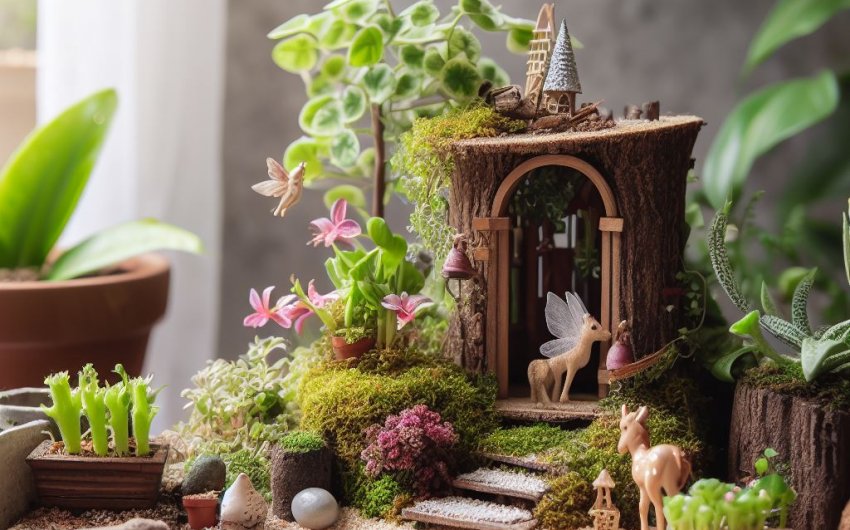
To choose plants for your miniature garden, a beginner's guide emphasizes selecting slow-growing, compact varieties with fine textures that are compatible with your specific mini garden's environment (e.g., terrarium humidity, succulent dryness). Prioritize plants with similar light and water needs to ensure a cohesive and thriving tiny landscape.
Why is plant selection the most important step for miniature gardens?
Plant selection is the single most important step when embarking on the delightful journey of creating a miniature garden. Unlike full-sized gardens where plants have ample space to grow, miniature gardens operate on a tiny scale, making every plant choice critical. The wrong plant can quickly overwhelm the design, create maintenance headaches, or simply fail to thrive, turning a charming project into a frustrating one.
What defines a "miniature garden" for plant selection purposes?
For plant selection, a miniature garden is any garden created within a small, confined space where scale is crucial.
- Size: It's usually small enough to be placed on a tabletop, windowsill, or in a compact corner. This includes terrariums, fairy gardens, dish gardens, mini herb gardens, and even small vertical gardens.
- Scale: Plants and accessories are chosen specifically to create a scaled-down representation of a larger landscape.
- Confined Environment: Plants are grown in containers, meaning their root systems are restricted, and they depend entirely on the gardener for all resources.
- Indoor vs. Outdoor: While some miniature gardens can be outdoors (miniature alpine gardens), this guide primarily focuses on indoor designs where environmental control is key.
What are the dangers of choosing the wrong plants for miniature gardens?
Mistakes in plant selection can quickly lead to an unsuccessful or short-lived miniature garden.
- Outgrowing the Space: The most common problem. A plant that grows too quickly will rapidly overwhelm its tiny companions, disrupt the design, and require constant, aggressive pruning or premature repotting.
- Incompatible Needs: Mixing plants with vastly different light, water, or humidity requirements (e.g., a desert succulent with a bog-loving fern) leads to one or more plants dying.
- Root Overcrowding: Fast-growing or large-rooted plants quickly become root-bound in a small container, leading to stunted, unhealthy growth for all inhabitants.
- Aesthetic Disruption: A plant that is out of scale (too large, too coarse a texture) can ruin the illusion of a miniature landscape.
- Increased Maintenance: Wrong plants often mean more frequent pruning, watering, or battling stress symptoms, negating the low-maintenance appeal of many mini gardens.
- Pest and Disease Magnets: Stressed plants in unsuitable conditions are more susceptible to common indoor pests and diseases, which can quickly spread through a small, enclosed environment.
- Shortened Lifespan: Plants perpetually struggling in an unsuitable environment will have a shorter lifespan.
By prioritizing thoughtful plant selection, you lay the groundwork for a harmonious, healthy, and long-lasting miniature garden that brings continuous joy and beauty to your home.
What are the key criteria for choosing plants for a miniature garden?
Choosing plants for a miniature garden isn't just about finding small plants; it's about selecting species with specific characteristics that thrive in confined spaces while contributing to the overall aesthetic and health of the tiny ecosystem. These criteria ensure compatibility, longevity, and visual appeal.
1. Growth Rate and Mature Size (Crucial)
This is the most important factor for maintaining scale.
- DO: Choose plants that are naturally slow-growing or are specifically miniature cultivars.
- Why: Fast-growing plants will quickly outgrow the container, overwhelm companions, and require constant pruning.
- Examples: Miniature succulents, dwarf ferns, slow-growing mosses, specific "fairy garden" cultivars.
- DO: Research the mature size of any plant you consider. Even if it starts small, will it eventually become a giant?
- DON'T: Use seedlings of full-sized plants unless they are very slow to develop.
- Pinch and Prune (with caution): While you can gently pinch and prune plants to control size, you don't want a plant that requires aggressive, constant trimming to stay miniature.
2. Light and Water Requirements (Compatibility is Key)
Matching plants with their environmental needs is vital for survival.
- DO: Select plants that have similar light and water requirements. This is crucial, as you'll be watering the entire miniature garden uniformly.
- For Terrariums (Closed/Humid): Choose plants that thrive in bright, indirect light and high humidity (e.g., mosses, Fittonia, small ferns).
- For Succulent/Cactus Gardens (Dry/Bright): Choose plants that love bright direct sun and very dry conditions between waterings (e.g., various succulents and cacti).
- For Herb Gardens (Bright/Moist): Choose herbs that need abundant sun and consistent moisture (e.g., basil, parsley) or sun and drier soil (e.g., rosemary, thyme).
- DON'T: Mix plants with vastly different needs (e.g., a succulent with a fern). One will inevitably suffer.
- Observe Your Space: Assess the light intensity and duration your chosen spot receives before you select plants.
3. Texture and Form (Aesthetic Appeal)
The visual elements of a plant contribute to the miniature landscape.
- DO: Select plants with fine, delicate textures that read well at a small scale. Small leaves, fine fronds, or tiny rosettes are ideal.
- DO: Choose a variety of forms to create visual interest:
- "Trees": Small, upright plants or miniature conifers.
- "Shrubs": Bushy, compact plants.
- "Groundcover": Creeping mosses, baby tears, creeping thyme.
- "Focal Points": A uniquely shaped succulent or a small, blooming plant.
- DON'T: Use plants with large, coarse leaves or overly aggressive growth habits, as they will look out of scale and quickly overwhelm the scene.
4. Root System (Manageability)
The size and aggressiveness of the root system impact the container.
- DO: Opt for plants with small, compact, or shallow root systems.
- Why: In miniature gardens, root space is highly limited. Plants with aggressive or large taproots will quickly become root-bound, leading to stunted growth for all.
- DON'T: Plant full-sized root vegetables or large-rooted perennials.
- Air Plants (Tillandsia): Consider air plants, which have no soil-based root system, for ultimate root-space efficiency.
5. Overall Health and Resilience
Choose plants that are generally robust indoors.
- DO: Select plants that are known to be relatively pest and disease resistant in indoor conditions.
- DO: Purchase healthy plants from reputable nurseries.
- Why: A single sick plant in a small, enclosed environment can quickly spread issues to its companions.
Key Considerations for Beginners:
- Start Simple: Begin with 2-3 compatible plants for your first miniature garden.
- Read Plant Tags/Descriptions: These are invaluable for understanding a plant's specific needs and mature size.
- Observe and Learn: Pay attention to how your plants react and adjust care as needed.
By meticulously evaluating plants based on these key criteria, beginners can confidently choose the perfect inhabitants for their miniature gardens, ensuring a beautiful, thriving, and long-lasting tiny landscape.
What are the best plants for specific miniature garden types?
Different miniature garden designs have unique environmental conditions, necessitating specific plant choices. Matching plants to the inherent characteristics of your terrarium, succulent display, or herb garden is essential for their success and the overall aesthetic.
Best Plants for Terrariums (Closed/High Humidity)
These plants thrive in the consistently moist, humid, and low-ventilation environment of a closed glass container.
- Mosses:
- Sheet Moss, Cushion Moss, Mood Moss: Essential for the base, providing lush green groundcover.
- Benefits: Love humidity, slow-growing, add texture.
- Fittonia (Fittonia albivenis - Nerve Plant):
- Characteristics: Small leaves with vibrant white, pink, or red veins.
- Benefits: Loves humidity, compact.
- Peperomia spp. (e.g., P. caperata, P. clusiifolia 'Ginny'):
- Characteristics: Many small, compact varieties with interesting leaf textures and colors.
- Benefits: Tolerant of high humidity, slow to moderate growth.
- Small Ferns (e.g., Lemon Button Fern, Maidenhair Fern, Asparagus Fern):
- Characteristics: Delicate, airy fronds.
- Benefits: Thrive in consistent moisture and humidity.
- Baby Tears (Soleirolia soleirolii):
- Characteristics: Forms a dense, bright green, tiny-leaved carpet.
- Benefits: Spreads well in high humidity, easy to prune.
- Miniature Orchids (e.g., some Phalaenopsis hybrids, Masdevallia spp.):
- Characteristics: Compact, often with exotic flowers.
- Benefits: Appreciate consistent humidity.
- Carnivorous Plants (e.g., Sundews, Venus Flytraps):
- Characteristics: Insectivorous, need specific nutrient-poor, acidic substrate and very high humidity.
- Benefits: Fascinating, unique. A great option is Carnivorous Plant Drosera Capensis.
Best Plants for Succulent and Cactus Arrangements (Open/Dry/Bright)
These plants are ideal for sunny, dry indoor environments, valued for their diverse forms and low water needs.
- Echeveria spp.:
- Characteristics: Classic rosette shapes, come in an incredible range of colors, often with powdery "farina."
- Benefits: Drought tolerant, slow-growing, highly ornamental.
- Sedum spp. (Stonecrop):
- Characteristics: Diverse forms, from upright to trailing. Many small-leaved varieties.
- Benefits: Very hardy, easy to care for, propagate readily.
- Crassula spp. (Jade Plants):
- Characteristics: Includes the classic Crassula ovata and its unique 'Gollum' (ET's Finger Jade) and 'Hobbit' cultivars. Tree-like growth.
- Benefits: Extremely resilient, slow-growing, can be pruned for shape.
- Haworthia spp. / Gasteria spp.:
- Characteristics: Architectural, often compact rosettes with interesting textures (e.g., bumpy, banded).
- Benefits: More tolerant of slightly lower light than other succulents, very low water needs.
- Aloe spp. (Miniature Varieties):
- Characteristics: Spiky rosettes (e.g., Aloe aristata - Lace Aloe).
- Benefits: Drought tolerant, unique form.
- Cacti (Small Varieties):
- Characteristics: Many small, globular, or columnar forms (e.g., Mammillaria, Rebutia).
- Benefits: Extremely drought tolerant, adds architectural interest.
- Sempervivum (Hens and Chicks):
- Characteristics: Forms tight rosettes and produces numerous offsets (chicks).
- Benefits: Very hardy, spreads gently, excellent for filling space.
Best Plants for Indoor Herb Gardens (Bright/Moderate Moisture)
These herbs are selected for their culinary value and ability to thrive indoors with adequate light.
- Basil:
- Characteristics: Needs abundant light, warmth, and consistent moisture.
- Benefits: Classic culinary herb, harvest regularly to promote bushiness.
- Chives:
- Characteristics: Grows in clumps, can be snipped repeatedly.
- Benefits: Very easy to grow, tolerant of slightly lower light, adds oniony flavor.
- *Mint (Mentha spp.):*
- Characteristics: Very vigorous, diverse flavors.
- Benefits: Almost indestructible, but grow in its own pot as it spreads aggressively.
- Oregano (Origanum vulgare):
- Characteristics: Loves sun and well-draining soil, quite hardy.
- Benefits: Aromatic, useful in many cuisines.
- Parsley (Petroselinum crispum):
- Characteristics: Flat-leaf or curly varieties, needs consistent moisture and bright light.
- Benefits: Classic garnish and flavor.
- Rosemary (Rosmarinus officinalis):
- Characteristics: Needs abundant direct sunlight and excellent drainage. Can get woody.
- Benefits: Aromatic, woody herb, excellent for Mediterranean cooking.
- Thyme (Thymus vulgaris):
- Characteristics: Needs abundant direct sunlight and well-draining soil, many low-growing varieties.
- Benefits: Aromatic, versatile, resilient.
- Cilantro (Coriandrum sativum):
- Characteristics: Can be tricky; tends to bolt (go to seed) quickly in warm indoor temperatures.
- Benefits: Essential for many cuisines; best grown in succession for continuous supply.
By matching your plant choices to the specific requirements and aesthetic of your chosen miniature garden design, you set the stage for a healthy, thriving, and beautiful indoor oasis.
How do I find and purchase plants for my miniature garden?
Finding and purchasing the right plants for your miniature garden involves knowing where to look, what to look for in healthy specimens, and understanding specific terms that guide your selection for tiny landscapes. This ensures you bring home robust plants that are well-suited to their new small-scale environment.
Where are the best places to buy miniature garden plants?
Several sources cater to the specific needs of miniature garden enthusiasts.
- Specialty Garden Centers/Nurseries:
- Best Bet: These often have dedicated "miniature plant" sections, "fairy garden plants," or "terrarium plants." They will have staff knowledgeable about their specific needs.
- Benefits: Wider selection of actual miniature cultivars, often healthier plants.
- Online Nurseries:
- Benefits: Offer an even wider selection, including rare or harder-to-find miniature plants and specific succulent cultivars.
- Caution: Check reviews for plant quality and shipping. A good option is online succulent nursery.
- Local Hardware Stores/Big Box Stores (with caution):
- Selection: May have a limited selection of common succulents, herbs, or small foliage plants.
- Caution: Quality can be inconsistent. Inspect plants very carefully for pests or stress. They may not be true "miniature" cultivars.
- Local Plant Sales/Farmers Markets:
- Benefits: Often find unique plants from local growers.
- Caution: Verify plant identity and health.
- Propagate Your Own:
- Benefits: Once you have a few healthy plants (e.g., succulents, ivy, mint), you can easily propagate them into many more, often resulting in smaller, perfect-scale specimens.
What should I look for when buying healthy miniature plants?
Inspect plants carefully before bringing them home to avoid introducing pests or diseases.
- Vibrant, Healthy Foliage: Leaves should be firm, plump (for succulents), and have a consistent, vibrant color appropriate for the species. Avoid yellowing, browning, wilting, or discolored spots.
- No Pests: Carefully inspect the tops and undersides of leaves, stems, and soil surface for any signs of pests:
- Tiny white cottony masses (mealybugs)
- Sticky residue (honeydew from aphids or scale)
- Fine webbing (spider mites)
- Tiny black or brown dots (fungus gnats, thrips)
- Good Root System (but not root-bound): Gently slide the plant out of its pot. The roots should be white or light-colored and fill the pot somewhat, but not be tightly circling the bottom (indicating it's severely root-bound and stressed).
- No Mold or Foul Odor: Avoid plants with white or green mold on the soil surface, or any sour/musty smells, which can indicate overwatering or root rot.
- Appropriate Size: Ensure the plant is a good miniature size for your specific design, not just a baby version of a giant plant.
- Clear Labeling: Look for plants with clear labels identifying the species and cultivar, as this helps you research its specific care needs.
What are key terms to understand for miniature plant selection?
These terms guide you to the right types of plants.
- Miniature Cultivar: A specific variety of a plant that is naturally smaller than the species, often bred for compactness (e.g., Hedera helix 'Pixie').
- Dwarf: Indicates a smaller, more compact version of a plant.
- Creeping/Trailing: Ideal for groundcover effects, spilling over edges (e.g., creeping thyme, some sedums).
- Mounding: Forms a compact, rounded shape.
- Slow-Growing: Essential for a miniature garden; prevents rapid overgrowth.
- Epiphyte: Plants that grow on other plants (like air plants) and don't need soil.
- Terrarium Plants: Typically thrive in high humidity and indirect light.
- Fairy Garden Plants: Usually miniature cultivars that are tough and adaptable.
- Succulents/Cacti: Drought-tolerant plants for bright, dry conditions.
By diligently seeking out reputable sources, carefully inspecting plants for health, and understanding the terminology of miniature plant selection, you ensure a successful and thriving start to your creative mini garden designs.
How do I maintain scale and health in a miniature garden?
Maintaining both the aesthetic scale and the health of plants in a miniature garden is a continuous process that requires specific care practices. Because plants are confined to small spaces, diligent attention to pruning, watering, and repotting is essential to ensure they remain miniature, harmonious, and vigorous.
How do I prune plants to maintain miniature scale?
Pruning is the primary tool for keeping your miniature plants small and in proportion.
- Regular Pinching and Trimming:
- DO: For most foliage plants and herbs, regularly pinch back or trim off new growth at the tips of stems. Cut just above a leaf node (where a leaf or branch emerges).
- Why: This encourages the plant to branch out, creating a denser, bushier, and more compact form, rather than growing long and leggy.
- Frequency: Daily or weekly, depending on the plant's growth rate.
- Leaf Pruning (for larger leaves):
- DO: For plants that produce slightly larger leaves (e.g., some small ferns), you can occasionally prune off the largest leaves to maintain scale.
- DO: Trim variegated plants to remove any plain green sections that might revert.
- Root Pruning (during repotting):
- DO: During repotting, gently prune a portion of the outer and bottom roots to encourage fresh root growth and maintain size.
- DON'T: Over-prune roots unless the plant is very healthy.
- Shaping:
- DO: Prune any stems that are growing out of bounds, crossing, or disrupting the overall design.
- Remove Dead/Yellowing Foliage:
- DO: Always remove any yellowed, dead, or diseased leaves and stems immediately. This improves aesthetics and plant health.
- Use Sharp, Clean Tools:
- DO: Always use small, sharp scissors or pruning shears, sanitized with rubbing alcohol, for clean cuts that heal quickly.
- A good miniature pruning kit is helpful.
How do I water and fertilize for miniature garden health?
Precise watering and very gentle fertilization are critical in confined environments.
- Precise Watering (The "Soak and Dry" Method):
- DO: Water thoroughly until drainage, then allow the top inch or two of soil to dry out before watering again.
- DO: Use a small watering can with a long, thin spout or a squeeze bottle for precise application, avoiding over-saturation or wetting foliage unnecessarily.
- DO: Use a soil moisture meter for accuracy, especially in larger containers with multiple plants.
- Why: Prevents overwatering (leading to root rot) and underwatering (leading to stress).
- DON'T: Water on a rigid schedule. Always check soil moisture.
- Light Fertilization (Rarely):
- DO: Most miniature gardens require very little, if any, fertilization, especially if you used a rich potting mix and compost.
- DO: If plants show signs of nutrient deficiency (e.g., pale, stunted growth despite good light/water), use a highly diluted (1/4 to 1/8 strength) liquid organic fertilizer every 4-6 weeks during the active growing season.
- DON'T: Over-fertilize, as this can burn delicate roots and encourage rampant, out-of-scale growth.
- Pure Water (for sensitive plants):
- DO: For carnivorous plants and air plants, always use distilled water, rainwater, or reverse osmosis water.
- Why: Tap water minerals can build up and harm them.
When should I repot miniature garden plants?
Repotting (or refreshing the soil) is important for long-term health.
- Frequency: Miniature gardens usually need repotting less frequently than individual plants, often every 1-3 years.
- Signs of Repotting: Plants looking stunted, soil compacted, roots filling the entire container.
- Technique:
- DO: Carefully remove plants from the container. Gently tease apart roots.
- DO: Remove some old potting mix and replenish with fresh, new mix.
- DO: Prune a small portion of the outer root mass (root pruning) to keep the plant miniature.
- DO: Replant in the same container or one only slightly larger.
How do I manage common miniature garden problems?
Vigilance is key to preventing problems from escalating in small environments.
- Pest Monitoring:
- DO: Inspect plants regularly (especially undersides of leaves) for spider mites, aphids, or mealybugs.
- DON'T: Use broad-spectrum pesticides. Treat with insecticidal soap or rubbing alcohol on a cotton swab for spot treatments.
- Disease Prevention:
- DO: Ensure good air circulation (don't overcrowd plants). Avoid overwatering.
- DO: Remove diseased leaves immediately.
- Humidity (for terrariums):
- DO: Monitor condensation in closed terrariums. If constantly foggy, open lid for a few hours. If too dry, mist lightly.
- Troubleshooting:
- DO: Adjust light, water, or humidity based on plant symptoms.
- DON'T: Panic. Most issues are fixable with prompt action.
By diligently practicing these maintenance techniques, you empower your miniature garden plants to remain healthy, vibrant, and perfectly in scale, allowing your tiny landscape to flourish as a continuous source of joy and beauty in your home.