
Maximizing Small Spaces: Building a Mini Vegetable Garden on Your Balcony
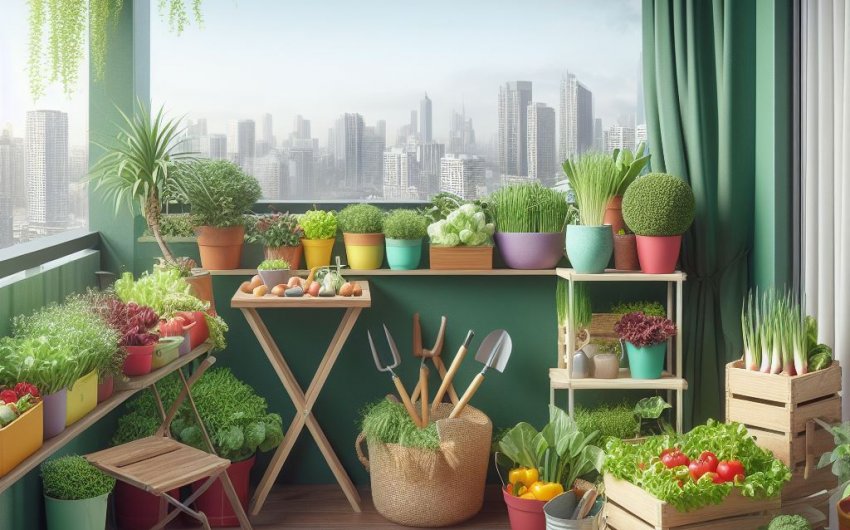
Maximizing small spaces by building a mini vegetable garden on your balcony involves strategic plant selection (compact varieties), utilizing vertical and hanging planters, and ensuring optimal sunlight and consistent watering. Careful planning, rich potting mix, and diligent care can yield a surprisingly abundant harvest of fresh produce even in limited urban environments.
Why is a balcony vegetable garden perfect for maximizing small spaces?
A balcony vegetable garden is an ingenious solution for urban dwellers and anyone with limited outdoor space, transforming a small patio or balcony into a productive oasis. Far from being a mere aesthetic choice, it's a practical and sustainable way to maximize small spaces, providing fresh, homegrown produce, enhancing well-being, and connecting city living with the joy of gardening.
What are the compelling benefits of balcony vegetable gardening?
Growing vegetables on your balcony offers a multitude of advantages that make it an appealing and rewarding endeavor.
- Fresh, Organic Produce at Your Fingertips: Enjoy the unparalleled flavor and nutritional benefits of vegetables picked at peak ripeness, just steps from your kitchen. You have complete control over growing methods, ensuring organic, chemical-free food.
- Space Optimization: Balconies and patios, often overlooked, become highly productive extensions of your living space. Vertical gardening techniques allow for an impressive amount of produce in a tiny footprint.
- Cost Savings: Reduces reliance on expensive store-bought produce, particularly for specialty herbs and vegetables.
- Enhanced Well-being: Gardening has proven benefits for mental health, reducing stress, improving mood, and providing a sense of accomplishment. A balcony garden brings this connection to nature directly into your urban home.
- Convenience: Harvest exactly what you need, when you need it, minimizing waste.
- Aesthetic Appeal: A vibrant vegetable garden adds beauty, color, and life to an otherwise stark balcony, improving the overall ambiance of your living space.
- Educational for All Ages: A fantastic hands-on way to teach children (or yourself!) about where food comes from, plant care, and sustainable practices.
- Pest Control (Easier): Container gardening often means fewer soil-borne pests and diseases, and easier monitoring and treatment of any issues that arise.
- Adaptability: Containers allow you to optimize sun exposure by moving plants, or protect them from harsh weather.
What are the main challenges of balcony vegetable gardening?
While highly rewarding, balcony gardening comes with its own set of unique challenges that require thoughtful planning.
- Space Limitations: The obvious challenge, requiring careful plant selection and creative vertical solutions.
- Weight Restrictions: Balconies have weight limits. Heavy soil and watered containers can quickly add up. Always check your building's regulations or consult an engineer if planning a large-scale setup.
- Sunlight Variability: Balconies can have highly variable sun exposure depending on orientation (north, south, east, west), building shadows, and adjacent structures.
- Watering Frequency: Container plants dry out much faster than in-ground gardens, especially in sun and wind, demanding diligent watering.
- Nutrient Depletion: Potting mix nutrients are quickly used up or leached out, requiring regular fertilization.
- Wind Exposure: Balconies can be very windy, which can damage plants and dry out soil rapidly.
- Temperature Extremes: Containers heat up faster in summer and cool down faster in winter, exposing roots to temperature swings.
- Pest Pressure (Still a Factor): While some soil pests are reduced, flying insects and common houseplant pests can still be an issue.
By acknowledging these challenges and implementing smart strategies, urban dwellers can successfully build and maintain a thriving mini vegetable garden on their balcony, maximizing their small spaces for a bountiful harvest.
How do I plan my balcony vegetable garden for success?
Strategic planning is the bedrock of a successful balcony vegetable garden. Given the inherent space constraints and unique environmental factors of a balcony, thoughtful decisions about location, plant selection, and container types will maximize your yields and minimize problems.
1. Assess your balcony's sunlight.
Sunlight is the most crucial factor for growing vegetables.
- Determine Orientation: Is your balcony facing North, South, East, or West? This will dictate sun exposure.
- Observe and Track: Spend a full day (or several days, as sun patterns change seasonally) observing your balcony. Note exactly where and for how long direct sunlight falls on different spots.
- Full Sun (6+ hours direct sun): Ideal for most fruiting vegetables (tomatoes, peppers, beans).
- Partial Sun (4-6 hours direct sun): Good for leafy greens, many herbs, root vegetables.
- Partial Shade (2-4 hours direct sun): Suitable for some greens, herbs, and shade-tolerant root crops.
- Full Shade (<2 hours direct sun): Very limited options; consider microgreens or highly shade-tolerant herbs.
- Account for Shadows: Consider shadows cast by your building, neighboring buildings, railings, or even furniture.
- Why it Matters: Matching plants to available light is crucial. A sun-loving tomato won't thrive in a shady spot, and a leafy green might scorch in intense, all-day sun in a hot climate.
2. Choose the right compact vegetable varieties.
Plant selection is paramount for maximizing space and yield.
- "Dwarf," "Bush," or "Compact" Varieties: Look specifically for varieties labeled with these terms. Breeders have developed many vegetables perfectly suited for containers.
- Tomatoes: 'Tiny Tim', 'Patio Princess', 'Bush Goliath', determinate varieties.
- Peppers: 'Baby Bell', 'Mascot', 'Cayennetta', most hot peppers (many are naturally compact).
- Cucumbers: 'Bush Pickle', 'Spacemaster', 'Salad Bush', vining types can be trellised.
- Eggplant: 'Fairy Tale', 'Patio Baby'.
- Bush Beans: 'Contender', 'Provider'.
- Squash: 'Patio Star', 'Bush Star' (for zucchini), 'Bush Delicata' (for winter squash).
- Leafy Greens: Loose leaf lettuce varieties, spinach, arugula, dwarf kale.
- Radishes, Carrots, Beets: Dwarf or round varieties.
- Herbs: All common culinary herbs.
- Vertical Growers:
- Pole Beans, Small Cucumbers, Cherry Tomatoes: These can be trained upwards on trellises, stakes, or string, maximizing vertical space.
- Strawberries: Excellent in hanging baskets or vertical planters.
3. Select appropriate containers for balcony gardening.
Containers are the foundation of your balcony garden, influencing plant health and weight.
- Drainage Holes are ESSENTIAL: Every container must have drainage holes at the bottom. Without them, water accumulates, leading to fatal root rot.
- Size Matters:
- Larger is Better: Generally, choose the largest pots you can accommodate. Larger pots hold more soil, dry out slower, and provide more room for root growth, leading to healthier, more productive plants.
- Minimum Sizes (Approximate):
- Herbs/Lettuce/Radishes: 6-8 inch diameter pots.
- Bush Beans/Spinach/Carrots: 8-12 inch diameter pots.
- Peppers/Eggplant/Cucumbers (Bush): 12-16 inch diameter pots.
- Tomatoes (Determinate): 15-20 inch diameter pots (5-10 gallon).
- Material:
- Plastic: Lightweight, retains moisture well (reduces watering frequency), inexpensive.
- Fabric Grow Bags: Excellent for aeration (prevents root circling), lightweight when empty, but dry out faster. A good option is VIVOSUN 20-Pack 5 Gallon Grow Bags.
- Terra Cotta: Classic look, breathable (good for plants prone to rot), but heavy and dries out very quickly.
- Ceramic/Glazed: Heavy, decorative, retains moisture well.
- Vertical Solutions:
- Hanging Baskets: Excellent for strawberries, herbs, cherry tomatoes, lettuce.
- Stacking Planters: Tiered planters to grow multiple plants upward.
- Wall-Mounted Planters: Pockets or modules that attach to railings or walls. A vertical garden planter wall mount is an excellent way to maximize space.
- Rail Planters: Attach directly to balcony railings.
4. Consider balcony weight limits.
This is a critical safety consideration for any balcony garden.
- DO: Always be mindful of your balcony's weight limits. Consult your landlord, HOA, or building manager if unsure.
- Heavy Items: Large, ceramic pots filled with wet soil can be very heavy. Distribute weight evenly. Place heavier items closer to the building wall.
- Lightweight Options: Opt for fabric grow bags or plastic pots for heavier plants like tomatoes. Use lightweight potting mixes (sometimes with perlite or coco coir) rather than dense garden soil.
By carefully planning your balcony garden with these considerations, you lay the groundwork for a productive, safe, and beautiful urban growing space.
How do I set up my balcony vegetable garden effectively?
Once you've planned your balcony vegetable garden, the next step is effective setup. This involves preparing your containers and soil, strategically planting your chosen vegetables, and ensuring your layout maximizes light and accessibility while respecting weight limits.
1. Choose a high-quality potting mix.
The potting mix is the soil for your container plants, and its quality directly impacts their health.
- DO: Use a high-quality, sterile potting mix specifically designed for containers or vegetables.
- Why: Good potting mixes are lightweight, well-draining, yet retain moisture, and are free of soil-borne pests and diseases.
- DON'T: Use outdoor garden soil, as it compacts easily in pots, harbors pests, and may contain weed seeds.
- Amend with Compost:
- DO: Mix in generous amounts of finished compost or worm castings (1 part compost to 3-4 parts potting mix) to enrich the soil.
- Why: Compost adds valuable slow-release nutrients, improves soil structure, and boosts microbial life. A good organic potting mix like Foxfarm Ocean Forest Potting Soil is an excellent choice.
- Improve Drainage (if needed):
- DO: If your potting mix feels too heavy, add perlite or coarse sand (e.g., 1 part perlite to 3-4 parts potting mix) for extra drainage.
- DON'T: Add gravel or broken pot shards to the bottom of pots. This creates a perched water table, worsening drainage. Good potting mix and drainage holes are sufficient.
2. Plant your chosen vegetables strategically.
Careful planting ensures each plant gets what it needs to thrive.
- Timing:
- DO: Plant vegetables in spring after all danger of frost has passed, and continue succession planting for leafy greens and herbs throughout the season.
- DON'T: Plant frost-sensitive vegetables too early.
- From Seed or Seedling:
- Seeds: Follow seed packet instructions for depth and spacing. Sow thinly and thin out weaker seedlings later.
- Seedlings: Gently remove plants from nursery pots, loosen any circling roots, and plant at the same depth as in their original container.
- Space Appropriately:
- DO: Follow spacing recommendations for your chosen compact varieties, even in containers. Avoid overcrowding, as this leads to competition for light, water, and nutrients, and can promote disease.
- Interplanting: Use empty spaces around larger plants for quick-growing, shallow-rooted crops like radishes or lettuce.
- Deep Planting (Tomatoes):
- DO: For tomato seedlings, remove the lowest leaves and plant them deeper, up to their first set of remaining leaves. New roots will form along the buried stem, creating a stronger plant.
- Water Thoroughly:
- DO: Water thoroughly immediately after planting until water drains from the bottom.
3. Maximize vertical space and organization.
Vertical solutions are key to high yields in small spaces.
- Vertical Planters/Shelving:
- DO: Utilize wall-mounted planters, stacking planters, or sturdy shelving units to grow herbs, leafy greens, and strawberries upwards. A vertical garden planter wall mount can optimize your balcony.
- DON'T: Overload shelves beyond their weight capacity.
- Trellises and Stakes:
- DO: For vining plants like pole beans, small cucumbers, or cherry tomatoes, provide a trellis, stakes, or string support at planting time. Train vines upwards as they grow.
- Why: Keeps plants off the balcony floor, improves air circulation, and makes harvesting easier.
- Hanging Baskets:
- DO: Hang baskets from sturdy hooks for strawberries, cascading cherry tomatoes, or trailing herbs.
- DON'T: Hang anything that exceeds the weight limit of your hooks or balcony structure.
- Rail Planters:
- DO: Attach planters directly to balcony railings for herbs, lettuce, or flowers, freeing up floor space.
- DON'T: Attach anything that might block light to plants below or pose a safety risk to neighbors.
- Group Plants Strategically:
- DO: Place taller plants (like staked tomatoes) at the back or side of the balcony to avoid shading shorter plants. Arrange sun-lovers in the brightest spots.
- DON'T: Allow large plants to cast perpetual shade over smaller sun-loving vegetables.
By meticulously setting up your containers, planting strategically, and embracing vertical solutions, you can create a highly efficient and productive mini vegetable garden that maximizes every inch of your balcony space.
How do I care for my balcony vegetable garden throughout the season?
Consistent and diligent care is absolutely crucial for a thriving balcony vegetable garden. Container plants have different and often more demanding needs than in-ground gardens, especially regarding watering and fertilization. Attentive care ensures a continuous and abundant harvest.
1. Watering: The most critical daily task for container vegetables.
Container plants dry out much faster than in-ground plants, making watering paramount.
- Frequent and Consistent:
- DO: Be prepared to water your balcony garden daily, and sometimes twice daily during hot, sunny, or windy weather.
- Why: Limited soil volume means pots dry out quickly. Inconsistent watering leads to stressed plants, flower/fruit drop, and physiological disorders like blossom end rot.
- DON'T: Water on a rigid schedule. Always check soil moisture first.
- "Soak and Dry" Method:
- DO: Water thoroughly until water drains from the bottom of the pot.
- DO: Allow the top 1-2 inches of soil to dry out (for most vegetables) before watering again.
- Why: Encourages strong root growth and prevents root rot.
- Monitor Moisture:
- DO: Use your finger to feel the soil, or invest in a soil moisture meter for accurate readings, especially in larger pots.
- Empty Saucers:
- DO: Always empty any excess water from the saucers after about 15-30 minutes. Standing water leads to root rot.
- Self-Watering Planters:
- DO: Consider using self-watering planters for some crops. They have a reservoir that wicks water up to the soil, extending the time between waterings. A good option is self-watering planter with visible water level.
2. Fertilization: Regular feeding for productive plants.
Container plants rely entirely on you for nutrients, as they get none from the ground.
- Frequent Feeding:
- DO: Fertilize your balcony vegetables regularly throughout their active growing and fruiting season (spring through fall).
- Why: Nutrients in potting mix are quickly used up or leached out with frequent watering.
- DON'T: Neglect fertilization, or your plants will be stunted and unproductive.
- Balanced Liquid Fertilizer:
- DO: Use a balanced liquid vegetable fertilizer (e.g., 5-1-1 for leafy greens, a higher phosphorus/potassium for fruiting plants like 2-5-3 or 1-3-2) diluted to half strength.
- Frequency: Apply every 1-2 weeks.
- Organic Options: Fish emulsion, kelp meal, compost tea are excellent organic liquid feeds.
- Slow-Release Granular:
- DO: You can also use a slow-release granular fertilizer mixed into the potting mix at planting time, then supplement with liquid feeds.
- Compost Boost:
- DO: Top-dress with a thin layer of worm castings or finished compost every 4-6 weeks for a slow, gentle nutrient release.
- Avoid Over-Fertilizing:
- DON'T: Use too much fertilizer, as this can burn roots. Always water thoroughly before applying liquid fertilizer.
3. Pruning, Harvesting, and Support: Maximizing yield and health.
These practices keep plants productive and manageable.
- Regular Harvesting:
- DO: Harvest vegetables regularly. Picking leafy greens and herbs encourages more growth. Picking fruiting vegetables (e.g., beans, peppers, zucchini) encourages the plant to produce more.
- DON'T: Let fruit get overripe on the vine unless for seed saving.
- Pruning:
- DO: Prune (pinch back) herbs and leafy greens to encourage bushier growth.
- DO: Remove any yellowing, dead, or diseased leaves immediately.
- DO: For tomatoes, prune suckers (small shoots in the "V" between main stem and branches) to redirect energy to fruit.
- Support for Vining Plants:
- DO: Provide stakes, cages, or trellises for tomatoes, peppers, and vining cucumbers/beans at planting time.
- Why: Supports heavy fruit loads, improves air circulation, keeps fruit off the balcony floor.
- Repotting (as needed):
- DO: Repot plants to a larger container if they become root-bound, or refresh the potting mix annually.
4. Pest and Disease Management: Vigilance is key.
Container gardening can reduce some pest issues but vigilance is still needed.
- Monitor Regularly:
- DO: Inspect plants frequently (daily or every few days) for signs of pests (aphids, spider mites) or diseases (powdery mildew).
- DON'T: Wait until problems are severe.
- Organic Solutions:
- DO: For pests, use hand-picking, a strong spray of water, insecticidal soap, or neem oil.
- DO: For powdery mildew, improve air circulation, avoid overhead watering, and use baking soda or potassium bicarbonate sprays.
- Sanitation:
- DO: Promptly remove and destroy diseased plant parts.
- Promote Beneficials:
- DO: Encourage beneficial insects by planting flowers near your veggies.
By consistently adhering to these diligent care practices, your balcony vegetable garden will thrive, providing you with a continuous supply of fresh, homegrown produce throughout the growing season, truly maximizing your small urban space.
How do I harvest and utilize my balcony vegetable garden bounty?
The ultimate reward of building a mini vegetable garden on your balcony is harvesting and enjoying its bounty. Knowing when and how to harvest, preserving your fresh produce, and continuously optimizing your garden for ongoing production ensures you maximize every inch of your small space for a delicious and sustainable yield.
When and how do I harvest common balcony vegetables?
Harvesting at the right time ensures peak flavor and encourages further production.
- Leafy Greens (Lettuce, Spinach, Kale):
- When: Harvest outer leaves when they are large enough to eat, but before they turn yellow or bitter.
- How: Pinch or cut outer leaves, leaving the inner leaves to continue growing. For baby greens, harvest the whole plant.
- Frequency: Daily or every few days.
- Herbs (Basil, Mint, Parsley, Chives):
- When: Harvest as needed, usually once stems have several sets of leaves.
- How: Pinch or snip stems just above a leaf node to encourage bushier growth. For chives, cut just above the soil line.
- Frequency: Regularly, to keep plants productive and prevent bolting.
- Tomatoes (Cherry, Bush Varieties):
- When: Pick when fully colored (red, yellow, orange) and soft to the touch, but still firm.
- How: Gently twist or snip the stem just above the fruit, leaving the green calyx attached.
- Frequency: Daily during peak season.
- Peppers (Bell, Hot Varieties):
- When: For bells, harvest when they reach full size and desired color. For hot peppers, harvest when they reach mature color (red, orange, yellow).
- How: Snip the stem just above the fruit with a sharp knife or pruners, avoiding tearing the branch.
- Frequency: Regularly, to encourage more fruit production.
- Bush Beans:
- When: Pick when pods are firm and snap easily, before the beans inside swell significantly.
- How: Gently pull or snip pods from the plant.
- Frequency: Every 2-3 days during production.
- Cucumbers (Bush Varieties):
- When: Harvest when they reach desired size (check variety notes), but are still firm and dark green. Overripe cucumbers turn yellow and get seedy.
- How: Snip from the vine, leaving a short stem.
- Frequency: Daily or every other day, as they grow very quickly.
- Radishes/Carrots/Beets:
- When: Harvest when roots reach desired size (check variety notes). Don't let them get too large, or they become woody.
- How: Gently pull from the soil.
- Frequency: As needed.
- Strawberries:
- When: Pick when fully red and glossy.
- How: Gently twist or snip the stem, leaving the green cap attached.
- Frequency: Daily.
How do I utilize and preserve my fresh balcony bounty?
Enjoying your fresh produce is the goal, but preservation helps extend the harvest.
- Fresh Eating: The best way to enjoy your homegrown vegetables.
- Cooking and Baking: Incorporate into daily meals, enhancing flavor and nutrition.
- Freezing:
- Herbs: Chop and freeze in ice cube trays with water or oil.
- Tomatoes/Peppers: Chop and freeze on baking sheets, then transfer to bags.
- Beans: Blanch (briefly boil, then ice bath) and freeze.
- Drying:
- Herbs: Hang bundles to air dry, or use a food dehydrator.
- Peppers: Slice and dehydrate for flakes or powder.
- Canning/Pickling: For larger harvests of certain vegetables (e.g., beans, cucumbers), if space and equipment allow.
- Give Away: Share excess produce with neighbors, friends, or family.
How do I optimize my balcony garden for continuous production?
Maximizing yield in a small space requires thoughtful long-term strategies.
- Succession Planting:
- DO: For quick-growing crops like leafy greens, radishes, and cilantro, plant a small batch every 2-3 weeks.
- Why: Ensures a continuous harvest rather than one large flush followed by nothing.
- Extend the Season:
- DO: Use miniature cold frames or grow tunnels on your balcony to start early spring crops or extend the fall harvest.
- DO: Bring tender container plants indoors if unexpected frost threatens.
- Compost On-Site (Vermicomposting):
- DO: Start a small worm composting bin on your balcony or indoors.
- Why: Turns kitchen scraps into nutrient-rich worm castings for your container plants, creating a sustainable closed loop.
- Learn and Adapt:
- DO: Keep notes on what worked well (and what didn't) each season.
- DO: Experiment with new compact varieties or vertical systems.
- Why: Every balcony is a unique microclimate. Learn what thrives in your specific conditions.
- Refresh Potting Mix:
- DO: Annually, remove the top few inches of old potting mix from containers and replace with fresh potting mix and compost to replenish nutrients and rejuvenate soil.
- Continuous Improvement: A balcony garden is an ongoing project of learning and optimizing. Embrace the journey!
By understanding how to effectively harvest, preserve, and continuously optimize your balcony vegetable garden, you can truly maximize your small space, enjoying a rewarding and sustainable source of fresh, homegrown produce throughout the year.