
What Are the Common Mistakes to Avoid in Raised Bed Gardening?
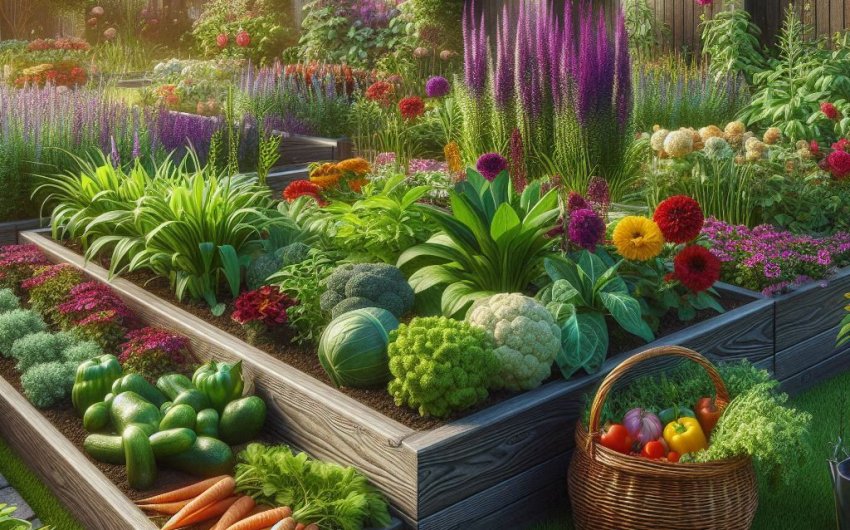
Raised bed gardening offers numerous benefits, including improved soil quality, better drainage, and easier access to plants. However, despite its advantages, it’s easy to make mistakes that can limit the success of your garden. Knowing what to avoid can make all the difference between a thriving raised bed garden and one that struggles. In this guide, we'll explore the most common mistakes in raised bed gardening and how to avoid them to ensure your plants reach their full potential.
1. Choosing the Wrong Location
One of the most important decisions you'll make when setting up a raised garden bed is choosing the right location. Sunlight is a key factor in plant growth, and many beginners make the mistake of placing their raised bed in an area that doesn’t receive enough sun.
- Most vegetables require at least 6-8 hours of sunlight each day to thrive. Placing your raised bed in a shaded area can lead to poor growth and low yields.
- Be mindful of structures like buildings, trees, or fences that might block the sun during part of the day.
Use a garden compass or sunlight meter to monitor the sunlight levels in potential locations before building your bed. Ensure the spot you choose has consistent exposure to direct sunlight.
2. Using Poor-Quality Soil
One of the biggest mistakes in raised bed gardening is using poor-quality soil. The quality of your soil will directly impact plant health, growth, and yield.
- Filling your raised bed with cheap topsoil or soil from your yard can introduce poor drainage and compaction issues, preventing your plants from thriving.
- Avoid using garden soil that is too heavy or contains too much clay, as it can lead to poor aeration and water retention problems.
Instead, use a well-draining soil mix specifically designed for raised beds. A mix of high-quality topsoil, compost, and perlite will provide the necessary nutrients and structure for your plants to grow.
3. Overwatering or Underwatering
Water management is a critical aspect of raised bed gardening, but it’s easy to overdo it or neglect watering altogether. Raised beds often have excellent drainage, but this can lead to soil drying out faster than expected.
- Overwatering can cause root rot, fungal diseases, and nutrient leaching.
- Underwatering, on the other hand, will cause plants to wilt, grow slowly, and produce fewer fruits or flowers.
Using a soaker hose or drip irrigation system can help deliver water directly to the roots without over-saturating the soil. Be sure to monitor the moisture levels with a moisture meter to strike the right balance.
4. Planting Too Densely
A common mistake for beginners is planting too many seeds or plants in a small space. While raised beds are designed to maximize space, overcrowding can lead to competition for water, nutrients, and sunlight.
- Plants that are too close together may struggle to grow and can be more prone to diseases due to poor air circulation.
- Overcrowded beds also make it harder for you to access the plants for maintenance, like weeding, watering, or harvesting.
Follow the spacing guidelines on the seed packet or plant labels to ensure each plant has enough room to grow. Using a planting guide or grid method can help you organize your plants and avoid overcrowding.
5. Not Considering Plant Height and Sunlight Needs
Another issue arises when gardeners don't account for the height and sunlight requirements of different plants. Taller plants can easily overshadow smaller ones, depriving them of the sunlight they need.
- Plant taller crops like corn, tomatoes, and sunflowers at the back or center of your bed if it's accessible from all sides.
- Place shorter plants like lettuce or carrots in front or along the edges where they will still receive full sun.
Using trellises for vining plants like peas and cucumbers can help manage space and allow all plants to get sufficient sunlight.
6. Ignoring Crop Rotation
If you grow the same crops in the same raised bed year after year, you risk depleting the soil of specific nutrients and encouraging the buildup of pests and diseases that target those plants.
- Crop rotation helps maintain soil fertility and reduces the likelihood of soil-borne diseases.
- It’s essential to rotate plant families (e.g., nightshades, legumes, brassicas) to allow the soil to recover and ensure healthy growth.
Keep a garden journal to track what you plant each year so you can rotate crops appropriately in future seasons.
7. Over-Fertilizing or Under-Fertilizing
Providing the right amount of nutrients is critical for plant health. Over-fertilizing can cause nutrient imbalances, burn plant roots, and lead to excessive foliage growth at the expense of fruit or flowers. Under-fertilizing, on the other hand, may result in weak plants with poor yields.
- Use a balanced organic fertilizer that suits the needs of the plants you are growing.
- Conduct a soil test to determine nutrient levels and adjust your fertilizing routine accordingly.
Fertilize lightly throughout the growing season, rather than applying one heavy dose at the start. This will ensure consistent nutrient availability for your plants.
8. Not Accounting for Drainage
Raised beds generally offer good drainage, but if not properly designed, they can still suffer from poor drainage issues. Waterlogged soil can suffocate roots and lead to diseases like root rot.
- Avoid placing your raised bed in low-lying areas where water naturally collects.
- Ensure that your raised bed has proper drainage holes or enough space between the bottom of the bed and the ground.
If you live in an area with heavy rainfall, consider adding gravel or perlite to the bottom layer of your raised bed to improve drainage.
9. Neglecting Mulching
Mulching is an essential practice in raised bed gardening, but many gardeners neglect to add a layer of mulch around their plants.
- Mulch helps retain moisture, suppress weeds, and regulate soil temperature, reducing the need for frequent watering and weeding.
- Organic mulches like straw, wood chips, or compost also break down over time, adding nutrients back into the soil.
Apply a 2- to 3-inch layer of mulch around your plants to conserve water and promote healthy growth.
10. Planting the Wrong Plants for Your Climate
Not all plants are suitable for every climate, and a common mistake is planting crops that aren’t well-suited to your local weather conditions.
- Check your hardiness zone and choose plants that can thrive in your climate.
- Be mindful of planting times, as planting too early or too late in the season can result in poor growth or plants being damaged by frost.
Use a planting calendar specific to your region to know when to plant certain vegetables and flowers for the best results.
11. Not Protecting Your Plants from Pests
Raised beds are less prone to some pests compared to in-ground gardens, but they are not immune to insects, birds, and other pests.
- Failing to protect your garden from pests can lead to damage, lower yields, and even plant death.
- Install bird netting or row covers to keep pests away from your plants.
For insect control, consider using natural methods such as insecticidal soap or planting companion plants like marigolds to deter harmful pests.
12. Ignoring Soil pH
Different plants have specific soil pH requirements, and planting without considering the soil’s pH can result in nutrient deficiencies or toxicities.
- Acidic soil (low pH) can limit the availability of important nutrients like calcium and magnesium, while alkaline soil (high pH) can hinder the uptake of iron and phosphorus.
- Failing to test and adjust the soil pH can lead to poor plant growth, yellowing leaves, and reduced yields.
Conduct a soil pH test and adjust the pH using lime to raise it or sulfur to lower it, depending on your plant needs.
13. Forgetting to Rotate Crops
Growing the same crops in the same spot year after year depletes specific nutrients and can lead to soil-borne diseases. Many gardeners neglect crop rotation, which is essential for soil health.
- Rotating crops helps prevent the buildup of pests and diseases that specifically target certain plants.
- It also ensures that the soil is not repeatedly drained of the same nutrients, maintaining its fertility.
Plan your raised bed garden layout using a garden planner to rotate crops efficiently and avoid planting the same plant families in the same bed year after year.
14. Neglecting Regular Maintenance
A raised bed garden requires ongoing care throughout the growing season. Neglecting routine tasks like weeding, pruning, and deadheading can lead to an overgrown, unproductive garden.
- Regular weeding is essential to prevent weeds from competing with your plants for water and nutrients.
- Prune and remove dead or diseased plant material to maintain air circulation and reduce the risk of fungal diseases.
Use a pruning shear and garden gloves to keep your garden tidy and productive.
15. Not Preparing for the Off-Season
Many gardeners focus on the growing season but forget to prepare their raised beds for the off-season. Leaving the soil bare and unprotected can lead to erosion, nutrient depletion, and weed growth.
- Cover your raised bed with a cover crop like clover or rye during the winter to improve soil health.
- Alternatively, use a layer of mulch or a tarp to protect the soil from harsh winter conditions.
Preparing your raised beds for the off-season will ensure that your soil remains healthy and ready for planting when the next growing season arrives.