
How to Protect Raised Garden Beds from Extreme Weather?
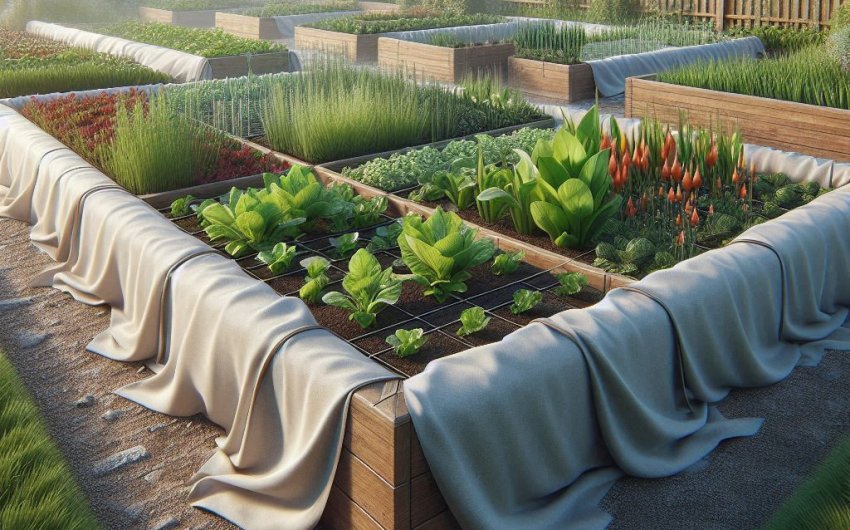
To protect raised garden beds from extreme weather, implement strategies such as robust structural reinforcement, effective mulching for insulation and moisture control, and the strategic use of season extenders like row covers, cold frames, or mini hoop houses. This multi-faceted approach shields your plants and soil from harsh elements.
Why Do Raised Beds Need Protection from Extreme Weather?
While raised garden beds offer many advantages, their elevated nature also exposes them to unique vulnerabilities when facing extreme weather conditions. Understanding these susceptibilities is the first step in effective protection.
Inherent Vulnerabilities of Raised Beds
- Faster Drying Out: Raised beds tend to dry out more quickly than in-ground gardens. Their sides are exposed to sun and wind, increasing evaporation from the soil. This makes them highly susceptible to drought stress during hot, dry spells.
- Faster Heating and Cooling: The soil in raised beds warms up faster in spring, which is usually an advantage. However, it also cools down faster in fall and heats up more intensely in summer, making plants vulnerable to both early and late frosts, as well as heat stress.
- Erosion Risk: Without proper covering, the exposed soil in raised beds can be more prone to wind and water erosion, especially during heavy rains or strong winds, leading to loss of valuable topsoil and nutrients.
- Structural Damage: The materials forming the raised bed itself (wood, metal, stone) can be subject to damage from extreme weather like intense heat, prolonged moisture, or heavy snow loads if not properly constructed or maintained.
- Direct Impact on Plants: Plants in raised beds, being elevated, are more directly exposed to high winds, hail, heavy rain, and intense sun, which can cause physical damage to foliage, flowers, and fruit.
Specific Extreme Weather Threats
- Extreme Heat and Drought: Leads to rapid wilting, scorched leaves, stunted growth, flower and fruit drop, and increased watering demands.
- Hard Frosts and Freezes: Can kill tender plants outright, damage roots, and even crack bed materials (if water freezes within cracks). Raised beds offer some slight thermal advantage over ground level, but aren't entirely frost-proof for sensitive plants.
- Heavy Rain and Flooding: While raised beds improve drainage, excessive, prolonged rain can still lead to oversaturation, nutrient leaching, and fungal diseases if not managed. Intense downpours can also cause splash erosion.
- Strong Winds: Can physically damage plants (bending, breaking stems), dry out foliage rapidly, and cause soil erosion.
- Hail: Can shred leaves, bruise fruit, and break plant stems, often causing irreparable damage in minutes.
- Heavy Snow Loads: Can crush season extenders, break plant supports, and compact underlying materials if not properly managed.
Proactively planning how to protect raised garden beds from extreme weather is an investment that ensures your plants thrive, your soil remains healthy, and your raised beds last for many seasons.
How Do I Protect Raised Beds from Extreme Heat and Drought?
Protecting raised garden beds from extreme weather, particularly high temperatures and drought conditions, is crucial for plant survival and productivity. The key is to reduce heat stress, minimize water loss, and create a more stable environment for your plants.
1. Generous Mulching
- Purpose: A thick layer of organic mulch is your best friend against heat and drought. It acts as an insulator, keeping soil temperatures cooler by reflecting sunlight and reducing direct sun exposure on the soil. It also drastically reduces evaporation from the soil surface.
- Materials: Use 3-6 inches of organic materials like straw, shredded leaves, wood chips, pine needles, or grass clippings (ensure they are herbicide-free).
- Application: Apply mulch over the entire soil surface, around the base of plants. Keep it a few inches away from plant stems to prevent rot.
- Benefits: Beyond moisture retention, mulch suppresses weeds (which compete for water) and slowly breaks down to add organic matter to the soil.
2. Smart Watering Techniques
- Deep and Infrequent: Instead of light, daily sprinkles, water deeply but less often. This encourages plant roots to grow deeper, making them more resilient to dry spells. Aim to soak the soil to a depth of 6-8 inches.
- Early Morning Watering: Water in the early morning before the heat of the day. This allows water to penetrate the soil and be absorbed by plants before it evaporates, and ensures foliage dries, reducing disease risk.
- Drip Irrigation/Soaker Hoses: These methods deliver water directly to the root zone, minimizing evaporation and runoff. They are highly efficient and reduce leaf wetness.
- Consider a Drip Irrigation Kit for Raised Beds for automated watering.
- Monitor Soil Moisture: Use a moisture meter or the finger test (stick your finger 2-3 inches deep) to determine when your plants actually need water. Don't water on a fixed schedule.
3. Provide Shade
- Shade Cloth: For plants struggling in intense afternoon sun, use shade cloth. This breathable fabric reduces light intensity and temperatures.
- Percentage: Choose a shade cloth with a 30-50% shade rating for most vegetables.
- Application: Erect a simple frame (PVC pipes, stakes) over your raised bed and drape the shade cloth over it. Remove it on cloudy days or when temperatures moderate.
- Consider a Garden Shade Cloth.
- Taller Plants: Strategically plant taller, heat-tolerant crops (like corn or sunflowers) on the south or west side of shorter, more sensitive plants to provide natural afternoon shade.
- Temporary Umbrellas: For a quick fix, position a patio umbrella or large outdoor umbrella to cast shade over vulnerable plants during peak heat.
4. Improve Soil Health
- Incorporate Organic Matter: Healthy soil with a high organic matter content acts like a sponge, retaining more moisture and making it available to plants for longer periods. Amend your beds regularly with compost.
- Minimize Tilling: Reduce disturbance to the soil structure, which helps maintain its ability to hold water and nutrients.
By combining these strategies, you can effectively protect raised garden beds from extreme weather related to heat and drought, ensuring your plants remain hydrated and productive even during the toughest summer conditions.
How Do I Protect Raised Beds from Frost and Cold?
Protecting raised garden beds from extreme weather like frost and cold is essential for extending your growing season, particularly in spring and fall. While raised beds offer a slight warming advantage over in-ground gardens, direct protection is often needed for tender plants.
1. Strategic Mulching
- Purpose: A thick layer of mulch around plants acts as an insulator for the soil, trapping residual heat and moderating soil temperature fluctuations. This protects plant roots from freezing and helps keep the soil warmer overnight.
- Materials: Use straw, shredded leaves, or pine needles. These are excellent insulators.
- Application: Apply a layer of 4-6 inches around the base of sensitive plants and over the entire bed. For tender annuals, you can even loosely cover the entire plant with straw on a cold night.
- Benefits: Also helps retain moisture, preventing roots from drying out in cold, windy conditions.
2. Row Covers (Floating Row Covers)
- Purpose: These lightweight, spun-bonded fabrics create a microclimate around plants, providing several degrees of frost protection (typically 2-8°F / 1-4°C of warmth). They also shield plants from drying winds and can deter some pests.
- Application:
- Directly over plants: Lay the fabric loosely over your plants. Ensure there's enough slack for plants to grow without being constricted.
- Supported by hoops: For better air circulation and to prevent crushing plants, use wire or PVC hoops arched over the bed, then drape the row cover over the hoops.
- Secure Edges: Anchor the edges of the row cover with rocks, soil, or Garden Fabric Ground Staples to prevent wind from blowing them away and to trap heat.
- Consider a Floating Row Cover for Season Extension.
3. Cold Frames
- Purpose: A bottomless box with a transparent lid (often made of old windows, polycarbonate, or clear plastic sheeting). Cold frames create a passive solar greenhouse effect, trapping significant heat during the day and providing excellent insulation at night.
- Application: Place directly over your raised bed or a section of it.
- Ventilation: It is crucial to vent cold frames on sunny days (even if it's cold outside) by propping open the lid slightly. Failure to do so can "cook" your plants. Close the lid completely before sunset to trap warmth.
- DIY Options: You can build simple cold frames from scrap wood and old windows, or purchase ready-made units.
4. Mini Hoop Houses / Low Tunnels
- Purpose: Similar to cold frames but larger, extending along the length of the raised bed. They offer substantial protection from deep cold, wind, and snow, creating a more controlled environment.
- Construction: Use flexible PVC or metal hoops anchored to the inside of the raised bed frame, then cover with a heavy-duty clear plastic sheeting or specialized greenhouse film. Secure the film tightly.
- Ventilation: Like cold frames, hoop houses require venting on warmer days to prevent overheating and fungal issues.
5. Water Before a Freeze (Judiciously)
- Purpose: Water has a higher specific heat than air or dry soil. Watering your raised bed thoroughly during the day before a predicted freeze can help keep the soil warmer through the night, as the latent heat of the water is released as it cools.
- Caution: Do this only if the soil is dry and if temperatures are above freezing during the day to allow water to penetrate. Avoid overwatering, which can lead to soggy conditions and potentially root rot.
By employing a combination of these methods, you can significantly enhance your ability to protect raised garden beds from extreme weather like frost and cold, allowing you to grow tender crops longer into the fall and start earlier in the spring.
How Do I Protect Raised Beds from Heavy Rain and Hail?
Protecting raised garden beds from extreme weather such as heavy rain and hail is essential to prevent soil erosion, nutrient loss, physical plant damage, and fungal diseases. These weather events can undo a lot of hard work quickly.
1. Physical Barriers for Rain and Hail
- Hoop Houses / Low Tunnels:
- Purpose: The plastic sheeting or greenhouse film covering a hoop house is excellent for deflecting heavy rain and completely protecting plants from hail.
- Benefits: Also provides warmth and wind protection.
- Considerations: Ensure the structure is sturdy enough to withstand strong winds and potential snow loads if applicable. Proper anchoring is key.
- Cold Frames:
- Purpose: The clear lid of a cold frame effectively shields plants from heavy rainfall and hail, acting as a mini-shelter.
- Benefits: Ideal for smaller beds or specific plants.
- Considerations: Still requires venting on sunny days to prevent overheating.
- Row Covers (Heavy Duty):
- Purpose: While lighter row covers might tear in heavy hail, a heavier grade row cover can offer some protection against lighter hail and moderate rain. They will become saturated but protect foliage.
- Application: Ensure they are firmly anchored to prevent wind from ripping them off.
- Consider a Heavy Duty Garden Fabric Row Cover.
- Temporary Covers:
- Purpose: For sudden, short-duration hail storms, you can quickly deploy temporary covers.
- Materials: Old blankets, tarps, inverted buckets, or plastic totes.
- Application: Place over vulnerable plants and secure. Remove once the storm passes to restore light and airflow.
2. Managing Water in the Bed
- Ensure Excellent Drainage (During Construction): The best defense against heavy rain is a well-designed raised bed with good drainage.
- Bottom of Bed: If your raised bed has a solid bottom, ensure sufficient drainage holes. If it's open to the ground, good underlying soil drainage is important.
- Soil Mix: Fill your raised beds with a high-quality, well-draining soil mix that contains plenty of organic matter (compost, pine bark fines) and amendments like perlite or pumice. This prevents compaction and allows water to flow through.
- Mulching:
- Purpose: A layer of mulch on the soil surface absorbs the impact of raindrops, preventing splash erosion and reducing soil compaction from heavy downpours. It also helps to prevent waterlogging by allowing excess water to drain through, while retaining enough moisture during dry spells.
- Benefits: Reduces the risk of soil-borne diseases splashing onto foliage.
3. Structural Integrity of the Raised Bed Itself
- Robust Construction: Ensure your raised bed frame is built strongly with durable materials that can withstand prolonged moisture and the impact of weather.
- Proper Fastening: All corners and joints should be securely fastened to prevent warping or collapse from saturated soil or external forces.
- Drainage for the Structure: If your bed material is wood, ensure it has good air circulation around its base to dry out, preventing rot.
By taking proactive measures to shield your plants and optimize drainage, you can effectively protect raised garden beds from extreme weather events like heavy rain and hail, safeguarding your harvest and soil health.
How Do I Protect Raised Beds from Strong Winds?
Protecting raised garden beds from extreme weather, specifically strong winds, is crucial for preventing physical damage to plants, excessive drying out of soil, and structural integrity issues with your bed frame or season extenders.
1. Windbreaks and Barriers
- Strategic Planting:
- Living Windbreaks: Plant dense hedges, shrubs, or sturdy ornamental grasses on the windward side of your raised bed. Choose plants appropriate for your climate and that won't excessively shade your garden. They slow wind down effectively.
- Taller Crops: Position taller, sturdy crops like corn, sunflowers, or indeterminate tomatoes (supported by strong stakes) on the windward side to act as a buffer for more delicate plants.
- Solid/Semi-Permeable Fences:
- Purpose: A solid fence can block wind, but sometimes too effectively, causing turbulent eddies on the leeward side. A semi-permeable fence (like a picket fence, lattice, or slatted fence) that allows some air through is often better, as it slows wind more gently.
- Placement: Install on the side from which prevailing strong winds typically blow.
- Garden Walls or Buildings:
- Natural Shelter: Position your raised beds strategically on the lee side (downwind) of a sturdy garden wall, shed, or your house. These structures offer excellent natural wind protection.
2. Reinforce Plants and Structures
- Staking and Tying:
- Purpose: For taller or more fragile plants (tomatoes, peppers, pole beans, young fruit trees), sturdy staking, caging, or trellising is essential.
- Technique: Use strong stakes (bamboo, metal rebar, heavy-duty plastic) driven deep into the soil. Tie plants loosely to supports with soft ties or old nylons that won't cut into stems.
- Consider Heavy-Duty Plant Stakes.
- Secure Season Extenders:
- Hoop Houses/Row Covers: Ensure the hoops are firmly anchored into the ground or directly to the raised bed frame. The plastic or fabric cover must be securely fastened, ideally buried in a trench or held down by heavy rocks/sandbags around the entire perimeter, to prevent it from flapping or being torn off by wind.
- Cold Frames: Ensure cold frame lids are securely hinged and have latches or weights to prevent them from blowing open or off in gusts.
3. Mulching for Soil Protection
- Purpose: While discussed for heat, mulch also protects exposed soil from wind erosion. Strong winds can lift and blow away valuable topsoil, especially from raised beds.
- Benefits: Reduces moisture loss from the soil due to drying winds.
4. Optimize Plant Spacing
- Purpose: While good airflow is important for disease prevention, avoid excessively wide spacing in very windy areas. A slightly denser planting can help plants collectively buffer wind better than isolated individuals.
- Balance: Find a balance that allows for healthy growth without inviting fungal issues.
By implementing these wind protection strategies, you create a more stable and less stressful environment for your plants, ensuring your efforts to protect raised garden beds from extreme weather translate into a thriving and productive harvest.
How Do I Ensure Long-Term Structural Integrity of My Raised Beds in Extreme Weather?
Protecting raised garden beds from extreme weather isn't just about the plants; it's also about ensuring the longevity and structural integrity of the beds themselves. The materials and construction of your raised beds are constantly subjected to moisture, temperature fluctuations, and physical forces.
1. Choose Durable Materials
- Wood:
- Rot-Resistant Woods: Opt for naturally rot-resistant woods like cedar, redwood, or black locust. These will last significantly longer than untreated pine or fir.
- Avoid Treated Wood (for edibles): If growing food, avoid older pressure-treated lumber that may contain toxic chemicals. Newer ACQ-treated wood is generally considered safer, but many gardeners still prefer untreated rot-resistant wood.
- Thickness: Use thicker lumber (2x8s, 2x10s, or 2x12s) for increased stability and lifespan.
- Metal:
- Galvanized Steel/Corrugated Metal: Very durable, resistant to rot, pests, and fire. They handle temperature fluctuations well.
- Rust Prevention: Ensure proper coating to prevent rust.
- Stone/Brick/Concrete Blocks:
- Extremely Durable: These materials are highly resistant to weathering, rot, and pests. They offer excellent thermal mass, which can help moderate soil temperatures.
- Considerations: Can be more expensive and labor-intensive to install. Ensure proper mortar/bonding for stability.
- Recycled Plastic Lumber:
- Maintenance-Free: Impervious to rot, insects, and cracking.
- Considerations: Can be more expensive upfront.
2. Robust Construction Techniques
- Strong Corner Bracing: Corners are the weakest points. Use strong corner brackets, screwed or bolted together, rather than just nailing boards end-to-end.
- Internal Corner Brackets: Metal or heavy-duty wood blocks on the inside corners add significant strength.
- Cross Bracing: For very long beds, use internal cross-bracing (e.g., a board running across the middle, perpendicular to the long sides) to prevent bowing out from the pressure of wet soil.
- Proper Fasteners: Use galvanized screws or stainless steel screws that are resistant to rust, especially for wood beds. Avoid nails, which can pull out over time.
- Base Stability: Ensure the bed is placed on level ground. If necessary, dig a shallow trench or use pavers as a level foundation.
- Height Considerations: Taller beds (e.g., over 12-18 inches) exert more pressure and may require more substantial internal bracing to prevent bowing.
3. Protection from Moisture and Elements
- Internal Liner (Optional): Some gardeners line the inside of wooden beds with pond liner or heavy-duty plastic sheeting. This helps prolong the wood's life by separating it from constant soil moisture.
- Caution: Ensure drainage holes are cut in the liner at the bottom to prevent waterlogging.
- External Sealing (for wood): Apply non-toxic, food-safe wood sealant or stain to the exterior of wooden raised beds to protect them from UV damage and moisture. Reapply periodically.
- Winter Drainage: Even if not growing, ensure the soil in your beds isn't waterlogged going into winter. Proper drainage prevents soil from becoming saturated, which can freeze and put outward pressure on the bed walls.
- Snow Load Management: If you anticipate heavy snow, ensure any season extenders (hoop houses, cold frames) are designed to shed snow or are strong enough to bear its weight. Clear heavy snow off plastic covers.
By making smart choices in materials and construction, and by implementing ongoing protective measures, you can ensure that your efforts to protect raised garden beds from extreme weather result in durable, long-lasting structures that support your gardening passion for many years to come.