
What Are Companion Plants for Raised Bed Vegetable Gardens?
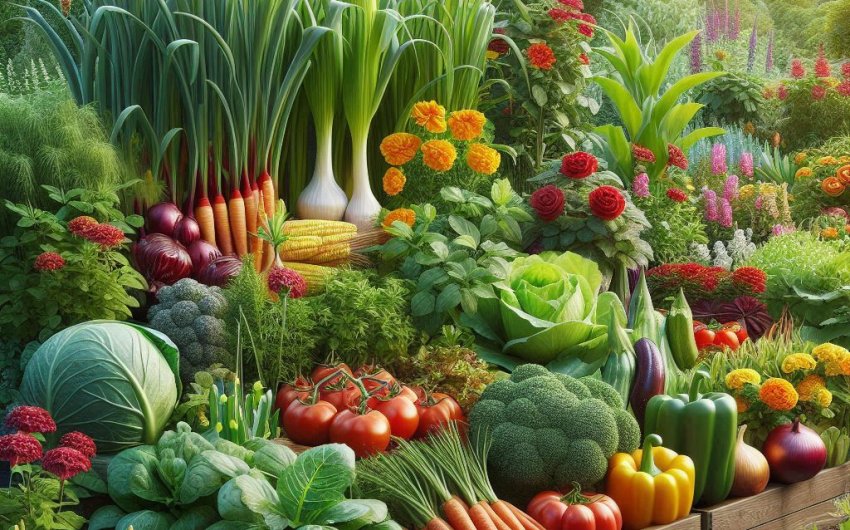
Companion plants for raised bed vegetable gardens strategically pair different plant species to provide mutual benefits, such as natural pest control, improved growth, enhanced flavor, or attracting beneficial insects. This technique optimizes the confined space of a raised bed for a healthier, more productive garden.
What Exactly is Companion Planting?
Companion planting is an age-old gardening practice that involves strategically placing different plant species close to each other so that they provide mutual benefits. It's a natural and organic way to enhance garden health and productivity without relying on synthetic chemicals. For raised bed vegetable gardens, companion planting is particularly effective as it allows you to maximize the benefits within a defined space.
How It Works: The Synergy of Plants
The principles behind companion planting are diverse and often fascinating, relying on the unique interactions between plants:
- Pest Deterrence: Some plants release compounds (volatile chemicals) through their roots or foliage that naturally repel common garden pests. The scent can confuse pests, making it harder for them to locate their target crops.
- Attracting Beneficial Insects: Certain flowering plants are excellent at attracting beneficial insects, such as pollinators (bees, butterflies) that are vital for fruit set, or predatory insects (ladybugs, lacewings, parasitic wasps) that feed on harmful pests like aphids or caterpillars.
- Growth Promotion and Nutrient Cycling: Some companions can improve the growth of nearby plants. For example, legumes (like beans and peas) have root nodules that host nitrogen-fixing bacteria, enriching the soil with nitrogen, a key nutrient for many other plants. Others may improve soil structure.
- Weed Suppression: Sprawling companion plants can act as a living mulch, shading the soil and suppressing weed growth, reducing competition for resources.
- Shade and Support: Taller, sturdy plants can provide natural shade for smaller, more sensitive plants during hot summer months. Vining plants can sometimes use taller companions as natural trellises.
- Improved Flavor: While harder to scientifically prove, many gardeners believe certain companion plants can actually enhance the flavor of nearby vegetables.
- Sacrificial Planting (Trap Cropping): Some plants are intentionally grown to lure pests away from a more valuable crop, acting as a "trap." Pests will prefer the sacrificial plant, leaving your main crop untouched.
Why It's Great for Raised Beds:
- Intensive Gardening: Raised beds naturally encourage intensive planting. Companion planting fits perfectly into this model by making every square foot count.
- Controlled Environment: The defined borders of a raised bed make it easier to plan and implement specific companion planting schemes, managing where each plant is placed.
- Focus on Soil Health: Companion planting, especially with nitrogen fixers or plants that improve soil structure, contributes to the overall health of the rich, amended soil in raised beds.
By intelligently pairing companion plants for raised bed vegetable gardens, you harness nature's wisdom to create a more resilient, vibrant, and productive growing space.
Why is Companion Planting Especially Beneficial for Raised Beds?
Companion planting is a valuable technique for any garden, but it truly shines in raised bed vegetable gardens. The unique characteristics of raised beds amplify the benefits of companion planting, making it an exceptionally powerful strategy for maximizing your harvest and garden health.
1. Maximizing Limited Space:
- Intensive Planting: Raised beds naturally lend themselves to intensive planting – growing more plants in a smaller area. Companion planting enhances this by ensuring every plant contributes positively. Instead of empty spaces between rows, you can interplant beneficial companions.
- Vertical Integration: Companion planting helps you think vertically. For example, pairing a climbing bean with corn, where the corn provides a natural trellis, is a form of companion planting that saves space.
- Layering Benefits: You can layer benefits within a small footprint. For instance, you could have root crops (like carrots), leafy greens (like lettuce), and pest-deterring herbs (like basil) all in one compact section of a raised bed.
2. Enhanced Pest and Disease Management:
- Natural Barriers: In a confined raised bed, a border of strong-scented herbs or flowers (like marigolds or basil) around the edge can create a more effective "scent barrier" against pests than in a sprawling in-ground garden.
- Concentrated Attraction: Attracting beneficial insects (like ladybugs or parasitic wasps) to a raised bed means their presence is more concentrated where your valuable vegetables are.
- No Chemical Runoff: Raised beds often have well-controlled soil and drainage. Companion planting offers a chemical-free pest solution, ensuring no harmful residues leach into your contained garden environment. This is especially important for organically grown produce.
3. Optimized Soil Health and Nutrient Cycling:
- Controlled Soil: Raised beds typically start with high-quality, amended soil. Companion planting helps maintain this health.
- Nitrogen Fixation: Legumes planted as companions can efficiently enrich the relatively small volume of soil in a raised bed with nitrogen, benefiting other plants.
- Microbial Activity: A diverse planting of companions encourages a healthier and more active soil microbial community, which is crucial for nutrient availability and plant immunity.
4. Improved Microclimates and Resource Utilization:
- Shade Management: Taller companion plants can strategically shade heat-sensitive plants during the hottest parts of the day within the limited raised bed space.
- Resource Sharing: Different root depths among companion plants (e.g., deep-rooted tomatoes with shallow-rooted lettuce or herbs) mean they utilize water and nutrients from different soil levels, reducing competition within the raised bed.
- Support Structures: Sturdy companions can offer natural support for vining plants, reducing the need for external trellises in a small bed.
5. Aesthetic Appeal:
- Beauty and Function: Combining herbs, flowers, and vegetables in a compact space creates a visually appealing and harmonious raised bed. The diverse textures and colors add beauty to the functional aspect of growing food.
By leveraging companion plants for raised bed vegetable gardens, you essentially create a miniature, self-sustaining ecosystem where plants work together, enhancing productivity, protecting each other, and making the most of every square inch.
Which Herbs Make Good Companions for Raised Beds?
Herbs are some of the most versatile and effective companion plants for raised bed vegetable gardens, offering a wealth of benefits from pest deterrence to attracting beneficial insects and even enhancing flavor. Their compact nature also makes them ideal for the confined space of raised beds.
1. Basil (Ocimum basilicum)
- Benefits:
- Pest Deterrent: Repels flies, mosquitoes, and possibly tomato hornworms and aphids.
- Flavor Enhancer: Famously improves the flavor of tomatoes when planted nearby.
- Attracts Pollinators: Flowers attract bees.
- Good Companions: Tomatoes, peppers, chives, oregano, asparagus.
- Bad Companions: Rue (can stunt growth).
- Raised Bed Use: Plant directly beside tomato plants or intersperse throughout the bed. Basil Seeds for Planting
2. Chives (Allium schoenoprasum)
- Benefits:
- Pest Deterrent: Repels aphids, spider mites, Japanese beetles, and carrot rust fly.
- Disease Prevention: Believed to help prevent black spot on roses (though less relevant for vegetables, it shows their protective quality).
- Good Companions: Carrots, tomatoes, broccoli, cabbage, apples (if nearby).
- Bad Companions: Asparagus, beans, peas (can stunt their growth).
- Raised Bed Use: Plant along the edges or strategically place near susceptible crops.
3. Mint (Mentha spp.)
- Benefits:
- Pest Deterrent: Strong scent deters cabbage moths, aphids, flea beetles, and ants.
- Attracts Beneficials: Flowers attract hoverflies and predatory wasps.
- Good Companions: Cabbage, broccoli, tomatoes, carrots.
- Bad Companions: Parsley.
- Raised Bed Use: Crucially, plant mint in a container within the raised bed. Mint is extremely aggressive and will quickly take over if planted directly in the soil. Mint Plant Seeds
4. Rosemary (Rosmarinus officinalis)
- Benefits:
- Pest Deterrent: Repels carrot rust fly, cabbage moth, bean beetles.
- Attracts Pollinators: Bees love its flowers.
- Good Companions: Carrots, beans, cabbage, broccoli, sage.
- Bad Companions: None known specifically.
- Raised Bed Use: Can grow quite large; choose compact varieties for raised beds or keep pruned.
5. Thyme (Thymus vulgaris)
- Benefits:
- Pest Deterrent: Repels cabbage worm and whiteflies.
- Attracts Pollinators: Small flowers are popular with bees.
- Good Companions: Cabbage, broccoli, strawberries, eggplant.
- Bad Companions: None known specifically.
- Raised Bed Use: Excellent as a low-growing border or groundcover between taller plants.
6. Dill (Anethum graveolens)
- Benefits:
- Attracts Beneficial Insects: Highly attractive to ladybugs (aphid predators), parasitic wasps, and hoverflies.
- Good for Brassicas: Can repel cabbage loopers.
- Good Companions: Cabbage, broccoli, lettuce, corn, cucumbers, onions.
- Bad Companions: Carrots (can cross-pollinate), tomatoes (can stunt growth if too close).
- Raised Bed Use: Plant near crops that suffer from aphids.
7. Marjoram (Origanum majorana)
- Benefits:
- Pest Deterrent: Repels some pests.
- Growth Promoter: Thought to improve the flavor and growth of some plants.
- Attracts Pollinators: Flowers attract bees.
- Good Companions: Most vegetables, especially those in the cabbage family.
- Bad Companions: None known.
When incorporating herbs as companion plants for raised bed vegetable gardens, consider their mature size and spread, especially for vigorous growers like mint. Their aromatic qualities are a natural defense against many common garden pests.
Which Flowers Make Good Companions for Raised Beds?
Flowers aren't just for beauty; many are fantastic companion plants for raised bed vegetable gardens, serving crucial roles in pest management and attracting beneficial insects. Their vibrant colors also add a delightful aesthetic touch to your edible beds.
1. Marigolds (Tagetes spp.)
- Benefits:
- Nematode Control: Some varieties (especially French Marigolds, Tagetes patula) release chemicals from their roots that deter harmful nematodes (microscopic worms that attack plant roots).
- Pest Repellent: Their strong scent can deter various pests, including whiteflies, Mexican bean beetles, and potentially squash bugs.
- Attracts Pollinators: Their bright blooms are attractive to bees and other pollinators.
- Good Companions: Tomatoes, peppers, beans, potatoes, cucumbers, squash, brassicas.
- Bad Companions: None widely noted.
- Raised Bed Use: Plant throughout the bed, especially around the edges, or intersperse them. Marigold Seeds for Garden
2. Nasturtiums (Tropaeolum majus)
- Benefits:
- Trap Crop: They are excellent "trap crops" for aphids. Aphids are highly attracted to nasturtiums and will often congregate on them, leaving your vegetables alone. You can then easily remove and discard the infested nasturtium leaves.
- Repels: Can repel squash bugs and cucumber beetles.
- Edible: Both the leaves (peppery) and flowers (spicy) are edible and make attractive garnishes.
- Good Companions: Cucumbers, squash, tomatoes, radishes, brassicas, beans.
- Bad Companions: None notable.
- Raised Bed Use: Plant around susceptible crops or as a border. Nasturtium Seeds Edible
3. Borage (Borago officinalis)
- Benefits:
- Attracts Pollinators: Highly attractive to bees, making it excellent for increasing pollination in your fruiting vegetables.
- Pest Deterrent: Can deter tomato hornworms and cabbage worms.
- Soil Improver: Accumulates minerals like calcium and potassium, which are released back into the soil when leaves decompose.
- Edible: Flowers have a mild cucumber-like flavor, and young leaves can be eaten.
- Good Companions: Tomatoes, squash, strawberries, cabbage.
- Bad Companions: None notable.
- Raised Bed Use: Can get quite large; give it space or prune to keep it manageable.
4. Calendula (Calendula officinalis)
- Benefits:
- Attracts Beneficial Insects: Draws in ladybugs and hoverflies, which prey on aphids.
- Nematode Control: Some research suggests it can deter nematodes.
- Edible: Petals are edible and add color to salads.
- Good Companions: Most vegetables.
- Bad Companions: None notable.
- Raised Bed Use: Easy to grow from seed, can be interplanted or used as a border.
5. Sunflowers (Helianthus annuus)
- Benefits:
- Natural Trellis: Taller, sturdy sunflower stalks can provide natural support for vining plants like pole beans or cucumbers.
- Attracts Pollinators: Large, showy flowers are a magnet for bees and other pollinators.
- Good Companions: Corn, beans, squash, cucumbers.
- Bad Companions: Potatoes (can attract blights).
- Raised Bed Use: Plant a few at the back of the bed to provide vertical interest and support. Choose dwarf varieties for smaller beds. Dwarf Sunflower Seeds
When adding flowers as companion plants for raised bed vegetable gardens, consider their mature size to avoid shading out sun-loving vegetables. Their dual role as pest protectors and beauty enhancers makes them invaluable in an organic garden.
What are the Best Vegetable-to-Vegetable Companions?
The most intuitive form of companion planting for raised bed vegetable gardens involves pairing vegetables with other vegetables to create mutually beneficial relationships. These pairings can improve growth, deter specific pests, or optimize nutrient use within your limited raised bed space.
1. Corn, Beans, and Squash (The Three Sisters)
- Description: This ancient Native American planting technique is the quintessential example of companion planting.
- Benefits:
- Corn: Provides a natural trellis for climbing beans.
- Beans: Legumes that fix nitrogen in the soil, enriching it for the hungry corn and squash.
- Squash: Sprawling leaves shade the soil, suppressing weeds, retaining moisture, and deterring pests (like raccoons) with their prickly vines.
- Good Companions: They are each other's best companions.
- Bad Companions: None for this trio.
- Raised Bed Use: Plant corn in a block, then plant beans around the base once corn is a foot tall, and squash around the outside. Requires a large enough raised bed.
2. Tomatoes and Carrots/Onions
- Tomatoes with Carrots:
- Benefits: Carrots break up the soil around tomato roots, improving aeration. Tomatoes can provide light shade for carrots during intense summer heat.
- Tomatoes with Onions/Garlic:
- Benefits: The strong scent of alliums (onions, garlic, chives) deters common tomato pests like aphids, spider mites, and even some chewing insects.
- Good Companions: Tomatoes, carrots, onions, garlic.
- Bad Companions (for Tomatoes): Cabbage family, corn, dill, fennel.
- Raised Bed Use: Plant carrots or onions around the base of tomato plants.
3. Cabbage Family (Broccoli, Cabbage, Kale, Brussels Sprouts) Companions
- General Rule: Brassicas are often targeted by cabbage moths, cabbage worms, and flea beetles.
- Good Companions:
- Onions/Garlic/Chives: Their pungent odor deters cabbage moths and aphids.
- Chamomile/Dill/Mint (contained!): Attract beneficial insects that prey on brassica pests.
- Rosemary/Thyme: Repel cabbage worms.
- Potatoes: Can help improve growth.
- Bad Companions: Strawberries, tomatoes, pole beans (can stunt growth).
- Raised Bed Use: Plant alliums or aromatic herbs around brassica plants.
4. Lettuce and Root Crops
- Lettuce with Carrots/Radishes:
- Benefits: Lettuce provides shade for slower-growing root crops as they get established, keeping the soil cool. Radishes mature quickly, freeing up space before lettuce gets too large.
- Good Companions: Lettuce, spinach, carrots, radishes.
- Bad Companions: None specific.
- Raised Bed Use: Excellent for interplanting and succession planting.
5. Beans and Corn/Cucumbers
- Beans with Corn: (See Three Sisters above)
- Beans with Cucumbers:
- Benefits: Both need similar growing conditions. Beans can provide nitrogen for cucumbers. Cucumbers can sometimes provide light shade.
- Good Companions: Beans, corn, cucumbers.
- Bad Companions: Onions, garlic (can stunt beans/peas).
6. Potatoes and Peas/Beans
- Benefits: Legumes (peas and beans) can fix nitrogen, which potatoes need for vigorous growth.
- Good Companions: Potatoes, peas, beans.
- Bad Companions: Tomatoes, cucumbers, squash (can spread blight).
When utilizing vegetable-to-vegetable companion plants for raised bed vegetable gardens, remember to consider the individual needs of each plant (light, water, nutrients) and avoid overcrowding, even when companion planting.
What are the "Bad" Companion Plant Pairings to Avoid?
Just as some plants offer mutual benefits, others can actually hinder each other's growth, attract pests, or spread diseases. Avoiding these "bad" companion plant pairings is as important as knowing the good ones when setting up companion plants for raised bed vegetable gardens.
1. Alliums (Onions, Garlic, Chives, Leeks)
- Good: Generally fantastic pest deterrents for many plants.
- Bad Companions:
- Beans and Peas: Alliums can stunt the growth of legumes. The sulfur compounds released by alliums can inhibit the nitrogen-fixing bacteria in bean and pea root nodules.
- Asparagus: Some gardeners report that alliums can stunt asparagus growth.
- Raised Bed Tip: Keep beans and peas in a separate section of the bed from garlic or onions, or create a clear buffer zone.
2. Cabbage Family (Brassicas: Broccoli, Cabbage, Kale, Kohlrabi, Brussels Sprouts)
- Good: Benefit from aromatic herbs and alliums for pest deterrence.
- Bad Companions:
- Strawberries: Can inhibit their growth.
- Tomatoes: Some believe they can stunt each other or attract diseases.
- Pole Beans: Can stunt their growth.
- Raised Bed Tip: Give brassicas their own dedicated section, and pair them with known good companions like chamomile, dill, or onions, but keep them away from strawberries and tomatoes.
3. Fennel (Foeniculum vulgare)
- Good: Attractive to some beneficial insects.
- Bad Companions:
- Almost Everything: Fennel is notoriously anti-social and can stunt the growth of most other plants around it, including tomatoes, beans, peas, and caraway.
- Raised Bed Tip: It's best to grow fennel in its own dedicated pot or a separate corner of the garden, away from your main vegetable crops.
4. Sunflowers
- Good: Great for support for vining plants.
- Bad Companions:
- Potatoes: Sunflowers can attract pests and diseases (like blights) that also affect potatoes. They can also inhibit potato tuber growth.
- Raised Bed Tip: If using sunflowers for support, ensure they are placed with compatible climbers and away from susceptible crops like potatoes.
5. Black Walnut Trees (Juglans nigra)
- Good: None for the vegetable garden.
- Bad Companions:
- Many Plants: Black walnuts produce a chemical called juglone that is highly toxic to many garden plants, including tomatoes, peppers, potatoes, eggplant, cabbage, and blueberries.
- Raised Bed Tip: If your raised bed is near a black walnut tree, use a barrier like a pond liner along the side facing the tree to prevent its roots (and juglone) from entering your raised bed. Grow highly tolerant plants like beans, corn, melons, and squash, or keep your garden far away.
6. Rue (Ruta graveolens)
- Good: Can repel Japanese beetles.
- Bad Companions:
- Basil and Cabbage: Can stunt their growth.
- Raised Bed Tip: Grow rue away from your basil and brassicas if you choose to include it for Japanese beetle control.
General Principle:
- Avoid Overcrowding: Even with good companions, over-crowding can lead to competition for nutrients, water, and light, causing stress and making plants more susceptible to pests and diseases. This is particularly important in a raised bed vegetable garden where space is finite.
- Observe Your Garden: Every garden is unique. Pay attention to how your plants interact. If a pairing seems to be struggling, consider moving one of the plants next season.
By being mindful of these "bad" pairings, you can proactively avoid potential problems and ensure your companion plants for raised bed vegetable gardens contribute positively to a thriving ecosystem.
How Do You Plan a Companion Planting Layout for Raised Beds?
Designing a companion planting layout for raised bed vegetable gardens requires a thoughtful approach, balancing the needs of individual plants with the benefits of their companions. It's like arranging a small community where everyone helps each other out.
1. Start with Your Main Crops:
- Anchor Plants: Identify your primary vegetables – those you want to grow most of (e.g., tomatoes, peppers, beans, brassicas).
- Consider Needs: Note their sunlight, water, and space requirements.
- Example: If you want to grow tomatoes, dedicate a sunny section for them, perhaps along the south side of the raised bed to avoid shading other plants.
2. Identify Compatible Companions:
- Refer to Lists: Use reliable companion planting charts and guides to find beneficial pairings for your main crops.
- Pest Concerns: Think about which pests commonly bother your main crops (e.g., aphids on brassicas, hornworms on tomatoes) and select companions that deter those specific pests.
- Pollinator Needs: For fruiting crops (tomatoes, squash, beans, peppers), include flowers that attract pollinators nearby.
3. Create Strategic Groupings:
- Small Circles/Clusters: Instead of long rows, think in terms of small clusters or "plant guilds" within the raised bed. For example, a tomato plant in the center, surrounded by basil, and then a few marigolds at the edge.
- Edging: Plant pest-deterring herbs (chives, rosemary, thyme) or flowers (marigolds, nasturtiums) along the perimeter of the raised bed. This creates a protective border.
- Interplanting: Use the spaces between larger, slower-growing plants for quick-maturing companions (e.g., radishes or lettuce between young broccoli plants). By the time the larger plant needs the space, the small one is harvested.
- Vertical Planning: If using taller companions for support (like sunflowers for beans), plant them where they won't shade out sun-loving plants (e.g., at the back of a bed, facing south).
4. Account for Growth Habits:
- Root Depths: Try to pair plants with different root depths to utilize nutrients and water from various soil levels without direct competition (e.g., deep-rooted tomatoes with shallow-rooted lettuce or herbs).
- Mature Size: Visualize the mature size of each plant. Ensure enough space for airflow and to prevent overcrowding. Aggressive growers like mint should be contained in pots even within the raised bed.
- Shade: Consider if one plant will naturally provide beneficial shade to another (e.g., corn shading lettuce in summer).
5. Sketch Your Layout:
- Visual Plan: Draw a simple sketch of your raised bed(s).
- Trial and Error: Mark where each main crop will go. Then, fill in the spaces with their companion plants. This helps visualize spacing and prevents haphazard planting.
- Season by Season: For a year-round garden, remember that the layout will change as crops are harvested and new ones are planted (succession planting). Plan for these transitions.
6. Start Simple and Observe:
- Don't Overcomplicate: If you're new to companion planting, start with a few well-known, easy pairings.
- Learn from Experience: Pay close attention to how your plants perform. Keep a garden journal to note successes and failures. Your specific microclimate and soil conditions will influence results. What works perfectly for one gardener might need adjustment for another.
By strategically planning your companion plants for raised bed vegetable gardens, you create a resilient, low-maintenance, and highly productive system that makes the most of your confined gardening space.
What is the Importance of Crop Rotation with Companion Planting?
While companion planting focuses on beneficial interactions within a single growing season or a single bed, crop rotation is a long-term strategy that ensures the overall health and productivity of your raised bed vegetable gardens over multiple years. For a truly sustainable and productive garden, these two practices work hand-in-hand.
What is Crop Rotation?
Crop rotation involves moving different families of plants to different sections of your garden beds each season or year. Instead of planting tomatoes in the same spot every year, you'd plant them in a different bed, followed by a different plant family in their original spot.
Why It's Crucial, Especially with Companion Planting in Raised Beds:
Breaking Pest and Disease Cycles:
- Pest Build-up: Many garden pests specialize in specific plant families (e.g., squash bugs love cucurbits, Colorado potato beetles love nightshades). If you grow the same crop in the same spot year after year, these pests and their eggs or larvae can build up in the soil, leading to severe infestations.
- Disease Prevention: Similarly, many soil-borne diseases (e.g., blights, wilts) are specific to certain plant families. Rotation deprives the pathogens of their host plants, helping to break their life cycle and reduce disease pressure.
- Companion Planting Alone Isn't Enough: While companion plants can deter pests in the short term, they don't eliminate the underlying issue of pest and disease build-up in the soil from monoculture. Rotation is the long-term solution.
Nutrient Management and Soil Health:
- Varying Needs: Different plant families have different nutrient requirements. Heavy feeders (like corn, tomatoes, squash) can quickly deplete specific nutrients. Light feeders (like carrots, radishes) consume less, and nitrogen-fixers (legumes) actually add nitrogen.
- Balanced Use: Rotation ensures that no single nutrient is constantly depleted from one spot. By following a heavy feeder with a light feeder or a nitrogen-fixer, you maintain a more balanced nutrient profile in the soil. This is particularly important in the finite volume of soil in a raised bed.
- Enhanced Soil Structure: Varying root systems of different plant families can help improve soil structure, reduce compaction, and encourage a diverse microbial community.
Weed Suppression:
- Rotating crops can sometimes disrupt weed cycles, as different crops compete differently with weeds, making certain weeds less likely to dominate.
How to Implement Crop Rotation in Raised Beds:
- Group by Family: Divide your vegetables into major plant families:
- Nightshades: Tomatoes, peppers, eggplants, potatoes.
- Legumes: Beans, peas.
- Brassicas (Cole Crops): Cabbage, broccoli, kale, cauliflower, Brussels sprouts.
- Cucurbits: Squash, cucumbers, melons.
- Alliums: Onions, garlic, leeks, chives.
- Root Crops: Carrots, beets, radishes, parsnips.
- Leafy Greens: Lettuce, spinach, chard (these are generally less critical for rotation but can still benefit).
- Divide Your Beds: If you have multiple raised beds, mentally or physically divide your garden into sections.
- Rotate Systematically: Each year, move plant families to a new section. Aim for a 3-4 year rotation cycle for each bed. For example:
- Year 1: Bed A - Tomatoes; Bed B - Beans; Bed C - Cabbage
- Year 2: Bed A - Beans; Bed B - Cabbage; Bed C - Tomatoes
- Year 3: Bed A - Cabbage; Bed B - Tomatoes; Bed C - Beans
- Keep Records: A garden journal is invaluable for tracking what was planted where each year, ensuring you stick to your rotation plan.
By combining the immediate, synergistic benefits of companion plants for raised bed vegetable gardens with the long-term protective and nutrient-balancing effects of crop rotation, you create a truly resilient, healthy, and highly productive gardening ecosystem.